All Articles
Visiting the Smithsonian Anacostia Community Museum in Washington, DC
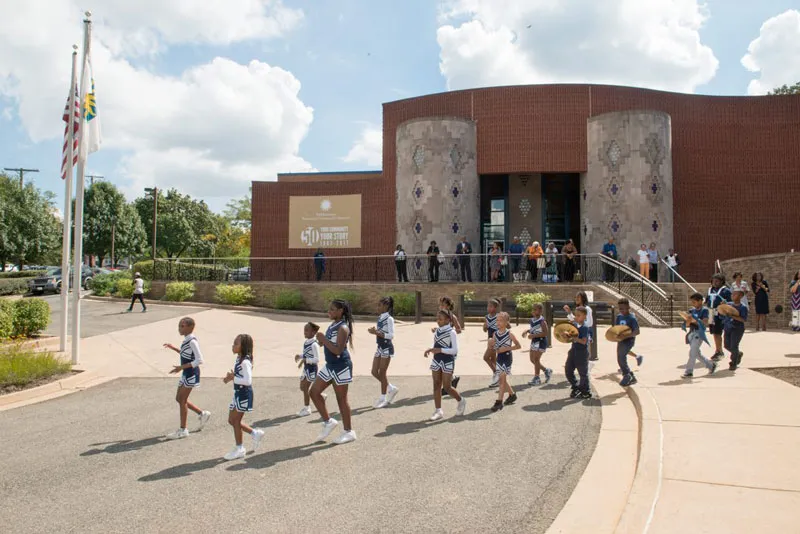
What is the Smithsonian Anacostia Community Museum and where is it? Shining a lens on urban life, the Anacostia Community Museum examines, documents and interprets the impact of historical and contemporary social issues on communities. However, the museum didn't always focus on global communities, as the museum owes its roots to Anacostia's local African American history and culture. The museum is located a mile from the Anacostia stop on Metro’s Green Line in DC's Anacostia neighborhood. It is also serviced by taxis and ride-sharing options like Uber and Lyft. The museum offers free parking and, in summertime, a free round-trip shuttle that picks up at the National Mall and Anacostia Metro station. The museum is open daily from 10 a.m. – 5 p.m. After seven months of renovations, the museum reopened to the public in October 2019 with an enhanced visitor experience and improved accessibility. Going global through locals After opening in 1967, the Anacostia Neighborhood Museum – as it was known then – helped tell the history and experience of its surroundings, largely African American neighborhoods. After the National Museum of African American History and Culture was announced, the museum took its local community focus and applied it more globally. It changed its name to the Anacostia Community Museum in 2006 to magnify ethnic themes and social and cultural issues occurring within urban communities. Rotating exhibits often focus on human stories and are the source of community partnerships where curators and creators work alongside residents, local officials, activists, artists, businesses, families and other organizations. Check out the current exhibitions at the museum, as well as a wide range of upcoming events for all ages. African American history and culture at the museum Even though the museum has broadened its focus in recent years, its collections contain thousands of unique artifacts related to the local African American community. From family archives of 19th-century African American locals to works from black DC artists, the artifacts highlight how inextricably linked the museum is to its local surroundings. These relics have been used in exhibits and continue to tell the story of east-of-the-river communities in DC.
Visiting the Smithsonian National Museum of African American History and Culture
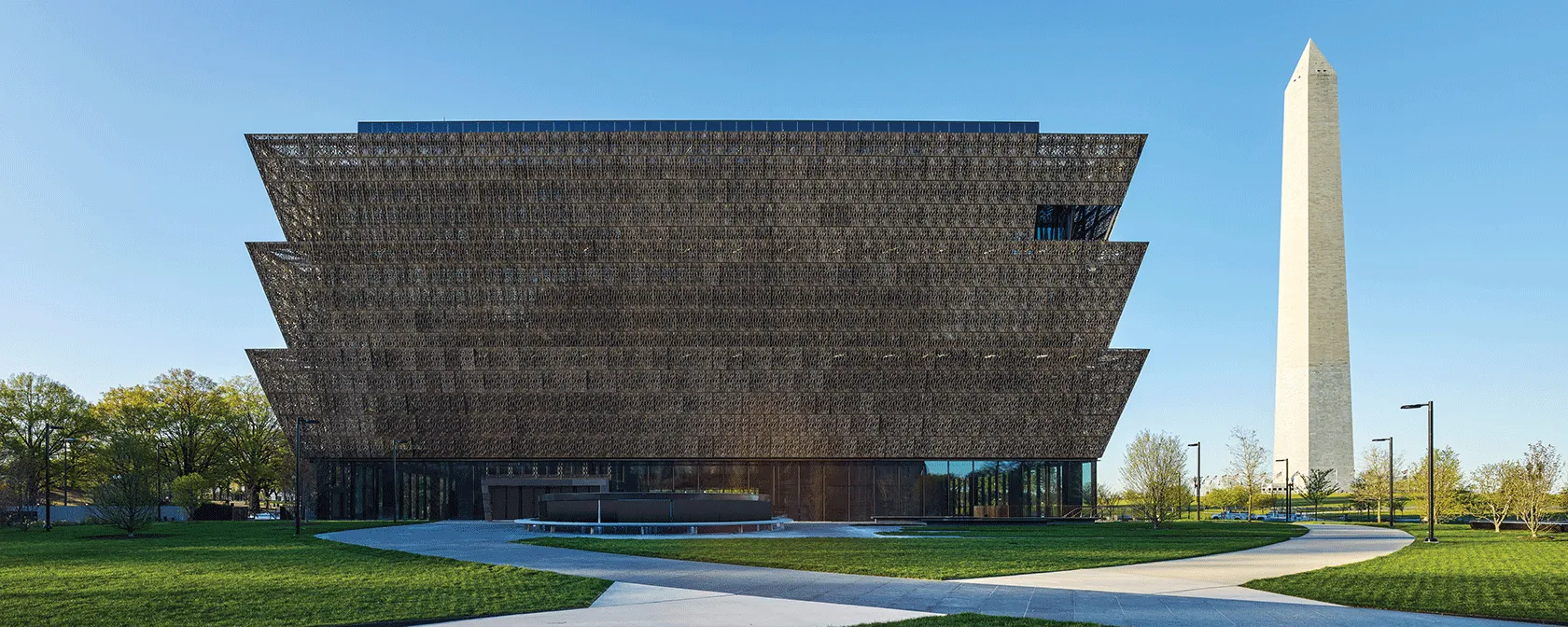
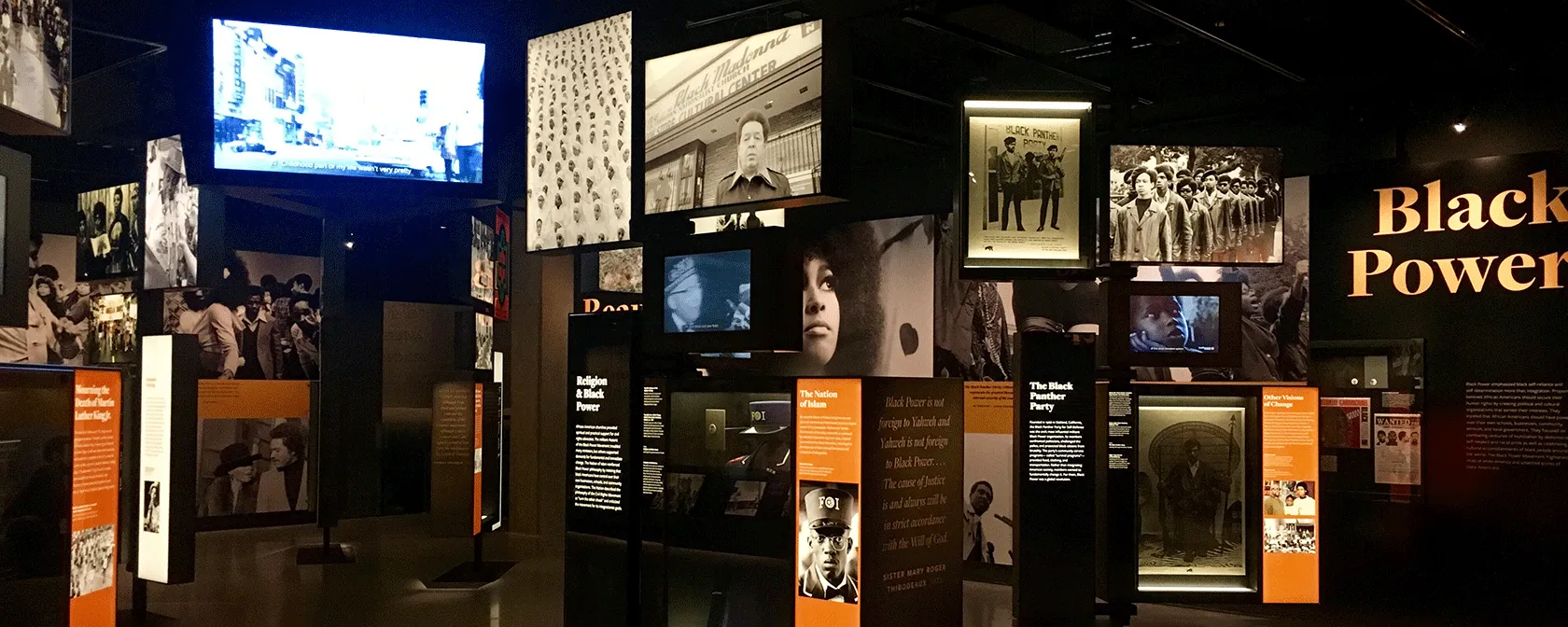
Where and what is the Smithsonian National Museum of African American History? The Smithsonian National Museum of African American History and Culture (NMAAHC) is located at 14th Street and Constitution Avenue NW on the National Mall. The four-level museum opened on Sept. 24, 2016, becoming the only national museum solely dedicated to the documentation of African American life, history and culture. This Smithsonian Institution museum is an architectural marvel that features numerous interactive exhibits. The museum is currently open Tuesday - Sunday from 10:00 a.m. - 5:30 p.m., and 12:00 p.m.-5:30 p.m. on Mondays. On Mondays that are observed as Federal Holidays, the museum opens at 10:00 a.m. The easiest way to get there is via Metrorail or the DC Circulator. The closest Metro stop is Federal Triangle on the Blue, Orange and Silver lines. The DC Circulator’s National Mall route is your best bus option, and it will be easy to continue your exploration of the National Mall afterwards. The facility is handicap-accessible. What’s inside the museum? The Smithsonian National Museum of African American History and Culture is a state-of-the-art building that addresses nearly every aspect of the African American experience, covering the arts, slavery, the Civil Rights Movement, athletics and much more. The building’s exterior, conceived by Ghanaian-born architect David Adjaye, is artfully made up of a three-tiered, bronze-colored screen. This lattice pays tribute to the intricate ironwork forged by enslaved African Americans in the southern United States. The museum’s collection of artifacts is astounding: 3,500 are on view, with another 35,000 or so in the collection. Standout items include a shawl given to Harriet Tubman by Queen Victoria, training aircraft used by the Tuskegee Institute, an invitation to President Obama’s 2009 inauguration and a boombox owned by Chuck D of Public Enemy. Navigating the entirety of the NMAAHC would be very difficult to accomplish in one visit, and the breadth of its exhibits is astonishing. However, there are several displays that you should be aware of before you go. The Musical Crossroads exhibit details the history African American music, from the arrival of the first Africans to today. From jazz to hip-hop, African American musicians brought forth new forms of expression that lit a candle for liberty, justice and change. You will be able to experience the emergence of some of America’s finest art forms and the amazing creative expressions that came from them. Slavery and Freedom uses first-person accounts and striking historical artifacts to tell an incredibly complicated tale. The exhibit traces slavery from 15th century Africa and Europe to the Civil War and Reconstruction in the United States. This vital history emphasizes that American slavery and freedom are deeply intertwined, and that the story of slavery is in fact a shared one that resides at the core of American politics, economics and daily life to this very day. Continue your dive into history with Defending Freedom, Defining Freedom and A Changing America. The former covers the era of segregation and the onset of the Civil Rights Movement, highlighting the struggle that African Americans faced and conquered in establishing a cultural identity and their own communities, changing the nation along the way. The latter goes from 1968 until today, covering the assassination of Martin Luther King, Jr. to Barack Obama’s two terms as president, journeying from the Black Panthers to #BlackLivesMatter. Check the museum’s calendar for online programming.
Ways to Celebrate Juneteenth in Washington, DC
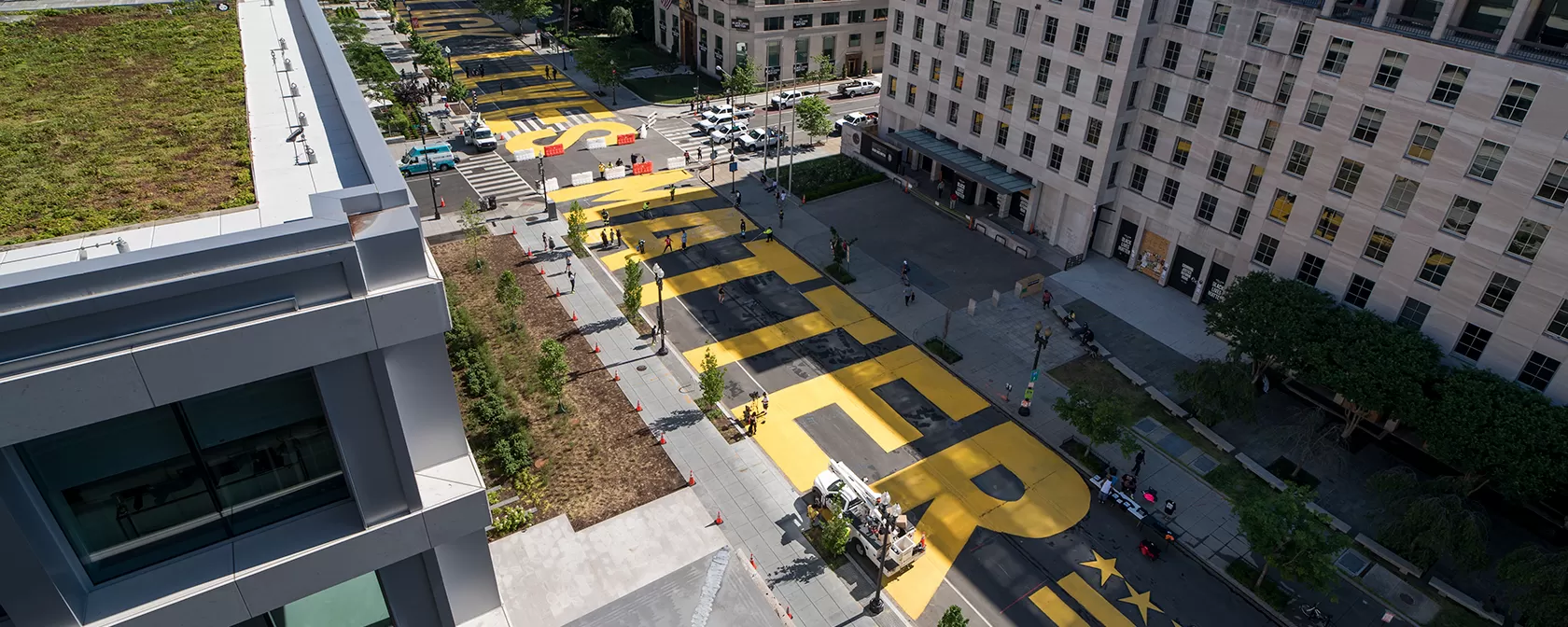
Fighters for Freedom: William H. Johnson Picturing Justice In the mid-1940s, William H. Johnson painted his Fighters for Freedom series to honor Black activists, scientists, teachers, performers and international heads of state working to bring peace to the world. Johnson celebrated these figures – some very famous, others unsung – while acknowledging the racism, violence and oppression each one fought against. The exhibit showcases many of these paintings, including Johnson’s portraits of Harriet Tubman, George Washington Carver, Mahatma Gandhi and Marian Anderson, elevating stories that are still relevant to the struggle for social justice today. 11:30 a.m. – 7 p.m. | Free Admission Smithsonian American Art Museum, 8th and G Streets NW, Washington, DC 20004 John Akomfrah: Five Murmurations Artist and filmmaker John Akomfrah addresses the COVID-19 pandemic, the murder of George Floyd and worldwide protests in support of Black Lives Matter in a visual essay to define our turbulent times. Utilizing an image archive filled with seminal works of art and scenes shot during the fraught 18-month period between 2019 and 2021, Five Murmurations features insights into post-colonialism, diasporic experience and the concept of collective memory. 10 a.m. – 5:30 p.m. | Free Admission Smithsonian National Museum of African Art, 950 Independence Avenue SW, Washington, DC 20560 Ancestral Places: People of African Descent at Tudor Place Tudor Place is outfitted to showcase the historic house from the perspective of the enslaved and free individuals who worked and lived on the property. Through maps, artifacts, photos and audio recordings, visitors will be educated on the ways these individuals dealt with everyday life at Tudor Place as well as how they practiced resistance and activism. Register Tudor Place, 1644 31st Street NW, Washington, DC 20007 Isaac Julien: Lessons of the Hour – Frederick Douglass The first joint acquisition of the National Portrait Gallery and the Smithsonian American Art Museum (the two share a building) is Sir Isaac Julien’s fascinating moving image installation, which blends period reenactments across give screens to give the viewer insight into the life, accomplishments, activism and brilliance of Frederick Douglass (1818-1895). 11:30 a.m. – 7 p.m. | Free Admission National Portrait Gallery, 8th and G Streets NW, Washington, DC 20001 Reckoning with Remembrance: History, Injustice and the Murder of Emmett Till Fourteen-year-old Chicago native Emmett Till was brutally lynched in Mississippi in 1955; his mother insisted on an open-casket funeral in his hometown. The saga made national news and eventually led to the founding of the Emmett Till Memorial Commission in 2008, which erected nine historical markers to honor the youth. Since then, these markers have been stolen, riddled with bullets or chucked into a river. The National Museum of American History displays a desecrated marker as a reminder of the violent legacy of racism that continues to thrive in America today as part of a new exhibit. 10 a.m. – 5:30 p.m. | Free Admission Smithsonian National Museum of American History, 1300 Constitution Avenue NW, Washington, DC 20560 Where We Meet The Howard University Gallery of Art and The Phillips Collection have merged their collections for a special exhibit. Both storied DC institutions have been acquiring art for decades; many of the earliest acquisitions of each are displayed. Works of seminal artists are showcased in a presentation that highlights how the Phillips and Howard have celebrated and provided access to important art throughout the years. Hours & Admission The Phillips Collection, 1600 21st Street NW, Washington, DC 20009 Afrofuturism: A History of Black Futures The National Museum of African American History and Culture’s exhibit explores the concept of Afrofuturism, including its origins, ideas and creations. The voices of authors, artists, musicians and scholars are reflected in the interactive display that examines Afrofuturism’s growing global influence and dynamic impact on pop culture. Expect multimedia displays and hundreds of images and videos in the 4,300-square-foot experience. 10 a.m. – 5:30 p.m. | Free Admission | Timed Passes National Museum of African American History and Culture, 1400 Constitution Avenue NW, Washington, DC 20560 Where the Mountain Meets the Sea – Opens May 21 From the writer of Apple TV+’s The Morning Show comes a tale that showcases the power of music to transcend time and place. After learning of the death of his estranged father, a son decides to embark on a cross-country trip modeled after the one his Haitian immigrant parents took before he was born. As the son travels across America and listens to the music his father loved, he discovers the everlasting bond that existed between them. Where the Mountain Meets the Sea makes it DC-area debut at Signature Theatre in Arlington, Va. from May 21 through Aug. 7. Tickets Signature Theatre, 4200 Campbell Avenue, Arlington, VA 22206 Reclaiming My Time – Opens May 31 The National Museum of African American History and Culture opens the first exhibition space to exclusively feature Black designers. Named after a phrase uttered by Congresswoman Maxine Waters on the steps of the Capitol, Reclaiming My Time explores the intersection of rest and resistance through 15 objects from the museum’s collection, including seating, lighting, photography and graphic design. More info | Free Admission National Museum of African American History and Culture, 1400 Constitution Avenue NW, Washington, DC 20560 Amapiano Sundays at Hook Hall – June 2 Each first Sunday of the month, DC's Hook Hall hosts an afternoon and evening packed with the sounds of Amapiano. The distinct musical genre, which translates to "the pianos" in Zulu, originated in South Africa and is characterized by soulful piano and throbbing bass lines. Expect plenty of food and beverages at this Juneteenth edition of the monthly celebration. Tickets Hook Hall, 3400 Georgia Avenue NW, Washington, DC 20010 The Migration: Reflections on Jacob Lawrence – Opens June 7 Inspired by the incredible Migration Series by Jacob Lawrence (you can see all 60 panels at The Phillips Collection in DC), Step Afrika! uses its innovative style of percussive dance to tell the riveting and heroic story of millions of Black migrants who relocated from the rural South to the industrial North in the early 20th century. The award-winning dance company utilizes the imagery, colors and motifs of the paintings to create a performance filled with stunning movements and drama. Tickets Arena Stage, 1101 6th Street SW, Washington, DC 20024 See the Emancipation Proclamation at the National Archives – June 18-20 Each year, the National Archives displays the original Emancipation Proclamation and its companion document, General Order No. 3, which granted freedom to the last enslaved people in Galveston, Tx. three years after the Proclamation was issued. Note that because of its fragility, the Emancipation Proclamation can only see 36 hours of sunlight per year, so the display is rare. The confirmed exhibit dates for 2024 are June 18-20; special extended exhibit hours are from 10 a.m. to 7 p.m. More Information National Archives, 700 Constitution Avenue NW, Washington, DC 20408 Juneteenth Freedom Celebration at Anacostia Community Museum – June 19 Join DC's Anacostia Community Museum on Juneteenth for a day of music, dancing and celebration. Family, friends and neighbors will gather to reflect on shared history and traditions both indoors and outdoors at the community-based museum. The main stage, which will offer live music throughout the day, will be hosted by BeMo Brown and feature performances from the Dupont Brass Band, the Too Much Talent Band and DJ Cuzzin B. You can also check out the museum's latest exhibit, A Bold and Beautiful Vision: A Century of Black Arts Education in Washington, DC, 1900-2000. More Information Anacostia Community Museum, 1901 Fort Place SE, Washington, DC 20020 Freedom Before Emancipation: Family Day for Juneteenth – June 19-22 Across four days, George Washington's Mount Vernon hosts a variety of programming dedicated to showcasing how the enslaved on the estate resisted slavery. Learners of all ages can discover important figures like Ona Judge, Christopher Sheels and other men and women who defined their agency even under tyranny, long before the Emancipation Day of 1865. The Family Day includes live music, demonstrations, a family hub, specialty performances, tours and commemorations, exploration and much more. Tickets George Washington's Mount Vernon, 3200 Mount Vernon Memorial Highway, Mount Vernon, VA 22121 Home Rule Music Festival – June 21-22 & July 20 Now in its second year, the Home Rule Music Festival celebrates the rich music and cultural scene of DC. Events take place across three days over two weekends, with performances at venues spread across the city. Opening Night takes place at Black Cat in DC on June 21 with a day of performances at The Parks at Walter Reed on June 22. Then, on July 20 in partnership with NoMa BID, the festival puts on a show at Alethia Tanner Park. Tickets The Parks at Walter Reed, 1010 Butternut Street, NW, Washington, DC Alethia Tanner Park, 227 Harry Thomas Way, NW, Washington, DC Experience Black Lives Matter Plaza Located along a two-block area of 16th Street NW in Downtown DC, this famous mural features the words “Black Lives Matter” in 50-foot-tall letters, in yellow and all caps, as well as the flag of the District. The area is open to visitors at any time of the day, allowing for reflection on the words emblazoned on the street. Many visitors take photographs of the large yellow letters that stretch down one of the nation's most iconic streets. Visit the National Museum of African American History and Culture The Smithsonian National Museum of African American History and Culture (NMAAHC) is a state-of-the-art building that addresses nearly every aspect of the African American experience, covering the arts, slavery, the Civil Rights Movement, athletics and much more. For more information regarding hours and timed passes, visit the museum's website. NMAAHC also plans to host a free Juneteenth Community Day on Saturday, June 15, featuring arts and crafts for all ages, live music, gardening demos and much more. The museum also features an outstanding virtual resource on the Juneteenth holiday complete with exclusive programming, videos, a social media toolkit, testimonials and much, much more. 10 a.m. - 5:30 p.m. daily | Free Admission | Timed Passes Smithsonian National Museum of African American History and Culture, 1400 Constitution Avenue NW, Washington, DC 20560 Continue your experience by checking out these Black-owned restaurants in DC.