
All Articles
Friar Jason Welle of the Franciscan Monastery on the Sights & Tastes of Brookland
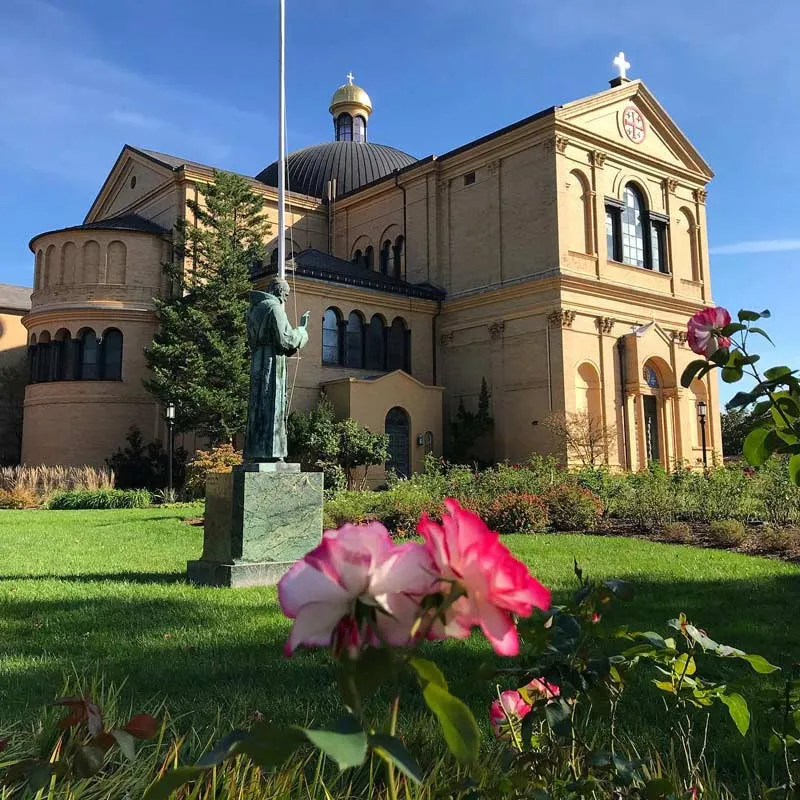
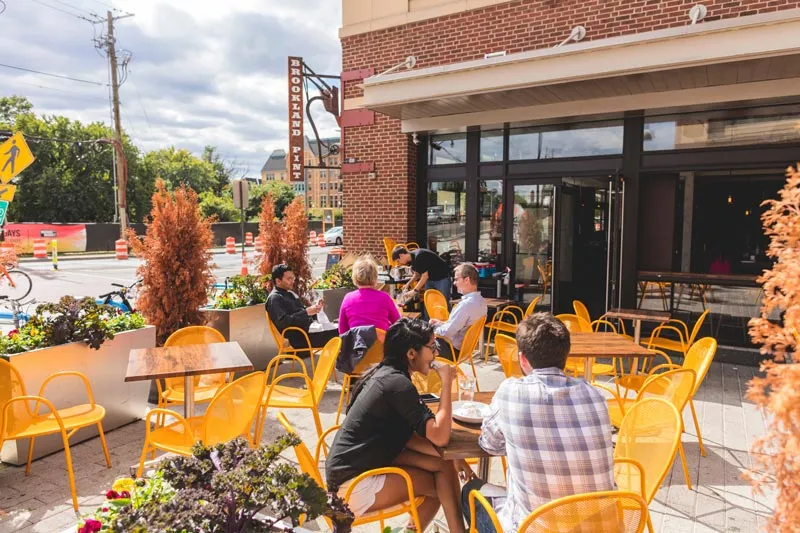
Friar Jason Welle has been living at Brookland’s Franciscan Monastery of the Holy Land in America for five years, working on his dissertation at Georgetown University and ministering to constituents. But the runner and beer fan also finds much to like outside the gates of his adopted home. What do you like most about Brookland? The neighborhood has changed so much in five years. Take the Monroe Street Market, where now we have a Busboys and Poets and Brookland Pint. I’m really surprised by how quickly this has happened. In that sense, people have a new neighborhood to get to know. There’s a bright new face on it. Where do you like to grab a bite? I go to Busboys and Poets for the Southern fusion food. As a new resident, I find that it celebrates DC without the politics. It’s about food, poetry and art. And I like Brookland Pint. A good stout is my go-to meal there! What about the people of the neighborhood? There’s such a fascinating mishmash of people who spend time here, from friars and nuns to Catholic University students and staff. I find them more interesting than the architecture! What about the Arts Walk at Monroe Street Market? Aside from the galleries, one of the gifts of that little area is the possibility for special events. Sometimes there’s a farmers’ market, and there are all sorts of other events. It’s a public space that really brings people together. You are also a runner. Where do you jog in the neighborhood? The challenge in urban running is having to stop for traffic. I take laps around the Catholic University of America. It involves a couple big hills, and I never have to stop. If I make it to Capuchin College at the top of the hill, I make the sign of the cross because I’ve survived! Do you have a favorite part of the monastery? Our gardens out front are very beautiful. Visitors should come back several times a year, because we change the flowers out seasonally. And once a month we have organ recitals on Sunday afternoons. How do you recommend people take in all of the “Little Rome” attractions in one day? It’d be hard to see everything here in one day. But I think first, head to the Basilica of the Shrine of the Immaculate Conception – there are so many special chapels to Mary there, representing cultures from around the world. And I’m proud that the monastery seems like a must-stop on any tour of the neighborhood. It’s quiet up on our hill. I think people find it peaceful. Looking for more? Check out these things to see and do in Brookland.

QA Test Automated cron Article sync 1
As you return to traveling this year, Washington, DC should be at the very top of your list. The nation’s capital offers more than 100 free things to do, but it should come as no surprise that museums are some of the most popular attractions. We’ve gone into deep detail on four of the city’s most popular museums (including one dedicated to living animals), none of which charge admission. Find the latest updates on visiting museums, including Smithsonian's plans to have all of its museums open by the end of August 2021, mask mandates for all indoor museums and the latest ticketing requirements. Book your next vacation to the nation’s capital and visit these only-in-the-District museums, free of charge. In the heart of the nation’s capital lives a portal to wildlife from around the world. Smithsonian’s National Zoo offers a firsthand, family-friendly experience through a 163-acre urban park in the Woodley Park neighborhood teeming with roughly 2,700 animals that represent more than 390 species. The zoo is also connected to the Smithsonian Conservation Biology Institute (a non-public facility located in Front Royal, Va.), a global effort to conserve species and train future conservationists. This focus on preserving endangered animals extends to the zoo, as one-fifth of its exhibited species fall into this category. In the heart of the nation’s capital lives a portal to wildlife from around the world. Smithsonian’s National Zoo offers a firsthand, family-friendly experience through a 163-acre urban park in the Woodley Park neighborhood teeming with roughly 2,700 animals that represent more than 390 species. The zoo is also connected to the Smithsonian Conservation Biology Institute (a non-public facility located in Front Royal, Va.), a global effort to conserve species and train future conservationists. This focus on preserving endangered animals extends to the zoo, as one-fifth of its exhibited species fall into this category. In the heart of the nation’s capital lives a portal to wildlife from around the world. Smithsonian’s National Zoo offers a firsthand, family-friendly experience through a 163-acre urban park in the Woodley Park neighborhood teeming with roughly 2,700 animals that represent more than 390 species. The zoo is also connected to the Smithsonian Conservation Biology Institute (a non-public facility located in Front Royal, Va.), a global effort to conserve species and train future conservationists. This focus on preserving endangered animals extends to the zoo, as one-fifth of its exhibited species fall into this category. In the heart of the nation’s capital lives a portal to wildlife from around the world. Smithsonian’s National Zoo offers a firsthand, family-friendly experience through a 163-acre urban park in the Woodley Park neighborhood teeming with roughly 2,700 animals that represent more than 390 species. The zoo is also connected to the Smithsonian Conservation Biology Institute (a non-public facility located in Front Royal, Va.), a global effort to conserve species and train future conservationists. This focus on preserving endangered animals extends to the zoo, as one-fifth of its exhibited species fall into this category. In the heart of the nation’s capital lives a portal to wildlife from around the world. Smithsonian’s National Zoo offers a firsthand, family-friendly experience through a 163-acre urban park in the Woodley Park neighborhood teeming with roughly 2,700 animals that represent more than 390 species. The zoo is also connected to the Smithsonian Conservation Biology Institute (a non-public facility located in Front Royal, Va.), a global effort to conserve species and train future conservationists. This focus on preserving endangered animals extends to the zoo, as one-fifth of its exhibited species fall into this category. In the heart of the nation’s capital lives a portal to wildlife from around the world. Smithsonian’s National Zoo offers a firsthand, family-friendly experience through a 163-acre urban park in the Woodley Park neighborhood teeming with roughly 2,700 animals that represent more than 390 species. The zoo is also connected to the Smithsonian Conservation Biology Institute (a non-public facility located in Front Royal, Va.), a global effort to conserve species and train future conservationists. This focus on preserving endangered animals extends to the zoo, as one-fifth of its exhibited species fall into this category. In the heart of the nation’s capital lives a portal to wildlife from around the world. Smithsonian’s National Zoo offers a firsthand, family-friendly experience through a 163-acre urban park in the Woodley Park neighborhood teeming with roughly 2,700 animals that represent more than 390 species. The zoo is also connected to the Smithsonian Conservation Biology Institute (a non-public facility located in Front Royal, Va.), a global effort to conserve species and train future conservationists. This focus on preserving endangered animals extends to the zoo, as one-fifth of its exhibited species fall into this category. In the heart of the nation’s capital lives a portal to wildlife from around the world. Smithsonian’s National Zoo offers a firsthand, family-friendly experience through a 163-acre urban park in the Woodley Park neighborhood teeming with roughly 2,700 animals that represent more than 390 species. The zoo is also connected to the Smithsonian Conservation Biology Institute (a non-public facility located in Front Royal, Va.), a global effort to conserve species and train future conservationists. This focus on preserving endangered animals extends to the zoo, as one-fifth of its exhibited species fall into this category. In the heart of the nation’s capital lives a portal to wildlife from around the world. Smithsonian’s National Zoo offers a firsthand, family-friendly experience through a 163-acre urban park in the Woodley Park neighborhood teeming with roughly 2,700 animals that represent more than 390 species. The zoo is also connected to the Smithsonian Conservation Biology Institute (a non-public facility located in Front Royal, Va.), a global effort to conserve species and train future conservationists. This focus on preserving endangered animals extends to the zoo, as one-fifth of its exhibited species fall into this category. In the heart of the nation’s capital lives a portal to wildlife from around the world. Smithsonian’s National Zoo offers a firsthand, family-friendly experience through a 163-acre urban park in the Woodley Park neighborhood teeming with roughly 2,700 animals that represent more than 390 species. The zoo is also connected to the Smithsonian Conservation Biology Institute (a non-public facility located in Front Royal, Va.), a global effort to conserve species and train future conservationists. This focus on preserving endangered animals extends to the zoo, as one-fifth of its exhibited species fall into this category. In the heart of the nation’s capital lives a portal to wildlife from around the world. Smithsonian’s National Zoo offers a firsthand, family-friendly experience through a 163-acre urban park in the Woodley Park neighborhood teeming with roughly 2,700 animals that represent more than 390 species. The zoo is also connected to the Smithsonian Conservation Biology Institute (a non-public facility located in Front Royal, Va.), a global effort to conserve species and train future conservationists. This focus on preserving endangered animals extends to the zoo, as one-fifth of its exhibited species fall into this category. In the heart of the nation’s capital lives a portal to wildlife from around the world. Smithsonian’s National Zoo offers a firsthand, family-friendly experience through a 163-acre urban park in the Woodley Park neighborhood teeming with roughly 2,700 animals that represent more than 390 species. The zoo is also connected to the Smithsonian Conservation Biology Institute (a non-public facility located in Front Royal, Va.), a global effort to conserve species and train future conservationists. This focus on preserving endangered animals extends to the zoo, as one-fifth of its exhibited species fall into this category. In the heart of the nation’s capital lives a portal to wildlife from around the world. Smithsonian’s National Zoo offers a firsthand, family-friendly experience through a 163-acre urban park in the Woodley Park neighborhood teeming with roughly 2,700 animals that represent more than 390 species. The zoo is also connected to the Smithsonian Conservation Biology Institute (a non-public facility located in Front Royal, Va.), a global effort to conserve species and train future conservationists. This focus on preserving endangered animals extends to the zoo, as one-fifth of its exhibited species fall into this category. In the heart of the nation’s capital lives a portal to wildlife from around the world. Smithsonian’s National Zoo offers a firsthand, family-friendly experience through a 163-acre urban park in the Woodley Park neighborhood teeming with roughly 2,700 animals that represent more than 390 species. The zoo is also connected to the Smithsonian Conservation Biology Institute (a non-public facility located in Front Royal, Va.), a global effort to conserve species and train future conservationists. This focus on preserving endangered animals extends to the zoo, as one-fifth of its exhibited species fall into this category. In the heart of the nation’s capital lives a portal to wildlife from around the world. Smithsonian’s National Zoo offers a firsthand, family-friendly experience through a 163-acre urban park in the Woodley Park neighborhood teeming with roughly 2,700 animals that represent more than 390 species. The zoo is also connected to the Smithsonian Conservation Biology Institute (a non-public facility located in Front Royal, Va.), a global effort to conserve species and train future conservationists. This focus on preserving endangered animals extends to the zoo, as one-fifth of its exhibited species fall into this category. In the heart of the nation’s capital lives a portal to wildlife from around the world. Smithsonian’s National Zoo offers a firsthand, family-friendly experience through a 163-acre urban park in the Woodley Park neighborhood teeming with roughly 2,700 animals that represent more than 390 species. The zoo is also connected to the Smithsonian Conservation Biology Institute (a non-public facility located in Front Royal, Va.), a global effort to conserve species and train future conservationists. This focus on preserving endangered animals extends to the zoo, as one-fifth of its exhibited species fall into this category. In the heart of the nation’s capital lives a portal to wildlife from around the world. Smithsonian’s National Zoo offers a firsthand, family-friendly experience through a 163-acre urban park in the Woodley Park neighborhood teeming with roughly 2,700 animals that represent more than 390 species. The zoo is also connected to the Smithsonian Conservation Biology Institute (a non-public facility located in Front Royal, Va.), a global effort to conserve species and train future conservationists. This focus on preserving endangered animals extends to the zoo, as one-fifth of its exhibited species fall into this category. In the heart of the nation’s capital lives a portal to wildlife from around the world. Smithsonian’s National Zoo offers a firsthand, family-friendly experience through a 163-acre urban park in the Woodley Park neighborhood teeming with roughly 2,700 animals that represent more than 390 species. The zoo is also connected to the Smithsonian Conservation Biology Institute (a non-public facility located in Front Royal, Va.), a global effort to conserve species and train future conservationists. This focus on preserving endangered animals extends to the zoo, as one-fifth of its exhibited species fall into this category. In the heart of the nation’s capital lives a portal to wildlife from around the world. Smithsonian’s National Zoo offers a firsthand, family-friendly experience through a 163-acre urban park in the Woodley Park neighborhood teeming with roughly 2,700 animals that represent more than 390 species. The zoo is also connected to the Smithsonian Conservation Biology Institute (a non-public facility located in Front Royal, Va.), a global effort to conserve species and train future conservationists. This focus on preserving endangered animals extends to the zoo, as one-fifth of its exhibited species fall into this category. In the heart of the nation’s capital lives a portal to wildlife from around the world. Smithsonian’s National Zoo offers a firsthand, family-friendly experience through a 163-acre urban park in the Woodley Park neighborhood teeming with roughly 2,700 animals that represent more than 390 species. The zoo is also connected to the Smithsonian Conservation Biology Institute (a non-public facility located in Front Royal, Va.), a global effort to conserve species and train future conservationists. This focus on preserving endangered animals extends to the zoo, as one-fifth of its exhibited species fall into this category. In the heart of the nation’s capital lives a portal to wildlife from around the world. Smithsonian’s National Zoo offers a firsthand, family-friendly experience through a 163-acre urban park in the Woodley Park neighborhood teeming with roughly 2,700 animals that represent more than 390 species. The zoo is also connected to the Smithsonian Conservation Biology Institute (a non-public facility located in Front Royal, Va.), a global effort to conserve species and train future conservationists. This focus on preserving endangered animals extends to the zoo, as one-fifth of its exhibited species fall into this category. In the heart of the nation’s capital lives a portal to wildlife from around the world. Smithsonian’s National Zoo offers a firsthand, family-friendly experience through a 163-acre urban park in the Woodley Park neighborhood teeming with roughly 2,700 animals that represent more than 390 species. The zoo is also connected to the Smithsonian Conservation Biology Institute (a non-public facility located in Front Royal, Va.), a global effort to conserve species and train future conservationists. This focus on preserving endangered animals extends to the zoo, as one-fifth of its exhibited species fall into this category. In the heart of the nation’s capital lives a portal to wildlife from around the world. Smithsonian’s National Zoo offers a firsthand, family-friendly experience through a 163-acre urban park in the Woodley Park neighborhood teeming with roughly 2,700 animals that represent more than 390 species. The zoo is also connected to the Smithsonian Conservation Biology Institute (a non-public facility located in Front Royal, Va.), a global effort to conserve species and train future conservationists. This focus on preserving endangered animals extends to the zoo, as one-fifth of its exhibited species fall into this category.
Visiting the Basilica of the National Shrine of the Immaculate Conception
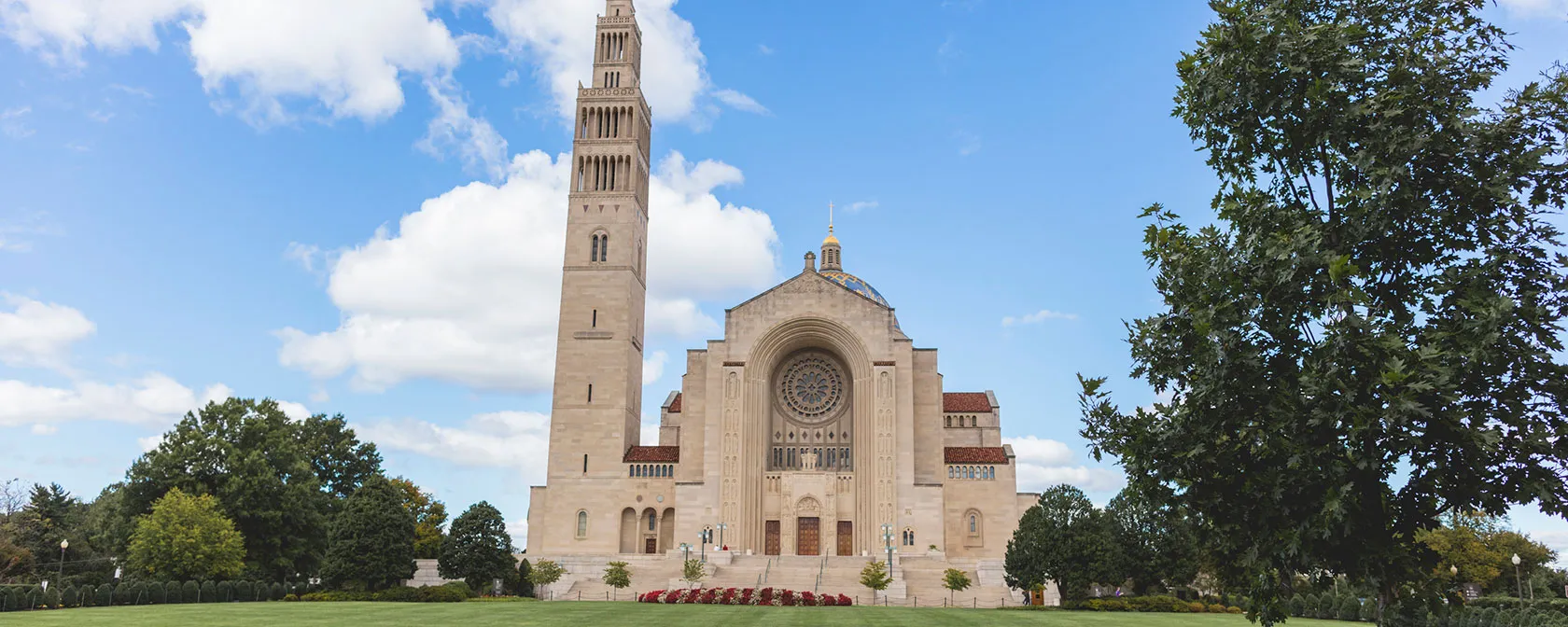
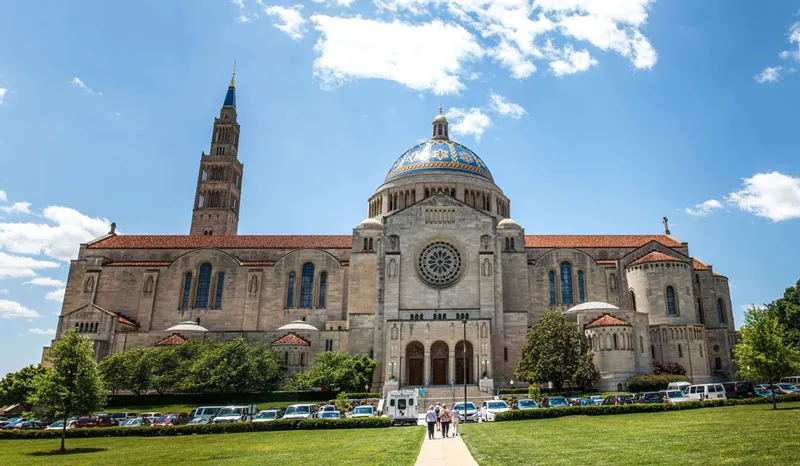
Mother Teresa, Pope Francis, Pope John Paul II and other religious figures have visited the National Shrine of the Immaculate Conception, paying tribute at the largest Roman Catholic Church in North America, and the 10th largest in the world. With its dozens of chapels devoted to the Virgin Mary, an upper church that can accommodate 10,000 worshippers and soaring central dome, it’s a site inspiring both faith and awe. The Basilica's Architecture Construction began on the shrine in 1920, and continued through 1959. Built to resemble great European churches, but in a distinctive neo-Byzantine style, the structure is supported by columns and masonry but no steel beams. The impressive, jumbo-sized structure holds 70 chapels saluting the Virgin Mary, making it one of the country’s most prominent Maronite houses of worship. Chapels surrounding the upper church and the crypt pay tribute to incarnations of Mary from a variety of cultures, many of them representing the immigrants that made America. Look for a serene sculpture of India’s Our Lady of Fatima and a bright mosaic representing South America’s Our Lady of Guadalupe. Other Byzantine-style mosaics decorate many of the chapels, domes and walls. The largest and most striking is Christ in Majesty, a 3,610 square foot image image of Jesus in red and gold located in the North Apse. On the crypt level, you’ll find more chapels and a small museum holding papal artifacts including Pope Paul VI’s Coronation Tiara and a golden rose that Pope Benedict XVI bestowed on the Shrine when he visited in 2008. Throughout the Basilica, you’ll glimpse the world’s largest collection of contemporary ecclesiastical art including statues, paintings and other mosaics. Visiting the Basilica The Basilica is open 365 days a year, hosting nearly one million visitors every year. It offers masses and confessions daily as well as guided tours. Sundays at 6 p.m. in July and August there are free concerts on the twin M.P. Möller organs in the Upper Church. On the crypt level, a gift shop, a bookstore and a cafeteria also cater to visitors. Discover the best things to do in the Brookland neighborhood or check out the city’s other famous church, the Washington National Cathedral.