
All Articles


QA Test Automated cron Article sync 1
As you return to traveling this year, Washington, DC should be at the very top of your list. The nation’s capital offers more than 100 free things to do, but it should come as no surprise that museums are some of the most popular attractions. We’ve gone into deep detail on four of the city’s most popular museums (including one dedicated to living animals), none of which charge admission. Find the latest updates on visiting museums, including Smithsonian's plans to have all of its museums open by the end of August 2021, mask mandates for all indoor museums and the latest ticketing requirements. Book your next vacation to the nation’s capital and visit these only-in-the-District museums, free of charge. In the heart of the nation’s capital lives a portal to wildlife from around the world. Smithsonian’s National Zoo offers a firsthand, family-friendly experience through a 163-acre urban park in the Woodley Park neighborhood teeming with roughly 2,700 animals that represent more than 390 species. The zoo is also connected to the Smithsonian Conservation Biology Institute (a non-public facility located in Front Royal, Va.), a global effort to conserve species and train future conservationists. This focus on preserving endangered animals extends to the zoo, as one-fifth of its exhibited species fall into this category. In the heart of the nation’s capital lives a portal to wildlife from around the world. Smithsonian’s National Zoo offers a firsthand, family-friendly experience through a 163-acre urban park in the Woodley Park neighborhood teeming with roughly 2,700 animals that represent more than 390 species. The zoo is also connected to the Smithsonian Conservation Biology Institute (a non-public facility located in Front Royal, Va.), a global effort to conserve species and train future conservationists. This focus on preserving endangered animals extends to the zoo, as one-fifth of its exhibited species fall into this category. In the heart of the nation’s capital lives a portal to wildlife from around the world. Smithsonian’s National Zoo offers a firsthand, family-friendly experience through a 163-acre urban park in the Woodley Park neighborhood teeming with roughly 2,700 animals that represent more than 390 species. The zoo is also connected to the Smithsonian Conservation Biology Institute (a non-public facility located in Front Royal, Va.), a global effort to conserve species and train future conservationists. This focus on preserving endangered animals extends to the zoo, as one-fifth of its exhibited species fall into this category. In the heart of the nation’s capital lives a portal to wildlife from around the world. Smithsonian’s National Zoo offers a firsthand, family-friendly experience through a 163-acre urban park in the Woodley Park neighborhood teeming with roughly 2,700 animals that represent more than 390 species. The zoo is also connected to the Smithsonian Conservation Biology Institute (a non-public facility located in Front Royal, Va.), a global effort to conserve species and train future conservationists. This focus on preserving endangered animals extends to the zoo, as one-fifth of its exhibited species fall into this category. In the heart of the nation’s capital lives a portal to wildlife from around the world. Smithsonian’s National Zoo offers a firsthand, family-friendly experience through a 163-acre urban park in the Woodley Park neighborhood teeming with roughly 2,700 animals that represent more than 390 species. The zoo is also connected to the Smithsonian Conservation Biology Institute (a non-public facility located in Front Royal, Va.), a global effort to conserve species and train future conservationists. This focus on preserving endangered animals extends to the zoo, as one-fifth of its exhibited species fall into this category. In the heart of the nation’s capital lives a portal to wildlife from around the world. Smithsonian’s National Zoo offers a firsthand, family-friendly experience through a 163-acre urban park in the Woodley Park neighborhood teeming with roughly 2,700 animals that represent more than 390 species. The zoo is also connected to the Smithsonian Conservation Biology Institute (a non-public facility located in Front Royal, Va.), a global effort to conserve species and train future conservationists. This focus on preserving endangered animals extends to the zoo, as one-fifth of its exhibited species fall into this category. In the heart of the nation’s capital lives a portal to wildlife from around the world. Smithsonian’s National Zoo offers a firsthand, family-friendly experience through a 163-acre urban park in the Woodley Park neighborhood teeming with roughly 2,700 animals that represent more than 390 species. The zoo is also connected to the Smithsonian Conservation Biology Institute (a non-public facility located in Front Royal, Va.), a global effort to conserve species and train future conservationists. This focus on preserving endangered animals extends to the zoo, as one-fifth of its exhibited species fall into this category. In the heart of the nation’s capital lives a portal to wildlife from around the world. Smithsonian’s National Zoo offers a firsthand, family-friendly experience through a 163-acre urban park in the Woodley Park neighborhood teeming with roughly 2,700 animals that represent more than 390 species. The zoo is also connected to the Smithsonian Conservation Biology Institute (a non-public facility located in Front Royal, Va.), a global effort to conserve species and train future conservationists. This focus on preserving endangered animals extends to the zoo, as one-fifth of its exhibited species fall into this category. In the heart of the nation’s capital lives a portal to wildlife from around the world. Smithsonian’s National Zoo offers a firsthand, family-friendly experience through a 163-acre urban park in the Woodley Park neighborhood teeming with roughly 2,700 animals that represent more than 390 species. The zoo is also connected to the Smithsonian Conservation Biology Institute (a non-public facility located in Front Royal, Va.), a global effort to conserve species and train future conservationists. This focus on preserving endangered animals extends to the zoo, as one-fifth of its exhibited species fall into this category. In the heart of the nation’s capital lives a portal to wildlife from around the world. Smithsonian’s National Zoo offers a firsthand, family-friendly experience through a 163-acre urban park in the Woodley Park neighborhood teeming with roughly 2,700 animals that represent more than 390 species. The zoo is also connected to the Smithsonian Conservation Biology Institute (a non-public facility located in Front Royal, Va.), a global effort to conserve species and train future conservationists. This focus on preserving endangered animals extends to the zoo, as one-fifth of its exhibited species fall into this category. In the heart of the nation’s capital lives a portal to wildlife from around the world. Smithsonian’s National Zoo offers a firsthand, family-friendly experience through a 163-acre urban park in the Woodley Park neighborhood teeming with roughly 2,700 animals that represent more than 390 species. The zoo is also connected to the Smithsonian Conservation Biology Institute (a non-public facility located in Front Royal, Va.), a global effort to conserve species and train future conservationists. This focus on preserving endangered animals extends to the zoo, as one-fifth of its exhibited species fall into this category. In the heart of the nation’s capital lives a portal to wildlife from around the world. Smithsonian’s National Zoo offers a firsthand, family-friendly experience through a 163-acre urban park in the Woodley Park neighborhood teeming with roughly 2,700 animals that represent more than 390 species. The zoo is also connected to the Smithsonian Conservation Biology Institute (a non-public facility located in Front Royal, Va.), a global effort to conserve species and train future conservationists. This focus on preserving endangered animals extends to the zoo, as one-fifth of its exhibited species fall into this category. In the heart of the nation’s capital lives a portal to wildlife from around the world. Smithsonian’s National Zoo offers a firsthand, family-friendly experience through a 163-acre urban park in the Woodley Park neighborhood teeming with roughly 2,700 animals that represent more than 390 species. The zoo is also connected to the Smithsonian Conservation Biology Institute (a non-public facility located in Front Royal, Va.), a global effort to conserve species and train future conservationists. This focus on preserving endangered animals extends to the zoo, as one-fifth of its exhibited species fall into this category. In the heart of the nation’s capital lives a portal to wildlife from around the world. Smithsonian’s National Zoo offers a firsthand, family-friendly experience through a 163-acre urban park in the Woodley Park neighborhood teeming with roughly 2,700 animals that represent more than 390 species. The zoo is also connected to the Smithsonian Conservation Biology Institute (a non-public facility located in Front Royal, Va.), a global effort to conserve species and train future conservationists. This focus on preserving endangered animals extends to the zoo, as one-fifth of its exhibited species fall into this category. In the heart of the nation’s capital lives a portal to wildlife from around the world. Smithsonian’s National Zoo offers a firsthand, family-friendly experience through a 163-acre urban park in the Woodley Park neighborhood teeming with roughly 2,700 animals that represent more than 390 species. The zoo is also connected to the Smithsonian Conservation Biology Institute (a non-public facility located in Front Royal, Va.), a global effort to conserve species and train future conservationists. This focus on preserving endangered animals extends to the zoo, as one-fifth of its exhibited species fall into this category. In the heart of the nation’s capital lives a portal to wildlife from around the world. Smithsonian’s National Zoo offers a firsthand, family-friendly experience through a 163-acre urban park in the Woodley Park neighborhood teeming with roughly 2,700 animals that represent more than 390 species. The zoo is also connected to the Smithsonian Conservation Biology Institute (a non-public facility located in Front Royal, Va.), a global effort to conserve species and train future conservationists. This focus on preserving endangered animals extends to the zoo, as one-fifth of its exhibited species fall into this category. In the heart of the nation’s capital lives a portal to wildlife from around the world. Smithsonian’s National Zoo offers a firsthand, family-friendly experience through a 163-acre urban park in the Woodley Park neighborhood teeming with roughly 2,700 animals that represent more than 390 species. The zoo is also connected to the Smithsonian Conservation Biology Institute (a non-public facility located in Front Royal, Va.), a global effort to conserve species and train future conservationists. This focus on preserving endangered animals extends to the zoo, as one-fifth of its exhibited species fall into this category. In the heart of the nation’s capital lives a portal to wildlife from around the world. Smithsonian’s National Zoo offers a firsthand, family-friendly experience through a 163-acre urban park in the Woodley Park neighborhood teeming with roughly 2,700 animals that represent more than 390 species. The zoo is also connected to the Smithsonian Conservation Biology Institute (a non-public facility located in Front Royal, Va.), a global effort to conserve species and train future conservationists. This focus on preserving endangered animals extends to the zoo, as one-fifth of its exhibited species fall into this category. In the heart of the nation’s capital lives a portal to wildlife from around the world. Smithsonian’s National Zoo offers a firsthand, family-friendly experience through a 163-acre urban park in the Woodley Park neighborhood teeming with roughly 2,700 animals that represent more than 390 species. The zoo is also connected to the Smithsonian Conservation Biology Institute (a non-public facility located in Front Royal, Va.), a global effort to conserve species and train future conservationists. This focus on preserving endangered animals extends to the zoo, as one-fifth of its exhibited species fall into this category. In the heart of the nation’s capital lives a portal to wildlife from around the world. Smithsonian’s National Zoo offers a firsthand, family-friendly experience through a 163-acre urban park in the Woodley Park neighborhood teeming with roughly 2,700 animals that represent more than 390 species. The zoo is also connected to the Smithsonian Conservation Biology Institute (a non-public facility located in Front Royal, Va.), a global effort to conserve species and train future conservationists. This focus on preserving endangered animals extends to the zoo, as one-fifth of its exhibited species fall into this category. In the heart of the nation’s capital lives a portal to wildlife from around the world. Smithsonian’s National Zoo offers a firsthand, family-friendly experience through a 163-acre urban park in the Woodley Park neighborhood teeming with roughly 2,700 animals that represent more than 390 species. The zoo is also connected to the Smithsonian Conservation Biology Institute (a non-public facility located in Front Royal, Va.), a global effort to conserve species and train future conservationists. This focus on preserving endangered animals extends to the zoo, as one-fifth of its exhibited species fall into this category. In the heart of the nation’s capital lives a portal to wildlife from around the world. Smithsonian’s National Zoo offers a firsthand, family-friendly experience through a 163-acre urban park in the Woodley Park neighborhood teeming with roughly 2,700 animals that represent more than 390 species. The zoo is also connected to the Smithsonian Conservation Biology Institute (a non-public facility located in Front Royal, Va.), a global effort to conserve species and train future conservationists. This focus on preserving endangered animals extends to the zoo, as one-fifth of its exhibited species fall into this category. In the heart of the nation’s capital lives a portal to wildlife from around the world. Smithsonian’s National Zoo offers a firsthand, family-friendly experience through a 163-acre urban park in the Woodley Park neighborhood teeming with roughly 2,700 animals that represent more than 390 species. The zoo is also connected to the Smithsonian Conservation Biology Institute (a non-public facility located in Front Royal, Va.), a global effort to conserve species and train future conservationists. This focus on preserving endangered animals extends to the zoo, as one-fifth of its exhibited species fall into this category.

Visiting the National Museum of Women in the Arts in Washington, DC
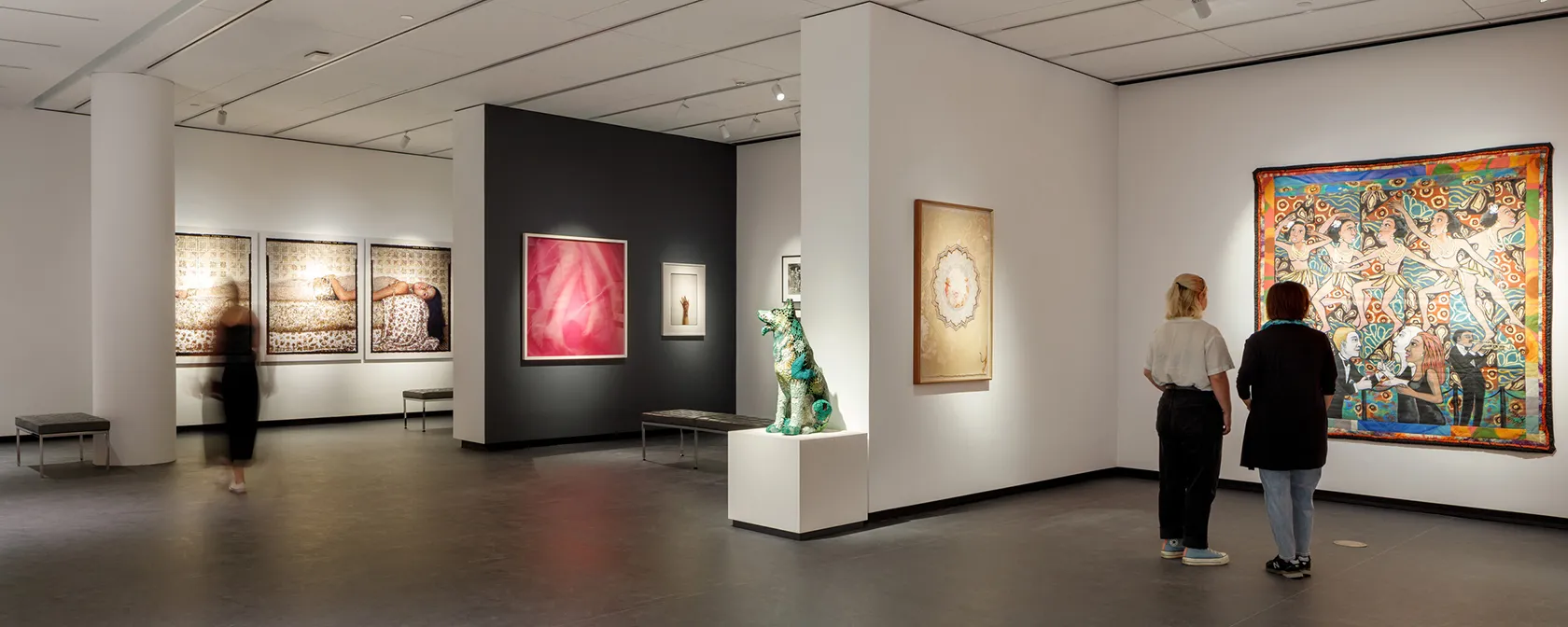
What and where is the National Museum of Women in the Arts? The National Museum of Women in the Arts (NMWA) is located at 1250 New York Avenue NW in DC's Downtown neighbohood. Founded in 1981 and opened in 1987, NMWA is the only major museum on the planet solely dedicated to celebrating the diverse achievements of women artists. The museum’s collection includes more than 6,000 works dating from the 16th century to the present. The museum is open every day of the year except for Thanksgiving, Christmas Day and New Year’s Day. Hours are Tuesday – Sunday, 10 a.m. – 5 p.m. Patrons under the age of 21 enter for free. Admission for adults is $16, while visitors ages 70 and over and DC residents pay $13. Become a member with NMWA and you can enter for free. The easiest way to get there is via Metrorail or Metrobus. The closest Metro stop is the Metro Center station on the Red, Blue, Orange and Silver lines. Numerous Metrobus routes, including the 80, G8, S2, S4, X2, 68 and 42 will take you to the corner of H and 13th Streets, a short walk from the museum. The facility is handicap-accessible. What’s inside the National Museum of Women in the Arts? A recent renovation has only added and enhanced the wonderful offerings at this only-in-DC museum. Enlarged gallery spaces make for more art, both in quantity and variety. A studio workshop has been added, where visitors can learn and create their own art. There's also a beautiful new performance hall and a brand new exhibit entitled The Sky's the Limit, which features hanging sculptures on the second floor thanks to a newly reinforced ceiling. In total, 40% of the 6,000 works now on display at the museum are making their debut. The powerful contributions that women have made to the art world can be surveyed inside NMWA. The collection spans hundreds of years, encompassing numerous eras and seminal artists. NMWA has organized the collections by theme, letting visitors observe how certain ideas and modes of art have been in dialogue with each other across centuries. Your journey will feature still-life paintings from the 1600s and cutting-edge photography from the 2000s. You’ll be able to observe the stunning detail of a portrait by Élisabeth Vigée Le Brun, the intimacy of a print made by Mary Cassatt, the abstract beauty of a sculpture by Judy Chicago and Frida Kahlo's Self-Portrait Dedicated to Leon Trotsky, with the social, cultural and political revolutions that women forged to make their voices heard serving as vital context throughout. Additional highlights include They Call Me Redbone but I’d Rather Be Strawberry Shortcake by Amy Sherald, the artist responsible for the new Michelle Obama portrait at the National Portrait Gallery, whose distinct style is evident in both pieces. There’s Sonya Clark’s transcendent Afro Abe II, a U.S. five-dollar bill featuring the 16th president outfitted with the hairstyle found in the title. Locals will love a view of Rainy Night, Downtown by Georgia Mills Jessup, an interpretation of a DC street with gorgeous contrasts and shapes. Of course, NMWA frequently offers exciting exhibits that hone in on a particular artist or theme, including its Women to Watch series. Visit the museum’s website to see what’s currently on display and what’s upcoming. To see what’s going on during your visit, check out the NMWA events calendar, plus you can experience programs and exhibitions online through NMWA at home. One recurring event to keep in mind: Free Community Day, which occurs on the first and third Sundays of each month through November and allows free admission to the museum all day with a timed ticket. The museum's reopened Mezzanine Café, which is operated by Little Food Studio (a local, woman-owned establishment), offers a selection of sandwiches, salads, snacks and pastries along with refreshing hot and cold beverages including juices, coffee, tea and sodas. Browse NMWA’s awesome online gift shop, which offers books, accessories, home goods and more.
Where to Shop at CityCenterDC
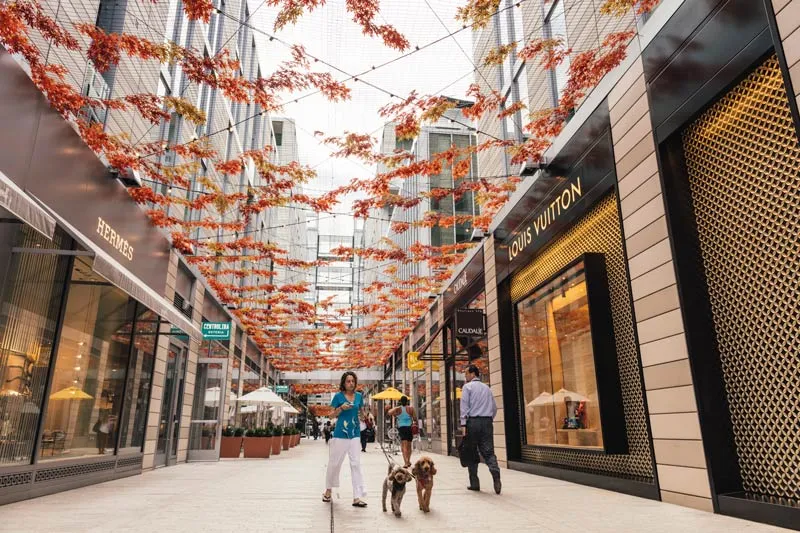
Fashionistas rejoice! CityCenterDC—an expansive, mixed-use development boasting boutique after boutique beckoning shoppers— has made Downtown DC the place to be when it comes to haute couture. Whether you want to go on a shopping spree Pretty Woman-style or simply browse the latest looks, CityCenterDC welcomes locals and out-of-town fashion fans alike. A luxury shopping experience The retail destination takes up several city blocks and features shops like Jo Malone London, Chanel, Hermes, Dior, Gucci, Louis Vuitton, Salvatore Ferragamo, Tiffany, Bulgari, Arc'Teryx and more. CityCenterDC's network of breezeways makes it easy to go from shop to shop on foot (and stop in for a sweet retail refuel at places like Piccolina or Dolcezza Gelato & Coffee). In addition to women’s and men’s clothing boutiques, CityCenterDC also features sleek jewelry at David Yurman and other accessories for the luxury globetrotter at brands like Longchamp and Tumi. Refuel on your shopping route CityCenterDC's dining options provide plenty of perfect ways to cap any kind of shopping day, from a happy hour stop at Fig & Olive or Centrolina to a celebratory dinner at Seven Reasons or Del Frisco's Double Eagle Steakhouse. Throughout the year, but especially in the warmer months, you’ll find DC locals and convention-goers catching up with friends in the courtyard or dining al fresco. Fashion forward events CityCenterDC’s breezeways and open courtyard make it a great place for fun (and free!) events. The destination sponsors a number of free events throughout the year, including outdoor exercise classes, evening concerts, dance shows and a tree lighting during the holiday season. For the most up-to-date events, check CityCenterDC’s online calendar. FRESHFARM at CityCenter Located in the Park at CityCenter, this lunchtime market is open on Tuesdays through October. Several of the local businesses feature fresh, local produce, but many also offer an excellent lunch on the go. Whether you’re dipping out of a convention or looking for a snack while you shop, this FRESHFARM favorite features delicious and fresh prepared food, from wood-fired pizza to falafel wraps. Finding the fashion Located near the Walter E. Washington Convention Center and the Conrad and Marriott Marquis, CityCenterDC is easy to find. The sleek white exterior is accessible by two nearby Metro stops, Mount Vernon Square/7th St-Convention Center (Yellow and Green lines) and Gallery Place-Chinatown (Yellow, Green and Red lines). The DC Circulator’s Georgetown-Union Station route also stops in front of the development at New York Avenue and 9th Street. There is a parking garage directly underneath CityCenterDC and most restaurants offer valet. CityCenterDC’s boundaries are New York Avenue NW, 9th Street NW, H Street NW and 11th Street NW. Shop 'til you drop at other locations in the District.