All Articles
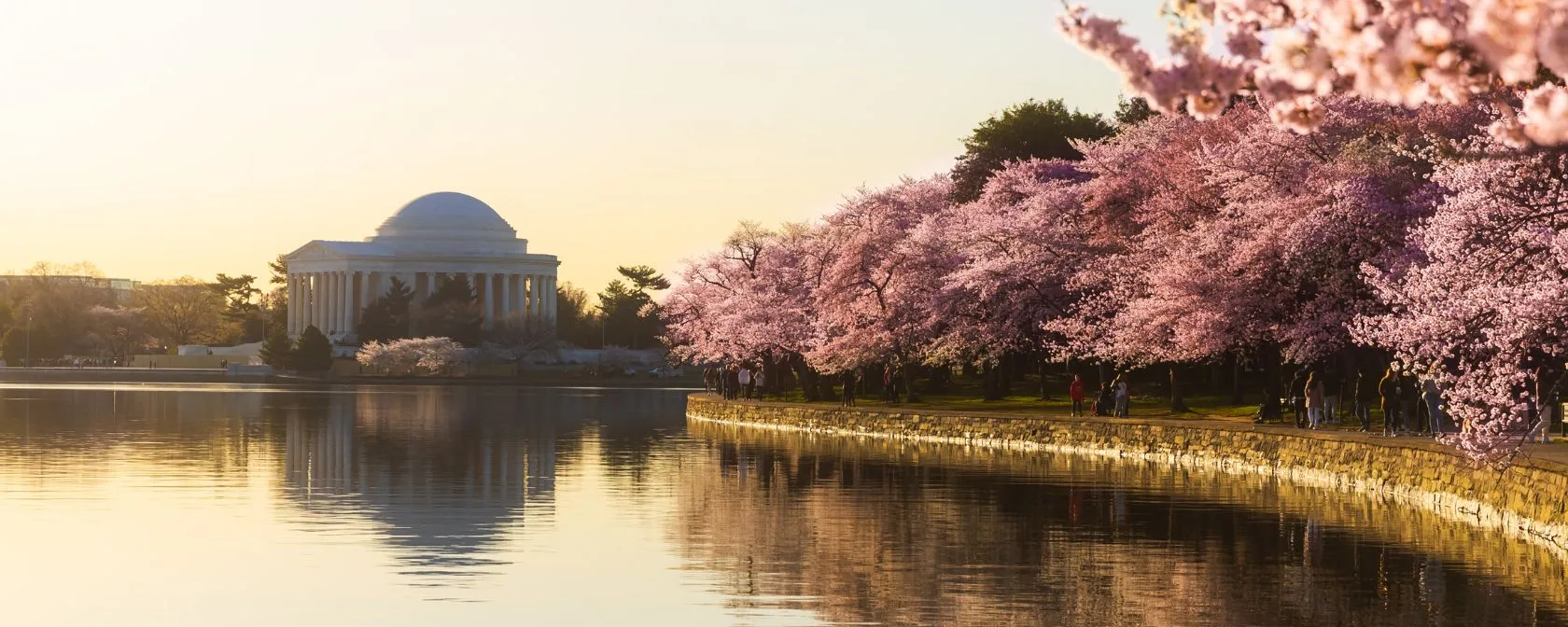
Guide to the National Cherry Blossom Festival in Washington, DC
Nothing signifies the arrival of spring in the nation's capital quite like the blooming of the cherry blossom trees and the National Cherry Blossom Festival to celebrate the occasion. Visitors descend upon Washington, DC each year to admire the 3,000-plus trees. The Festival is full of events that honor American and Japanese cultures and represents a close bond forged between the two countries that began with Tokyo Mayor Yukio Ozaki’s gift of the trees back in 1912. Speaking of trees: you can assist in the effort to preserve and protect DC's iconic cherry trees through the Trust for the National Mall's Adopt a Cherry Tree campaign. The National Park Service offers the latest information regarding peak bloom date predictions. The National Cherry Blossom Festival offers an array of celebratory events that feature local businesses and provide a riveting showcase for Japanese culture. For those who wish to celebrate from afar, enthusiasts can see the cherry blossoms via the live BloomCam. Tell me more about DC's cherry blossoms and peak bloom Peak bloom is the magical period when visitors can see the cherry blossoms in full bloom. The peak bloom dates are defined as the days when 70 percent of the trees surrounding the Tidal Basin have opened their buds, creating an unforgettable sea of pink and white. The National Park Service (NPS) is responsible for measuring the growth of the buds of the trees and provides a prediction of when peak bloom will arrive each year. On average, peak bloom occurs between the last week of March and the first week of April, but the date changes year-to-year. For instance, 2024’s peak bloom occurred on March 17 due to early warm weather, while 2018's bloom did not happen until April 5 due to a cold winter. The blooming period, when 20 percent of the blossoms are open before the petals and leaves fall, can last up to 14 days, depending on weather conditions. Just remember that "forecasting peak bloom is almost impossible more than 10 days in advance," according to NPS. The best viewing of the cherry blossom trees typically lasts four to seven days after peak bloom begins, but the blossoms can last for up to two weeks under ideal conditions. For more tips to help plan your visit, make sure to check out our list of things you need to know about the National Cherry Blossom Festival. Please do your part in helping to protect the National Mall and the cherry blossoms. We kindly remind you to enjoy the blossoms, but never pick them (it’s against the law). More about the National Cherry Blossom Festival The National Cherry Blossom Festival isn't just a celebration of the blossoms—it's a four-week-long cultural festival held across the city. Components of the Festival include the Opening Ceremony, Art in Bloom, the Blossom Kite Festival, Petalpalooza, the annual Parade, Sakura Matsuri - Japanese Street Festival and the annual Pink Tie Party fundraiser. How do I get to the cherry blossom trees surrounding the Tidal Basin? There are many great ways to get to the stunning cherry blossom trees surrounding the Tidal Basin. The DC Circulator's National Mall route makes stops directly on the Tidal Basin at the Jefferson and Martin Luther King, Jr. memorials, as well as other popular sites near the cherry blossoms. If you're taking the Metro, use the Blue, Orange or Silver lines and exit at the Smithsonian Metro stop. From there, it’s a 10-15 minute walk to the Tidal Basin Welcome Area, located at 1501 Maine Avenue SW. Via Metrobus, the 32 and 36 routes will drop you at the National Mall, near the Washington Monument. A 10-minute walk south will bring you to the Tidal Basin Welcome Area & ANA Stage. For more information about getting to the blossoms, check out our guide to reaching the most-popular cherry blossom spots in DC, as well as less-populated areas for blossom revelry. Where can I stay during the National Cherry Blossom Festival? Celebrate springtime by checking out these National Cherry Blossom Festival partner hotels as well as spring packages, deals and discounts at some of the city's best places to stay. In addition to these hotel packages, many DC-area hotels offer special cherry blossom-themed deals and discounts, which may include a free spring-inspired cocktail, chocolates, meals or more. Make sure to check out all the places to stay in Washington, DC. Fun facts about Washington, DC’s cherry blossoms The first donation of 2,000 trees, received in 1910, was burned on orders from President William Howard Taft. Insects and disease had infested the gift, but after hearing about the plight of the first batch, the Japanese mayor sent another 3,020 trees to DC two years later. First Lady Helen Herron Taft planted the first tree in West Potomac Park. Many First Ladies, including Mamie Eisenhower, Lady Bird Johnson, Hillary Clinton and Laura Bush, have officially commemorated the blossoms. On March 27, 2012, Michelle Obama took up the cause by planting a cherry tree to mark the centennial of the blossoms. One of the earliest recorded peak blooms occurred on March 15, 1990, while the latest recorded peak bloom occurred on April 18, 1958. The majority of the cherry blossom trees around the Tidal Basin are of the Yoshino variety. But another species, the Kwanzan, usually blooms two weeks after the Yoshino trees, giving visitors a second chance to catch the blossoms.
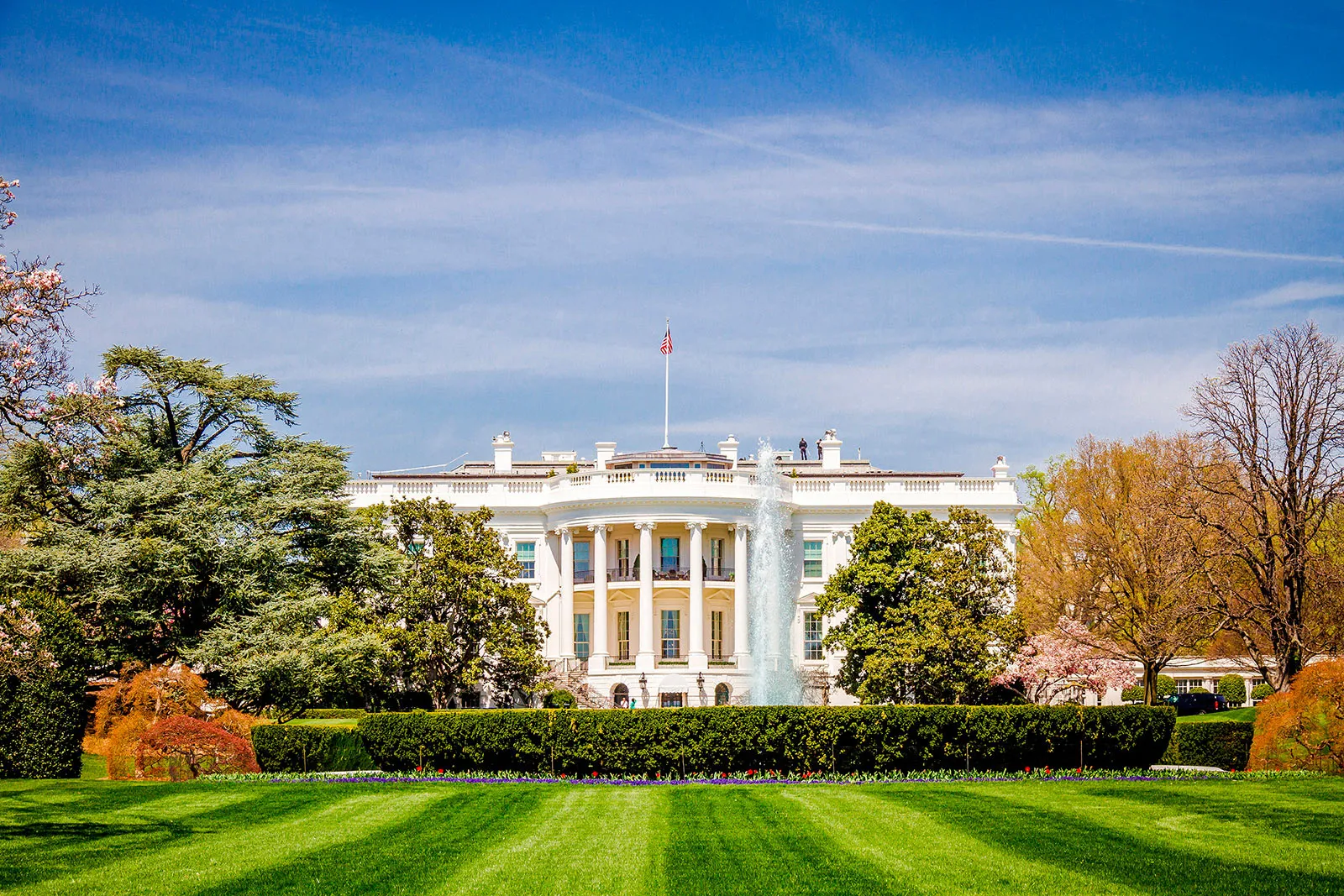
How Can I Tour the White House in Washington, DC?
Requesting a White House tour Touring the White House requires some advance planning. Public tour requests must be made through your member of Congress (find your member of Congress and contact information) and submitted up to three months in advance and no less than 21 days prior to your visit. If you're an international visitor and wish to schedule a tour, please contact your home country’s embassy in Washington, DC. You are encouraged to submit your tour request as early as possible as tours fill up quickly and a limited number of spaces are available. Tours are filled on a first-come, first-served basis. All White House tours are free. Please note tours are subject to last-minute cancellations based on the official White House schedule. Public, self-guided tours are 45 minutes and are run between 8 a.m. and 12:30 p.m., Tuesdays through Saturdays unless otherwise noted. For complete details on White House tours, visit the White House tours and events page or call the White House Visitors Office 24-hour information line at (202) 456-7041. The White House is located at 1600 Pennsylvania Avenue NW. What to expect on a White House tour If there is a tour slot available during your visit to DC, you will be given a specific date and time to arrive and be instructed on where to check in. All guests over 18 years old will be required to present a valid, government-issued photo ID upon check-in. Foreign nationals must present their passport. Please bring as little as possible (avoid backpacks, food, large handbags, bottled water, etc.). Note that smartphones and compact cameras with a lens no longer than 3 inches are permitted on the public tour route, but video recording devices and flash photography are not allowed inside the White House. Visitors will go through security prior to entering the White House. There are no restrooms available at the White House. The closest restroom is located at the Ellipse Visitor Pavilion nearby. Public tours of the White House include the public rooms in the East Wing, which includes the Blue Room, Red Room and Green Room; the State Dining Room; the China Room; and a view of the White House Rose Garden. Secret Service members are stationed in each room and are available to answer questions about the history and architecture of each room. You can also visit the White House Visitor Center before or after your tour. How to get to the White House The closest Metro stations to the White House are Federal Triangle (Blue and Orange lines), Metro Center (Blue, Orange and Red lines) and McPherson Square (Blue and Orange lines). Please note there is NO PARKING near the White House. Public transportation is strongly encouraged. How to tour the White House Garden Another opportunity to visit the White House is to attend either its fall or spring garden tour. Check whitehouse.gov in early October and April. The announcement of the garden tours is usually made within a week or two of when they take place. Garden tours generally run for two consecutive days. They may be canceled due to poor weather. A ticket is required for all attendees (including small children). Usually, tickets are distributed by the National Park Service at the Ellipse Visitor Pavilion on 15th and E streets NW on each tour day beginning at 9 a.m. Review the announcement for specific details. Will I still be able to see the White House without going on a tour? While visitors are not allowed entry to the White House without requesting a tour through your congressional representative, you will still be able to see the White House from Pennsylvania Avenue NW at Lafayette Square and view the White House and the South Lawn from the Ellipse. Please note that a new fence is currently under construction at the White House, as the current 6-foot fence is being replaced by a stronger, wider fence that will be 13 feet. Where can I store my belongings during the tour? It is important to note that security at the White House is extremely high. If your hotel is nearby, we suggest leaving your belongings in your room during the tour. If this is not possible, there are a few other options. You can designate one member of your tour group to hold everyone’s belongings. That person can take the self-guided tour once his or her group has finished the tour. If you're a ticketed Amtrak customer, you may be able to check luggage in advance at Union Station. These are located near Gate A. Lockers are available from 6 a.m. to 10 p.m. daily. A photo ID is required and lockers must be paid for via cash or credit in advance. Rates are $3-$6 per hour per bag depending on the size of your bag. For questions on bag storage, please call 202-906-3000. Catch up on White House history with the free podcast The 1600 Sessions and enhance your trip with the White House Experience app from the White House Historical Association. The app offers three tour experiences, including a virtual tour of the White House (with rooms you normally don't see on the tour), a neighborhood walking tour and a room-by-room guide for visitors on an in-person tour of the White House. Now that you have read up on the White House, explore DC’s other awesome monuments and memorials.