
All Articles
International Visitor Information
Pre-Travel What are the passport & visa requirements? All persons, including U.S. citizens, traveling by air between the United States and Canada, Mexico, Central and South America, the Caribbean, and Bermuda are required to present a valid passport, Air NEXUS card, or U.S. Coast Guard Merchant Mariner Document, or an Alien Registration Card, Form I-551, if applicable. International visitors who need a visa to travel to the U.S. can utilize the U.S. Department of State’s Visa Wizard tool to learn what documentation is required and how to obtain it. Do I need to fill out an ESTA application for visa-free travel? Yes, all eligible international travelers who wish to travel to the United States under the Visa Waiver Program must apply for authorization. Note: Anyone assisting international clients coming to the United States should be aware of a significant number of Internet scams involving the new ESTA (Electronic System for Travel Authorization) procedures. Clients should be directed to only use the official government site. Do I need travel insurance? There is no compulsory or government plan in the U.S. You are advised to purchase travel and health insurance in case of an emergency. Can I tour or visit an embassy? Many embassies offer guided tours with prior notification, and they’re an essential starting place for any international visitors who wish to tour the White House during their visit. Go to https://os.dc.gov/service/dc-embassies to find contact information for each of the more than 150 embassies in DC. How far are the main airports/ how to get into the city from the main airports? There are three major airports in the Washington, DC region: Ronald Reagan Washington National Airport (airport code: DCA), Washington Dulles International Airport (airport code: IAD) and Baltimore/Washington International Thurgood Marshall Airport (airport code: BWI). Both American Airlines and United Airlines service all three airports. Reagan Airport is accessible via its own Metro stop on the Blue and Yellow lines. To catch a taxi, look for the official taxi stand outside of baggage claim (a ride into downtown DC will cost about $15-20). Rideshare apps like Uber and Lyft are also good options to get to and from the airport. Washington Dulles International Airport is located 26 miles from DC in suburban Virginia. Dulles Airport has a dedicated access road that makes getting to or from the airport efficient via car, taxi or airport shuttle. Washington Flyer taxi cabs exclusively service Dulles Airport. Taxi stands are located outside the main terminal and a ride into DC will cost about $60-$70. While the Metro doesn't reach Dulles Airport (construction on a Silver Line extension that will include access to Dulles Airport began in 2014), Washington Flyer offers a Silver Line Express Bus that drops off at the Wiehle-Reston East Metrorail station about 15 minutes away. Silver Line Express Bus fare is $5 for one way and you can purchase tickets inside the airport at Arrivals Door 4. BWI Airport is located 32 miles from DC and is accessible via an MARC/Amtrak train route that picks up and drops off at Union Station. Taxis, Uber and Lyft are also available at the airport. Make sure to visit the BWI Airport transportation page for information about parking, car rentals and more. What is the customs process? You must complete customs and immigrations formalities at the first point of arrival in the U.S., whether or not it’s your final destination. How do I book visits to popular attractions? Visit the links below to learn how to visit each of these popular DC sites. White house U.S. Capitol Pentagon Arlington Cemetery Library of Congress Smithsonian What are the electricity standards in Washington, DC? The electricity used in Washington, DC is standard electricity, which is 110 volts. Appliances brought from Europe, Africa and most of Asia and Latin America will require a voltage transformer. Does DC have any sister cities? You can see a list and read up on DC’s sister cities on the DC government’s In the City What is the time zone in Washington, DC? Washington, DC is in the Eastern Standard Time Zone (Greenwich Mean Time minus four hours during daylight saving time, from March through November, and minus five hours the rest of the year). How can I use the Internet or stay connected during my stay? AT&T’s network runs on 850/1900 MHz. T-Mobile’s frequency runs on 1700/2100 MHz. Public wireless internet can be found in most DC coffee shops as well as hotel rooms for a charge. Free public wirless internet is offered at DC Public Libraries. Visit dclibrary.org for locations. Hotels – Hotel websites will list in what areas they offer complimentary service. You can purchase internet service on a daily rate if complimentary is not available. National Mall – Internet coverage is available in front of the Supreme Court, the Library of Congress, the Capitol Visitors Center, limited hotspots throughout the Smithsonian museums and the Enid Haupt Garden behind the Smithsonian Castle. Two additional outdoor hotspots include the Hirshhorn Museum and the plaza beside the National Museum of the American Indian. How do I make telephone calls? When calling within the U.S. from one area code to another, dial 1, followed by the area code and the seven-digit telephone number. What currency is used in Washington, DC? In Washington, DC and throughout the United States, the U.S. dollar is the standard currency. This converter allows you to determine the value of other currencies compared with the dollar. Below are some of the many places where you can exchange your currency for American dollars: Travelex Currency Services, Dulles International Airport Terminal Travelex Currency Services, Baltimore/Washington International Thurgood Marshall Airport Travelex Currency Services, Reagan National Airport Travelex Currency Services, Union Station AAA Mid-Atlantic, 1405 G Street, NW, Washington, DC 20005 CXI Currency Exchange International, Fashion Centre at Pentagon City, 1st Floor Food Court American Express Travel Service, 1501 K St., NW, Washington, DC 20005 How much are the goods and service taxes? DC Sales Tax is 5.75% (exemptions include groceries and prescription and non-prescription drugs). Restaurant meals and drinks: 10% Rental vehicles: 10% Parking in commercial lots: 12% Hotels: 14.5% How do I know how much to tip? Tipping is voluntary; gratuities are not automatically added to the bill except in some cases for large groups. Tipping guidelines: servers 15%-20%; taxi drivers 15%; doormen, skycaps and porters $1 per bag. What local laws should I know? If you're headed out for a night on the town, you should know that the drinking age in Washington, DC – and throughout the United States – is 21, and smoking is banned in public places throughout the city, including bars, restaurants, subways and taxis. Cigar smoking is permitted at cigar bars that register with the city. In Washington, DC, those who are 18 or older can purchase cigarettes and tobacco. Which important phone numbers should I know in Washington, DC? Here are some important phone numbers to keep handy during your Washington, DC visit. Emergencies (police, fire or ambulance): 911 One-stop service for DC government services, numbers, and information: 311 or 202-737-4404 Directory assistance: 411 Metro Visitors Kit: 1-888-638-7646 Official Visitor Maps (available in Spanish, Portuguese, German, French, and Japanese): 1-800-422-8644 How do I rent a car in Washington, DC? To rent a car within the United States, you will need to already have a driver’s license issued by your home country. See below for more information on obtaining this permit. Rental cars can be picked up at all Washington, DC major airports. It is recommended to make reservations in advance. American car rental companies include Alamo, Avis, Budget, Enterprise, Hertz, and National. For more information on getting around in DC, click here. What is a SmarTrip Card and where can I get one? Metro riders must pay via SmarTrip card or the SmarTrip app on iPhone and Apple Watch. SmarTrip cards are plastic, rechargeable fare cards that can be purchased by cash or credit at any Metro station or in advance on wmata.com. You can calculate your fare between two stops using Metro’s Trip Planner. The SmarTrip app can be used anywhere the SmarTrip card is accepted, including rail, buses and Metro-operated parking lots. Metro is the first rail system in the U.S. to offer a full service, touch-free payment option at every single stop. See below for more information about how to use SmarTrip in your Apple Wallet Click here for more information on getting around in DC. What types of multilingual services are offered in Washington, DC? The White House Visitors Center, Kennedy Center, Library of Congress and other attractions offer brochures on site in several languages. Musuems: The Smithsonian Institution provides multilingual information at the visitors center in the Castle Building. Complimentary foreign language tours are available by appointment at the Smithsonian’s National Museum of African Art, National Museum of Asian Art Freer and Sackler Galleries, Hirshhorn Museum and Sculpture Garden. Visit their websites or call each museum for information and booking. The Smithsonian National Air and Space Museum has handheld digital language guides available for rent on their first floor on a first-come-first-served basis. National Archives offers visitors guides in 6 languages, including English, Spanish, French, German, Simplified Chinese and Japanese Mount Vernon offers translated content for trip planning as well as audio tours in Chinese, French and Spanish. Printed maps and guides to the estates are available in ten languages. The Kennedy Center offers free tours on request in Spanish, German, French and Japanese. Tour scripts are available in 11 languages for self-guided tours. Tour Providers: Big Bus tours feature commentary in 8 different languages, including English, French, German, Italian, Spanish, Japanese, Brazilian Portuguese and Mandarin Chinese. Washington En Français WashingTours &Events offers tours in French, Spanish, Italian, Tagalog, conversational Mandarin and German. Pascana DC organizes custom tours in Spanish and Portuguese. The Meridian International Center offers multilingual services at its information desk at Dulles International Airport, and staffs a telephone language bank. For details, call Meridian International Center at 202-667-6800 or meridian.org. Do you have any more questions? Contact us and we’ll answer them for you.
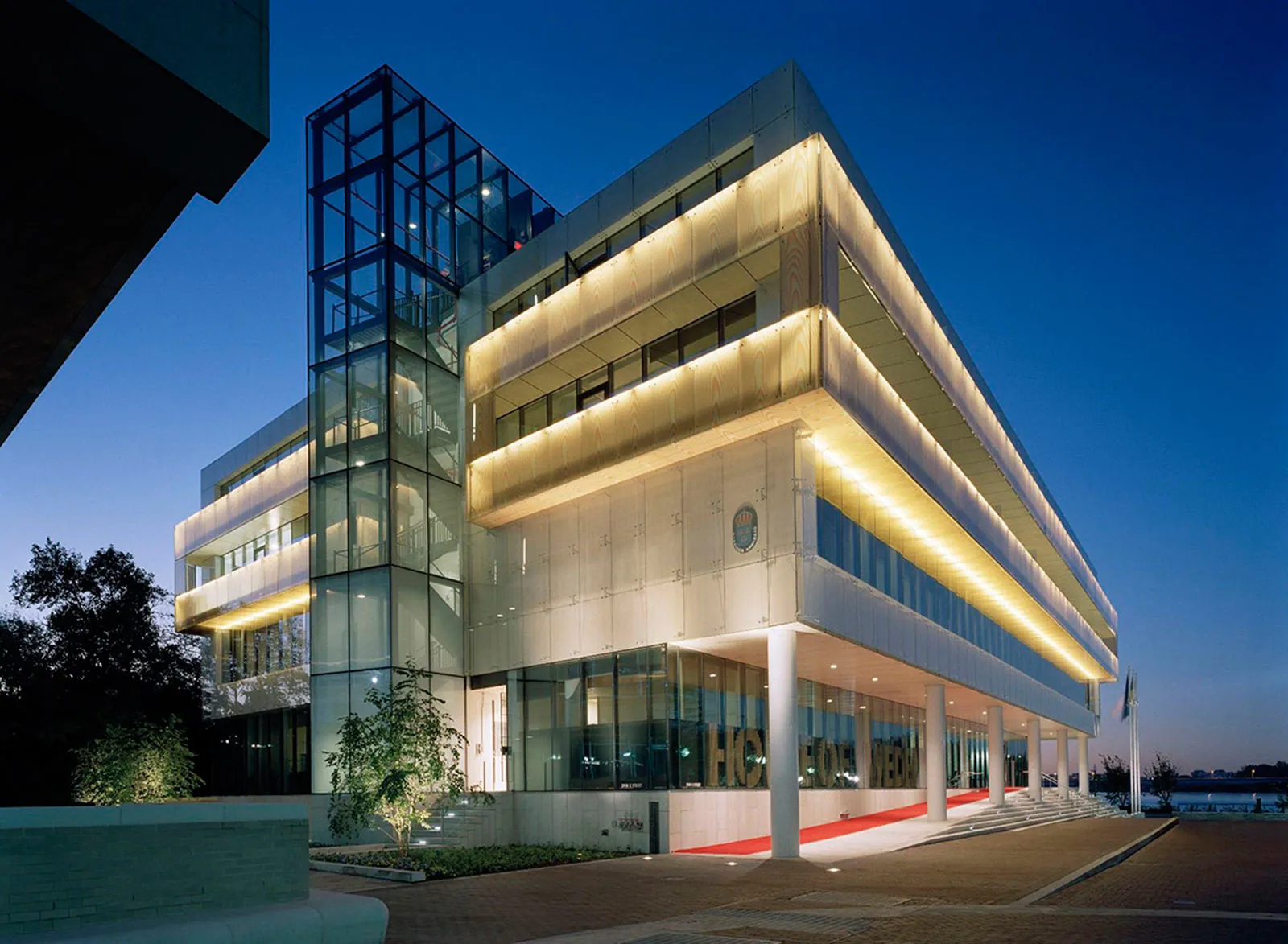
International Embassies in Washington, DC
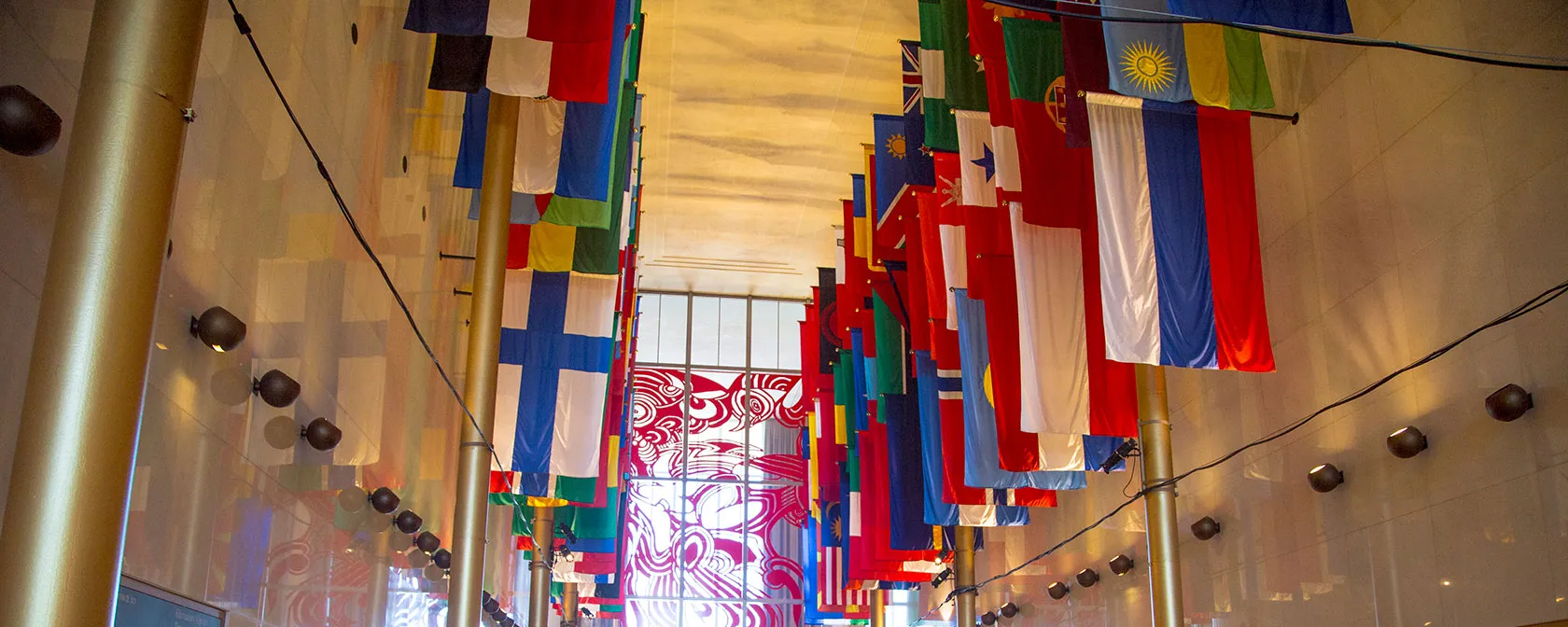
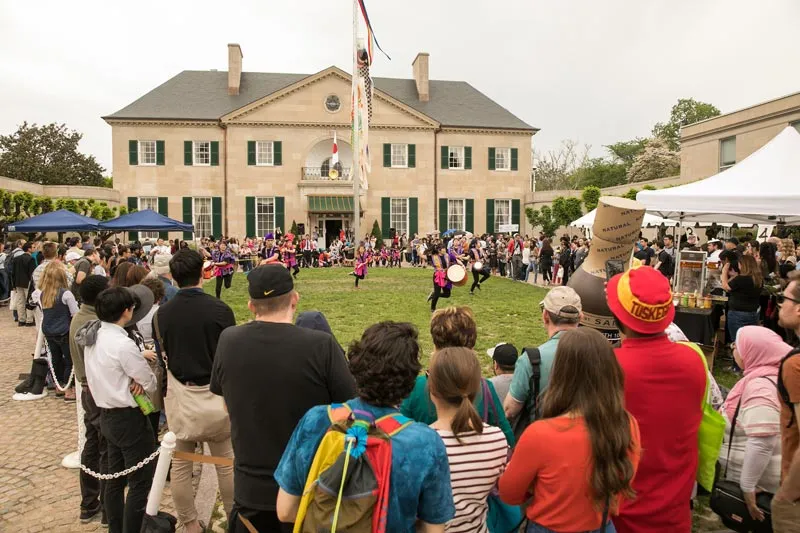
Where to find the embassies With more than 175 embassies, ambassador’s residences and international cultural centers, DC is one of the most culturally diverse cities in the nation. Representatives from countries across the globe live and work for their home embassy right here in the District. These embassies are scattered all across the city, but there is a large concentration of them along Massachusetts Avenue NW between 18th and 35th streets. Known as “Embassy Row,” this blocks long swath of land is a great place to take a walking tour and learn more about diplomatic DC with major embassies like Italy, Australia, India, Greece, Egypt, Ireland and Japan located here. Washington Walks offers a tour (spring through fall) that showcases the beautiful Beaux-Arts mansions-turned-embassies along Mass Ave. Passport DC During the month of May, dozens of embassies open their doors to the public as part of Cultural Tourism DC’s annual Passport DC. This always highly anticipated series of events offers locals and visitors alike a chance to tour the embassies and experience the music, food, art, dance and fashion of other countries right here within the borders of the Beltway. Passport DC events include the Around the World Embassy Tour, European Union Embassies’ Open House, the National Asian Heritage Festival and an Embassy Chef Challenge. See full details here. Embassy Events throughout the year In addition to Passport DC, there are several ways to get inside the embassies and participate in cultural programs throughout the year. The Embassy Series hosts a number of concerts (tickets usually required) in partnership with DC’s embassies. Patrons have the opportunity to see a musical performance by a visiting artist followed by an elegant reception in the host embassy or ambassador’s residence. You can see a full calendar and purchase tickets for upcoming events here. Many embassies also open their doors for special events like concerts, exhibitions and lectures. For schedules, check the embassy’s individual website for more details or check out internationalclubdc.com. Finally, there are a number of cultural centers in DC that host events, including cooking classes to concerts. These include Germany’s Goethe Institut, the Mexican Cultural Institute, House of Sweden, Casa Italiana and Maison Francais. If you want to keep traveling the world while in DC, we have you covered. Check out these free international activities in the District.

QA Test Automated cron Article sync 1
As you return to traveling this year, Washington, DC should be at the very top of your list. The nation’s capital offers more than 100 free things to do, but it should come as no surprise that museums are some of the most popular attractions. We’ve gone into deep detail on four of the city’s most popular museums (including one dedicated to living animals), none of which charge admission. Find the latest updates on visiting museums, including Smithsonian's plans to have all of its museums open by the end of August 2021, mask mandates for all indoor museums and the latest ticketing requirements. Book your next vacation to the nation’s capital and visit these only-in-the-District museums, free of charge. In the heart of the nation’s capital lives a portal to wildlife from around the world. Smithsonian’s National Zoo offers a firsthand, family-friendly experience through a 163-acre urban park in the Woodley Park neighborhood teeming with roughly 2,700 animals that represent more than 390 species. The zoo is also connected to the Smithsonian Conservation Biology Institute (a non-public facility located in Front Royal, Va.), a global effort to conserve species and train future conservationists. This focus on preserving endangered animals extends to the zoo, as one-fifth of its exhibited species fall into this category. In the heart of the nation’s capital lives a portal to wildlife from around the world. Smithsonian’s National Zoo offers a firsthand, family-friendly experience through a 163-acre urban park in the Woodley Park neighborhood teeming with roughly 2,700 animals that represent more than 390 species. The zoo is also connected to the Smithsonian Conservation Biology Institute (a non-public facility located in Front Royal, Va.), a global effort to conserve species and train future conservationists. This focus on preserving endangered animals extends to the zoo, as one-fifth of its exhibited species fall into this category. In the heart of the nation’s capital lives a portal to wildlife from around the world. Smithsonian’s National Zoo offers a firsthand, family-friendly experience through a 163-acre urban park in the Woodley Park neighborhood teeming with roughly 2,700 animals that represent more than 390 species. The zoo is also connected to the Smithsonian Conservation Biology Institute (a non-public facility located in Front Royal, Va.), a global effort to conserve species and train future conservationists. This focus on preserving endangered animals extends to the zoo, as one-fifth of its exhibited species fall into this category. In the heart of the nation’s capital lives a portal to wildlife from around the world. Smithsonian’s National Zoo offers a firsthand, family-friendly experience through a 163-acre urban park in the Woodley Park neighborhood teeming with roughly 2,700 animals that represent more than 390 species. The zoo is also connected to the Smithsonian Conservation Biology Institute (a non-public facility located in Front Royal, Va.), a global effort to conserve species and train future conservationists. This focus on preserving endangered animals extends to the zoo, as one-fifth of its exhibited species fall into this category. In the heart of the nation’s capital lives a portal to wildlife from around the world. Smithsonian’s National Zoo offers a firsthand, family-friendly experience through a 163-acre urban park in the Woodley Park neighborhood teeming with roughly 2,700 animals that represent more than 390 species. The zoo is also connected to the Smithsonian Conservation Biology Institute (a non-public facility located in Front Royal, Va.), a global effort to conserve species and train future conservationists. This focus on preserving endangered animals extends to the zoo, as one-fifth of its exhibited species fall into this category. In the heart of the nation’s capital lives a portal to wildlife from around the world. Smithsonian’s National Zoo offers a firsthand, family-friendly experience through a 163-acre urban park in the Woodley Park neighborhood teeming with roughly 2,700 animals that represent more than 390 species. The zoo is also connected to the Smithsonian Conservation Biology Institute (a non-public facility located in Front Royal, Va.), a global effort to conserve species and train future conservationists. This focus on preserving endangered animals extends to the zoo, as one-fifth of its exhibited species fall into this category. In the heart of the nation’s capital lives a portal to wildlife from around the world. Smithsonian’s National Zoo offers a firsthand, family-friendly experience through a 163-acre urban park in the Woodley Park neighborhood teeming with roughly 2,700 animals that represent more than 390 species. The zoo is also connected to the Smithsonian Conservation Biology Institute (a non-public facility located in Front Royal, Va.), a global effort to conserve species and train future conservationists. This focus on preserving endangered animals extends to the zoo, as one-fifth of its exhibited species fall into this category. In the heart of the nation’s capital lives a portal to wildlife from around the world. Smithsonian’s National Zoo offers a firsthand, family-friendly experience through a 163-acre urban park in the Woodley Park neighborhood teeming with roughly 2,700 animals that represent more than 390 species. The zoo is also connected to the Smithsonian Conservation Biology Institute (a non-public facility located in Front Royal, Va.), a global effort to conserve species and train future conservationists. This focus on preserving endangered animals extends to the zoo, as one-fifth of its exhibited species fall into this category. In the heart of the nation’s capital lives a portal to wildlife from around the world. Smithsonian’s National Zoo offers a firsthand, family-friendly experience through a 163-acre urban park in the Woodley Park neighborhood teeming with roughly 2,700 animals that represent more than 390 species. The zoo is also connected to the Smithsonian Conservation Biology Institute (a non-public facility located in Front Royal, Va.), a global effort to conserve species and train future conservationists. This focus on preserving endangered animals extends to the zoo, as one-fifth of its exhibited species fall into this category. In the heart of the nation’s capital lives a portal to wildlife from around the world. Smithsonian’s National Zoo offers a firsthand, family-friendly experience through a 163-acre urban park in the Woodley Park neighborhood teeming with roughly 2,700 animals that represent more than 390 species. The zoo is also connected to the Smithsonian Conservation Biology Institute (a non-public facility located in Front Royal, Va.), a global effort to conserve species and train future conservationists. This focus on preserving endangered animals extends to the zoo, as one-fifth of its exhibited species fall into this category. In the heart of the nation’s capital lives a portal to wildlife from around the world. Smithsonian’s National Zoo offers a firsthand, family-friendly experience through a 163-acre urban park in the Woodley Park neighborhood teeming with roughly 2,700 animals that represent more than 390 species. The zoo is also connected to the Smithsonian Conservation Biology Institute (a non-public facility located in Front Royal, Va.), a global effort to conserve species and train future conservationists. This focus on preserving endangered animals extends to the zoo, as one-fifth of its exhibited species fall into this category. In the heart of the nation’s capital lives a portal to wildlife from around the world. Smithsonian’s National Zoo offers a firsthand, family-friendly experience through a 163-acre urban park in the Woodley Park neighborhood teeming with roughly 2,700 animals that represent more than 390 species. The zoo is also connected to the Smithsonian Conservation Biology Institute (a non-public facility located in Front Royal, Va.), a global effort to conserve species and train future conservationists. This focus on preserving endangered animals extends to the zoo, as one-fifth of its exhibited species fall into this category. In the heart of the nation’s capital lives a portal to wildlife from around the world. Smithsonian’s National Zoo offers a firsthand, family-friendly experience through a 163-acre urban park in the Woodley Park neighborhood teeming with roughly 2,700 animals that represent more than 390 species. The zoo is also connected to the Smithsonian Conservation Biology Institute (a non-public facility located in Front Royal, Va.), a global effort to conserve species and train future conservationists. This focus on preserving endangered animals extends to the zoo, as one-fifth of its exhibited species fall into this category. In the heart of the nation’s capital lives a portal to wildlife from around the world. Smithsonian’s National Zoo offers a firsthand, family-friendly experience through a 163-acre urban park in the Woodley Park neighborhood teeming with roughly 2,700 animals that represent more than 390 species. The zoo is also connected to the Smithsonian Conservation Biology Institute (a non-public facility located in Front Royal, Va.), a global effort to conserve species and train future conservationists. This focus on preserving endangered animals extends to the zoo, as one-fifth of its exhibited species fall into this category. In the heart of the nation’s capital lives a portal to wildlife from around the world. Smithsonian’s National Zoo offers a firsthand, family-friendly experience through a 163-acre urban park in the Woodley Park neighborhood teeming with roughly 2,700 animals that represent more than 390 species. The zoo is also connected to the Smithsonian Conservation Biology Institute (a non-public facility located in Front Royal, Va.), a global effort to conserve species and train future conservationists. This focus on preserving endangered animals extends to the zoo, as one-fifth of its exhibited species fall into this category. In the heart of the nation’s capital lives a portal to wildlife from around the world. Smithsonian’s National Zoo offers a firsthand, family-friendly experience through a 163-acre urban park in the Woodley Park neighborhood teeming with roughly 2,700 animals that represent more than 390 species. The zoo is also connected to the Smithsonian Conservation Biology Institute (a non-public facility located in Front Royal, Va.), a global effort to conserve species and train future conservationists. This focus on preserving endangered animals extends to the zoo, as one-fifth of its exhibited species fall into this category. In the heart of the nation’s capital lives a portal to wildlife from around the world. Smithsonian’s National Zoo offers a firsthand, family-friendly experience through a 163-acre urban park in the Woodley Park neighborhood teeming with roughly 2,700 animals that represent more than 390 species. The zoo is also connected to the Smithsonian Conservation Biology Institute (a non-public facility located in Front Royal, Va.), a global effort to conserve species and train future conservationists. This focus on preserving endangered animals extends to the zoo, as one-fifth of its exhibited species fall into this category. In the heart of the nation’s capital lives a portal to wildlife from around the world. Smithsonian’s National Zoo offers a firsthand, family-friendly experience through a 163-acre urban park in the Woodley Park neighborhood teeming with roughly 2,700 animals that represent more than 390 species. The zoo is also connected to the Smithsonian Conservation Biology Institute (a non-public facility located in Front Royal, Va.), a global effort to conserve species and train future conservationists. This focus on preserving endangered animals extends to the zoo, as one-fifth of its exhibited species fall into this category. In the heart of the nation’s capital lives a portal to wildlife from around the world. Smithsonian’s National Zoo offers a firsthand, family-friendly experience through a 163-acre urban park in the Woodley Park neighborhood teeming with roughly 2,700 animals that represent more than 390 species. The zoo is also connected to the Smithsonian Conservation Biology Institute (a non-public facility located in Front Royal, Va.), a global effort to conserve species and train future conservationists. This focus on preserving endangered animals extends to the zoo, as one-fifth of its exhibited species fall into this category. In the heart of the nation’s capital lives a portal to wildlife from around the world. Smithsonian’s National Zoo offers a firsthand, family-friendly experience through a 163-acre urban park in the Woodley Park neighborhood teeming with roughly 2,700 animals that represent more than 390 species. The zoo is also connected to the Smithsonian Conservation Biology Institute (a non-public facility located in Front Royal, Va.), a global effort to conserve species and train future conservationists. This focus on preserving endangered animals extends to the zoo, as one-fifth of its exhibited species fall into this category. In the heart of the nation’s capital lives a portal to wildlife from around the world. Smithsonian’s National Zoo offers a firsthand, family-friendly experience through a 163-acre urban park in the Woodley Park neighborhood teeming with roughly 2,700 animals that represent more than 390 species. The zoo is also connected to the Smithsonian Conservation Biology Institute (a non-public facility located in Front Royal, Va.), a global effort to conserve species and train future conservationists. This focus on preserving endangered animals extends to the zoo, as one-fifth of its exhibited species fall into this category. In the heart of the nation’s capital lives a portal to wildlife from around the world. Smithsonian’s National Zoo offers a firsthand, family-friendly experience through a 163-acre urban park in the Woodley Park neighborhood teeming with roughly 2,700 animals that represent more than 390 species. The zoo is also connected to the Smithsonian Conservation Biology Institute (a non-public facility located in Front Royal, Va.), a global effort to conserve species and train future conservationists. This focus on preserving endangered animals extends to the zoo, as one-fifth of its exhibited species fall into this category. In the heart of the nation’s capital lives a portal to wildlife from around the world. Smithsonian’s National Zoo offers a firsthand, family-friendly experience through a 163-acre urban park in the Woodley Park neighborhood teeming with roughly 2,700 animals that represent more than 390 species. The zoo is also connected to the Smithsonian Conservation Biology Institute (a non-public facility located in Front Royal, Va.), a global effort to conserve species and train future conservationists. This focus on preserving endangered animals extends to the zoo, as one-fifth of its exhibited species fall into this category.