
All Articles

QA Test Automated cron Article sync 1
As you return to traveling this year, Washington, DC should be at the very top of your list. The nation’s capital offers more than 100 free things to do, but it should come as no surprise that museums are some of the most popular attractions. We’ve gone into deep detail on four of the city’s most popular museums (including one dedicated to living animals), none of which charge admission. Find the latest updates on visiting museums, including Smithsonian's plans to have all of its museums open by the end of August 2021, mask mandates for all indoor museums and the latest ticketing requirements. Book your next vacation to the nation’s capital and visit these only-in-the-District museums, free of charge. In the heart of the nation’s capital lives a portal to wildlife from around the world. Smithsonian’s National Zoo offers a firsthand, family-friendly experience through a 163-acre urban park in the Woodley Park neighborhood teeming with roughly 2,700 animals that represent more than 390 species. The zoo is also connected to the Smithsonian Conservation Biology Institute (a non-public facility located in Front Royal, Va.), a global effort to conserve species and train future conservationists. This focus on preserving endangered animals extends to the zoo, as one-fifth of its exhibited species fall into this category. In the heart of the nation’s capital lives a portal to wildlife from around the world. Smithsonian’s National Zoo offers a firsthand, family-friendly experience through a 163-acre urban park in the Woodley Park neighborhood teeming with roughly 2,700 animals that represent more than 390 species. The zoo is also connected to the Smithsonian Conservation Biology Institute (a non-public facility located in Front Royal, Va.), a global effort to conserve species and train future conservationists. This focus on preserving endangered animals extends to the zoo, as one-fifth of its exhibited species fall into this category. In the heart of the nation’s capital lives a portal to wildlife from around the world. Smithsonian’s National Zoo offers a firsthand, family-friendly experience through a 163-acre urban park in the Woodley Park neighborhood teeming with roughly 2,700 animals that represent more than 390 species. The zoo is also connected to the Smithsonian Conservation Biology Institute (a non-public facility located in Front Royal, Va.), a global effort to conserve species and train future conservationists. This focus on preserving endangered animals extends to the zoo, as one-fifth of its exhibited species fall into this category. In the heart of the nation’s capital lives a portal to wildlife from around the world. Smithsonian’s National Zoo offers a firsthand, family-friendly experience through a 163-acre urban park in the Woodley Park neighborhood teeming with roughly 2,700 animals that represent more than 390 species. The zoo is also connected to the Smithsonian Conservation Biology Institute (a non-public facility located in Front Royal, Va.), a global effort to conserve species and train future conservationists. This focus on preserving endangered animals extends to the zoo, as one-fifth of its exhibited species fall into this category. In the heart of the nation’s capital lives a portal to wildlife from around the world. Smithsonian’s National Zoo offers a firsthand, family-friendly experience through a 163-acre urban park in the Woodley Park neighborhood teeming with roughly 2,700 animals that represent more than 390 species. The zoo is also connected to the Smithsonian Conservation Biology Institute (a non-public facility located in Front Royal, Va.), a global effort to conserve species and train future conservationists. This focus on preserving endangered animals extends to the zoo, as one-fifth of its exhibited species fall into this category. In the heart of the nation’s capital lives a portal to wildlife from around the world. Smithsonian’s National Zoo offers a firsthand, family-friendly experience through a 163-acre urban park in the Woodley Park neighborhood teeming with roughly 2,700 animals that represent more than 390 species. The zoo is also connected to the Smithsonian Conservation Biology Institute (a non-public facility located in Front Royal, Va.), a global effort to conserve species and train future conservationists. This focus on preserving endangered animals extends to the zoo, as one-fifth of its exhibited species fall into this category. In the heart of the nation’s capital lives a portal to wildlife from around the world. Smithsonian’s National Zoo offers a firsthand, family-friendly experience through a 163-acre urban park in the Woodley Park neighborhood teeming with roughly 2,700 animals that represent more than 390 species. The zoo is also connected to the Smithsonian Conservation Biology Institute (a non-public facility located in Front Royal, Va.), a global effort to conserve species and train future conservationists. This focus on preserving endangered animals extends to the zoo, as one-fifth of its exhibited species fall into this category. In the heart of the nation’s capital lives a portal to wildlife from around the world. Smithsonian’s National Zoo offers a firsthand, family-friendly experience through a 163-acre urban park in the Woodley Park neighborhood teeming with roughly 2,700 animals that represent more than 390 species. The zoo is also connected to the Smithsonian Conservation Biology Institute (a non-public facility located in Front Royal, Va.), a global effort to conserve species and train future conservationists. This focus on preserving endangered animals extends to the zoo, as one-fifth of its exhibited species fall into this category. In the heart of the nation’s capital lives a portal to wildlife from around the world. Smithsonian’s National Zoo offers a firsthand, family-friendly experience through a 163-acre urban park in the Woodley Park neighborhood teeming with roughly 2,700 animals that represent more than 390 species. The zoo is also connected to the Smithsonian Conservation Biology Institute (a non-public facility located in Front Royal, Va.), a global effort to conserve species and train future conservationists. This focus on preserving endangered animals extends to the zoo, as one-fifth of its exhibited species fall into this category. In the heart of the nation’s capital lives a portal to wildlife from around the world. Smithsonian’s National Zoo offers a firsthand, family-friendly experience through a 163-acre urban park in the Woodley Park neighborhood teeming with roughly 2,700 animals that represent more than 390 species. The zoo is also connected to the Smithsonian Conservation Biology Institute (a non-public facility located in Front Royal, Va.), a global effort to conserve species and train future conservationists. This focus on preserving endangered animals extends to the zoo, as one-fifth of its exhibited species fall into this category. In the heart of the nation’s capital lives a portal to wildlife from around the world. Smithsonian’s National Zoo offers a firsthand, family-friendly experience through a 163-acre urban park in the Woodley Park neighborhood teeming with roughly 2,700 animals that represent more than 390 species. The zoo is also connected to the Smithsonian Conservation Biology Institute (a non-public facility located in Front Royal, Va.), a global effort to conserve species and train future conservationists. This focus on preserving endangered animals extends to the zoo, as one-fifth of its exhibited species fall into this category. In the heart of the nation’s capital lives a portal to wildlife from around the world. Smithsonian’s National Zoo offers a firsthand, family-friendly experience through a 163-acre urban park in the Woodley Park neighborhood teeming with roughly 2,700 animals that represent more than 390 species. The zoo is also connected to the Smithsonian Conservation Biology Institute (a non-public facility located in Front Royal, Va.), a global effort to conserve species and train future conservationists. This focus on preserving endangered animals extends to the zoo, as one-fifth of its exhibited species fall into this category. In the heart of the nation’s capital lives a portal to wildlife from around the world. Smithsonian’s National Zoo offers a firsthand, family-friendly experience through a 163-acre urban park in the Woodley Park neighborhood teeming with roughly 2,700 animals that represent more than 390 species. The zoo is also connected to the Smithsonian Conservation Biology Institute (a non-public facility located in Front Royal, Va.), a global effort to conserve species and train future conservationists. This focus on preserving endangered animals extends to the zoo, as one-fifth of its exhibited species fall into this category. In the heart of the nation’s capital lives a portal to wildlife from around the world. Smithsonian’s National Zoo offers a firsthand, family-friendly experience through a 163-acre urban park in the Woodley Park neighborhood teeming with roughly 2,700 animals that represent more than 390 species. The zoo is also connected to the Smithsonian Conservation Biology Institute (a non-public facility located in Front Royal, Va.), a global effort to conserve species and train future conservationists. This focus on preserving endangered animals extends to the zoo, as one-fifth of its exhibited species fall into this category. In the heart of the nation’s capital lives a portal to wildlife from around the world. Smithsonian’s National Zoo offers a firsthand, family-friendly experience through a 163-acre urban park in the Woodley Park neighborhood teeming with roughly 2,700 animals that represent more than 390 species. The zoo is also connected to the Smithsonian Conservation Biology Institute (a non-public facility located in Front Royal, Va.), a global effort to conserve species and train future conservationists. This focus on preserving endangered animals extends to the zoo, as one-fifth of its exhibited species fall into this category. In the heart of the nation’s capital lives a portal to wildlife from around the world. Smithsonian’s National Zoo offers a firsthand, family-friendly experience through a 163-acre urban park in the Woodley Park neighborhood teeming with roughly 2,700 animals that represent more than 390 species. The zoo is also connected to the Smithsonian Conservation Biology Institute (a non-public facility located in Front Royal, Va.), a global effort to conserve species and train future conservationists. This focus on preserving endangered animals extends to the zoo, as one-fifth of its exhibited species fall into this category. In the heart of the nation’s capital lives a portal to wildlife from around the world. Smithsonian’s National Zoo offers a firsthand, family-friendly experience through a 163-acre urban park in the Woodley Park neighborhood teeming with roughly 2,700 animals that represent more than 390 species. The zoo is also connected to the Smithsonian Conservation Biology Institute (a non-public facility located in Front Royal, Va.), a global effort to conserve species and train future conservationists. This focus on preserving endangered animals extends to the zoo, as one-fifth of its exhibited species fall into this category. In the heart of the nation’s capital lives a portal to wildlife from around the world. Smithsonian’s National Zoo offers a firsthand, family-friendly experience through a 163-acre urban park in the Woodley Park neighborhood teeming with roughly 2,700 animals that represent more than 390 species. The zoo is also connected to the Smithsonian Conservation Biology Institute (a non-public facility located in Front Royal, Va.), a global effort to conserve species and train future conservationists. This focus on preserving endangered animals extends to the zoo, as one-fifth of its exhibited species fall into this category. In the heart of the nation’s capital lives a portal to wildlife from around the world. Smithsonian’s National Zoo offers a firsthand, family-friendly experience through a 163-acre urban park in the Woodley Park neighborhood teeming with roughly 2,700 animals that represent more than 390 species. The zoo is also connected to the Smithsonian Conservation Biology Institute (a non-public facility located in Front Royal, Va.), a global effort to conserve species and train future conservationists. This focus on preserving endangered animals extends to the zoo, as one-fifth of its exhibited species fall into this category. In the heart of the nation’s capital lives a portal to wildlife from around the world. Smithsonian’s National Zoo offers a firsthand, family-friendly experience through a 163-acre urban park in the Woodley Park neighborhood teeming with roughly 2,700 animals that represent more than 390 species. The zoo is also connected to the Smithsonian Conservation Biology Institute (a non-public facility located in Front Royal, Va.), a global effort to conserve species and train future conservationists. This focus on preserving endangered animals extends to the zoo, as one-fifth of its exhibited species fall into this category. In the heart of the nation’s capital lives a portal to wildlife from around the world. Smithsonian’s National Zoo offers a firsthand, family-friendly experience through a 163-acre urban park in the Woodley Park neighborhood teeming with roughly 2,700 animals that represent more than 390 species. The zoo is also connected to the Smithsonian Conservation Biology Institute (a non-public facility located in Front Royal, Va.), a global effort to conserve species and train future conservationists. This focus on preserving endangered animals extends to the zoo, as one-fifth of its exhibited species fall into this category. In the heart of the nation’s capital lives a portal to wildlife from around the world. Smithsonian’s National Zoo offers a firsthand, family-friendly experience through a 163-acre urban park in the Woodley Park neighborhood teeming with roughly 2,700 animals that represent more than 390 species. The zoo is also connected to the Smithsonian Conservation Biology Institute (a non-public facility located in Front Royal, Va.), a global effort to conserve species and train future conservationists. This focus on preserving endangered animals extends to the zoo, as one-fifth of its exhibited species fall into this category. In the heart of the nation’s capital lives a portal to wildlife from around the world. Smithsonian’s National Zoo offers a firsthand, family-friendly experience through a 163-acre urban park in the Woodley Park neighborhood teeming with roughly 2,700 animals that represent more than 390 species. The zoo is also connected to the Smithsonian Conservation Biology Institute (a non-public facility located in Front Royal, Va.), a global effort to conserve species and train future conservationists. This focus on preserving endangered animals extends to the zoo, as one-fifth of its exhibited species fall into this category.
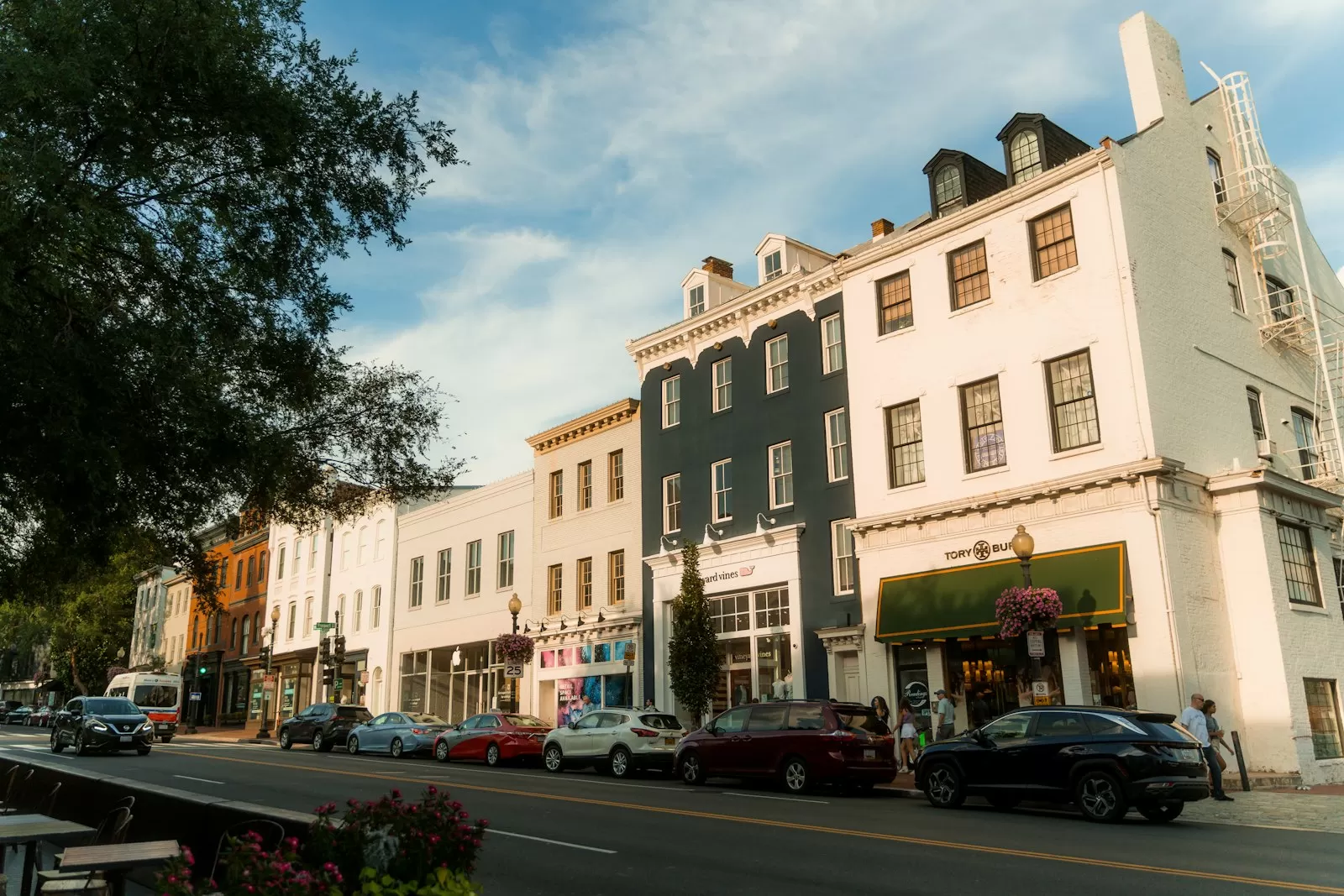
Where to Shop In & Around Washington, DC
Georgetown Serious shoppers are all-too familiar with this established shopping hub, which features a little bit of everything, from indie specialty shops, home design and high-end boutiques to national and international retail. Scout out new accessories from Kendra Scott and Little Words Project, or splurge on a bona fide new look from fashionista-approved brands like Everlane, rag & bone and Reformation. Check out the latest loungewear and shapewear from SKIMS at the first brick-and-mortar for Kim Kardashian's brand. For more casual shopping, consider Ella Rue for consignment scores, plus a stable of national retailers like J. Crew, Urban Outfitters and T.J. Maxx. Stay up-to-date on the trends at Abercrombie & Fitch, Aritzia and Madewell, or browse athleisure at lululemon, Alo Yoga and Vuori. Discoveries abound in the area known as Book Hill, located along Wisconsin Avenue at P Street headed north; here, find antique shops, funky boutiques and specialty stores, and a large concentration of art galleries. Cady’s Alley serves as the city’s unofficial home design shopping capital, with more than 20 boutiques. And the area's dining outposts should not be missed. Downtown DC Head to the heart of Downtown for its shopping sensation, CityCenterDC, bustling with 10-acres of shops, cafes, restaurants and public space. Satisfy designer tastes at Chanel, Louis Vuitton, Gucci and Christian Louboutin. Specialty stores include Jo Malone London for high-end fragrances, Tumi and Longchamp for quality tote bags, Tiffany & Co. and David Yurman for fine jewelry and Arc'teryx for outdoor gear. After a day spent shopping, retire to one of the nearby dining outposts, such as Centrolina or Del Frisco's Double Eagle Steakhouse. On and around F Street, stop by Macy’s department store and then check out noted retailers like Ann Taylor, H&M and Nordstrom Rack. U Street/14th Street Spruce up your space after a trip along U Street and 14th Street. Discover home goods from local fave Salt & Sundry (also at Union Market), funky furniture at GoodWood and plants galore at Rewild. You can and scout out modern home design at Room & Board. Break from shopping madness with a hometown half-smoke from Ben's Chili Bowl and then continue to shop on at Lou Lou, a regional chain of boutiques founded in Middleburg, Va. that specializes in unique, affordable accessories (think: jewelry, clutches and sunglasses). Dupont Circle A variety of shops complement the Connecticut Avenue strip. Women can shop consignment steals at Secondi. South of the Circle, men can hone their look with classic fashions from Brooks Brothers and pick out the perfect pair of Oxfords to complement that new look by stopping by Allen Edmonds, just a block away. For accessories, Tiny Jewel Box is your Dupont go-to for vintage jewelry. Bookworms can browse Kramers, while comic fans should stop by Fantom Comics. As the only boutique duty-free store in the DC area servicing the diplomatic community, Diplomatic Duty-Free Shop is a prime shopping destination for cosmetics, fragrances, jewelry, watches and more. Adams Morgan Adams Morgan is much more than a neighborhood with a crowded nightlife scene. You’ll find historic row houses around 18th Street, as well as a variety of independently owned stores. DC's longest-running vintage store Mercedes Bien Vintage showcases funky, party pieces. Peruse antique houseware at Miss Pixie’s Furnishings & Whatnot, which offers a hodgepodge of creative accoutrements to style any abode or apartment. Urban Dwell’s DC-themed gifts and accessories are sure to please, while Lost City Books' vast collection of used, rare and out-of-print books is a great spot for a post-dinner browse. The Wharf The District's revitalized waterfront neighborhood is a bursting hub for nightlife, dining and retail. There you'll find local favorites Politics & Prose, an independent bookstore, and Shop Made in DC, which features wearables, wares and more from DC's community of creators. Diament is a jewelry and gift shop chock-full of quirky and trendy selections. Discover upscale home goods, luxury linens and unique furniture at Patrick's Fine Linens and Home Decor. Chevy Chase & Friendship Heights Feast on high-end designer fashions in this quaint neighborhood straddling the line between Upper Northwest and Maryland. The shopping area here straddles the border between DC and Maryland’s Friendship Heights and Chevy Chase neighborhoods. As far as shopping destinations go, this area is reputable for its high-end malls connected by an underground walkway to the Friendship Heights Metro station. Upscale department store Bloomingdale’s takes up residence inside The Shops at Wisconsin Place. The mall’s other highlights include Sephora, Talbots and Eileen Fisher. Extending one block long, The Collection at Chevy Chase features Tiffany and Co. and Saks Fifth Avenue. Dotting Wisconsin Avenue between the malls you’ll find Gap and Marshalls, plus a Whole Foods for when you get hungry. Tysons Corner A favorite for the international shopping set, who are known to pack extra suitcases to load up, Tysons includes not one, but two retail campuses specializing in high-end brands in Northern Virginia. Take Metro’s Silver Line to the retail mecca located in McLean, Va., and browse through goods from more than 300 shops at Tysons Corner Center, including brands like Michael Kors, Nordstrom, Express, Pottery Barn and Uniqlo. Cross the eight-lane street and you’ll find the luxury store-filled Tysons Galleria, which boasts notables like Prada, Chanel, Dior, Neiman Marcus, and Yves St Laurent. National Harbor Close to Washington, DC and Alexandria, Va. this waterfront resort in Maryland offers hotels, restaurants, shopping and unique attractions. Here you’ll find dozens of shops, including boutiques and specialty stores like Faith2Felicity’s Crystal Café, featuring crystal jewelry, and ZAAF, offering a collection of clothing and accessories made in Africa. Nearby, shop the Tanger Outlets at National Harbor for deals at more than 85 premium, brand name stores including Converse, Loft, Nike, Pandora and UGG.