
All Articles
Visiting the Smithsonian National Museum of African Art in Washington, DC
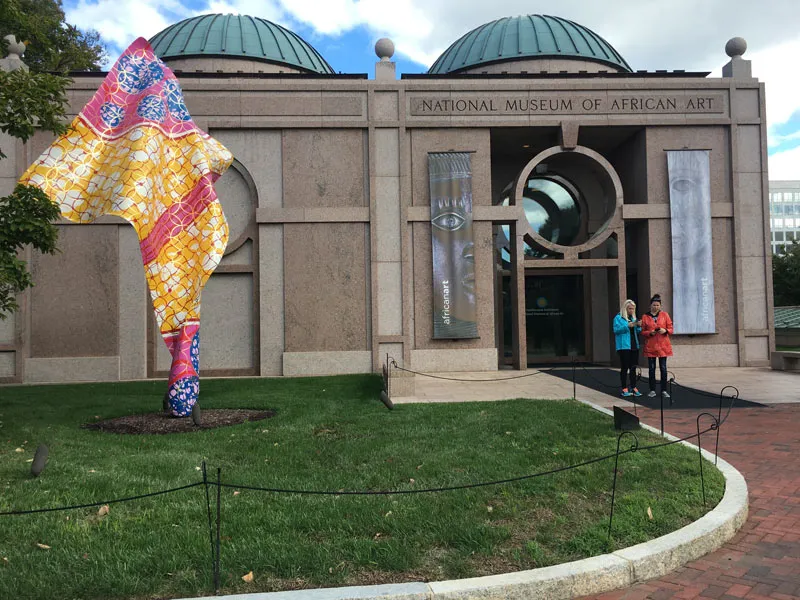
What is the Smithsonian National Museum of African Art and where is it? The National Museum of African Art is located on Independence Avenue SW on the National Mall. The museum possesses the largest publicly held collection of African art in the United States, with roughly 12,000 objects in total. Its mission: to teach visitors about African art in order to create a dialogue that crosses cultural boundaries. Hours & Ticketing The museum is free and open to the public from 10 a.m. – 5:30 p.m. daily, except for Dec. 25. All public spaces, exhibitions and programs at the museum are accessible to visitors with disabilities. Best way to get there. The easiest way to reach the National Museum of African Art is via public transportation. If traveling by Metrorail, exit at the L’Enfant Plaza stop (on the Blue, Orange, Silver, Green and Yellow lines) and use the Maryland Avenue/Smithsonian Museums exit. If traveling by bus, take the DC Circulator’s National Mall route or 30, 32, 34 or 36 Metrobus lines. What will I find inside the National Museum of African Art? With a collection of artifacts that spans from the ancient to the contemporary, the museum provides a comprehensive look at the history of artistic expressions in Africa, presenting the continent through a creative lens that you would be hard-pressed to find anywhere else. Collection highlights include African Mosaic: Selections from the Permanent Collection, which collects museum purchases and gifts spanning a decade. The standout piece: an incredible sculpture of Haitian leader Toussaint Louverture by Senegalese artist Ousmane Sow. The Walt Disney-Tishman African Art Collection Highlights features rare works of traditional art from sub-Saharan Africa. The museum also boats stunning photographic archives and a world-class library. Currents: Water in African Art, one of the museum’s ongoing exhibits, focuses on pieces with water as their theme, encountering myths, metaphors and rituals along the way. Water’s importance is reflected across the many different materials and styles highlighted in this collection. The National Museum of African Art also offers docent-led tours of the museum every week, as well as film screenings and panel discussions that serve to increase the dialogue surrounding Africa and its art. The museum can also host private events throughout its spaces, including a pavilion, a mezzanine, a lecture hall and conference rooms.
Visiting the Smithsonian National Museum of American History in Washington, DC
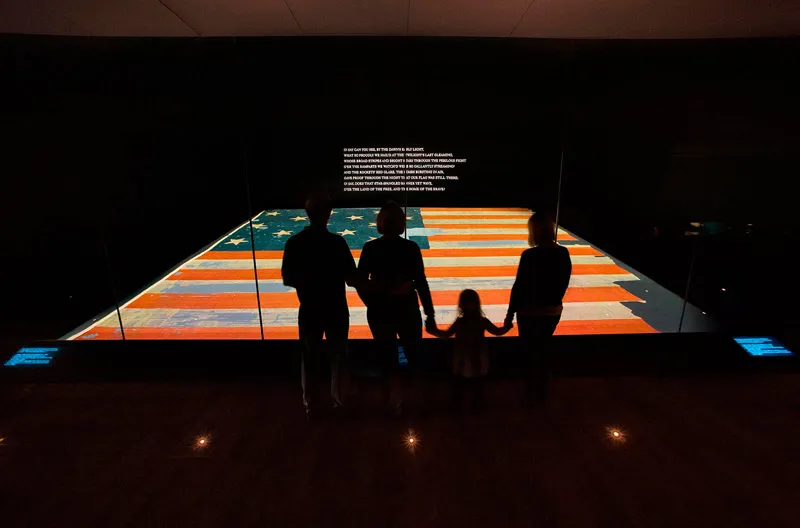
What and where is the National Museum of American History? The National Museum of American History is located on Constitution Avenue NW and runs along the National Mall. Through research, in-depth exhibits, extensive collections and public outreach, the museum presents America’s history in all of its complexity. The museum's collection features more than three million artifacts, from Dorothy’s ruby slippers in The Wizard of Oz to sheet music written by DC legend Duke Ellington. The easiest way to get there is via Metrorail or Metrobus. The closest Metro stop is Smithsonian, on the Blue, Orange and Silver lines. The 32, 34 and 36 Metrobus routes will all take you to the National Mall, where you can explore the iconic monuments and memorials after you’ve gotten your full dose of American history. The facility is handicap-accessible, and dedicated parking spaces are located on Madison Drive NW. What’s inside the National Museum of American History? Much beloved as a source for all things Americana, the museum features the most American artifact of all: the Star-Spangled Banner Flag. The flag flew above Fort McHenry in Baltimore during the War of 1812, inspiring Francis Scott Key to write our national anthem and now awaits your visit in a permanent exhibition. Another treasured item on display is the top hat worn by President Abraham Lincoln on the fateful night of April 14, 1865, when he set off to Ford’s Theatre and was later assassinated in by John Wilkes Booth. Lincoln’s hat is among a number of presidential relics that each tell a story in an exhibit entitled The American Presidency: A Glorious Burden. This 750,000 square-foot museum contains much more than presidential artifacts. The women who stood by the side of our nation’s leaders are memorialized in The First Ladies, which boasts more than two dozen gowns, fine china and other furnishings. And don’t forget to click your heels over to the aforementioned ruby slippers found in the American Stories exhibit, a fascinating compilation of story-making artifacts throughout American history. Marvel at the home kitchen of fine-cooking darling Julia Child, whose workshop is a part of the FOOD: Transforming America’s Table 1950-2000 exhibit, which delves into the evolution of eating in America thanks to new technologies, forward-thinkers and social and cultural shifts. The evolution of American transportation and business are also given their due in separate exhibits. Stroll the car-buff friendly America on the Move exhibit, which sports the first automobile driven across the U.S. and a 40-foot stretch of Route 66 within its collection of 340 objects. American Enterprise focuses on the country’s commercial innovations from the past 300 years.
Visiting the Smithsonian National Museum of Natural History in Washington, DC
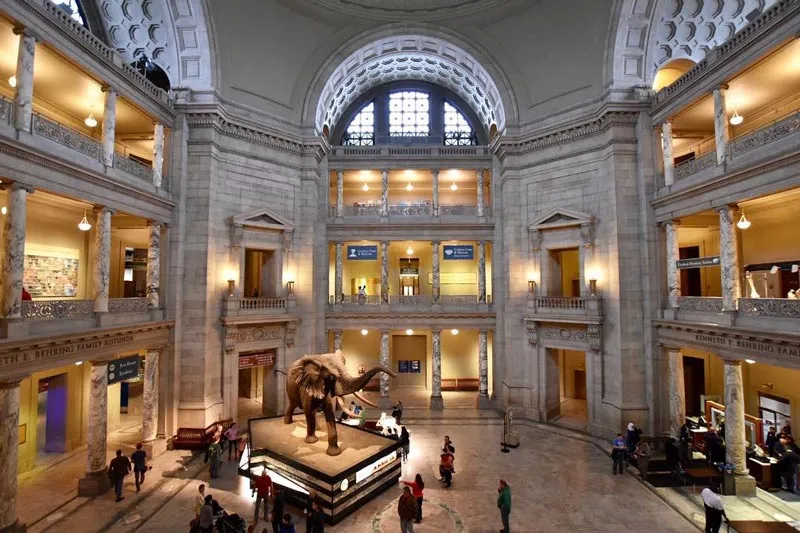
Planning your visit to the Natural History Museum The Smithsonian National Museum of Natural History opened in 1910 to invoke discovery and education of the natural world. Its green dome and immense size (comparable to 18 football fields) are signatures, as well as the 140 million-plus natural science specimens and cultural artifacts that the museum contains. The Museum of Natural History is centrally located in Washington, DC on the National Mall. Like all Smithsonian Institution museums, admission is free. Its regular hours are 10 a.m. – 5:30 p.m., but hours are extended during the spring and summer with a closing time of 7:30 p.m. The museum is open every day of the year except Dec. 25. The most convenient way to reach the museum is via public transportation. Public parking is scarce, but there are parking spaces available for visitors with disabilities. If using Metrorail, take the Orange or Blue lines to the Smithsonian station and use the Mall exit. If taking Metrobus, use the 32, 34 or 36 routes. What’s inside the National Museum of Natural History? The museum contains some of the most famous artifacts in the world. The Janet Annenberg Hooker Hall of Geology, Gems and Minerals has the supposedly cursed Hope Diamond on display. Meanwhile, Q?rius, the museum’s education center, offers teens and tweens a lab where they can make their own scientific discoveries. After a five-year renovation, the museum has reopened its David H. Koch Hall of Fossils. The 31,000-square-foot exhibit’s theme is Deep Time, borrowed from a scientific phrase that illustrates how Earth’s history has played out over billions of years. Prepare to be amazed, overwhelmed, engaged and dazzled by one of the biggest exhibitions to come to DC in years. Other permanent exhibits include an insect zoo and The Sant Ocean Hall, which features an exact replica of a living North Atlantic right whale. A visit to the Museum of Natural History is only the beginning – keep exploring the incredible selection of free museums and attractions available in the nation's capital.
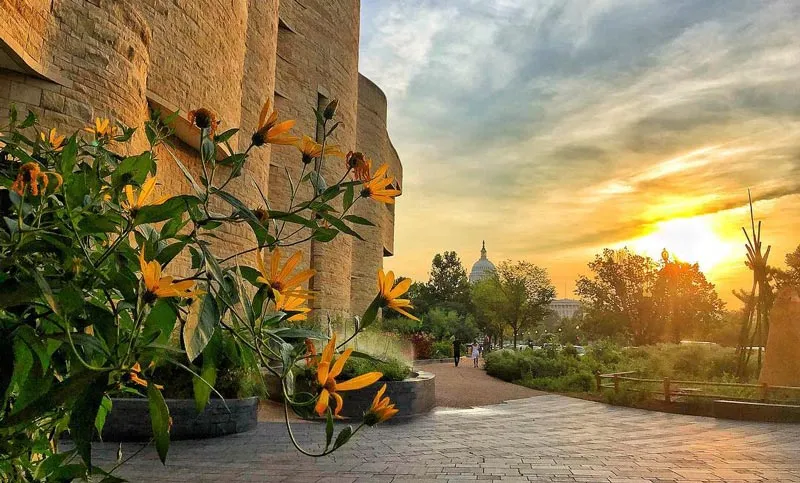
Visiting the Smithsonian National Museum of the American Indian in Washington, DC
What is the Smithsonian National Museum of the American Indian and where is it? The National Museum of the American Indian (NMAI) is located on Independence Avenue SW on the National Mall. The museum boasts one of the world’s most expansive collections of Native American objects, photographs, artifacts and media. The NMAI is dedicated to bringing Native voices to life throughout its contemplative exhibitions and colorful activities. The easiest way to get there is via public transportation. If traveling by Metrorail, get off at the L’Enfant Plaza stop on the Blue, Orange, Silver, Green and Yellow lines and use the Maryland Avenue/Smithsonian Museums exit. If traveling by bus, take the DC Circulator’s National Mall route or the 30, 32, 34 or 36 Metrobus lines. What’s inside the National Museum of the American Indian? The NMAI provides its first “wow!” moment before you even walk in the door. The building (designed entirely by Native architects) is one of DC’s most visually striking, with its curvilinear structure and limestone material designed to resemble rock formations affected by wind and water over thousands of years. The museum's collections represent more than 12,000 years of history across 1,200-plus indigenous cultures from the Americas. These objects range from the aesthetic to the religious to the historical, helping to form a comprehensive catalogue of Native American culture. Ongoing exhibitions at the museum include Return to a Native Place: Algonquian Peoples of the Chesapeake, which allows you to meet the Native peoples of the Chesapeake Bay through maps, ceremonial objects, photographs and interactive displays. These details can help you have a deeper understanding of just how prevalent Native Americans were, and are, to the areas surrounding DC. The Great Inka Road: Engineering an Empire takes you back to earlier Andean cultures to explore the foundations of the Inka Road. You will learn of technologies that made the road possible, the politics and cosmology of the Inka world and the legacy that the Inka Empire left, from the colonial period to today. Of course, the museum regularly features new exhibits, so check to see what’s on display before you go. Your visit must include the National Native American Veterans Memorial, located on museum grounds. The touching tribute to Native heroes is beautifully designed, featuring an elevated stainless-steel circle balanced on a stone drum.
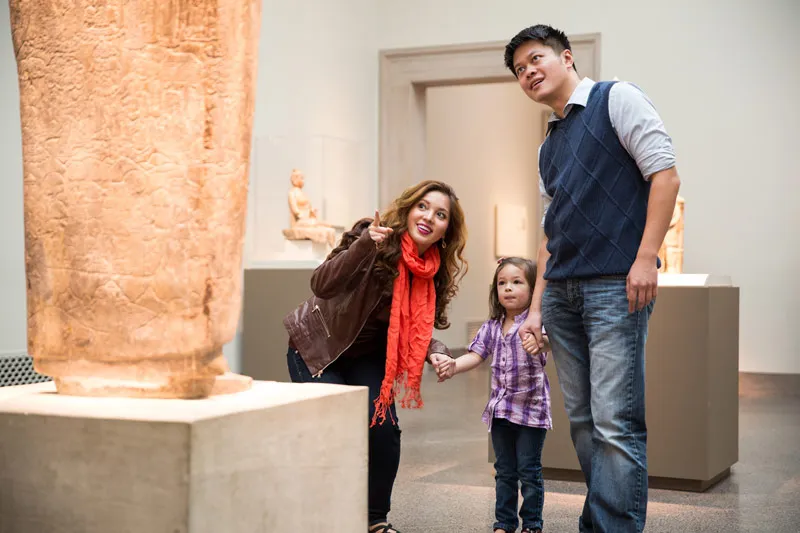
Visiting the Smithsonian's National Museum of Asian Art in Washington, DC
What is the National Museum of Asian Art and how do I get there? The vibrant and colorful world of Asian art is all around at this breathtaking museum located on the National Mall and part of the Smithsonian Institution museums. The National Museum of Asian Art is located at 1050 Independence Avenue SW. The museum opened to the public in 1987, with Dr. Arthur M. Sackler as its primary donor. His immense collection of Asian art included famous Chinese jades and ancient bronzes, necessitating a new Smithsonian museum dedicated to works from Asian nations more than 60 years after the Freer Gallery opened in 1923, whose founder was a railroad-car manufacturer named Charles Lang Freer. The museum now contains more than 26,000 objects across 6,000 years of history. The museum is open daily from 10 a.m. – 5:30 p.m., except on December 25. Admission is always free. In terms of transportation, on-street parking is very limited, so using Metrobus or Metrorail is the best option to reach both galleries. Use the Smithsonian Metro station on the Orange, Blue and Silver lines. The 32, 34 or 36 Metrobus routes all serve the National Mall area. The DC Circulator’s National Mall route will also take you near the museums – making it easy to continue your exploration afterwards. The Freer Gallery features a handicap accessible entrance on Independence Avenue at 12th Street SW. What’s inside the National Museum of Asian Art? Expect a wide variety of Asian art from several regions and eras, including Islamic works, Chinese art, ancient Near Eastern art and pieces from South and Southeast Asia and the Himalayas. It all adds up to a comprehensive and historical look at some of the world’s most fascinating cultures. The museum also hosts events and film screenings, with some held at other museums around town. Check the calendar to see if you can catch one during your DC visit. A final insider tip: make sure to check out the beautiful Enid A. Haupt Garden, situated just outside of the galleries. The four-acre public garden boasts gorgeous fountains, brick paths for walking, a famous Parterre and beautiful scenery.
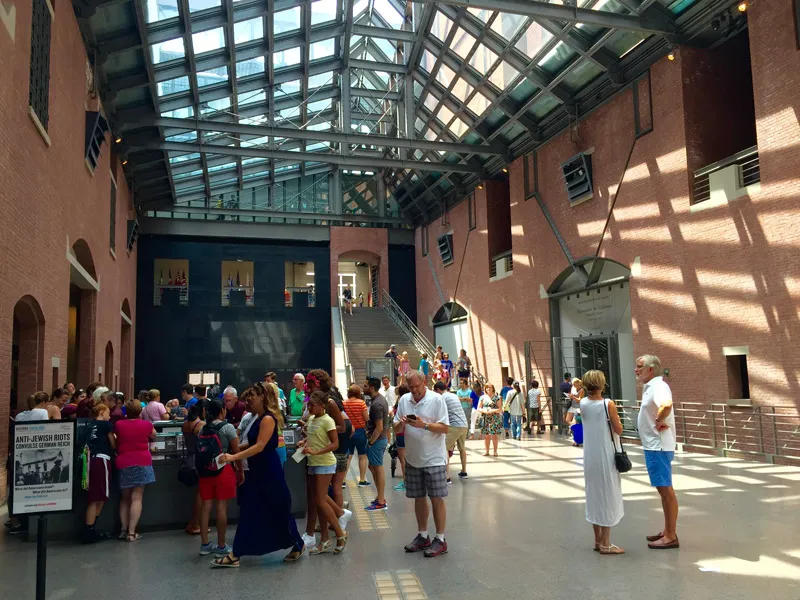
Visiting the United States Holocaust Memorial Museum in Washington, DC
What and where is the United States Holocaust Memorial Museum? The United States Holocaust Memorial Museum is located on the National Mall, just south of Independence Avenue SW, between 14th Street and Raoul Wallenberg Place SW. Its official address is 100 Raoul Wallenberg Place SW, Washington, DC 20024. The museum serves as a living memorial to the Holocaust, one of the worst tragedies the world has ever seen. Its purpose is to educate its visitors on the dangers of hatred and the atrocities of genocide, and how society can confront challenges to freedom and human dignity. Hours & Ticketing The museum is open from 10 a.m. to 5:20 p.m. every day of the year except for Yom Kippur and Christmas Day, December 25. Admission to the museum is free, but from March 1 to Aug. 31, timed tickets (subject to a $1 transaction fee) are needed to enter the museum’s permanent exhibition, which details the story of the Holocaust from 1933-1945. At any other time of the year, you can enter every part of the museum for free. Find out more info on acquiring tickets to the United States Holocaust Memorial Museum. Best way to get there. The easiest way to get to the United States Holocaust Memorial Museum is via Metrorail or the DC Circulator’s National Mall route. The closest Metro stop is the Smithsonian station on the Orange, Blue and Silver lines, just one block from the museum. The closest Circulator stop is no. 6 on the Mall route, which will take you directly in front of the museum. The facility is accessible to visitors who require mobility assistive devices. What exhibits are inside the United States Holocaust Memorial Museum? The centerpiece of the United States Holocaust Memorial Museum is its permanent exhibition, simply titled The Holocaust. Covering three floors, the exhibit uses artifacts, photographs and film to provide a chronological telling of the tragedy, with each floor covering a different era. Along the way, you will see personal objects that belonged to survivors, as well as hear their eyewitness testimonies. The museum’s other exhibits, which often rotate, further serve to educate visitors about the perils of discrimination and violence motivated by prejudice. The learning does not have to stop there. The United States Holocaust Memorial Museum’s website is also full of resources in order to further inform citizens about the damaging effects of prejudice and discriminatory violence, as well as how to confront such behavior and beliefs. The museum frequently hosts film screenings and events, including first-person testimonials from brave survivors of the Holocaust.