
All Articles
Meet Me at 9:30: A History of DC's 9:30 Club
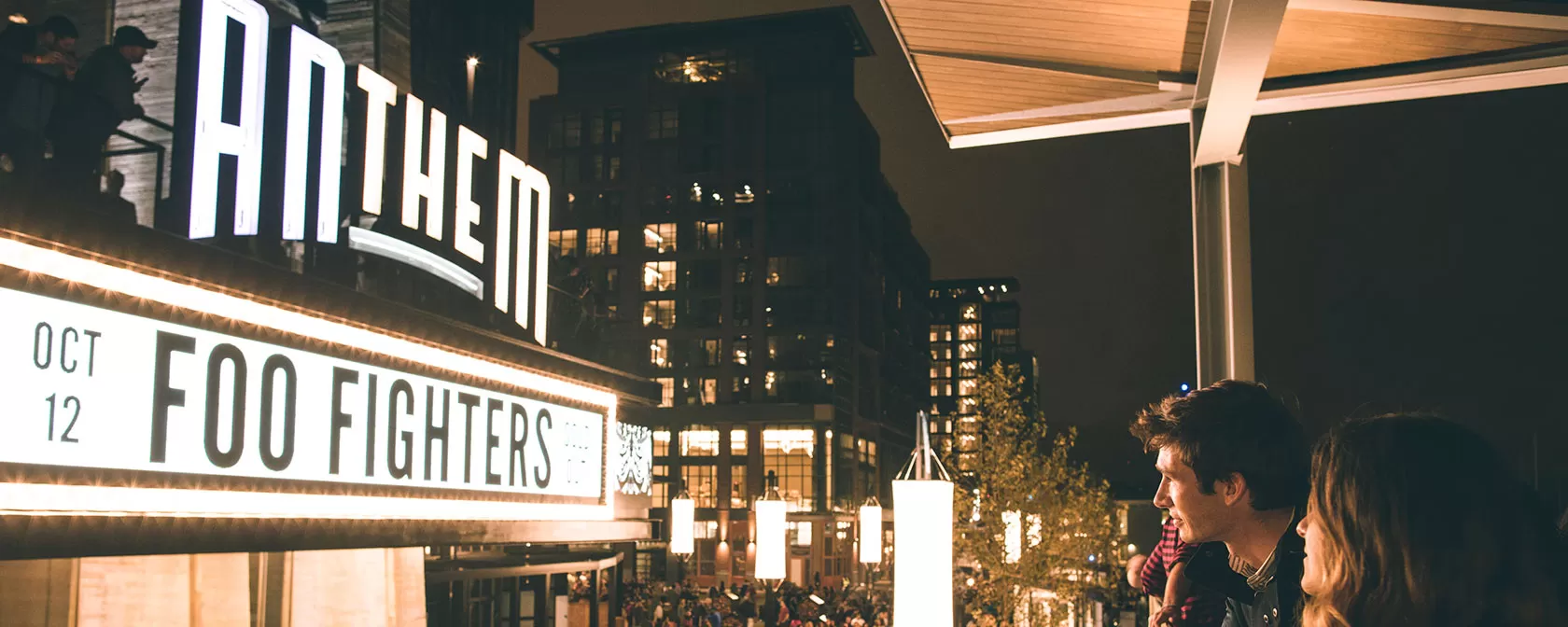
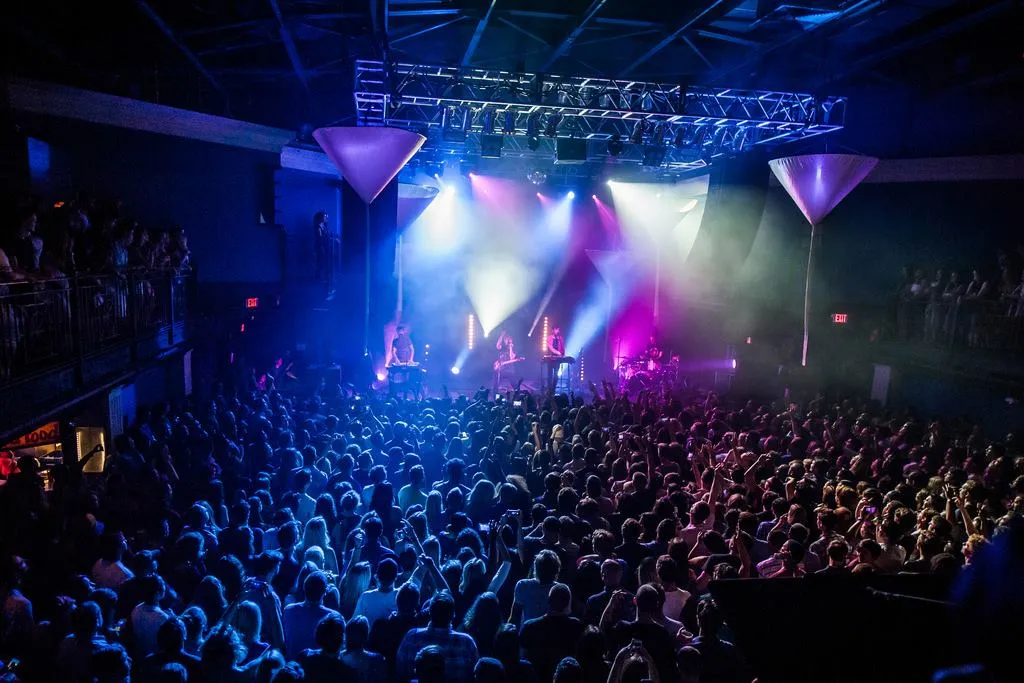
The 9:30 Club is a beacon for live music in the nation’s capital, a place where both renowned and up-and-coming artists from nearly every musical genre come to play. The venue is legendary in DC – the original club opened at 930 F Street NW in 1980 and moved to its current digs at 815 V Street NW in 1996, which was once the WUST Radio Music Hall and, prior to that, the site of a music club owned by local jazz legend Duke Ellington. In 2016, PBS launched Live at 9:30, a documentary series showcasing performances from a range of artists with interviews from band members and other special guests (you can stream the show anytime). To mark the occasion, we’ve gone back in time to examine the foundations of this DC institution, and relive its evolution into becoming the city’s most revered music venue. The Start of Something The 9:30 Club was founded by Dody DiSanto and Jon Bowers, and hosted its first show on May 31, 1980, featuring Massachusetts jazz-punk band the Lounge Lizards and local new wave group Tiny Desk Unit. Fun fact #1: NPR’s Tiny Desk Concerts creator, Bob Boilen, named the radio program after the Tiny Desk Unit, for which he played synthesizer. The club was situated inside the Atlantic Building, which had been built in 1888, and certainly not for the purpose of hosting some of the most vibrant and influential rock music acts of all-time. The old 9:30 Club is remembered for its intense and cathartic shows, with the venue packed to the gills with sweaty teens and music lovers. Thanks to DiSanto, you could also catch offbeat theme parties and performance art inside, establishing a gathering place for DC creatives, well outside the realm of politics. 9:30’s decor– which featured video monitors throughout the club, unheard of at the time – would also change frequently, with cutting-edge visuals created by Mark Holmes, who also bartended, served as disc jockey and created the posters for the venue. Holmes tragically passed away in 1990, and the current club features an exhibit dedicated to Holmes and his work in the downstairs area. The club became a hub for local and national bands that simply had nowhere else to play; the punk rock movement alienated owners of larger clubs all over the East Coast, but 9:30 was happy to welcome just about any group through its doors. DC’s hardcore music scene came into its own at the venue, with bands like Teen Idles, Minor Threat and Bad Brains performing to energetic crowds. The club also hosted all-ages and matinee events, so that younger, “straight-edge” fans could take in their favorite local bands. Of course, hometown sounds went beyond the punk set, as go-go music became a sensation in the city in the ‘80s as well. While various strains of punk music regularly echoed from the 9:30 stage, it also bellowed the locally grown sounds of go-go, with groups like Trouble Funk filling the venue. Fun fact #2: The original 9:30 Club was situated right next to Ford’s Theatre and had a back door where bands loaded in and out that led to the same alley John Wilkes Booth used for his escape after assassinating President Lincoln. This communal atmosphere not only catapulted 9:30 Club to the forefront of the city’s music scene, but also elevated DC’s cultural stature all over the country. As the ‘80s stretched on, you could catch an emerging indie band at the 9:30 Club nearly every night; some went on to superstardom. A few of the bands that took to the original club’s stage before they really hit it big: R.E.M., Nirvana (who, in 1991, wrote their 14-song set list on a paper plate before the show), Red Hot Chili Peppers, Smashing Pumpkins and Jane’s Addiction. The Big Move Seth Hurwitz and Rich Heinecke began booking shows for the 9:30 Club in 1981, and bought the establishment in 1986. The club’s notoriety only grew, and eventually, the cozy and condensed confines of 930 F Street NW could no longer hold the spectacle inside. As new venues like The Black Cat started opening, Hurwitz and Heinecke felt it was time to re-invent the club. On Jan. 5, 1996, the new 9:30 Club opened with a raucous show that fittingly featured the Smashing Pumpkins, who were in the midst of massive MTV stardom at the time. The legal capacity of the original venue was 199; the current iteration of 9:30 holds up to 1,200 people. Since then, the club has continued to welcome emerging artists from all over the world, as well as established acts. Fun fact #3: Bob Dylan, Radiohead, the Red Hot Chili Peppers and the Foo Fighters are some of the big names that have performed surprise shows at the second incarnation of the 9:30 Club. The original 9:30 Club helped revolutionize the DC music scene, establishing a new touchstone in the city’s storied musical history, which dates all the way back to the era of “Black Broadway.” With the establishment of the current 9:30 Club on V Street, the venue again ushered in a new era, leading to the surrounding area’s wealth of culture and art that has the U Street and Shaw neighborhoods thriving today. Time to Rock Now that you know about 9:30 Club’s history, check out Live at 9:30 to dig even deeper into this DC gem and the outstanding performances that it holds. And, for darn sake, go to a concert, because no article or video can fully replicate the experience of seeing a show at one of America’s greatest venues.
QA Test Automated cron Article sync 1
As you return to traveling this year, Washington, DC should be at the very top of your list. The nation’s capital offers more than 100 free things to do, but it should come as no surprise that museums are some of the most popular attractions. We’ve gone into deep detail on four of the city’s most popular museums (including one dedicated to living animals), none of which charge admission. Find the latest updates on visiting museums, including Smithsonian's plans to have all of its museums open by the end of August 2021, mask mandates for all indoor museums and the latest ticketing requirements. Book your next vacation to the nation’s capital and visit these only-in-the-District museums, free of charge. In the heart of the nation’s capital lives a portal to wildlife from around the world. Smithsonian’s National Zoo offers a firsthand, family-friendly experience through a 163-acre urban park in the Woodley Park neighborhood teeming with roughly 2,700 animals that represent more than 390 species. The zoo is also connected to the Smithsonian Conservation Biology Institute (a non-public facility located in Front Royal, Va.), a global effort to conserve species and train future conservationists. This focus on preserving endangered animals extends to the zoo, as one-fifth of its exhibited species fall into this category. In the heart of the nation’s capital lives a portal to wildlife from around the world. Smithsonian’s National Zoo offers a firsthand, family-friendly experience through a 163-acre urban park in the Woodley Park neighborhood teeming with roughly 2,700 animals that represent more than 390 species. The zoo is also connected to the Smithsonian Conservation Biology Institute (a non-public facility located in Front Royal, Va.), a global effort to conserve species and train future conservationists. This focus on preserving endangered animals extends to the zoo, as one-fifth of its exhibited species fall into this category. In the heart of the nation’s capital lives a portal to wildlife from around the world. Smithsonian’s National Zoo offers a firsthand, family-friendly experience through a 163-acre urban park in the Woodley Park neighborhood teeming with roughly 2,700 animals that represent more than 390 species. The zoo is also connected to the Smithsonian Conservation Biology Institute (a non-public facility located in Front Royal, Va.), a global effort to conserve species and train future conservationists. This focus on preserving endangered animals extends to the zoo, as one-fifth of its exhibited species fall into this category. In the heart of the nation’s capital lives a portal to wildlife from around the world. Smithsonian’s National Zoo offers a firsthand, family-friendly experience through a 163-acre urban park in the Woodley Park neighborhood teeming with roughly 2,700 animals that represent more than 390 species. The zoo is also connected to the Smithsonian Conservation Biology Institute (a non-public facility located in Front Royal, Va.), a global effort to conserve species and train future conservationists. This focus on preserving endangered animals extends to the zoo, as one-fifth of its exhibited species fall into this category. In the heart of the nation’s capital lives a portal to wildlife from around the world. Smithsonian’s National Zoo offers a firsthand, family-friendly experience through a 163-acre urban park in the Woodley Park neighborhood teeming with roughly 2,700 animals that represent more than 390 species. The zoo is also connected to the Smithsonian Conservation Biology Institute (a non-public facility located in Front Royal, Va.), a global effort to conserve species and train future conservationists. This focus on preserving endangered animals extends to the zoo, as one-fifth of its exhibited species fall into this category. In the heart of the nation’s capital lives a portal to wildlife from around the world. Smithsonian’s National Zoo offers a firsthand, family-friendly experience through a 163-acre urban park in the Woodley Park neighborhood teeming with roughly 2,700 animals that represent more than 390 species. The zoo is also connected to the Smithsonian Conservation Biology Institute (a non-public facility located in Front Royal, Va.), a global effort to conserve species and train future conservationists. This focus on preserving endangered animals extends to the zoo, as one-fifth of its exhibited species fall into this category. In the heart of the nation’s capital lives a portal to wildlife from around the world. Smithsonian’s National Zoo offers a firsthand, family-friendly experience through a 163-acre urban park in the Woodley Park neighborhood teeming with roughly 2,700 animals that represent more than 390 species. The zoo is also connected to the Smithsonian Conservation Biology Institute (a non-public facility located in Front Royal, Va.), a global effort to conserve species and train future conservationists. This focus on preserving endangered animals extends to the zoo, as one-fifth of its exhibited species fall into this category. In the heart of the nation’s capital lives a portal to wildlife from around the world. Smithsonian’s National Zoo offers a firsthand, family-friendly experience through a 163-acre urban park in the Woodley Park neighborhood teeming with roughly 2,700 animals that represent more than 390 species. The zoo is also connected to the Smithsonian Conservation Biology Institute (a non-public facility located in Front Royal, Va.), a global effort to conserve species and train future conservationists. This focus on preserving endangered animals extends to the zoo, as one-fifth of its exhibited species fall into this category. In the heart of the nation’s capital lives a portal to wildlife from around the world. Smithsonian’s National Zoo offers a firsthand, family-friendly experience through a 163-acre urban park in the Woodley Park neighborhood teeming with roughly 2,700 animals that represent more than 390 species. The zoo is also connected to the Smithsonian Conservation Biology Institute (a non-public facility located in Front Royal, Va.), a global effort to conserve species and train future conservationists. This focus on preserving endangered animals extends to the zoo, as one-fifth of its exhibited species fall into this category. In the heart of the nation’s capital lives a portal to wildlife from around the world. Smithsonian’s National Zoo offers a firsthand, family-friendly experience through a 163-acre urban park in the Woodley Park neighborhood teeming with roughly 2,700 animals that represent more than 390 species. The zoo is also connected to the Smithsonian Conservation Biology Institute (a non-public facility located in Front Royal, Va.), a global effort to conserve species and train future conservationists. This focus on preserving endangered animals extends to the zoo, as one-fifth of its exhibited species fall into this category. In the heart of the nation’s capital lives a portal to wildlife from around the world. Smithsonian’s National Zoo offers a firsthand, family-friendly experience through a 163-acre urban park in the Woodley Park neighborhood teeming with roughly 2,700 animals that represent more than 390 species. The zoo is also connected to the Smithsonian Conservation Biology Institute (a non-public facility located in Front Royal, Va.), a global effort to conserve species and train future conservationists. This focus on preserving endangered animals extends to the zoo, as one-fifth of its exhibited species fall into this category. In the heart of the nation’s capital lives a portal to wildlife from around the world. Smithsonian’s National Zoo offers a firsthand, family-friendly experience through a 163-acre urban park in the Woodley Park neighborhood teeming with roughly 2,700 animals that represent more than 390 species. The zoo is also connected to the Smithsonian Conservation Biology Institute (a non-public facility located in Front Royal, Va.), a global effort to conserve species and train future conservationists. This focus on preserving endangered animals extends to the zoo, as one-fifth of its exhibited species fall into this category. In the heart of the nation’s capital lives a portal to wildlife from around the world. Smithsonian’s National Zoo offers a firsthand, family-friendly experience through a 163-acre urban park in the Woodley Park neighborhood teeming with roughly 2,700 animals that represent more than 390 species. The zoo is also connected to the Smithsonian Conservation Biology Institute (a non-public facility located in Front Royal, Va.), a global effort to conserve species and train future conservationists. This focus on preserving endangered animals extends to the zoo, as one-fifth of its exhibited species fall into this category. In the heart of the nation’s capital lives a portal to wildlife from around the world. Smithsonian’s National Zoo offers a firsthand, family-friendly experience through a 163-acre urban park in the Woodley Park neighborhood teeming with roughly 2,700 animals that represent more than 390 species. The zoo is also connected to the Smithsonian Conservation Biology Institute (a non-public facility located in Front Royal, Va.), a global effort to conserve species and train future conservationists. This focus on preserving endangered animals extends to the zoo, as one-fifth of its exhibited species fall into this category. In the heart of the nation’s capital lives a portal to wildlife from around the world. Smithsonian’s National Zoo offers a firsthand, family-friendly experience through a 163-acre urban park in the Woodley Park neighborhood teeming with roughly 2,700 animals that represent more than 390 species. The zoo is also connected to the Smithsonian Conservation Biology Institute (a non-public facility located in Front Royal, Va.), a global effort to conserve species and train future conservationists. This focus on preserving endangered animals extends to the zoo, as one-fifth of its exhibited species fall into this category. In the heart of the nation’s capital lives a portal to wildlife from around the world. Smithsonian’s National Zoo offers a firsthand, family-friendly experience through a 163-acre urban park in the Woodley Park neighborhood teeming with roughly 2,700 animals that represent more than 390 species. The zoo is also connected to the Smithsonian Conservation Biology Institute (a non-public facility located in Front Royal, Va.), a global effort to conserve species and train future conservationists. This focus on preserving endangered animals extends to the zoo, as one-fifth of its exhibited species fall into this category. In the heart of the nation’s capital lives a portal to wildlife from around the world. Smithsonian’s National Zoo offers a firsthand, family-friendly experience through a 163-acre urban park in the Woodley Park neighborhood teeming with roughly 2,700 animals that represent more than 390 species. The zoo is also connected to the Smithsonian Conservation Biology Institute (a non-public facility located in Front Royal, Va.), a global effort to conserve species and train future conservationists. This focus on preserving endangered animals extends to the zoo, as one-fifth of its exhibited species fall into this category. In the heart of the nation’s capital lives a portal to wildlife from around the world. Smithsonian’s National Zoo offers a firsthand, family-friendly experience through a 163-acre urban park in the Woodley Park neighborhood teeming with roughly 2,700 animals that represent more than 390 species. The zoo is also connected to the Smithsonian Conservation Biology Institute (a non-public facility located in Front Royal, Va.), a global effort to conserve species and train future conservationists. This focus on preserving endangered animals extends to the zoo, as one-fifth of its exhibited species fall into this category. In the heart of the nation’s capital lives a portal to wildlife from around the world. Smithsonian’s National Zoo offers a firsthand, family-friendly experience through a 163-acre urban park in the Woodley Park neighborhood teeming with roughly 2,700 animals that represent more than 390 species. The zoo is also connected to the Smithsonian Conservation Biology Institute (a non-public facility located in Front Royal, Va.), a global effort to conserve species and train future conservationists. This focus on preserving endangered animals extends to the zoo, as one-fifth of its exhibited species fall into this category. In the heart of the nation’s capital lives a portal to wildlife from around the world. Smithsonian’s National Zoo offers a firsthand, family-friendly experience through a 163-acre urban park in the Woodley Park neighborhood teeming with roughly 2,700 animals that represent more than 390 species. The zoo is also connected to the Smithsonian Conservation Biology Institute (a non-public facility located in Front Royal, Va.), a global effort to conserve species and train future conservationists. This focus on preserving endangered animals extends to the zoo, as one-fifth of its exhibited species fall into this category. In the heart of the nation’s capital lives a portal to wildlife from around the world. Smithsonian’s National Zoo offers a firsthand, family-friendly experience through a 163-acre urban park in the Woodley Park neighborhood teeming with roughly 2,700 animals that represent more than 390 species. The zoo is also connected to the Smithsonian Conservation Biology Institute (a non-public facility located in Front Royal, Va.), a global effort to conserve species and train future conservationists. This focus on preserving endangered animals extends to the zoo, as one-fifth of its exhibited species fall into this category. In the heart of the nation’s capital lives a portal to wildlife from around the world. Smithsonian’s National Zoo offers a firsthand, family-friendly experience through a 163-acre urban park in the Woodley Park neighborhood teeming with roughly 2,700 animals that represent more than 390 species. The zoo is also connected to the Smithsonian Conservation Biology Institute (a non-public facility located in Front Royal, Va.), a global effort to conserve species and train future conservationists. This focus on preserving endangered animals extends to the zoo, as one-fifth of its exhibited species fall into this category. In the heart of the nation’s capital lives a portal to wildlife from around the world. Smithsonian’s National Zoo offers a firsthand, family-friendly experience through a 163-acre urban park in the Woodley Park neighborhood teeming with roughly 2,700 animals that represent more than 390 species. The zoo is also connected to the Smithsonian Conservation Biology Institute (a non-public facility located in Front Royal, Va.), a global effort to conserve species and train future conservationists. This focus on preserving endangered animals extends to the zoo, as one-fifth of its exhibited species fall into this category.

The Best City to Visit in 2024
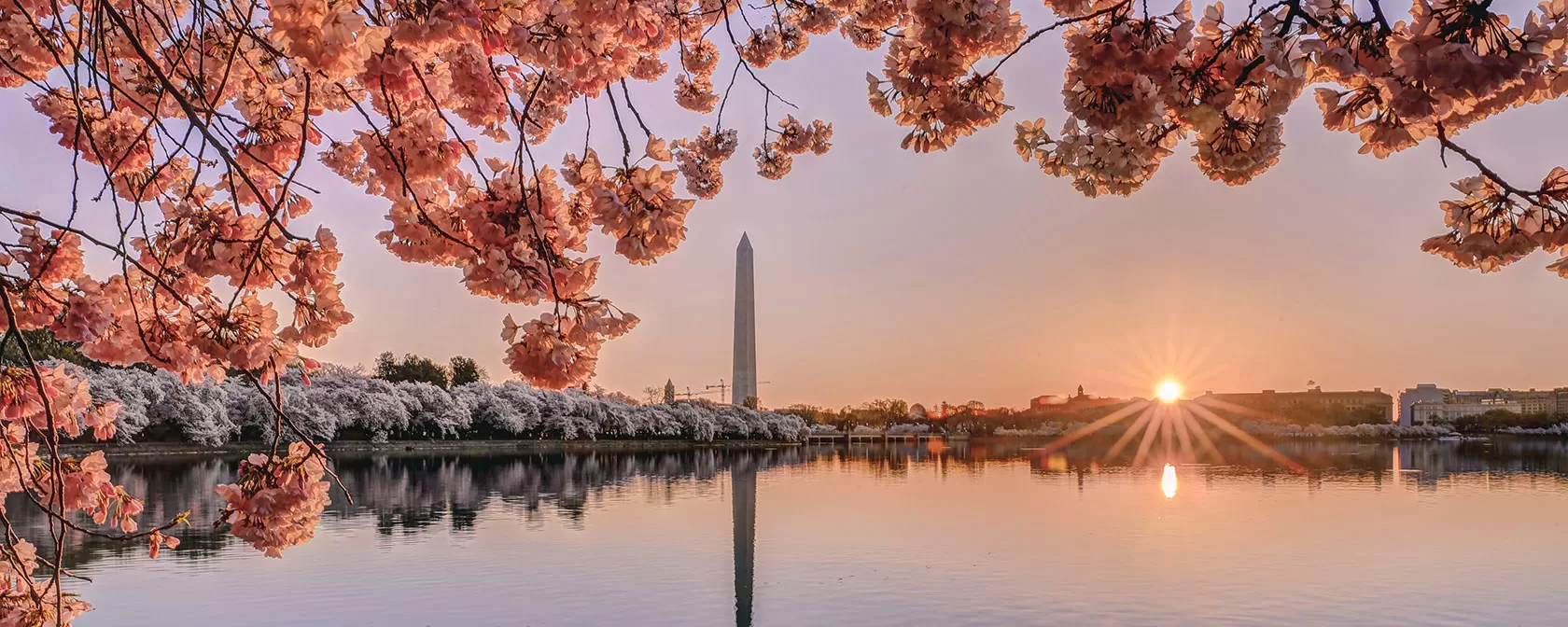
Every year, Washington, DC is among a short list of can’t-fail travel destinations. Just ask readers of major travel publication Condé Nast Traveler, who recently named the District one of the best cities in the U.S. In turn, we’ve laid out this incredible list of big things in the year ahead below, and whenever you’re ready, book your stay with these great deals at DC hotels. Check out the reopened National Museum of Women in the Arts The only museum solely dedicated to championing women through the arts has reopened its doors with improved interior and exterior spaces, new mechanical systems, enhanced amenities and accessibility, enlarged gallery space and additional research and education space. Exhibitions include a number of rotating galleries, which you can explore on the NMWA's website. Restaurant Week – Jan. & Aug. TBD Restaurant Association Metropolitan Washington hosts two annual celebrations of DC’s eclectic dining scene: one in January and a summer edition in August. For both seasonal editions, Restaurant Week offers diners pre-fixe menus for lunch/brunch ($25/$35) and dinner ($40/$55/$65). Washington Auto Show – Jan. 19-28 The world-class event displays engineering prowess and innovation along with more than 600 new models from 30+ car manufacturers inside the Walter E. Washington Convention Center. Interactive displays and on-site activations add to the fascination of this motor vehicle showcase. The 50th Anniversary of the Hirshhorn Museum and Sculpture Garden One of the most visited modern art museums in the U.S. and a national platform for the most groundbreaking artists of our time, the Hirshhorn Museum celebrates its fifth decade throughout 2024 with events, programming and exhibitions. The location is also expected to debut a revitalized Sculpture Garden. Ain't Too Proud – Feb. 13-18 If you think the music of The Temptations is fantastic, just wait until you hear their story. The Kennedy Center hosts the Broadway smash Ain’t Too Proud, a musical that will make you want to dance in the aisles. Five kids from Detroit are discovered by the legendary Berry Gordy, then signed to Motown, then launched into an unforgettable career filled with chart-topping hits. Along the way, both friendship and betrayal enter into the story, in addition to civil rights struggles in the country at-large. Don’t miss this Tony Award-winning song-and-dance extravaganza that also offers a captivating tale. The Book of Mormon – March 5-17 One of the most acclaimed musicals of all-time, The Book of Mormon is a Tony Award-winning tale of two Mormon missionaries in Africa penned by the kings of irreverence, Trey Parker and Matt Stone (creators of South Park). Watch two knuckleheads stagger through misadventures and awkward situations as they attempt to spread the Word. The National Theatre hosts the hilarious production. Awesome Con – March 8-10 More than 70,000 fans can see their favorite stars from comics, films, TV, toys and games throughout Awesome Con, a three-day festival that is Washington, DC’s own Comic Con. Expect plenty of costumed attendees and an array of activities to enjoy during one of the city’s most vibrant annual events. Fighters for Freedom: William H. Johnson Picturing Justice – March 8 – Sept. 8 In the mid-1940s, William H. Johnson painted his Fighters for Freedom series to honor Black activists, scientists, teachers, performers and international heads of state working to bring peace to the world. Johnson celebrated these figures – some very famous, others unsung – while acknowledging the racism, violence and oppression each one fought against. The exhibit will showcase many of these paintings, including Johnson’s portraits of Harriet Tubman, George Washington Carver, Mahatma Gandhi and Marian Anderson, elevating stories that are still relevant to the struggle for social justice today. Little Shop of Horrors – March 15 – May 18 Originally a sci-fi/horror comedy film released in 1960, Little Shop of Horrors then became an off-Broadway musical in the early 1980s. Yet another film adaptation followed a few years later, showing how this timeless story of a floral shop assistant and his singing, deadly plant will always dazzle audiences. The historic Ford’s Theatre revives the dynamic production during its upcoming spring season. Make sure to use code DDCSHOP20 for 20% off your tickets to the show (valid for March 16 - April 6 & May 1-18; limit two tickets per purchase)! National Cherry Blossom Festival – March 18 – April 14 DC celebrates the blooming of cherry trees with a month-long festival that commemorates the 1912 gift from Mayor Yukio Ozaki of Tokyo to the city. Peak bloom, which is defined as when 70% of the Yoshino cherry trees at the Tidal Basin have fully opened, was reached on March 17 and the best time to view the blossoms lasts for about a week after peak bloom (and even a few days longer in ideal conditions). Check out popular festival events in the lead-up to the celebration, in addition to our guide to the celebration, how to get the most popular blossom spots and the best places to snap photos. Washington Nationals Baseball – Begins April 1 The Washington Nationals, who have four National League East titles, five postseason appearances and a World Series championship since coming to DC in 2005, are one of the city's main attractions throughout the spring and summer. Head to Nationals Park to experience MLB action with an exciting schedule, plenty of home runs and, of course, Racing Presidents. Peter Pan – April 9-21 The Broadway musical based on J.M. Barrie’s legendary character turns the National Theatre into Neverland next April. The play, which has been dazzling audiences for more than 70 years, receives a reimagination by playwright Larissa FastHorse and is directed by Emmy Award winner Lonny Price. Peter Pan and his fairy sidekick, Tinker Bell, will take the entire family on a magical voyage, performing songs like “I’m Flying,” “I Gotta Crow” and “I Won’t Grow Up” along the way. Macbeth – April 9 – May 5 One of the great Shakespeare interpreters and once a member of the Royal Shakespeare Company, Tony and BAFTA Award winner Ralph Fiennes (also known for film roles in the Harry Potter series, The English Patient and Zero Dark Thirty) plays Macbeth in one of the Bard's most intense dramas. Olivier Award winner and Game of Thrones star Indira Varma also stars as Lady Macbeth in a production helmed by Shakespeare Theatre Company's Artistic Director, Simon Godwin. Up Close with Paul Cézanne – April 17 – July 14 The Phillips Collection unveils two recently conserved works by French painter Paul Cézanne in an exciting new exhibit slated for the spring. The major paintings, Mont Sainte-Victoire (1886-87) and Self-Portrait (1878-80), are part of the museum’s world-renowned collection by the legendary artist and will be displayed together for the first time in decades along with five other pieces by Cézanne. Learn about the conservation of Mont Sainte-Victoire and Self-Portrait and how it reveals details previously obscured by varnishes while providing insight into the artist’s process. The Illusionists – April 23-28 The most popular magic show in the world has toured through hundreds of cities, inspired two TV specials and shattered box office records. The Illusionists now comes to the illustrious Kennedy Center, where it will amaze audiences of all ages with astonishing, non-stop magic that is more sophisticated than anything you’ve seen before. Unbound: Narrative Art of the Plains – Opens June 1 The National Museum of the American Indian celebrates the expression of narrative art among Native nations of the Great Plains. The exhibition features hides, muslins and ledger books along with more than 50 contemporary pieces commissioned by the museum, depicting ceremonial events, family life, Native identity, pop culture, war deeds and much more. Passport DC – May 1-31 A month of programming across the city focuses on showcasing DC’s international culture. The Around the World Embassy Tour and the European Union Open House are annual highlights, usually held on the first two Saturdays of the month. Most events and tours can be enjoyed entirely free of charge. Capital Pride – May 31 – June 9 Each year, local nonprofit Capital Pride hosts an array of exciting events and 2024 will be no different. There will be plenty of ways to show the community love in June. Last year’s attractions included a Pridemobile Parade and a Taste of Pride brunch, in addition to the yearly concert and festival. Event dates and details will be announced in the coming months. Also note that DC will host World Pride in 2025. The Migration: Reflections on Jacob Lawrence – June 7 – July 14 Inspired by the incredible Migration Series by Jacob Lawrence (you can see all 60 panels at The Phillips Collection in DC), Step Afrika! uses its innovative style of percussive dance to tell the riveting and heroic story of millions of Black migrants who relocated from the rural South to the industrial North in the early 20th century. The award-winning dance company utilizes the imagery, colors and motifs of the paintings to create a performance filled with stunning movements and drama. Giant National Capital Barbecue Battle – June 22-23 Everyone’s favorite barbecue-flavored event has been held in DC for more than 30 years. Pitmasters from all 50 states, local restaurants and live music shut down Pennsylvania Avenue between 3rd and 7th streets NW for a lively, two-day street party. Cooking demos and free tastings make for a savory (and filling) experience. The Kite Runner – June 25-30 Khaled Hosseini’s best-selling novel has been brilliantly adapted by playwright Matthew Spangler for this special production at the Kennedy Center. Set in Afghanistan, The Kite Runner concerns two childhood friends torn apart by war, which erupts on the day of their highly anticipated kite-flying tournament. From there, the epic tale stretches across two decades and two continents, revealing the power of forgiveness and friendship. Funny Girl – June 25 – July 14 The Kennedy Center hosts a sensational Broadway revival of Funny Girl, the story of Fanny Brice, a girl from the Lower East Side who dreams of mega-stardom on the stage. Even though she’s told time and again she’ll never succeed, Fanny becomes an iconic Broadway star. Featuring classic songs like “Don’t Rain On My Parade” and “People,” Funny Girl is a timeless love letter to the theater. Smithsonian Folklife Festival – June 26 – July 1 A summer tradition like none other, the Folklife Festival is a warm weather calling card for the District. The free international cultural festival held on the National Mall spotlights various nations and communities every year and also features immersive exhibits, live music, cooking demos and a lively marketplace. Mubadala Citi DC Open – July 27 – Aug. 4 The District’s signature professional tennis tournament will return to Rock Creek Park Tennis Center for its 55th edition in 2024. Top-tier talent from all over the world will compete for a prestigious trophy, leading to back-and-forth action that you do not want to miss. Otakon – Aug. 2-4 Annually held at the Walter E. Washington Convention Center, Otakon just might be the dedicated event space’s liveliest function all year long. The family-friendly convention is run by and dedicated to fans of Asian media, entertainment and pop culture, including anime, manga, music, movies and video games. The festivities range from cosplay contests, skits and live music to panel discussions with comic book (super)heroes, for-sale artworks and more. MAMMA MIA! – Aug. 13 – Sept. 1 Even though it’s become widely known as a successful film franchise, the stage rendition of MAMMA MIA! remains an absolute musical powerhouse. The essential hits of chart-topping Swedish group ABBA serve as the soundtrack to a daughter’s journey to find the father she’s never known, which prompts the arrival of three men from her mother’s past. Set on a sun-strewn Greek island, the joyous production will be a fall 2024 highlight at the Kennedy Center. DC JazzFest (20th Anniversary) – Labor Day Weekend, Aug. 28 – Sept. 1 The ultimate American art form comes to DC stages with leading artists from all over the world during this annual festival. The upcoming celebration will be extra special as the festival hits its 20th anniversary. Performances, which take place across the city, are both free and ticketed. Look back at 2023 and psych yourself up for what promises to be an even bigger celebration in 2024. Paris 1874: The Impressionist Moment – Sept. 8 – Jan. 19, 2025 Discover the origins of one of the most important art movements in history thanks to a new exhibit at the National Gallery of Art. The museum is replicating a legendary exhibit from Paris in 1874 that helped bring about the dawn of Impressionism. In the display, you will be able to view beloved paintings by Claude Monet, Pierre-Auguste Renoir, Paul Cézanne, Edgar Degas, Camille Pissaro and many more. Adams Morgan Day – Mid-Sept. TBD The longest-running neighborhood festival in the District puts on its 46th edition in 2024. The lively 18th Street will be buzzing with music, food vendors, for-sale artwork and family-friendly activities. Celebrate one of DC’s liveliest, most diverse neighborhoods with this day-long extravaganza that is led by volunteers and showcases the businesses, artists and organizations that make up Adams Morgan. Walkingtown DC – Late Sept. TBD Events DC showcases the incredible walkability of the nation’s capital during Walkingtown DC, a free, week-long public tour program. In total, dozens of guided walking tours are held throughout the District, including neighborhood showcases, themed excursions, historical journeys and many more. Historians, licensed tour guides, community leaders and business owners, among others, host these adventures that will take you to both well-known and hidden gems across DC. Downtown Holiday Market – Late Nov. TBD DC’s free-to-frequent downtown bazaar is centrally located in front of the Smithsonian American Art Museum and National Portrait Gallery. The beloved market stretches across two blocks of F Street between 7th and 9th streets. Scope out eclectic wares from dozens of pop-up tents with seasonally flavored music performed live in the background. Locally roasted coffee and crafted-before-your-eyes mini-doughnuts inspire a cold-weather appetite, creating a holiday atmosphere you won’t find anywhere else in the city. National Menorah Lighting – Dec. TBD Chanukah kicks off with this lighting ceremony of the world’s largest menorah on the White House Ellipse, which greets all with latkes, doughnuts, menorah kits and dreidels. Music from the United States Navy Band will add a soundtrack to the scene. As is the custom, a new candle is illuminated on each of the eight days of Hanukkah. National Christmas Tree Lighting – Dec. TBD The National Christmas Tree is DC’s claim to fame during the holidays, and for good reason. The gorgeous conifer lives in President’s Park on the White House Ellipse, where it's surrounded by trees decorated with handmade ornaments from 56 U.S. states and territories and is accompanied by nightly musical performances throughout the holiday season. The display is free to visit.