
All Articles
Guide to Union Station in Washington, DC
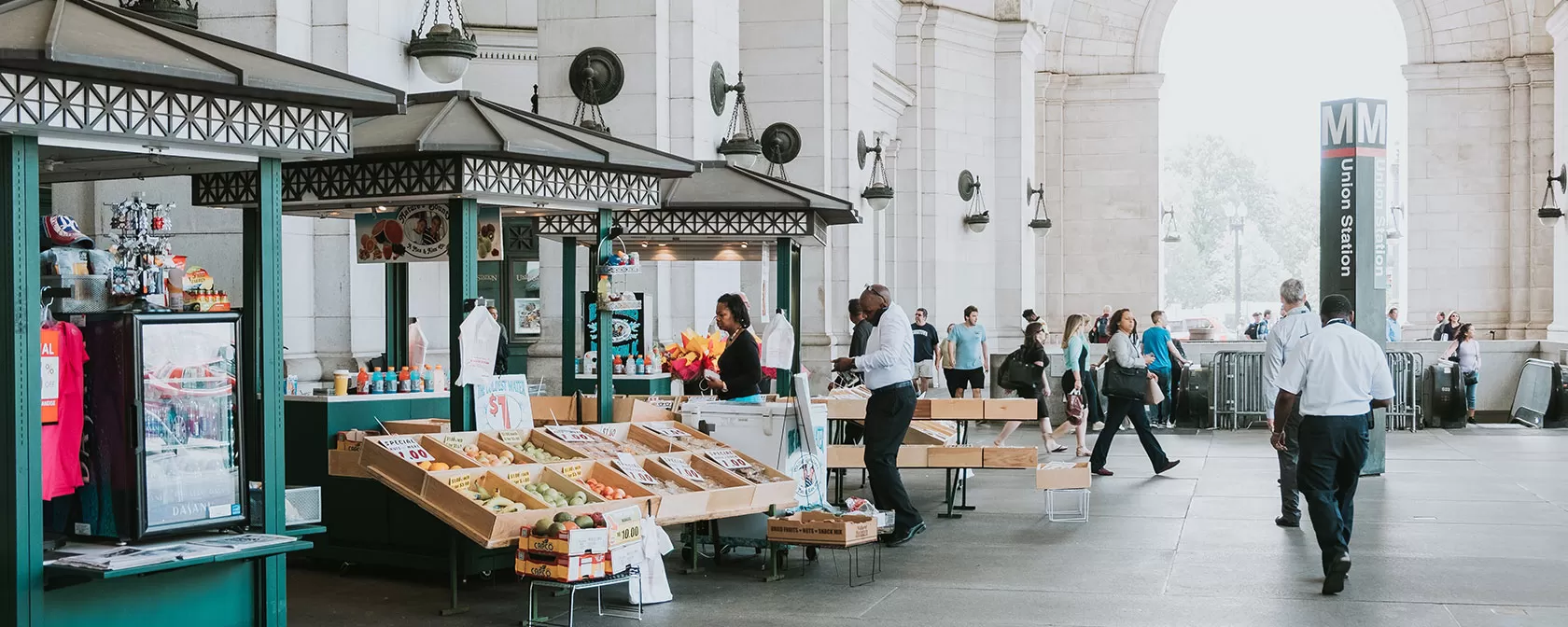
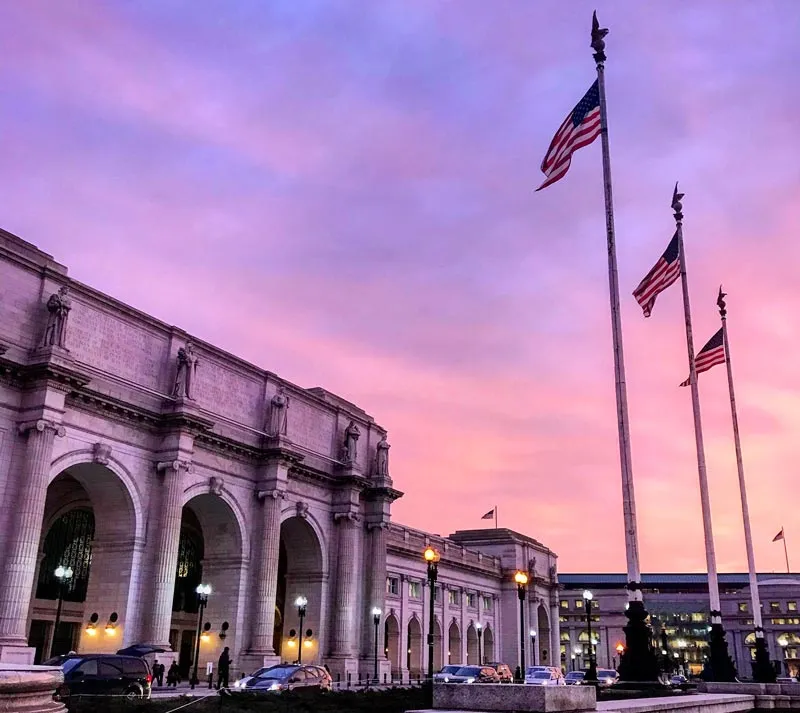
DC’s Union Station receives roughly 40 million visitors per year. Its beautiful architecture, various shops and dining options and status as one of the largest transportation hubs in the country, as well as a healthy dose of history, make the station a popular destination. We break down the DC landmark below. Transportation Options at Union Station Union Station is one of the busiest spots for transit and travel in the country. Numerous transportation modes are available, including rail options in the form of Metro, Amtrak, MARC trains and the Virginia Railway Express. There is a taxi dispatch at the Main Hall entrance that is open from 8 a.m. – 1 a.m. daily. You can also easily catch a bus or rent a car at Union Station. Parking is available at the Union Station Parking Garage at 30 Massachusetts Avenue NE. You can also book a sightseeing tour from Union Station through Old Town Trolley Tours. Shopping & Dining at Union Station The shopping options at Union Station are plentiful and address an array of needs and interests. The roster includes Walgreens, Warby Parker, Lee's Flower Shop, Andrew's Ties and many, many more. There's a restaurant for every taste inside Union Station. Quick options like Raising Cane's, Cava, Chipotle, Potbelly, Shake Shack and Taco Bell are on-site. You can enjoy a delicious cup of coffee from Blue Bottle Coffee or a flavorful smoothie from Jamba Juice. For bakery specialties, head to Cinnabon or grab a Chicago-style pizza at UNO Pizzeria & Grill. History The construction of Union Station was fully completed in April 1908, launching one of DC’s largest transportation hubs in the process. Architect Daniel Burnham designed the Beaux Arts building, which featured a jaw-dropping Main Hall (also known as the “General Waiting Room”) that dazzled patrons. By the early 1940s, roughly 200,000 passengers would pass through the station on any given day, as the railways were the most popular avenue for long-distance travel at the time. The station faced difficulties after the Second World War as plane travel became more popular. The facility was turned into a new National Visitor Center in 1976, but for only a short time due to poor funding and organization. By 1981, the building was in total disarray, leading to the structure being closed to the public and prompting Congress to pass the Union Station Redevelopment Act. Union Station reopened in 1988 with restored elements and three new levels of retail space. Its next difficulty arose from an earthquake that shook DC in August of 2011. By the fall of 2016, the entire Main Hall of the station had been restored, matching the Beaux Arts splendor showcased by Burnham in the early 1900s. These days, Union Station is again a crown jewel for DC, serving as one of the country’s busiest rail facilities as well as a prime destination for shopping and dining. If you’re looking for more information on DC’s transportation hubs, find out what you need to know about getting around Washington, DC.

QA Test Automated cron Article sync 1
As you return to traveling this year, Washington, DC should be at the very top of your list. The nation’s capital offers more than 100 free things to do, but it should come as no surprise that museums are some of the most popular attractions. We’ve gone into deep detail on four of the city’s most popular museums (including one dedicated to living animals), none of which charge admission. Find the latest updates on visiting museums, including Smithsonian's plans to have all of its museums open by the end of August 2021, mask mandates for all indoor museums and the latest ticketing requirements. Book your next vacation to the nation’s capital and visit these only-in-the-District museums, free of charge. In the heart of the nation’s capital lives a portal to wildlife from around the world. Smithsonian’s National Zoo offers a firsthand, family-friendly experience through a 163-acre urban park in the Woodley Park neighborhood teeming with roughly 2,700 animals that represent more than 390 species. The zoo is also connected to the Smithsonian Conservation Biology Institute (a non-public facility located in Front Royal, Va.), a global effort to conserve species and train future conservationists. This focus on preserving endangered animals extends to the zoo, as one-fifth of its exhibited species fall into this category. In the heart of the nation’s capital lives a portal to wildlife from around the world. Smithsonian’s National Zoo offers a firsthand, family-friendly experience through a 163-acre urban park in the Woodley Park neighborhood teeming with roughly 2,700 animals that represent more than 390 species. The zoo is also connected to the Smithsonian Conservation Biology Institute (a non-public facility located in Front Royal, Va.), a global effort to conserve species and train future conservationists. This focus on preserving endangered animals extends to the zoo, as one-fifth of its exhibited species fall into this category. In the heart of the nation’s capital lives a portal to wildlife from around the world. Smithsonian’s National Zoo offers a firsthand, family-friendly experience through a 163-acre urban park in the Woodley Park neighborhood teeming with roughly 2,700 animals that represent more than 390 species. The zoo is also connected to the Smithsonian Conservation Biology Institute (a non-public facility located in Front Royal, Va.), a global effort to conserve species and train future conservationists. This focus on preserving endangered animals extends to the zoo, as one-fifth of its exhibited species fall into this category. In the heart of the nation’s capital lives a portal to wildlife from around the world. Smithsonian’s National Zoo offers a firsthand, family-friendly experience through a 163-acre urban park in the Woodley Park neighborhood teeming with roughly 2,700 animals that represent more than 390 species. The zoo is also connected to the Smithsonian Conservation Biology Institute (a non-public facility located in Front Royal, Va.), a global effort to conserve species and train future conservationists. This focus on preserving endangered animals extends to the zoo, as one-fifth of its exhibited species fall into this category. In the heart of the nation’s capital lives a portal to wildlife from around the world. Smithsonian’s National Zoo offers a firsthand, family-friendly experience through a 163-acre urban park in the Woodley Park neighborhood teeming with roughly 2,700 animals that represent more than 390 species. The zoo is also connected to the Smithsonian Conservation Biology Institute (a non-public facility located in Front Royal, Va.), a global effort to conserve species and train future conservationists. This focus on preserving endangered animals extends to the zoo, as one-fifth of its exhibited species fall into this category. In the heart of the nation’s capital lives a portal to wildlife from around the world. Smithsonian’s National Zoo offers a firsthand, family-friendly experience through a 163-acre urban park in the Woodley Park neighborhood teeming with roughly 2,700 animals that represent more than 390 species. The zoo is also connected to the Smithsonian Conservation Biology Institute (a non-public facility located in Front Royal, Va.), a global effort to conserve species and train future conservationists. This focus on preserving endangered animals extends to the zoo, as one-fifth of its exhibited species fall into this category. In the heart of the nation’s capital lives a portal to wildlife from around the world. Smithsonian’s National Zoo offers a firsthand, family-friendly experience through a 163-acre urban park in the Woodley Park neighborhood teeming with roughly 2,700 animals that represent more than 390 species. The zoo is also connected to the Smithsonian Conservation Biology Institute (a non-public facility located in Front Royal, Va.), a global effort to conserve species and train future conservationists. This focus on preserving endangered animals extends to the zoo, as one-fifth of its exhibited species fall into this category. In the heart of the nation’s capital lives a portal to wildlife from around the world. Smithsonian’s National Zoo offers a firsthand, family-friendly experience through a 163-acre urban park in the Woodley Park neighborhood teeming with roughly 2,700 animals that represent more than 390 species. The zoo is also connected to the Smithsonian Conservation Biology Institute (a non-public facility located in Front Royal, Va.), a global effort to conserve species and train future conservationists. This focus on preserving endangered animals extends to the zoo, as one-fifth of its exhibited species fall into this category. In the heart of the nation’s capital lives a portal to wildlife from around the world. Smithsonian’s National Zoo offers a firsthand, family-friendly experience through a 163-acre urban park in the Woodley Park neighborhood teeming with roughly 2,700 animals that represent more than 390 species. The zoo is also connected to the Smithsonian Conservation Biology Institute (a non-public facility located in Front Royal, Va.), a global effort to conserve species and train future conservationists. This focus on preserving endangered animals extends to the zoo, as one-fifth of its exhibited species fall into this category. In the heart of the nation’s capital lives a portal to wildlife from around the world. Smithsonian’s National Zoo offers a firsthand, family-friendly experience through a 163-acre urban park in the Woodley Park neighborhood teeming with roughly 2,700 animals that represent more than 390 species. The zoo is also connected to the Smithsonian Conservation Biology Institute (a non-public facility located in Front Royal, Va.), a global effort to conserve species and train future conservationists. This focus on preserving endangered animals extends to the zoo, as one-fifth of its exhibited species fall into this category. In the heart of the nation’s capital lives a portal to wildlife from around the world. Smithsonian’s National Zoo offers a firsthand, family-friendly experience through a 163-acre urban park in the Woodley Park neighborhood teeming with roughly 2,700 animals that represent more than 390 species. The zoo is also connected to the Smithsonian Conservation Biology Institute (a non-public facility located in Front Royal, Va.), a global effort to conserve species and train future conservationists. This focus on preserving endangered animals extends to the zoo, as one-fifth of its exhibited species fall into this category. In the heart of the nation’s capital lives a portal to wildlife from around the world. Smithsonian’s National Zoo offers a firsthand, family-friendly experience through a 163-acre urban park in the Woodley Park neighborhood teeming with roughly 2,700 animals that represent more than 390 species. The zoo is also connected to the Smithsonian Conservation Biology Institute (a non-public facility located in Front Royal, Va.), a global effort to conserve species and train future conservationists. This focus on preserving endangered animals extends to the zoo, as one-fifth of its exhibited species fall into this category. In the heart of the nation’s capital lives a portal to wildlife from around the world. Smithsonian’s National Zoo offers a firsthand, family-friendly experience through a 163-acre urban park in the Woodley Park neighborhood teeming with roughly 2,700 animals that represent more than 390 species. The zoo is also connected to the Smithsonian Conservation Biology Institute (a non-public facility located in Front Royal, Va.), a global effort to conserve species and train future conservationists. This focus on preserving endangered animals extends to the zoo, as one-fifth of its exhibited species fall into this category. In the heart of the nation’s capital lives a portal to wildlife from around the world. Smithsonian’s National Zoo offers a firsthand, family-friendly experience through a 163-acre urban park in the Woodley Park neighborhood teeming with roughly 2,700 animals that represent more than 390 species. The zoo is also connected to the Smithsonian Conservation Biology Institute (a non-public facility located in Front Royal, Va.), a global effort to conserve species and train future conservationists. This focus on preserving endangered animals extends to the zoo, as one-fifth of its exhibited species fall into this category. In the heart of the nation’s capital lives a portal to wildlife from around the world. Smithsonian’s National Zoo offers a firsthand, family-friendly experience through a 163-acre urban park in the Woodley Park neighborhood teeming with roughly 2,700 animals that represent more than 390 species. The zoo is also connected to the Smithsonian Conservation Biology Institute (a non-public facility located in Front Royal, Va.), a global effort to conserve species and train future conservationists. This focus on preserving endangered animals extends to the zoo, as one-fifth of its exhibited species fall into this category. In the heart of the nation’s capital lives a portal to wildlife from around the world. Smithsonian’s National Zoo offers a firsthand, family-friendly experience through a 163-acre urban park in the Woodley Park neighborhood teeming with roughly 2,700 animals that represent more than 390 species. The zoo is also connected to the Smithsonian Conservation Biology Institute (a non-public facility located in Front Royal, Va.), a global effort to conserve species and train future conservationists. This focus on preserving endangered animals extends to the zoo, as one-fifth of its exhibited species fall into this category. In the heart of the nation’s capital lives a portal to wildlife from around the world. Smithsonian’s National Zoo offers a firsthand, family-friendly experience through a 163-acre urban park in the Woodley Park neighborhood teeming with roughly 2,700 animals that represent more than 390 species. The zoo is also connected to the Smithsonian Conservation Biology Institute (a non-public facility located in Front Royal, Va.), a global effort to conserve species and train future conservationists. This focus on preserving endangered animals extends to the zoo, as one-fifth of its exhibited species fall into this category. In the heart of the nation’s capital lives a portal to wildlife from around the world. Smithsonian’s National Zoo offers a firsthand, family-friendly experience through a 163-acre urban park in the Woodley Park neighborhood teeming with roughly 2,700 animals that represent more than 390 species. The zoo is also connected to the Smithsonian Conservation Biology Institute (a non-public facility located in Front Royal, Va.), a global effort to conserve species and train future conservationists. This focus on preserving endangered animals extends to the zoo, as one-fifth of its exhibited species fall into this category. In the heart of the nation’s capital lives a portal to wildlife from around the world. Smithsonian’s National Zoo offers a firsthand, family-friendly experience through a 163-acre urban park in the Woodley Park neighborhood teeming with roughly 2,700 animals that represent more than 390 species. The zoo is also connected to the Smithsonian Conservation Biology Institute (a non-public facility located in Front Royal, Va.), a global effort to conserve species and train future conservationists. This focus on preserving endangered animals extends to the zoo, as one-fifth of its exhibited species fall into this category. In the heart of the nation’s capital lives a portal to wildlife from around the world. Smithsonian’s National Zoo offers a firsthand, family-friendly experience through a 163-acre urban park in the Woodley Park neighborhood teeming with roughly 2,700 animals that represent more than 390 species. The zoo is also connected to the Smithsonian Conservation Biology Institute (a non-public facility located in Front Royal, Va.), a global effort to conserve species and train future conservationists. This focus on preserving endangered animals extends to the zoo, as one-fifth of its exhibited species fall into this category. In the heart of the nation’s capital lives a portal to wildlife from around the world. Smithsonian’s National Zoo offers a firsthand, family-friendly experience through a 163-acre urban park in the Woodley Park neighborhood teeming with roughly 2,700 animals that represent more than 390 species. The zoo is also connected to the Smithsonian Conservation Biology Institute (a non-public facility located in Front Royal, Va.), a global effort to conserve species and train future conservationists. This focus on preserving endangered animals extends to the zoo, as one-fifth of its exhibited species fall into this category. In the heart of the nation’s capital lives a portal to wildlife from around the world. Smithsonian’s National Zoo offers a firsthand, family-friendly experience through a 163-acre urban park in the Woodley Park neighborhood teeming with roughly 2,700 animals that represent more than 390 species. The zoo is also connected to the Smithsonian Conservation Biology Institute (a non-public facility located in Front Royal, Va.), a global effort to conserve species and train future conservationists. This focus on preserving endangered animals extends to the zoo, as one-fifth of its exhibited species fall into this category. In the heart of the nation’s capital lives a portal to wildlife from around the world. Smithsonian’s National Zoo offers a firsthand, family-friendly experience through a 163-acre urban park in the Woodley Park neighborhood teeming with roughly 2,700 animals that represent more than 390 species. The zoo is also connected to the Smithsonian Conservation Biology Institute (a non-public facility located in Front Royal, Va.), a global effort to conserve species and train future conservationists. This focus on preserving endangered animals extends to the zoo, as one-fifth of its exhibited species fall into this category.

Salt & Sundry Owner Amanda McClements on NoMa's Delights
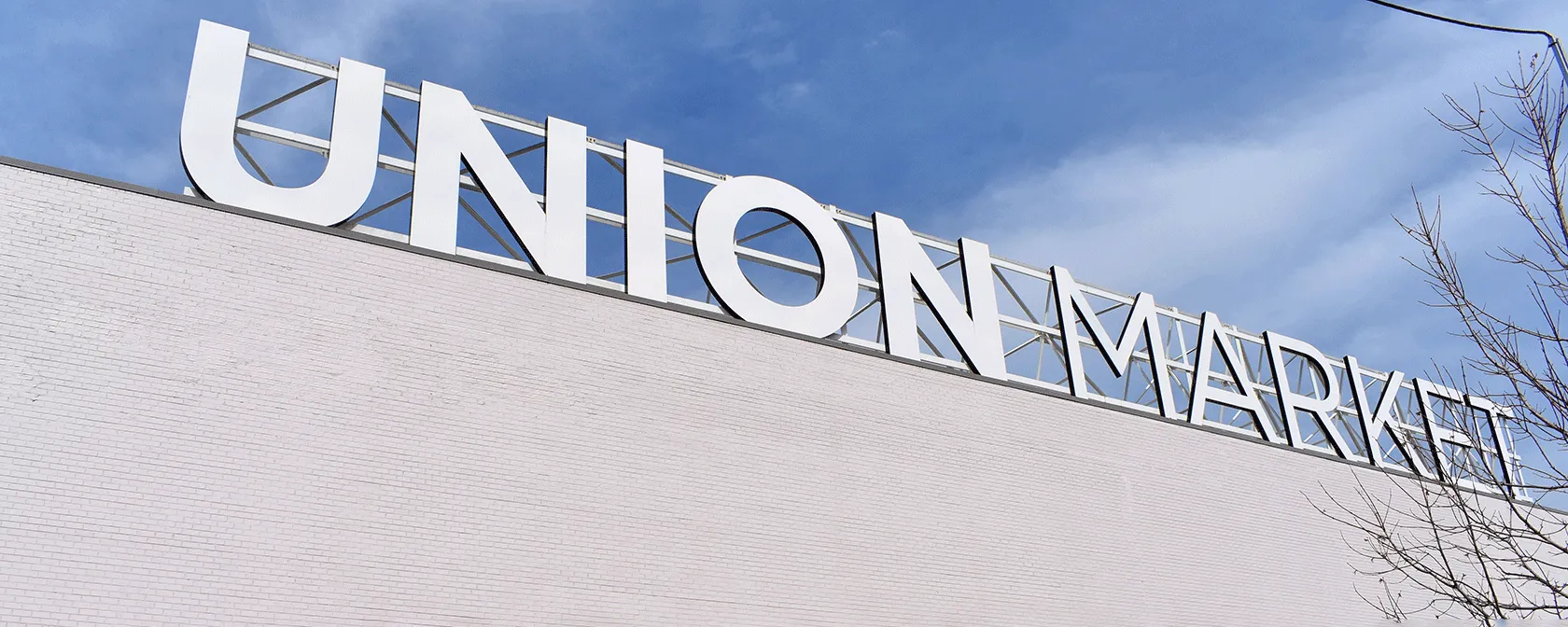
In 2012, local food writer and entrepreneur Amanda McClements opened Salt & Sundry, her chicly curated kitchen, home and gift store with locations in Union Market and on 14th Street in Logan Circle. She’s seen the emerging NoMa (North of Massachusetts Avenue NE) neighborhood turn into a restaurant, retail and cool- hunting boom zone since then. Here’s where she spends time in her work neighborhood. What purpose do you see Salt & Sundry serving? AM: I want to encourage people to open their homes and entertain. We’re taking the intimidation factor out of decor by showing a laid-back, casual way to pull your space together. I love highlighting the work of talented small makers from DC and beyond. What’s the vibe of NoMa like? AM: It’s becoming a real cross-section of DC. It’s a gathering place for young families, students and native Washingtonians, tourists and the occasional celebrity or politician. I’m excited to see the Union Market district take shape, too. What’s your dream meal at Union Market? Grazing from vendor to vendor is encouraged! AM: It changes from week to week! Currently I would kick off with a dozen Olde Salt oysters from Rappahannock Oyster Bar, followed by a salmon poke bowl from District Fishwife. Then a waffle cone of coffee ice cream from Trickling Springs. For an early-afternoon pick-me-up, I love a London Fog (Earl Grey tea with steamed milk) from Peregrine Espresso. Outside of Union Market, where do you hang out in NoMa? AM: I love hitting a movie at the Angelika pop-up movie theater, where you can sip local brews while you watch indie films. Afterward, I’d grab a gelato at Dolcezza’s beautiful factory. What about shopping for things that aren’t food-related … is there anywhere you like? AM: Nomad Yard Collectiv on New York Avenue NE is a must-stop for amazing vintage clothes. What’s the best way to get to know NoMa? AM: Even though there is more parking here than in other parts of the city, exploring on foot is the best way to get a real taste of the neighborhood. Start at Union Market, and plan to spend a few hours taking it all in. And visit some of the new distilleries in the area. NoMa is full of cool things to do and new spots are opening all the time. Check out more about Union Market, or these things to see and do in NoMa.