All Articles
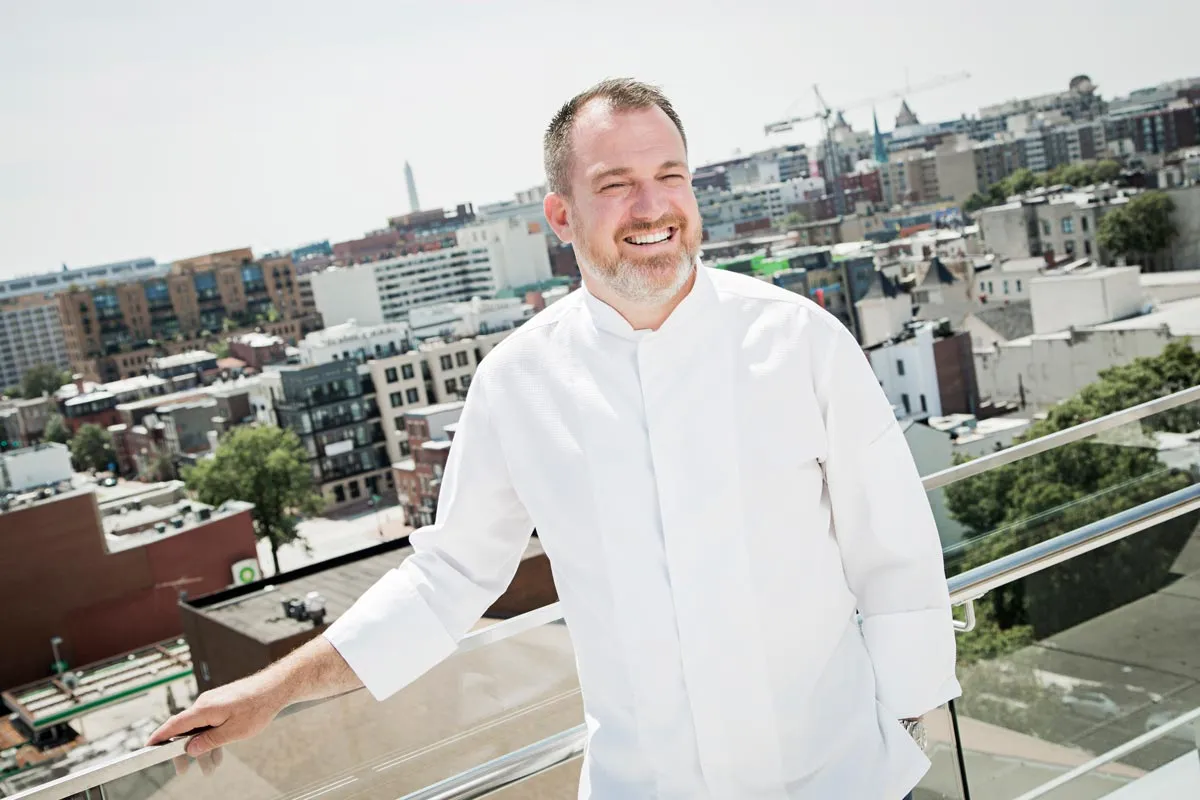
Cedric Maupillier Dishes on His French-American Mash Up in Shaw
A charming accent reveals Cedric Maupillier’s roots in the South of France. But the ambitious chef (also the force behind Adams Morgan’s Mintwood Place) recently became an American citizen, and the menu at his Shaw bistro borrows liberally from the cuisine of both countries. What’s the secret to his popular Franco-American blend? Why call your restaurant Convivial? CM: The word spelled the same in French and English. And I was thinking of the dictionary definition of convivial – “relating to, occupied with or fond of feasting, drinking and good company.” How would you describe what’s on the plate here? CM: It’s a place that emphasizes the food of both my home country and my new country, the U.S. It’s democratized fine dining, but in a way that’s simplified and from the heart. These are classic recipes with a twist, and we don’t put too many fingers on the plate. We serve French bouillabaisse, but it’s made from Chesapeake blue catfish; our escargots are served in a pastry blanket [think spring rolls]. Convivial’s signature dish has turned out to be fried chicken coq au vin. What’s the scoop with that? CM: I decided to take the best chicken dishes from both France and the U.S. It’s inspired by Korean chicken too. In this country, people need a little bit of whimsy. It gets them talking and keeps them interested. What’s your favorite dish on the menu? CM: I like our potato latke with dried lamb. It’s got layers of textures and flavors, starting with a crunchy potato pancake topped with shaved celery root and finished with a salty lamb prosciutto. The bar is popular here, and well, convivial. What did you have in mind? CM: It’s not mixology craziness, but a place where we are reintroducing classics – good Manhattans, the Grasshoppers Grandma used to love. And with wine, we just serve French and American and try to have them at good price points. Nothing’s over $100 a bottle. What were you going for with the decor? CM: I wanted it to be modern with no artifice. So we used clean-lined wood, comfortable chairs and lots of sound-proofing. The only things that stand out are the light fixtures, which I think look like Christmas lights every day! What do you think about what’s happening in Shaw? CM: I didn’t know it was on fire when I was planning Convivial. It’s such a work in progress, but in a few years, it’s just exploded. There are so many restaurants opening up, and it’s exciting. I feel like I’ve won my bet! You also live in the neighborhood. Where do you go when you aren’t cooking here at Convivial? CM: I get coffee every morning at Compass Coffee. They roast the beans right in front of you. And I love to go have a beer at Dacha Beer Garden. When I feel a little fancy, I’ll go to the bar at Kinship and order a nice glass of wine and a couple of dishes. DC’s hot dining scene boasts many other restaurants, including other exciting eateries in Shaw and around the city.
Derek Brown on the Cocktail Scene in Washington, DC
When it comes to craft cocktails, there’s a whole lot shakin’ in the nation’s capital. All the rage at the moment are the growing number of speakeasies, bars and lounges devoted exclusively to serving expertly measured and mixed drinks. Add to that, many distinct distilleries have popped up in the last few years specializing in everything from limoncello and gin to DC’s first vodka and rum. All this boozy buzz is fitting for a city that spawned the rickey, first served at Shoomaker's Bar in 1883. The one person who can speak best to DC’s rich cocktail history and its meteoric rise is Derek Brown, the city’s foremost cocktail expert, historian and supertaster. Derek would be happy to regale you in his cocktail bars. Each venue offers its own unique drinking experience. The Columbia Room, a reincarnation of the original that shot Derek to spirit stardom, outshines all other cocktail bars for its attention to atmosphere (see: the Punch Garden and leather-filled Spirits Library). Brown's popular spot in Shaw's Blagden Alley took home the prize of Best American Cocktail Bar at the 2017 Spirited Awards. We asked Derek to share his thoughts on why DC’s cocktail scene is surging. Check out what he had to say. Make yourself a reservation at any of Derek’s cocktail bars. And explore more of DC's drinking scene.
Exploring Washington, DC's Alleys & Offshoots
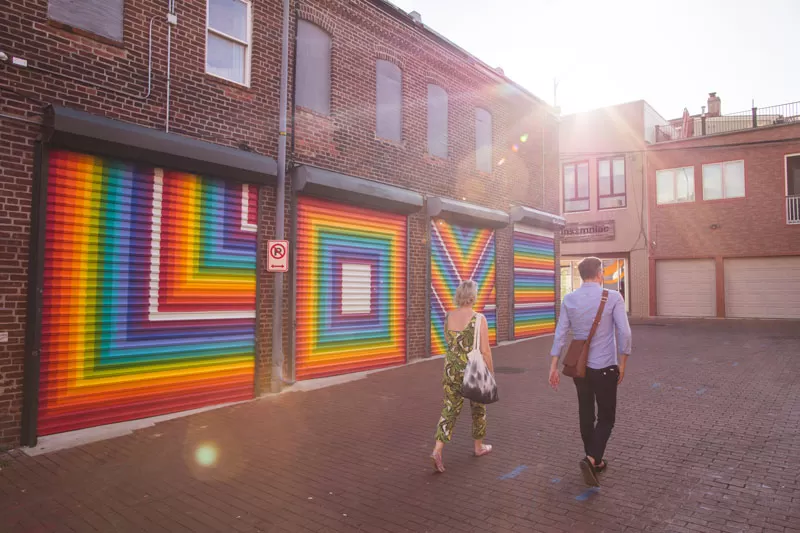
Blagden Alley & Naylor Court Shaw Neighborhood Shaw's neighboring alleyways were designated a historic district by the National Park Service. The photogenic and hip Blagden Alley is home to the outdoor DC Alley Museum – a series of colorful murals painted on garage doors and building walls that includes Lisa Marie Thalhammer's LOVE mural, a massive musical tribute to Sun Ra and Erykah Badu and mosaic images that pay homage to the working-class immigrants and Black families that once called the street home. There's even more to Blagden Alley than meets the eye – the redeveloped carriage homes hide some of the most revered culinary destinations in the city, the outlines of which are visible within revamped entryways, restaurant walls or decorative murals. La Colombe's first coffee-roasting outpost in the District maintained many of its original architectural features, making it a must-visit in this famous alley's lineup of hidden gems. Through contemporary farmhouse doors you'll find The Dabney's wood-fired Mid-Atlantic cuisine. Identify the black-and-white parakeet mural on the side of Causa/Amazonia, which touts award-winning Peruvian food and a low-key rooftop bar. Next door, the bar at Hong Kong-inspired Tiger Fork can be viewed through an octagonal window inserted into a former garage door. For a secret and sultry basement cocktail, you'll have to pass a loading dock and cross through a kitchen to Never Looked Better. For a secluded garden vibe with an antique greenhouse, pop in Calico. Architects’ studios and private homes are prevalent along Bladgen Alley’s tinier, U-shaped neighbor Naylor Court. Keep an eye out for a vestige of former inhabitant E.J. Adams & Co. Stables, and don't forget to stop by Sundevich, which transports customers to a different city of the world with each menu item. Cady's Alley & Blues Alley Georgetown Neighborhood If Blagden Alley and Naylor Court cater to food gurus and art lovers, Cady's Alley is for design aficionados and people-watching. This brick- and stone-lined pathway is the heart of Georgetown's Design District, where 20 showrooms and boutiques inhabit the skeletons of industrial properties. Antiques, jewelry, luxury clothing and DC-brand SCOUT bags are among the treasures you'll find. Cady's Alley also contains plenty of options to cap your shopping excursion. Step into the modern Kyojin for a high-end, sushi-sampling experience. Or, keep it quaint with the old-school Kafe Leopold, where you can spend a European afternoon sipping a specialty Austrian coffee on the courtyard. Visitors can access the walkway from 3300 M Street NW or from M and 33rd or 34th streets. The next alley over sees less foot traffic – and fewer designer shoes – but has hosted many of the greats at its namesake destination: Blues Alley Jazz Club. The other occupant of this small street is Hinckley Pottery, a locally owned and run ceramics studio and shop that lives in a 125-year-old horse stable. Bonus: just before you hit the busy intersection of Wisconsin and M, turn into the narrow alleyway beside the Abercrombie and Fitch for a Belgian beer at The Sovereign. Library Court NE+ Capitol Hill Neighborhood Take a walk through the Capitol Hill neighborhood to discover some of DC's historic alleyways, planned by Pierre L'Enfant to provide access points for working class citizens to discreetly enter the homes of their elite employers. In the shadow of the Library of Congress between 3rd and 4th Streets NE is one of the most notable – and narrow – residential streets in the area. Three courts (Library, Millers and Frederick Douglas) give way to each other, barely wide enough to fit a car and, in some spots, with just enough greenery to suggest a path less traveled. The residential homes along these passageways provide a window into life between the District's busy streets; keep wandering the quaint streets and you'll likely land on a street with landmark status. Morse Street Alley NoMa Neighborhood / Union Market Between 4th and 5th Streets NE at the center of the former wholesale hub, you'll find an easy-to-miss gem within the 200-year-old Union Market District. On first glance, there appears to be only back entrances, garage doors and overgrown walls covered in colorful graffiti. Upon closer inspection, you'll find a curly white arrow painted onto the brick that indicates the door to Bread Alley – the bakery responsible for the famous bread served at Le Diplomate. Pearl Street The Wharf Neighborhood While most of The Wharf's small streets are closed off to traffic, Pearl Street best captures the hidden gem-feel of some of DC's hippest alleyways. In the evenings, outdoor tables spill out onto the street under crisscrossing string lights and music can often be heard coming from the two venues that call the street home: Pearl Street Warehouse and Union Stage. People-watch with a Cuban sandwich or cocktail in hand at Colada Shop, which has folding tables and a covered patio. Continue your tour of DC's colorful street art and throw in some other photogenic spots while you're at it.