All Articles
Molly Smith on Arena Stage, How to Get Last-Minute Tickets & the Southwest Neighborhood
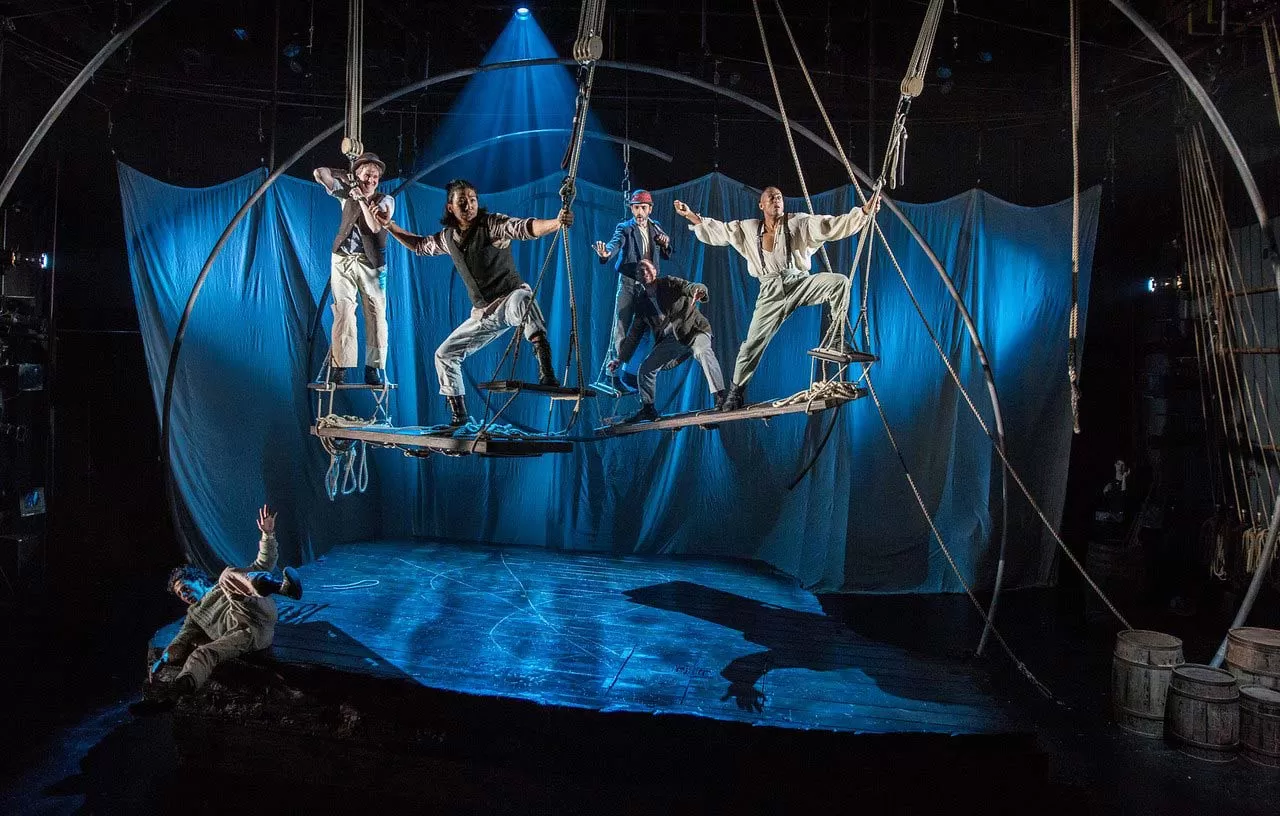
Arena Stage, the stunning theater-in-the-round complex in the Southwest & The Wharf neighborhood, is an ideal venue to see compelling theater. Visitors can purchase tickets to see great American theater even on the day they visit. Molly Smith, who leads the Tony Award-winning theater complex, spills the scoop on how to score a seat at The Mead Center at Arena Stage and discusses what sets Arena Stage apart from other DC-area venues. To ensure you get the best seats, order tickets in advance, of course. What role does Arena Stage play in the Southwest & The Wharf development? MS: The biggest role is that without Arena Stage staying here and building this beautiful center for American theater, I don’t know that the development would have happened in the same way. When we made the decision to stay in Southwest Washington and rebuild, we knew we wanted to create a dynamic center here. After that, all the development in Southwest DC really began to move. So I would say, Arena has been the spearhead to make it happen. Every area needs a signature building and we provided it. We have a great relationship with Monty Hoffman, who is one of the developers of The Wharf. Arena supported this development in the community and with the city. It’s not unusual for arts organizations to be the catalyst for major improvements in different communities. Theaters spell audience, when there’s an audience, developers start to look and listen. When radical changes occur, like the change we made with this beautiful new center, more development and people follow. How has the renovation and expansion changed or impacted the programs you offer? MS: How fantastic when one has a new building and center that audience, staff and board love. It’s very rare. We spent 12 years developing the architecture, not just with an architect, but also with the staff of Arena Stage. The adjacencies in the theater focused on efficiency and beauty. That was a question I asked all the time, “How can we ensure that the form and content and the artwork that we are putting into this building work as well as the artistry does on stage? So it was always about beauty and practicality; let’s have both. We were able to succeed. It means that in a beautiful building that works well for everybody, audiences are happier, artists are happier, staff and board are happier. We now have a three-theater center. The newest theater is the Arlene and Robert Kogod Cradle for new plays, readings, and educational programs. We have a café for audiences. The shared community lobby was a real dream of mine, because I wanted all three audiences to meet and greet. Because theater is about being seen as well as seeing what’s on stage. Bing Thom, who’s a genius as an architect, was really able to sculpt the space in such a way that audiences can see each other on many, many levels. It’s just a very lively, fun space. Is it possible to get tickets on short notice to a show at Arena Stage? MS: On most shows it is. Here’s the beauty of it. Even for hot selling shows, we usually sell standing room tickets, which means people come in, they buy a standing room ticket. Then when there’s an empty seat, they’re able to sit down. Because all theaters have no shows. So I would say come a half-hour or 45 minutes before the show, get a standing room ticket, wander around the spaces, then see the show. Having seen a show there recently, we can attest to the feeling of community that you get when you attend a show at Arena Stage. It’s really a high-energy place. MS: We are focused on American artists and American ideas, and we are the largest theater in the country focusing that way in the country. I wanted the building to be bold, so that artists need to really hit the roof. As you know, our roofline is quite high! When they come up to the building for the first time, it’s “Oh, wow! I have to ensure that my work on stage is strong enough to meet the building.” It causes everybody to have to grow and stretch whether they’re artists, staff or board members. You’re absolutely right, the whole building has a huge energy and electricity about it. It makes a very lovely place for gatherings and other events too. MS: We have five to 10 events a week here, whether it’s for a wedding, private dinner, cocktail dinner, bat mitzvah; this space, every nook and cranny has been used. The sculptural nature of the space means it’s great for photography, as well as a great space for people mingling. People feel good in the space, and I think part of it is, it’s a stunning building. There are only four different materials—wood, cement steel and glass. That’s it. The wood makes it very warm, it’s very human material. Steel makes it strong, and the glass makes it sexy. They are a great combination with the cement—we used raw cement, polished cement, which almost looks like a mosaic. We wanted this to be a community space. We’re an anchor in Southwest Washington, with the Maine Avenue Fish Market, and now, The Wharf. Arena is what is distinctive about this community, and we want to welcome different communities from all over. Why, during the renovation, did you maintain the Fichandler Stage in the Round. What does this configuration do to the shows in that space? MS: First of all, it’s called Arena Stage. The Fichandler Stage is the most muscular theater-in-the-round-space in the country. The Fichandler is about big ideas, about reinventing the classic musical... Because the audience ends up part of the action. There is a conversation that happens in the Fichandler, as with any theater in the round, that extends the performance off the stage itself to a conversation with the community. And there’s nothing that represents Washington, DC more than big juicy conversations. Along with The Wharf and the Maine Avenue Fish Market, does Arena Stage partner with any other Washington, DC organizations? MS: We have a big partnership with Martha’s Table... We’ve hosted six job fairs. Sometimes we’ll have 500 to 1,000 people come to job fairs. We feel it’s important to help people find work. We have a relationship with the different theaters in town, there are seven artistic directors who created the Women’s Voices Theater Festival, because 78% of American plays are written by men. We really wanted to take a stand to say let’s make sure we are producing more plays by women. The Festival expanded to include over 50 theaters producing premieres of plays written by women last fall. Any parting comments? MS: Visitors who come for the cherry blossoms, come for all the museums, for the great restaurants, should also go see great theater while they’re in Washington, DC. Come see us at Arena Stage. Check out The Season at Arena Stage for more information on the current schedule, and find out more about Arena’s ticket savings programs. If you want to dive deeper into DC's theatre scene, check out the full rundown of local theaters and upcoming shows.
Past, Present & Future: The Evolution of Washington DC's Southwest & The Wharf Neighborhood
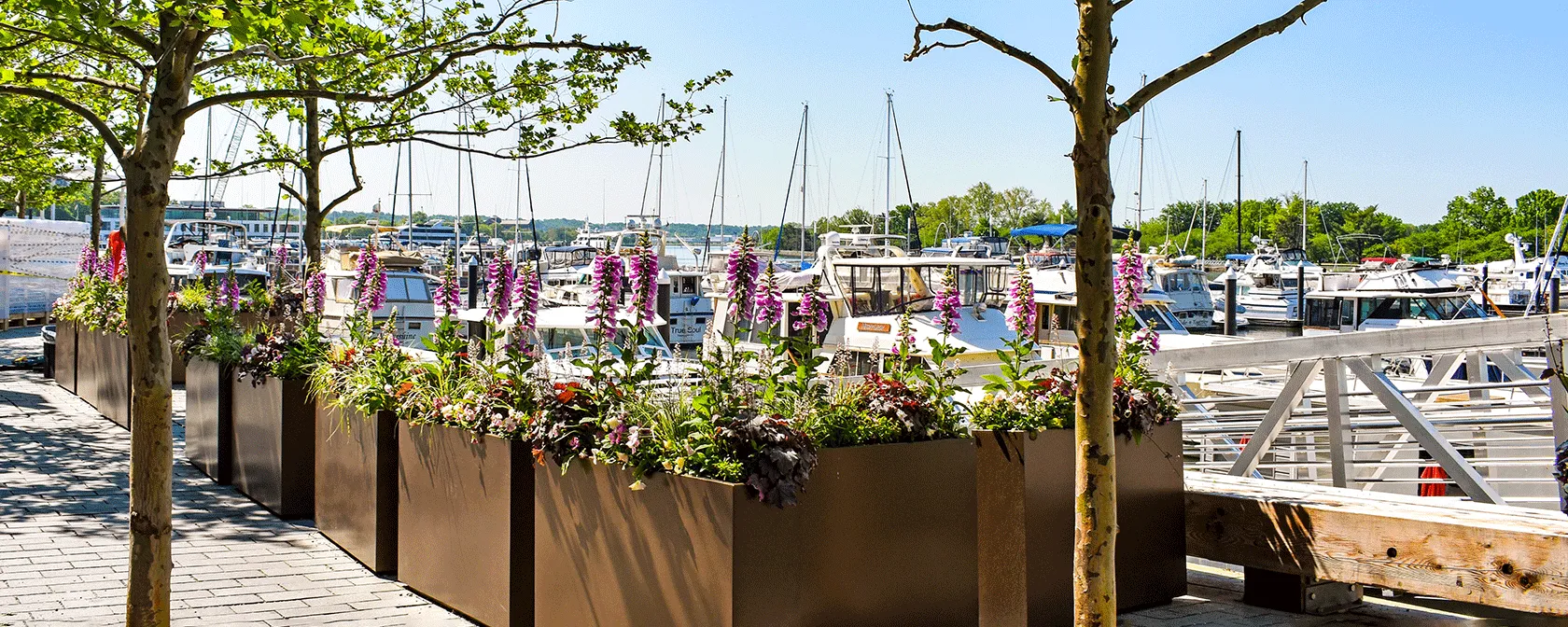
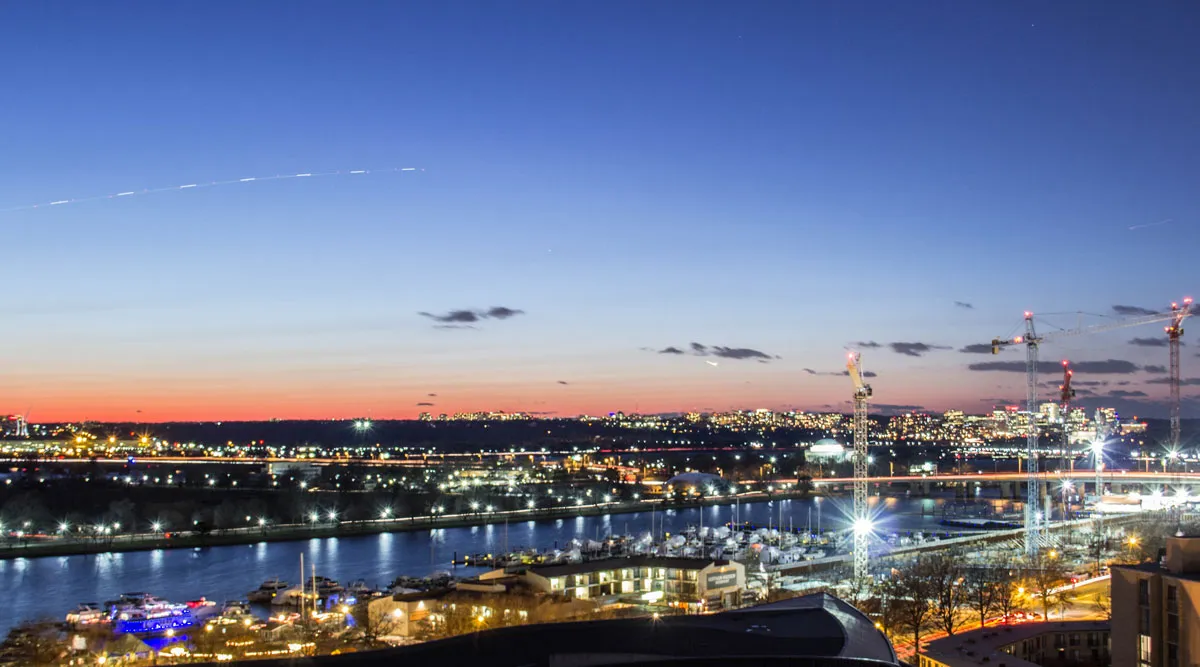
Located at the confluence of the Anacostia and Potomac Rivers, the land has been shaped and reshaped by visionaries who profited from Southwest & The Wharf’s abundant natural resources. Today, visitors have much to see and do in this unique neighborhood a few blocks from the National Mall. The Past Thousands of years ago, the earliest inhabitants of the area were Native Americans who fished, hunted and thrived on the land. The Native Americans in this region spoke the Algonquian language and were organized into chiefdoms. Native Americans remained in the area even as it was developed into the Federal City in the late 1700s. The city's first military installation, Fort Lesley McNair, an army base, was built in 1794 to defend the nation’s capital. The base remains today on 21 acres known as Greenleaf Point. From 1893 until 1902, Dr. Walter Reed studied yellow fever and other infectious diseases here. In the late 1700s, the neighborhood became a busy industrial shipyard with storage houses and outdoor markets. Fishermen sold catch directly off their boats, until 1801, when a market was established (now called the Municipal Fish Market). It remains the oldest continuously operating open-air fish market in the nation. The market’s lunch room building, where fishmongers and shoppers eat their freshly prepared seafood, was built in 1916, while the oyster shucking shed was constructed in the mid-1940s. This mostly working-class waterfront neighborhood grew slowly over the decades. By the mid-19th century, the area consisted of residential properties and federal buildings, including the U.S. Department of Agriculture and the Smithsonian museums. Scottish, Irish, German and Eastern European immigrants settled here, and the bustling waterfront community sheltered escaped slaves on the Underground Railroad. After the Civil War, free blacks moved in, along with Washington’s own U.S. Colored Troops. By the turn of the century, 4 ½ Street acted as a dividing line between African Americans living to the east, and immigrant communities to the west. They all came together to patronize the shops on 4 ½ Street SW. Two famous entertainers, Al Jolson and Marvin Gaye, lived here as children. Three houses of worship supported these communities – St. Dominic’s Catholic Church, Temple Beth Israel and Friendship Baptist Church. In the 1920s and ‘30s, the neighborhood's population had grown to 35,000 and began to suffer from overcrowding. The conditions inspired Federal and District officials to implement an “Urban Renewal” plan, and during the late 1950s, blocks of townhouses, freestanding homes and alley dwellings were razed, replacing them with more modern high rises. After that, government workers and well known politicos like Hubert Humphrey and Sandra Day O’Connor moved into the neighborhood. The Municipal Fish Market, Thomas Law House, Wheat Row, Friendship Church and St. Dominic’s Church were the only landmarks that survived the demolition. St. Dominic’s has provided spiritual comfort to many prominent Washingtonians, including President Lyndon Johnson, House Speaker Tip O’Neill, actress Helen Hayes and baseball player, Walter Johnson. The new residential buildings were hailed as an improvement, but they eliminated the street level commerce found in most thriving urban neighborhoods. In 1961, pioneers of the modern theater movement built a nonprofit theater in the neighborhood. Arena Stage—a theater-in-the-round style venue featured American plays and performances. Arena was designed by Harry Weese, the same architect who designed the DC Metro system. In 1972, the Titanic Memorial, a statue paid for by female survivors, was moved to the Washington Channel riverfront. The Present The Southwest & The Wharf is a community in transition. With the rapid changes taking place, expect to see more tourists and residents calling this area DC’s newest hot spot. That’s because of The Wharf, a $2 billion, transformative redevelopment stretching across 50 acres of water and 24 acres of land along the Potomac River. The first phase of The Wharf opened in October 2017. City Cruises by Hornblower offers sightseeing boat tours daily – both the Odyssey or Spirit of Washington – viewing the memorials and monuments from the perspective of the water. Cantina Marina is the District’s only dock bar with waterfront dining. East Potomac Park, one of DC’s many parks, hosts an 18-hole golf course, the East Potomac Aquatic Center and the East Potomac Tennis Center, making it a recreational haven in the urban landscape. Arena Stage’s stunning renovation has enhanced its place as the cultural anchor of the neighborhood. It remains a vibrant home for showcasing stories about the American experience, both past and present. The Mead Center at Arena Stage has three stages and a cafe within the complex. Another site of note is Benjamin Banneker Park Circle, near L’Enfant Plaza. The circle was built upon an overlook where the African American surveyor, also a self-taught astronomer and mathematician, made calculations to determine Washington, DC’s future boundaries. The historic Municipal Fish Market is still the center of waterfront commerce in the nation’s capital, as it has been since before the Civil War. Today, the market is surrounded by construction cranes, as it continues to welcome locals and visitors who wish to sample fresh seafood from the Mid-Atlantic waters, such as blue crabs, oysters and rockfish. Check out the market vendors for made-to-order crabcakes, oyster po’ boys and fish tacos. The Future The Wharf redevelopment will be unveiled in two phases. Phase I opened in October of 2017, transforming The Wharf into an exciting urban waterfront environment. There will be waterfront parks, promenades, piers and docks available for use by the public. Phase I includes three hotels – Canopy by Hilton, Hyatt House and the luxury InterContinental Hotel. The Anthem, a 6,000-person capacity concert hall and event meeting venue which will attract thousands of visitors monthly. The Wharf will also have ground-floor shops and restaurants. Most of the eateries will possess deep roots in DC’s growing restaurant scene. Expect to more than 20 restaurants, including Fabio Trabocchi’s Del Mar, Rappahannock Oyster Bar, Dolcezza, Taylor Gourmet and Hank’s Oyster Bar. Well known chefs like Mike Isabella plan to debut new concept restaurants here as well. The Fish Market will remain an integral partner in the community, especially as it offers new amenities and an enhanced environment for dining and shopping. The Wharf will encompass more than 10 acres of public parks and four new public piers, reconnecting residents to their waterfront with panoramic views. There will be a free kayak and paddleboard launch, sailing center, ferry to East Potomac Park and water taxi service to other regional waterfront areas, such as sightseeing cruises. The Wharf is designed to be pedestrian friendly, and include a dedicated bike path. When complete, the transformation of Southwest & The Wharf will showcase a sparkling blend of cultural, recreational, retail and dining experiences for both residents and visitors to enjoy. As The Wharf grows and changes, it’s worth investigating what’s happening in the neighborhood now. Stop at the Municipal Fish Market for local seafood, catch a show at Arena Stage before the sun sets over the Washington Channel. Check out these and more things to do right now in Southwest & The Wharf. Now that you have read up on Southwest & The Wharf, check out other DC neighborhoods.

QA Test Automated cron Article sync 1
As you return to traveling this year, Washington, DC should be at the very top of your list. The nation’s capital offers more than 100 free things to do, but it should come as no surprise that museums are some of the most popular attractions. We’ve gone into deep detail on four of the city’s most popular museums (including one dedicated to living animals), none of which charge admission. Find the latest updates on visiting museums, including Smithsonian's plans to have all of its museums open by the end of August 2021, mask mandates for all indoor museums and the latest ticketing requirements. Book your next vacation to the nation’s capital and visit these only-in-the-District museums, free of charge. In the heart of the nation’s capital lives a portal to wildlife from around the world. Smithsonian’s National Zoo offers a firsthand, family-friendly experience through a 163-acre urban park in the Woodley Park neighborhood teeming with roughly 2,700 animals that represent more than 390 species. The zoo is also connected to the Smithsonian Conservation Biology Institute (a non-public facility located in Front Royal, Va.), a global effort to conserve species and train future conservationists. This focus on preserving endangered animals extends to the zoo, as one-fifth of its exhibited species fall into this category. In the heart of the nation’s capital lives a portal to wildlife from around the world. Smithsonian’s National Zoo offers a firsthand, family-friendly experience through a 163-acre urban park in the Woodley Park neighborhood teeming with roughly 2,700 animals that represent more than 390 species. The zoo is also connected to the Smithsonian Conservation Biology Institute (a non-public facility located in Front Royal, Va.), a global effort to conserve species and train future conservationists. This focus on preserving endangered animals extends to the zoo, as one-fifth of its exhibited species fall into this category. In the heart of the nation’s capital lives a portal to wildlife from around the world. Smithsonian’s National Zoo offers a firsthand, family-friendly experience through a 163-acre urban park in the Woodley Park neighborhood teeming with roughly 2,700 animals that represent more than 390 species. The zoo is also connected to the Smithsonian Conservation Biology Institute (a non-public facility located in Front Royal, Va.), a global effort to conserve species and train future conservationists. This focus on preserving endangered animals extends to the zoo, as one-fifth of its exhibited species fall into this category. In the heart of the nation’s capital lives a portal to wildlife from around the world. Smithsonian’s National Zoo offers a firsthand, family-friendly experience through a 163-acre urban park in the Woodley Park neighborhood teeming with roughly 2,700 animals that represent more than 390 species. The zoo is also connected to the Smithsonian Conservation Biology Institute (a non-public facility located in Front Royal, Va.), a global effort to conserve species and train future conservationists. This focus on preserving endangered animals extends to the zoo, as one-fifth of its exhibited species fall into this category. In the heart of the nation’s capital lives a portal to wildlife from around the world. Smithsonian’s National Zoo offers a firsthand, family-friendly experience through a 163-acre urban park in the Woodley Park neighborhood teeming with roughly 2,700 animals that represent more than 390 species. The zoo is also connected to the Smithsonian Conservation Biology Institute (a non-public facility located in Front Royal, Va.), a global effort to conserve species and train future conservationists. This focus on preserving endangered animals extends to the zoo, as one-fifth of its exhibited species fall into this category. In the heart of the nation’s capital lives a portal to wildlife from around the world. Smithsonian’s National Zoo offers a firsthand, family-friendly experience through a 163-acre urban park in the Woodley Park neighborhood teeming with roughly 2,700 animals that represent more than 390 species. The zoo is also connected to the Smithsonian Conservation Biology Institute (a non-public facility located in Front Royal, Va.), a global effort to conserve species and train future conservationists. This focus on preserving endangered animals extends to the zoo, as one-fifth of its exhibited species fall into this category. In the heart of the nation’s capital lives a portal to wildlife from around the world. Smithsonian’s National Zoo offers a firsthand, family-friendly experience through a 163-acre urban park in the Woodley Park neighborhood teeming with roughly 2,700 animals that represent more than 390 species. The zoo is also connected to the Smithsonian Conservation Biology Institute (a non-public facility located in Front Royal, Va.), a global effort to conserve species and train future conservationists. This focus on preserving endangered animals extends to the zoo, as one-fifth of its exhibited species fall into this category. In the heart of the nation’s capital lives a portal to wildlife from around the world. Smithsonian’s National Zoo offers a firsthand, family-friendly experience through a 163-acre urban park in the Woodley Park neighborhood teeming with roughly 2,700 animals that represent more than 390 species. The zoo is also connected to the Smithsonian Conservation Biology Institute (a non-public facility located in Front Royal, Va.), a global effort to conserve species and train future conservationists. This focus on preserving endangered animals extends to the zoo, as one-fifth of its exhibited species fall into this category. In the heart of the nation’s capital lives a portal to wildlife from around the world. Smithsonian’s National Zoo offers a firsthand, family-friendly experience through a 163-acre urban park in the Woodley Park neighborhood teeming with roughly 2,700 animals that represent more than 390 species. The zoo is also connected to the Smithsonian Conservation Biology Institute (a non-public facility located in Front Royal, Va.), a global effort to conserve species and train future conservationists. This focus on preserving endangered animals extends to the zoo, as one-fifth of its exhibited species fall into this category. In the heart of the nation’s capital lives a portal to wildlife from around the world. Smithsonian’s National Zoo offers a firsthand, family-friendly experience through a 163-acre urban park in the Woodley Park neighborhood teeming with roughly 2,700 animals that represent more than 390 species. The zoo is also connected to the Smithsonian Conservation Biology Institute (a non-public facility located in Front Royal, Va.), a global effort to conserve species and train future conservationists. This focus on preserving endangered animals extends to the zoo, as one-fifth of its exhibited species fall into this category. In the heart of the nation’s capital lives a portal to wildlife from around the world. Smithsonian’s National Zoo offers a firsthand, family-friendly experience through a 163-acre urban park in the Woodley Park neighborhood teeming with roughly 2,700 animals that represent more than 390 species. The zoo is also connected to the Smithsonian Conservation Biology Institute (a non-public facility located in Front Royal, Va.), a global effort to conserve species and train future conservationists. This focus on preserving endangered animals extends to the zoo, as one-fifth of its exhibited species fall into this category. In the heart of the nation’s capital lives a portal to wildlife from around the world. Smithsonian’s National Zoo offers a firsthand, family-friendly experience through a 163-acre urban park in the Woodley Park neighborhood teeming with roughly 2,700 animals that represent more than 390 species. The zoo is also connected to the Smithsonian Conservation Biology Institute (a non-public facility located in Front Royal, Va.), a global effort to conserve species and train future conservationists. This focus on preserving endangered animals extends to the zoo, as one-fifth of its exhibited species fall into this category. In the heart of the nation’s capital lives a portal to wildlife from around the world. Smithsonian’s National Zoo offers a firsthand, family-friendly experience through a 163-acre urban park in the Woodley Park neighborhood teeming with roughly 2,700 animals that represent more than 390 species. The zoo is also connected to the Smithsonian Conservation Biology Institute (a non-public facility located in Front Royal, Va.), a global effort to conserve species and train future conservationists. This focus on preserving endangered animals extends to the zoo, as one-fifth of its exhibited species fall into this category. In the heart of the nation’s capital lives a portal to wildlife from around the world. Smithsonian’s National Zoo offers a firsthand, family-friendly experience through a 163-acre urban park in the Woodley Park neighborhood teeming with roughly 2,700 animals that represent more than 390 species. The zoo is also connected to the Smithsonian Conservation Biology Institute (a non-public facility located in Front Royal, Va.), a global effort to conserve species and train future conservationists. This focus on preserving endangered animals extends to the zoo, as one-fifth of its exhibited species fall into this category. In the heart of the nation’s capital lives a portal to wildlife from around the world. Smithsonian’s National Zoo offers a firsthand, family-friendly experience through a 163-acre urban park in the Woodley Park neighborhood teeming with roughly 2,700 animals that represent more than 390 species. The zoo is also connected to the Smithsonian Conservation Biology Institute (a non-public facility located in Front Royal, Va.), a global effort to conserve species and train future conservationists. This focus on preserving endangered animals extends to the zoo, as one-fifth of its exhibited species fall into this category. In the heart of the nation’s capital lives a portal to wildlife from around the world. Smithsonian’s National Zoo offers a firsthand, family-friendly experience through a 163-acre urban park in the Woodley Park neighborhood teeming with roughly 2,700 animals that represent more than 390 species. The zoo is also connected to the Smithsonian Conservation Biology Institute (a non-public facility located in Front Royal, Va.), a global effort to conserve species and train future conservationists. This focus on preserving endangered animals extends to the zoo, as one-fifth of its exhibited species fall into this category. In the heart of the nation’s capital lives a portal to wildlife from around the world. Smithsonian’s National Zoo offers a firsthand, family-friendly experience through a 163-acre urban park in the Woodley Park neighborhood teeming with roughly 2,700 animals that represent more than 390 species. The zoo is also connected to the Smithsonian Conservation Biology Institute (a non-public facility located in Front Royal, Va.), a global effort to conserve species and train future conservationists. This focus on preserving endangered animals extends to the zoo, as one-fifth of its exhibited species fall into this category. In the heart of the nation’s capital lives a portal to wildlife from around the world. Smithsonian’s National Zoo offers a firsthand, family-friendly experience through a 163-acre urban park in the Woodley Park neighborhood teeming with roughly 2,700 animals that represent more than 390 species. The zoo is also connected to the Smithsonian Conservation Biology Institute (a non-public facility located in Front Royal, Va.), a global effort to conserve species and train future conservationists. This focus on preserving endangered animals extends to the zoo, as one-fifth of its exhibited species fall into this category. In the heart of the nation’s capital lives a portal to wildlife from around the world. Smithsonian’s National Zoo offers a firsthand, family-friendly experience through a 163-acre urban park in the Woodley Park neighborhood teeming with roughly 2,700 animals that represent more than 390 species. The zoo is also connected to the Smithsonian Conservation Biology Institute (a non-public facility located in Front Royal, Va.), a global effort to conserve species and train future conservationists. This focus on preserving endangered animals extends to the zoo, as one-fifth of its exhibited species fall into this category. In the heart of the nation’s capital lives a portal to wildlife from around the world. Smithsonian’s National Zoo offers a firsthand, family-friendly experience through a 163-acre urban park in the Woodley Park neighborhood teeming with roughly 2,700 animals that represent more than 390 species. The zoo is also connected to the Smithsonian Conservation Biology Institute (a non-public facility located in Front Royal, Va.), a global effort to conserve species and train future conservationists. This focus on preserving endangered animals extends to the zoo, as one-fifth of its exhibited species fall into this category. In the heart of the nation’s capital lives a portal to wildlife from around the world. Smithsonian’s National Zoo offers a firsthand, family-friendly experience through a 163-acre urban park in the Woodley Park neighborhood teeming with roughly 2,700 animals that represent more than 390 species. The zoo is also connected to the Smithsonian Conservation Biology Institute (a non-public facility located in Front Royal, Va.), a global effort to conserve species and train future conservationists. This focus on preserving endangered animals extends to the zoo, as one-fifth of its exhibited species fall into this category. In the heart of the nation’s capital lives a portal to wildlife from around the world. Smithsonian’s National Zoo offers a firsthand, family-friendly experience through a 163-acre urban park in the Woodley Park neighborhood teeming with roughly 2,700 animals that represent more than 390 species. The zoo is also connected to the Smithsonian Conservation Biology Institute (a non-public facility located in Front Royal, Va.), a global effort to conserve species and train future conservationists. This focus on preserving endangered animals extends to the zoo, as one-fifth of its exhibited species fall into this category. In the heart of the nation’s capital lives a portal to wildlife from around the world. Smithsonian’s National Zoo offers a firsthand, family-friendly experience through a 163-acre urban park in the Woodley Park neighborhood teeming with roughly 2,700 animals that represent more than 390 species. The zoo is also connected to the Smithsonian Conservation Biology Institute (a non-public facility located in Front Royal, Va.), a global effort to conserve species and train future conservationists. This focus on preserving endangered animals extends to the zoo, as one-fifth of its exhibited species fall into this category.