
All Articles
How Do I Tour the U.S. Capitol and See Congress in Session?
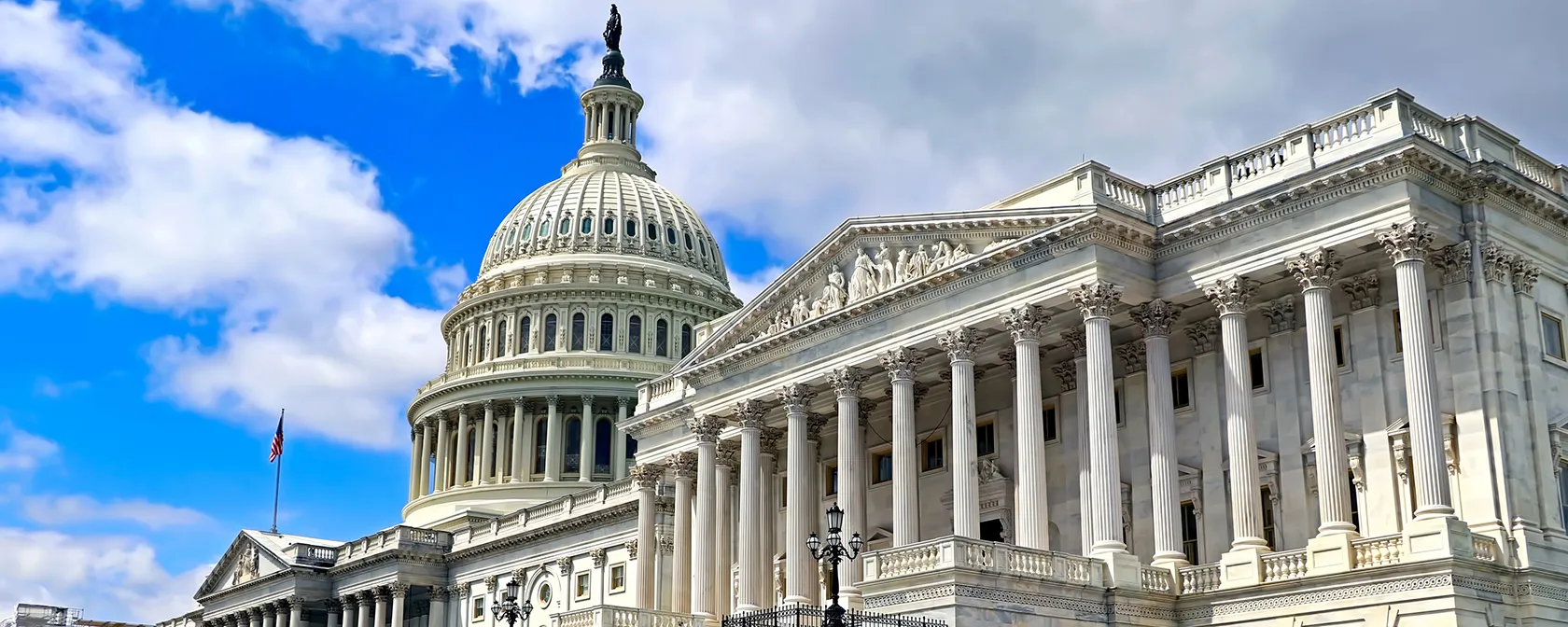
The U.S. Capitol Building is one of the most recognizable buildings in the world and the center of American democracy. The world-famous domed building is home to the United States House of Representatives and Senate; where America’s congressmen and congresswomen conduct business, debate laws and pass bills on behalf of the American people. The U.S. Capitol and U.S. Capitol Visitor Center is also one of DC’s most popular monuments and museums and welcomes millions of visitors each year. How do I arrange a tour of the United States Capitol Building? Plan your visit in advance! A public tour of the U.S. Capitol is free and open to anyone who makes an advanced reservation, although there are some same-day tickets available by standing in line at the U.S. Capitol Visitors Center (note that lines will be long during spring and summer). We recommend reserving a reserving a tour date and time. All tours begin and end at the U.S. Capitol Visitor Center, open Monday-Saturday from 8:30 a.m. to 4:30 p.m. (except Thanksgiving, Christmas, New Year’s Day and Inauguration Day). Tours typically take about 90 minutes and are fully accessible for people with disabilities. What will I see on a Capitol tour? Guided tours begin with a 13-minute intro film, followed stops in the Capitol Rotunda, where guides point out the center point of the District of Columbia, as well as demonstrate the unique acoustical effect where a speaker several yards away can be heard more clearly than a speaker close to the listener. The Capitol Dome is encircled by murals, and the fresco on the eye of the ceiling is called The Apotheosis of Washington showing President Washington rising to the heavens in glory with Liberty and Victory/Fame beside him. Below, on the walls of the Rotunda, are large paintings depicting significant events in American history: The Signing of the Declaration of Independence, The Baptism of Pocohontas, The Embarkation of the Pilgrims, The Landing of Columbus and General George Washington Resigning His Commission. Other stops on the 45-minute walking tour include the Crypt, National Statuary Hall and connecting corridors of the U.S. Capitol, where you’ll see statues representing every state Can I see Congress in session? The guided tour doesn't include the Senate and House galleries. However, visitors can obtain free passes through their congressmen to view both chambers when Congress is in session. International visitors can ask about gallery passes at the House and Senate Appointment Desks on the upper level of the Capitol Visitor Center. When Congress is not in session, the galleries are open to the public Monday-Friday from 9 a.m. to 4:15 p.m. However, viewing hours are subject to change and are not always the same for the House and Senate galleries. You can check the schedules with your Congressional office when requesting gallery passes. Read more information about watching Congress in session and viewing the House and Senate galleries. What’s in the U.S. Capitol Visitor Center? You’ll find a cafeteria and gift shop in the Capitol Visitor Center. The gift shop carries merchandise inspired by the art and architecture of the U.S. Capitol. The restaurant is open Monday through Saturday from 8:30 a.m. to 11 a.m. for continental breakfast and lunch from 11 a.m. to 4 p.m. If you haven’t printed your tour reservation, bring along the number you were assigned. There are free listening devices in multiple languages for international visitors. How do I get to the U.S. Capitol Visitor Center? Because there is very little parking, it is best to travel via the Metro or the DC Circulator. There are three Metro stops within walking distance of the U.S. Capitol: Union Station (Red Line), Capitol South and Federal Center SW (Orange, Silver and Blue lines). The Capitol Visitor Center, which serves as the main public entrance, is located beneath the East Front plaza of the U.S. Capitol at First and East Capitol streets. Looking for more in the neighborhood? Take advantage of our guide to Capitol Hill.

QA Test Automated cron Article sync 1
As you return to traveling this year, Washington, DC should be at the very top of your list. The nation’s capital offers more than 100 free things to do, but it should come as no surprise that museums are some of the most popular attractions. We’ve gone into deep detail on four of the city’s most popular museums (including one dedicated to living animals), none of which charge admission. Find the latest updates on visiting museums, including Smithsonian's plans to have all of its museums open by the end of August 2021, mask mandates for all indoor museums and the latest ticketing requirements. Book your next vacation to the nation’s capital and visit these only-in-the-District museums, free of charge. In the heart of the nation’s capital lives a portal to wildlife from around the world. Smithsonian’s National Zoo offers a firsthand, family-friendly experience through a 163-acre urban park in the Woodley Park neighborhood teeming with roughly 2,700 animals that represent more than 390 species. The zoo is also connected to the Smithsonian Conservation Biology Institute (a non-public facility located in Front Royal, Va.), a global effort to conserve species and train future conservationists. This focus on preserving endangered animals extends to the zoo, as one-fifth of its exhibited species fall into this category. In the heart of the nation’s capital lives a portal to wildlife from around the world. Smithsonian’s National Zoo offers a firsthand, family-friendly experience through a 163-acre urban park in the Woodley Park neighborhood teeming with roughly 2,700 animals that represent more than 390 species. The zoo is also connected to the Smithsonian Conservation Biology Institute (a non-public facility located in Front Royal, Va.), a global effort to conserve species and train future conservationists. This focus on preserving endangered animals extends to the zoo, as one-fifth of its exhibited species fall into this category. In the heart of the nation’s capital lives a portal to wildlife from around the world. Smithsonian’s National Zoo offers a firsthand, family-friendly experience through a 163-acre urban park in the Woodley Park neighborhood teeming with roughly 2,700 animals that represent more than 390 species. The zoo is also connected to the Smithsonian Conservation Biology Institute (a non-public facility located in Front Royal, Va.), a global effort to conserve species and train future conservationists. This focus on preserving endangered animals extends to the zoo, as one-fifth of its exhibited species fall into this category. In the heart of the nation’s capital lives a portal to wildlife from around the world. Smithsonian’s National Zoo offers a firsthand, family-friendly experience through a 163-acre urban park in the Woodley Park neighborhood teeming with roughly 2,700 animals that represent more than 390 species. The zoo is also connected to the Smithsonian Conservation Biology Institute (a non-public facility located in Front Royal, Va.), a global effort to conserve species and train future conservationists. This focus on preserving endangered animals extends to the zoo, as one-fifth of its exhibited species fall into this category. In the heart of the nation’s capital lives a portal to wildlife from around the world. Smithsonian’s National Zoo offers a firsthand, family-friendly experience through a 163-acre urban park in the Woodley Park neighborhood teeming with roughly 2,700 animals that represent more than 390 species. The zoo is also connected to the Smithsonian Conservation Biology Institute (a non-public facility located in Front Royal, Va.), a global effort to conserve species and train future conservationists. This focus on preserving endangered animals extends to the zoo, as one-fifth of its exhibited species fall into this category. In the heart of the nation’s capital lives a portal to wildlife from around the world. Smithsonian’s National Zoo offers a firsthand, family-friendly experience through a 163-acre urban park in the Woodley Park neighborhood teeming with roughly 2,700 animals that represent more than 390 species. The zoo is also connected to the Smithsonian Conservation Biology Institute (a non-public facility located in Front Royal, Va.), a global effort to conserve species and train future conservationists. This focus on preserving endangered animals extends to the zoo, as one-fifth of its exhibited species fall into this category. In the heart of the nation’s capital lives a portal to wildlife from around the world. Smithsonian’s National Zoo offers a firsthand, family-friendly experience through a 163-acre urban park in the Woodley Park neighborhood teeming with roughly 2,700 animals that represent more than 390 species. The zoo is also connected to the Smithsonian Conservation Biology Institute (a non-public facility located in Front Royal, Va.), a global effort to conserve species and train future conservationists. This focus on preserving endangered animals extends to the zoo, as one-fifth of its exhibited species fall into this category. In the heart of the nation’s capital lives a portal to wildlife from around the world. Smithsonian’s National Zoo offers a firsthand, family-friendly experience through a 163-acre urban park in the Woodley Park neighborhood teeming with roughly 2,700 animals that represent more than 390 species. The zoo is also connected to the Smithsonian Conservation Biology Institute (a non-public facility located in Front Royal, Va.), a global effort to conserve species and train future conservationists. This focus on preserving endangered animals extends to the zoo, as one-fifth of its exhibited species fall into this category. In the heart of the nation’s capital lives a portal to wildlife from around the world. Smithsonian’s National Zoo offers a firsthand, family-friendly experience through a 163-acre urban park in the Woodley Park neighborhood teeming with roughly 2,700 animals that represent more than 390 species. The zoo is also connected to the Smithsonian Conservation Biology Institute (a non-public facility located in Front Royal, Va.), a global effort to conserve species and train future conservationists. This focus on preserving endangered animals extends to the zoo, as one-fifth of its exhibited species fall into this category. In the heart of the nation’s capital lives a portal to wildlife from around the world. Smithsonian’s National Zoo offers a firsthand, family-friendly experience through a 163-acre urban park in the Woodley Park neighborhood teeming with roughly 2,700 animals that represent more than 390 species. The zoo is also connected to the Smithsonian Conservation Biology Institute (a non-public facility located in Front Royal, Va.), a global effort to conserve species and train future conservationists. This focus on preserving endangered animals extends to the zoo, as one-fifth of its exhibited species fall into this category. In the heart of the nation’s capital lives a portal to wildlife from around the world. Smithsonian’s National Zoo offers a firsthand, family-friendly experience through a 163-acre urban park in the Woodley Park neighborhood teeming with roughly 2,700 animals that represent more than 390 species. The zoo is also connected to the Smithsonian Conservation Biology Institute (a non-public facility located in Front Royal, Va.), a global effort to conserve species and train future conservationists. This focus on preserving endangered animals extends to the zoo, as one-fifth of its exhibited species fall into this category. In the heart of the nation’s capital lives a portal to wildlife from around the world. Smithsonian’s National Zoo offers a firsthand, family-friendly experience through a 163-acre urban park in the Woodley Park neighborhood teeming with roughly 2,700 animals that represent more than 390 species. The zoo is also connected to the Smithsonian Conservation Biology Institute (a non-public facility located in Front Royal, Va.), a global effort to conserve species and train future conservationists. This focus on preserving endangered animals extends to the zoo, as one-fifth of its exhibited species fall into this category. In the heart of the nation’s capital lives a portal to wildlife from around the world. Smithsonian’s National Zoo offers a firsthand, family-friendly experience through a 163-acre urban park in the Woodley Park neighborhood teeming with roughly 2,700 animals that represent more than 390 species. The zoo is also connected to the Smithsonian Conservation Biology Institute (a non-public facility located in Front Royal, Va.), a global effort to conserve species and train future conservationists. This focus on preserving endangered animals extends to the zoo, as one-fifth of its exhibited species fall into this category. In the heart of the nation’s capital lives a portal to wildlife from around the world. Smithsonian’s National Zoo offers a firsthand, family-friendly experience through a 163-acre urban park in the Woodley Park neighborhood teeming with roughly 2,700 animals that represent more than 390 species. The zoo is also connected to the Smithsonian Conservation Biology Institute (a non-public facility located in Front Royal, Va.), a global effort to conserve species and train future conservationists. This focus on preserving endangered animals extends to the zoo, as one-fifth of its exhibited species fall into this category. In the heart of the nation’s capital lives a portal to wildlife from around the world. Smithsonian’s National Zoo offers a firsthand, family-friendly experience through a 163-acre urban park in the Woodley Park neighborhood teeming with roughly 2,700 animals that represent more than 390 species. The zoo is also connected to the Smithsonian Conservation Biology Institute (a non-public facility located in Front Royal, Va.), a global effort to conserve species and train future conservationists. This focus on preserving endangered animals extends to the zoo, as one-fifth of its exhibited species fall into this category. In the heart of the nation’s capital lives a portal to wildlife from around the world. Smithsonian’s National Zoo offers a firsthand, family-friendly experience through a 163-acre urban park in the Woodley Park neighborhood teeming with roughly 2,700 animals that represent more than 390 species. The zoo is also connected to the Smithsonian Conservation Biology Institute (a non-public facility located in Front Royal, Va.), a global effort to conserve species and train future conservationists. This focus on preserving endangered animals extends to the zoo, as one-fifth of its exhibited species fall into this category. In the heart of the nation’s capital lives a portal to wildlife from around the world. Smithsonian’s National Zoo offers a firsthand, family-friendly experience through a 163-acre urban park in the Woodley Park neighborhood teeming with roughly 2,700 animals that represent more than 390 species. The zoo is also connected to the Smithsonian Conservation Biology Institute (a non-public facility located in Front Royal, Va.), a global effort to conserve species and train future conservationists. This focus on preserving endangered animals extends to the zoo, as one-fifth of its exhibited species fall into this category. In the heart of the nation’s capital lives a portal to wildlife from around the world. Smithsonian’s National Zoo offers a firsthand, family-friendly experience through a 163-acre urban park in the Woodley Park neighborhood teeming with roughly 2,700 animals that represent more than 390 species. The zoo is also connected to the Smithsonian Conservation Biology Institute (a non-public facility located in Front Royal, Va.), a global effort to conserve species and train future conservationists. This focus on preserving endangered animals extends to the zoo, as one-fifth of its exhibited species fall into this category. In the heart of the nation’s capital lives a portal to wildlife from around the world. Smithsonian’s National Zoo offers a firsthand, family-friendly experience through a 163-acre urban park in the Woodley Park neighborhood teeming with roughly 2,700 animals that represent more than 390 species. The zoo is also connected to the Smithsonian Conservation Biology Institute (a non-public facility located in Front Royal, Va.), a global effort to conserve species and train future conservationists. This focus on preserving endangered animals extends to the zoo, as one-fifth of its exhibited species fall into this category. In the heart of the nation’s capital lives a portal to wildlife from around the world. Smithsonian’s National Zoo offers a firsthand, family-friendly experience through a 163-acre urban park in the Woodley Park neighborhood teeming with roughly 2,700 animals that represent more than 390 species. The zoo is also connected to the Smithsonian Conservation Biology Institute (a non-public facility located in Front Royal, Va.), a global effort to conserve species and train future conservationists. This focus on preserving endangered animals extends to the zoo, as one-fifth of its exhibited species fall into this category. In the heart of the nation’s capital lives a portal to wildlife from around the world. Smithsonian’s National Zoo offers a firsthand, family-friendly experience through a 163-acre urban park in the Woodley Park neighborhood teeming with roughly 2,700 animals that represent more than 390 species. The zoo is also connected to the Smithsonian Conservation Biology Institute (a non-public facility located in Front Royal, Va.), a global effort to conserve species and train future conservationists. This focus on preserving endangered animals extends to the zoo, as one-fifth of its exhibited species fall into this category. In the heart of the nation’s capital lives a portal to wildlife from around the world. Smithsonian’s National Zoo offers a firsthand, family-friendly experience through a 163-acre urban park in the Woodley Park neighborhood teeming with roughly 2,700 animals that represent more than 390 species. The zoo is also connected to the Smithsonian Conservation Biology Institute (a non-public facility located in Front Royal, Va.), a global effort to conserve species and train future conservationists. This focus on preserving endangered animals extends to the zoo, as one-fifth of its exhibited species fall into this category. In the heart of the nation’s capital lives a portal to wildlife from around the world. Smithsonian’s National Zoo offers a firsthand, family-friendly experience through a 163-acre urban park in the Woodley Park neighborhood teeming with roughly 2,700 animals that represent more than 390 species. The zoo is also connected to the Smithsonian Conservation Biology Institute (a non-public facility located in Front Royal, Va.), a global effort to conserve species and train future conservationists. This focus on preserving endangered animals extends to the zoo, as one-fifth of its exhibited species fall into this category.

Washington, DC Attraction & Tour Passes
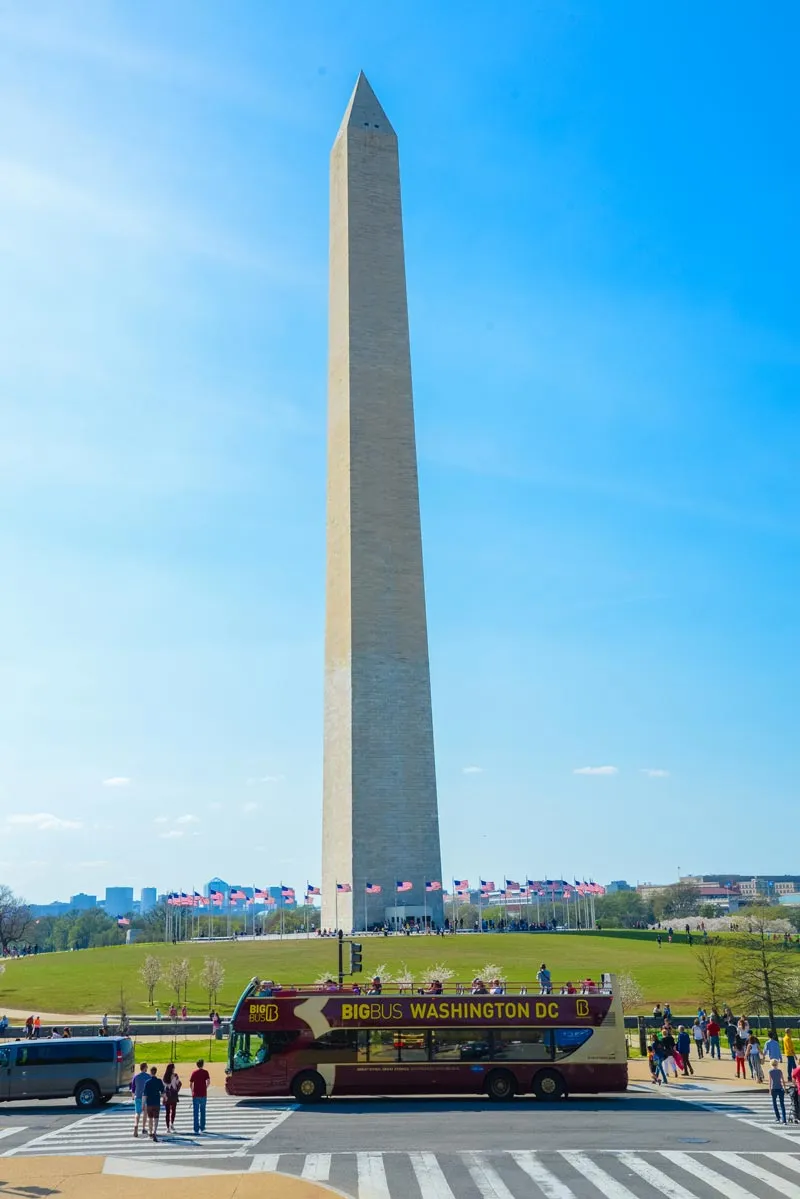
Choose from Washington, DC’s best city and attraction passes and save big with discounted tickets. Find sightseeing tours, museum passes and so much more with the Washington DC Sightseeing Pass. Learn more about each sightseeing pass and choose the option that’s right for you. The Washington DC Sightseeing Pass The Sightseeing Pass DC helps visitors to the capital save money on admission fees and offers hassle-free entry into the city’s most popular attractions. Each pass includes a 24-hour Big Bus ticket and a choice of one, two or four attractions. Attractions include Madame Tussauds, the National Geographic Museum, a variety of bike tours, walking tours and cruises, a meal at Buca di Beppo and more. Passes are valid for 30 days to offer flexibility for visitors to enjoy the city at their pace. Prices from: $33 Child, $54 Adults Savings: Depends on which attractions you choose, up to 60% Get the Washington DC Sightseeing Pass Whiskey Rebellion Trail: DC's Ivy City One-Day Passport When it comes to spirit-making, the Ivy City neighborhood is DC’s distilling hub. Check out DC’s Ivy City One-Day Passport for a quartet of tastings, tours and cocktails, which you can comfortably pack into a day. For $39, you’ll get a tasting flight from Cotton and Reed, a cocktail from New Columbia Distillers, a tour and tasting at One Eight Distilling and a free cocktail from Republic Restoratives. Prices: $39 Get the Ivy City Passport Whiskey Rebellion Trail: Taste of DC Three-Day Passport The Taste of DC Three-Day Passport gives you a taste of history in addition to locally made spirits. Get access to George Washington’s Mount Vernon, where you learn about Washington’s rise from the president to one of the largest rye whiskey producers in the late 1790s. When it comes time to sampling, you’ll get access to everything in Ivy City from above, as well as a flight from Don Ciccio & Figli. Prices: $69 GET THE TASTE OF DC PASS