
All Articles
Motorcoach Guide & Parking Regulations
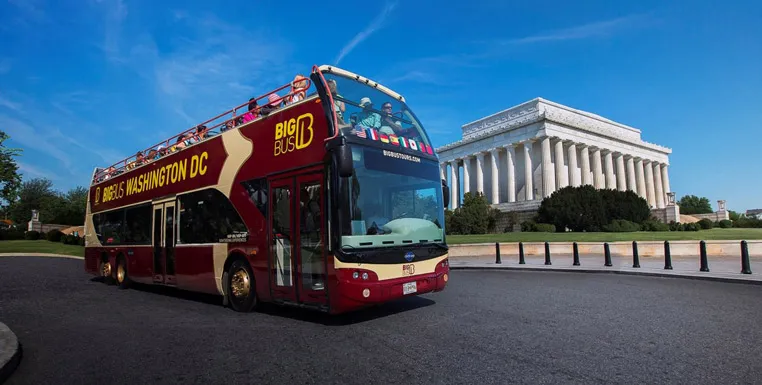
In response to safety, security and preservation requirements, the Capitol Police and the Department of Motor Vehicles have enacted several regulations that cover permitting and traffic flow for motor coaches. Motorcoaches are precluded from traveling within certain locations on and around the grounds of the U.S. Capitol and utilizing many of the residential streets in the Capitol Hill Historic District. Motorcoach operators are also required to have apportioned plates or obtain permits for operation in the District. For up-to-date information on all motorcoach news, information and regulations, visit GoDCGo.com. For additional resources, visit the links below: Motorcoach Guide to Washington, DC webpage Tour Bus Permits Capitol Hill Tour Bus Routes District Department of Transportation Newsroom View the 2024 Group Tour Operator Spring Update Webinar Slides View the 2024 Group Tour Operator Spring Update Webinar Recording For more information regarding bus travel in Washington, DC, email grouptour@washington.org or call 1-855-67-BUSES (28737)
Navigating Washington, DC with Metro
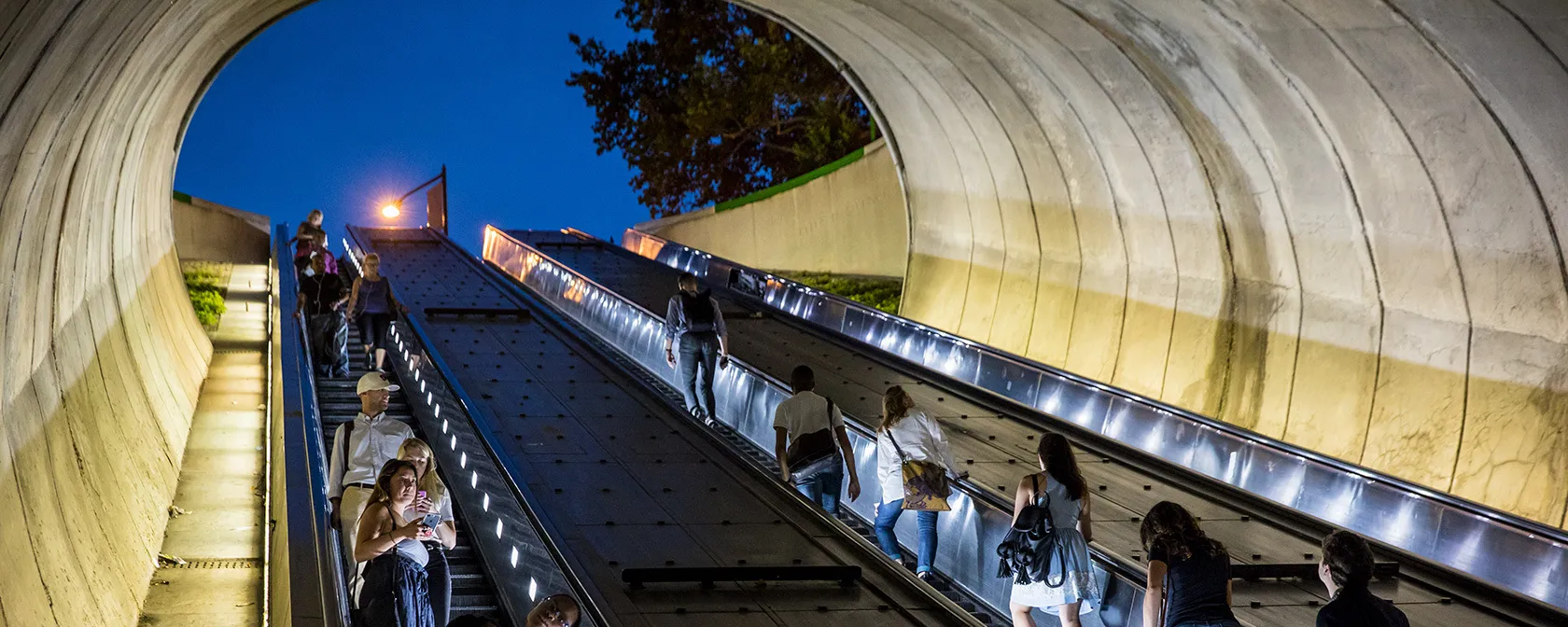
Washington, DC’s Metro is one of the busiest public transportation systems in the country. Its expansive network of tunnels and above ground tracks connect all four quadrants of DC with suburban Virginia and Maryland. The system is heavily used by local commuters and it’s a popular, convenient and affordable way for visitors to DC to get around the region, now so more than ever. Metro has opened its new Silver Line extension, which allows riders to connect to Dulles International Airport and explore Loudoun County. Visit Metro's website for more information about the extension. Find information about the Washington, DC Metro system: DC Metro Map How Metro Works & Metro Trip Planner Metro Fares Metro Hours Metro Etiquette Please download the touch-free SmarTrip app for iPhone and Android. DC Metro Map A Metrorail system map will help you navigate the nation's capital during your trip. Click the Washington, DC Metro map below to view a larger version. How does the Washington, DC Metro work? How do I plan my trip? The Metro consists of six color-coded lines: Red, Blue, Orange, Yellow, Green and Silver. The lines are connected to each other via transfer stations and many Metro stops are serviced by more than one color. Each train car has an exterior electronic sign that marks the color and the direction of the train. Direction is indicated by the final station of that line. Popular sightseeing Metro stops include the Smithsonian (Orange, Silver and Blue lines), Woodley Park-Zoo/Adams Morgan (Red line) and Gallery Place-Chinatown (Red, Green and Yellow lines). You can plan your trip and find the best route using Metro's Trip Planner. Worried about internet connectivity while traveling on Metro? Currently, most Metro stations have free Wi-Fi. How much are Metro fares and how do you use SmarTrip? Metro fares are calculated by how many stops you travel and vary during peak and off-peak hours. During peak hours, most fares range from $2.25 to $6 per trip. During off-peak hours, fares typically range from $1.85 to $3.85. Metro riders must pay via SmarTrip card or the SmarTrip app on iPhone and Apple Watch. SmarTrip cards are plastic, rechargeable fare cards that can be purchased by cash or credit at any Metro station or in advance on wmata.com. You can calculate your fare between two stops using Metro’s Trip Planner. The SmarTrip app can be used anywhere the SmarTrip card is accepted, including rail, buses and Metro-operated parking lots. Metro is the first rail system in the U.S. to offer a full-service, touch-free payment option at every single stop. See below for more information about how to use SmarTrip in your Apple Wallet. What are the Metro's hours and when does it close? DC Metro trains run Monday - Thursday, 5 a.m. until 12 a.m.; Friday, 5 a.m. until 1 a.m.; Saturday: 7 a.m. until 1 a.m.; Sunday: 7 a.m. until 12 a.m. Metro etiquette The Washington, DC Metro serves thousands of commuters and visitors each day. Because the train system is so heavily used by busy local commuters, there are a number of unspoken rules that visitors should be aware of. If possible, you may want to ride at off-peak hours when the train system is much less hectic. When riding the escalator, stand to your right, walk to your left. Standing in a twosome that blocks the left side is strongly (and often loudly) discouraged by your fellow Metro riders. When waiting to board a train, let riders exit the train first before trying to board. If the train is particularly crowded and you are standing in a doorway, step just outside the train doorway to allow your fellow riders room to exit. Another important note if the train is crowded: move to the middle of the car so others can board. You will have time to exit when you arrive at your stop. During peak hours, trains arrive often. Don’t try to board a train that is too full. The automatic doors are very sensitive and if they can’t close, the train operator may offload the entire train because a door stopped working. Each car usually has several seats for handicapped riders. Please don’t use these seats if there is a rider that needs to sit down. Be sure and have your SmarTrip card out and ready to swipe when you go through the gate. Riders move through quickly and holding up the line is discouraged. While the Metro can be a very busy place, most of your fellow riders are friendly and will point you in the right direction. There is also a station manager at each station. Don’t be afraid to ask if you have questions about navigating the Metro! Now that you have read up on the Metrorail experience, learn about other ways to navigate DC. Check out the best transportation options for getting around the District.

QA Test Automated cron Article sync 1
As you return to traveling this year, Washington, DC should be at the very top of your list. The nation’s capital offers more than 100 free things to do, but it should come as no surprise that museums are some of the most popular attractions. We’ve gone into deep detail on four of the city’s most popular museums (including one dedicated to living animals), none of which charge admission. Find the latest updates on visiting museums, including Smithsonian's plans to have all of its museums open by the end of August 2021, mask mandates for all indoor museums and the latest ticketing requirements. Book your next vacation to the nation’s capital and visit these only-in-the-District museums, free of charge. In the heart of the nation’s capital lives a portal to wildlife from around the world. Smithsonian’s National Zoo offers a firsthand, family-friendly experience through a 163-acre urban park in the Woodley Park neighborhood teeming with roughly 2,700 animals that represent more than 390 species. The zoo is also connected to the Smithsonian Conservation Biology Institute (a non-public facility located in Front Royal, Va.), a global effort to conserve species and train future conservationists. This focus on preserving endangered animals extends to the zoo, as one-fifth of its exhibited species fall into this category. In the heart of the nation’s capital lives a portal to wildlife from around the world. Smithsonian’s National Zoo offers a firsthand, family-friendly experience through a 163-acre urban park in the Woodley Park neighborhood teeming with roughly 2,700 animals that represent more than 390 species. The zoo is also connected to the Smithsonian Conservation Biology Institute (a non-public facility located in Front Royal, Va.), a global effort to conserve species and train future conservationists. This focus on preserving endangered animals extends to the zoo, as one-fifth of its exhibited species fall into this category. In the heart of the nation’s capital lives a portal to wildlife from around the world. Smithsonian’s National Zoo offers a firsthand, family-friendly experience through a 163-acre urban park in the Woodley Park neighborhood teeming with roughly 2,700 animals that represent more than 390 species. The zoo is also connected to the Smithsonian Conservation Biology Institute (a non-public facility located in Front Royal, Va.), a global effort to conserve species and train future conservationists. This focus on preserving endangered animals extends to the zoo, as one-fifth of its exhibited species fall into this category. In the heart of the nation’s capital lives a portal to wildlife from around the world. Smithsonian’s National Zoo offers a firsthand, family-friendly experience through a 163-acre urban park in the Woodley Park neighborhood teeming with roughly 2,700 animals that represent more than 390 species. The zoo is also connected to the Smithsonian Conservation Biology Institute (a non-public facility located in Front Royal, Va.), a global effort to conserve species and train future conservationists. This focus on preserving endangered animals extends to the zoo, as one-fifth of its exhibited species fall into this category. In the heart of the nation’s capital lives a portal to wildlife from around the world. Smithsonian’s National Zoo offers a firsthand, family-friendly experience through a 163-acre urban park in the Woodley Park neighborhood teeming with roughly 2,700 animals that represent more than 390 species. The zoo is also connected to the Smithsonian Conservation Biology Institute (a non-public facility located in Front Royal, Va.), a global effort to conserve species and train future conservationists. This focus on preserving endangered animals extends to the zoo, as one-fifth of its exhibited species fall into this category. In the heart of the nation’s capital lives a portal to wildlife from around the world. Smithsonian’s National Zoo offers a firsthand, family-friendly experience through a 163-acre urban park in the Woodley Park neighborhood teeming with roughly 2,700 animals that represent more than 390 species. The zoo is also connected to the Smithsonian Conservation Biology Institute (a non-public facility located in Front Royal, Va.), a global effort to conserve species and train future conservationists. This focus on preserving endangered animals extends to the zoo, as one-fifth of its exhibited species fall into this category. In the heart of the nation’s capital lives a portal to wildlife from around the world. Smithsonian’s National Zoo offers a firsthand, family-friendly experience through a 163-acre urban park in the Woodley Park neighborhood teeming with roughly 2,700 animals that represent more than 390 species. The zoo is also connected to the Smithsonian Conservation Biology Institute (a non-public facility located in Front Royal, Va.), a global effort to conserve species and train future conservationists. This focus on preserving endangered animals extends to the zoo, as one-fifth of its exhibited species fall into this category. In the heart of the nation’s capital lives a portal to wildlife from around the world. Smithsonian’s National Zoo offers a firsthand, family-friendly experience through a 163-acre urban park in the Woodley Park neighborhood teeming with roughly 2,700 animals that represent more than 390 species. The zoo is also connected to the Smithsonian Conservation Biology Institute (a non-public facility located in Front Royal, Va.), a global effort to conserve species and train future conservationists. This focus on preserving endangered animals extends to the zoo, as one-fifth of its exhibited species fall into this category. In the heart of the nation’s capital lives a portal to wildlife from around the world. Smithsonian’s National Zoo offers a firsthand, family-friendly experience through a 163-acre urban park in the Woodley Park neighborhood teeming with roughly 2,700 animals that represent more than 390 species. The zoo is also connected to the Smithsonian Conservation Biology Institute (a non-public facility located in Front Royal, Va.), a global effort to conserve species and train future conservationists. This focus on preserving endangered animals extends to the zoo, as one-fifth of its exhibited species fall into this category. In the heart of the nation’s capital lives a portal to wildlife from around the world. Smithsonian’s National Zoo offers a firsthand, family-friendly experience through a 163-acre urban park in the Woodley Park neighborhood teeming with roughly 2,700 animals that represent more than 390 species. The zoo is also connected to the Smithsonian Conservation Biology Institute (a non-public facility located in Front Royal, Va.), a global effort to conserve species and train future conservationists. This focus on preserving endangered animals extends to the zoo, as one-fifth of its exhibited species fall into this category. In the heart of the nation’s capital lives a portal to wildlife from around the world. Smithsonian’s National Zoo offers a firsthand, family-friendly experience through a 163-acre urban park in the Woodley Park neighborhood teeming with roughly 2,700 animals that represent more than 390 species. The zoo is also connected to the Smithsonian Conservation Biology Institute (a non-public facility located in Front Royal, Va.), a global effort to conserve species and train future conservationists. This focus on preserving endangered animals extends to the zoo, as one-fifth of its exhibited species fall into this category. In the heart of the nation’s capital lives a portal to wildlife from around the world. Smithsonian’s National Zoo offers a firsthand, family-friendly experience through a 163-acre urban park in the Woodley Park neighborhood teeming with roughly 2,700 animals that represent more than 390 species. The zoo is also connected to the Smithsonian Conservation Biology Institute (a non-public facility located in Front Royal, Va.), a global effort to conserve species and train future conservationists. This focus on preserving endangered animals extends to the zoo, as one-fifth of its exhibited species fall into this category. In the heart of the nation’s capital lives a portal to wildlife from around the world. Smithsonian’s National Zoo offers a firsthand, family-friendly experience through a 163-acre urban park in the Woodley Park neighborhood teeming with roughly 2,700 animals that represent more than 390 species. The zoo is also connected to the Smithsonian Conservation Biology Institute (a non-public facility located in Front Royal, Va.), a global effort to conserve species and train future conservationists. This focus on preserving endangered animals extends to the zoo, as one-fifth of its exhibited species fall into this category. In the heart of the nation’s capital lives a portal to wildlife from around the world. Smithsonian’s National Zoo offers a firsthand, family-friendly experience through a 163-acre urban park in the Woodley Park neighborhood teeming with roughly 2,700 animals that represent more than 390 species. The zoo is also connected to the Smithsonian Conservation Biology Institute (a non-public facility located in Front Royal, Va.), a global effort to conserve species and train future conservationists. This focus on preserving endangered animals extends to the zoo, as one-fifth of its exhibited species fall into this category. In the heart of the nation’s capital lives a portal to wildlife from around the world. Smithsonian’s National Zoo offers a firsthand, family-friendly experience through a 163-acre urban park in the Woodley Park neighborhood teeming with roughly 2,700 animals that represent more than 390 species. The zoo is also connected to the Smithsonian Conservation Biology Institute (a non-public facility located in Front Royal, Va.), a global effort to conserve species and train future conservationists. This focus on preserving endangered animals extends to the zoo, as one-fifth of its exhibited species fall into this category. In the heart of the nation’s capital lives a portal to wildlife from around the world. Smithsonian’s National Zoo offers a firsthand, family-friendly experience through a 163-acre urban park in the Woodley Park neighborhood teeming with roughly 2,700 animals that represent more than 390 species. The zoo is also connected to the Smithsonian Conservation Biology Institute (a non-public facility located in Front Royal, Va.), a global effort to conserve species and train future conservationists. This focus on preserving endangered animals extends to the zoo, as one-fifth of its exhibited species fall into this category. In the heart of the nation’s capital lives a portal to wildlife from around the world. Smithsonian’s National Zoo offers a firsthand, family-friendly experience through a 163-acre urban park in the Woodley Park neighborhood teeming with roughly 2,700 animals that represent more than 390 species. The zoo is also connected to the Smithsonian Conservation Biology Institute (a non-public facility located in Front Royal, Va.), a global effort to conserve species and train future conservationists. This focus on preserving endangered animals extends to the zoo, as one-fifth of its exhibited species fall into this category. In the heart of the nation’s capital lives a portal to wildlife from around the world. Smithsonian’s National Zoo offers a firsthand, family-friendly experience through a 163-acre urban park in the Woodley Park neighborhood teeming with roughly 2,700 animals that represent more than 390 species. The zoo is also connected to the Smithsonian Conservation Biology Institute (a non-public facility located in Front Royal, Va.), a global effort to conserve species and train future conservationists. This focus on preserving endangered animals extends to the zoo, as one-fifth of its exhibited species fall into this category. In the heart of the nation’s capital lives a portal to wildlife from around the world. Smithsonian’s National Zoo offers a firsthand, family-friendly experience through a 163-acre urban park in the Woodley Park neighborhood teeming with roughly 2,700 animals that represent more than 390 species. The zoo is also connected to the Smithsonian Conservation Biology Institute (a non-public facility located in Front Royal, Va.), a global effort to conserve species and train future conservationists. This focus on preserving endangered animals extends to the zoo, as one-fifth of its exhibited species fall into this category. In the heart of the nation’s capital lives a portal to wildlife from around the world. Smithsonian’s National Zoo offers a firsthand, family-friendly experience through a 163-acre urban park in the Woodley Park neighborhood teeming with roughly 2,700 animals that represent more than 390 species. The zoo is also connected to the Smithsonian Conservation Biology Institute (a non-public facility located in Front Royal, Va.), a global effort to conserve species and train future conservationists. This focus on preserving endangered animals extends to the zoo, as one-fifth of its exhibited species fall into this category. In the heart of the nation’s capital lives a portal to wildlife from around the world. Smithsonian’s National Zoo offers a firsthand, family-friendly experience through a 163-acre urban park in the Woodley Park neighborhood teeming with roughly 2,700 animals that represent more than 390 species. The zoo is also connected to the Smithsonian Conservation Biology Institute (a non-public facility located in Front Royal, Va.), a global effort to conserve species and train future conservationists. This focus on preserving endangered animals extends to the zoo, as one-fifth of its exhibited species fall into this category. In the heart of the nation’s capital lives a portal to wildlife from around the world. Smithsonian’s National Zoo offers a firsthand, family-friendly experience through a 163-acre urban park in the Woodley Park neighborhood teeming with roughly 2,700 animals that represent more than 390 species. The zoo is also connected to the Smithsonian Conservation Biology Institute (a non-public facility located in Front Royal, Va.), a global effort to conserve species and train future conservationists. This focus on preserving endangered animals extends to the zoo, as one-fifth of its exhibited species fall into this category. In the heart of the nation’s capital lives a portal to wildlife from around the world. Smithsonian’s National Zoo offers a firsthand, family-friendly experience through a 163-acre urban park in the Woodley Park neighborhood teeming with roughly 2,700 animals that represent more than 390 species. The zoo is also connected to the Smithsonian Conservation Biology Institute (a non-public facility located in Front Royal, Va.), a global effort to conserve species and train future conservationists. This focus on preserving endangered animals extends to the zoo, as one-fifth of its exhibited species fall into this category.
Washington, DC Safety Information
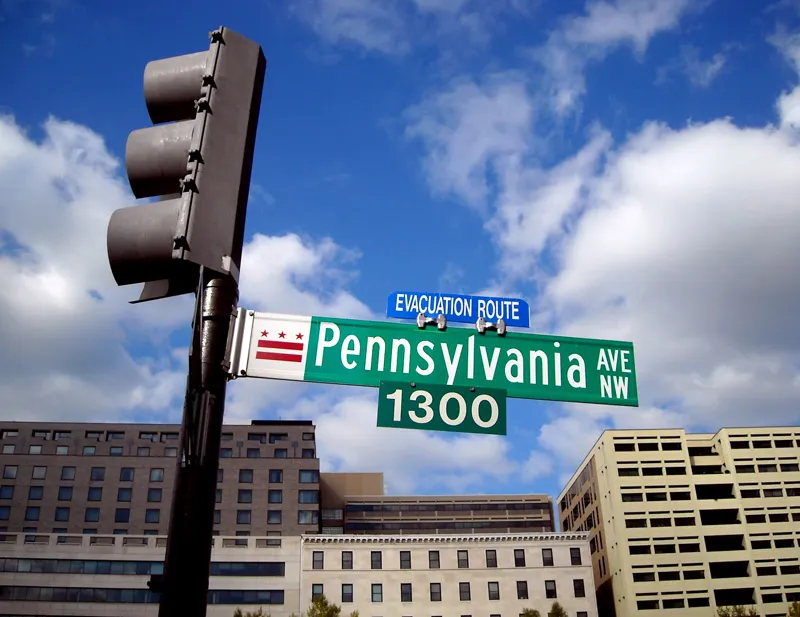
Please find the most up-to-date information on travel and safety in Washington, DC during the coronavirus pandemic. The safety of our visitors is our top priority. Destination DC works closely with the Mayor of the District of Columbia, the Metropolitan Police Department and other local and federal government agencies to understand and communicate safety messages on behalf of the tourism community. There are many safety protocols in place, both seen and unseen. DC safely welcomes millions of visitors each year to the nation’s capital. Here is some helpful information as well as links and important phone numbers. DC’s Homeland Security and Emergency Management Agency (HSEMA) leads the planning and coordination of homeland security and emergency management efforts to ensure that the District of Columbia is prepared. HSEMA is a resource for: Information about emergency evacuations. There are 19 evacuation routes out of the city. Look for marked signs or find a route based on your location. AlertDC, the District’s emergency notification system. Visitors and residents can sign up to receive alerts via e-mail or text message. Tune in to Cable Channels 13, 16, or local news to also receive updates. Washington Metropolitan Area Transit Authority (WMATA) and Metro Transit Police Department (MTPD) oversee safety of DC’s public transit system. MTPD police officers have jurisdiction throughout DC, Maryland and Virginia and officers provide a variety of law enforcement and public safety services on the Metrorail and Metrobus systems in the region. Visitors are encouraged to report suspicious activity by calling 202-962-2121 or texting MyMTPD (696873). Mayor Muriel E. Bowser is committed to addressing safety concerns. Some of her initiatives include: Devoting $214 million to gun violence prevention Investing $3 million in community grants focused on violence prevention Installation of more than 1,200 security cameras Deploying more than 1,200 body-worn cameras to officers Training and recruitment of law enforcement agents Follow these general safety guidelines from the Metropolitan Police Department: Be alert and aware of your surroundings. Remove headphones and put cell phones away. Don’t travel alone late at night. If you see something, say something. You can text information to MPD at 50411 or call 9-1-1 in an emergency. Do not accept packages from strangers. Do not leave luggage unattended. Plan evacuation routes in case of an emergency. Traveling safely to Washington, DC: Amtrak, along with the Amtrak Police Department, has a range of behind-the-scenes and front-line security measures in place to ensure passenger rail security. The Metropolitan Washington Airports Authority’s Public Safety Office oversees safety operations for Ronald Reagan National Airport and Dulles International Airport. BWI Airport’s security Information Learn more about TSA Precheck Medical care: There are numerous hospitals in Washington, DC should you need to seek immediate medical attention. This includes George Washington University Hospital, multiple MedStar hospital locations, Howard University Hospital, Children's National Medical Center and Sibley Memorial Hospital. For in-home medical treatment, Doctors To You provides house calls to individuals seeking medical care wherever you are in the Washington, DC, Maryland and Virginia area. Additional Washington, DC resources: Emergency Preparation Videos Police Fire Services, (202) 462-1762 Department of Health 311 – non-emergency DC services U.S. Capitol Police: (202) 224-5151 U.S. Park Police (202) 619-7910 Local news: The Washington Post WTOP 99.1 FM NBC Washington ABC7 WUSA 9 FOX 5
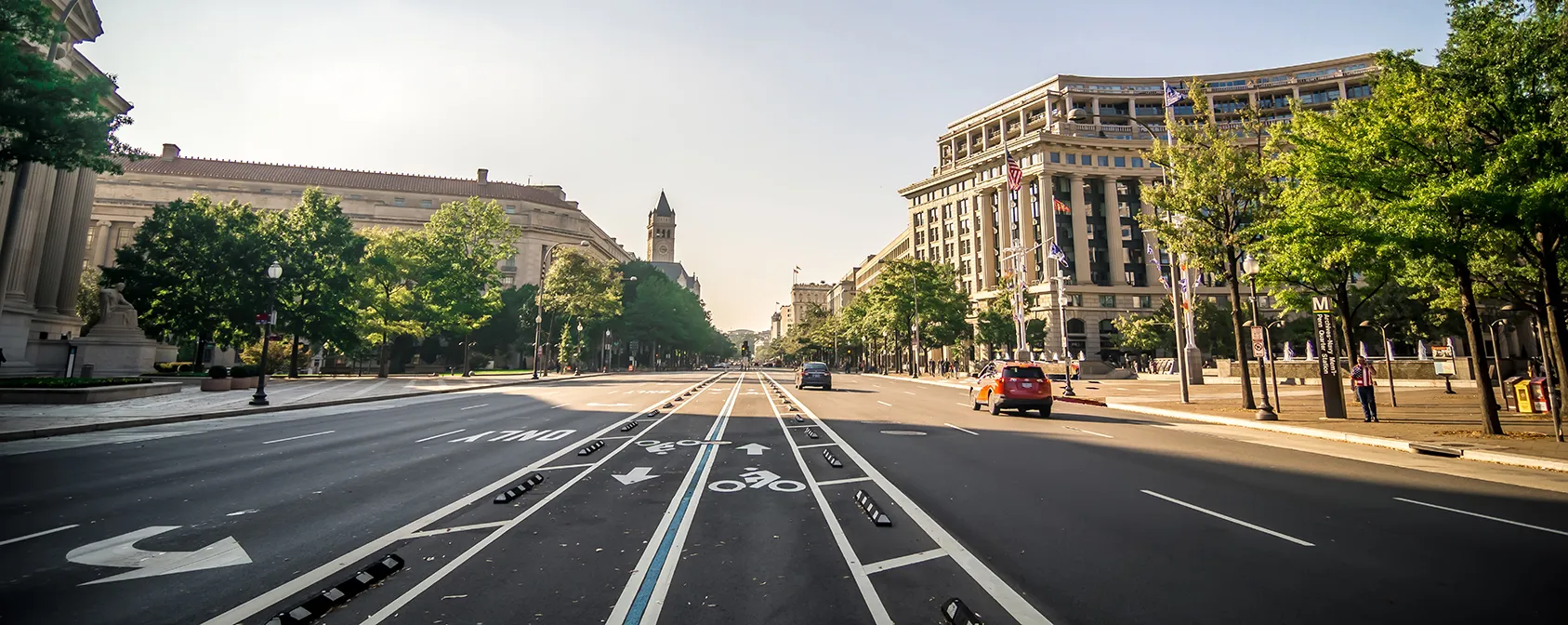
Where Can I Park in Washington, DC?
While Washington, DC is a metropolitan city with safe, efficient public transportation options (including Metrorail and Metrobus, wmata.com, and DC Circulator, dccirculator.com), sometimes you may just want to get into your car and drive to DC. The city does attract an high volume of commuters on a daily basis, but there are plenty of parking options to consider when you visit DC in your vehicle. Street parking and parking garages Your two best bets for parking in DC are parking garages and street parking. If you choose to park, there are several resources to help you explore the best options. Visit godcgo.com before you arrive to read up on parking options in DC. There are many privately owned garages that will cost you roughly $10 to $30 or more, depending on how many hours you are parked. Laz Parking and Colonial Parking also feature valet services and garages around town. Many commuters also park in these DC garages, so keep in mind they tend to fill up early. During special events (for instance, during a hockey game at the Verizon Center), prices at nearby garages may go up even higher. DC also has street parking in most neighborhoods. Pay close attention to posted signs, as most parking spots have restricted hours (during rush hour, for example). Parking restrictions are strictly enforced and violators may find a parking ticket on their windshield (or worse, towed). Most parking is metered and many accept cash or credit cards. Keep in mind that both street and garage parking is especially hard to find around many of the monuments and memorials and near the White House. You may also choose to park at your hotel. Check with your hotel for rates before you arrive. Handicapped parking is available at most parking garages. DC also recognizes out-of-state handicapped stickers and plaque cards, allowing parking access at all parking meters. Note that there is free parking in DC, with approximately 400 spaces at Hains Point in East Potomac Park. You can also download SpotHero to your phone to find a spot for your vehicle around town. Parking at the Metro If you’re staying outside of DC proper and want to Metro to the city, parking at one of the lots at suburban Metro stations is a good option. Many commuters do this on a daily basis, so these parking lots can also fill up fast early in the morning. Daily rates vary by station, but you can expect to pay between $4.60 and $5.10. Find specific rates for each station on WMATA’s parking page. SmarTrip cards are the only valid form of payment for both parking lots and to ride Metro. The rechargeable cards can be purchased at any Metro station. Explore other options for getting around Washington, DC.