
All Articles

QA Test Automated cron Article sync 1
As you return to traveling this year, Washington, DC should be at the very top of your list. The nation’s capital offers more than 100 free things to do, but it should come as no surprise that museums are some of the most popular attractions. We’ve gone into deep detail on four of the city’s most popular museums (including one dedicated to living animals), none of which charge admission. Find the latest updates on visiting museums, including Smithsonian's plans to have all of its museums open by the end of August 2021, mask mandates for all indoor museums and the latest ticketing requirements. Book your next vacation to the nation’s capital and visit these only-in-the-District museums, free of charge. In the heart of the nation’s capital lives a portal to wildlife from around the world. Smithsonian’s National Zoo offers a firsthand, family-friendly experience through a 163-acre urban park in the Woodley Park neighborhood teeming with roughly 2,700 animals that represent more than 390 species. The zoo is also connected to the Smithsonian Conservation Biology Institute (a non-public facility located in Front Royal, Va.), a global effort to conserve species and train future conservationists. This focus on preserving endangered animals extends to the zoo, as one-fifth of its exhibited species fall into this category. In the heart of the nation’s capital lives a portal to wildlife from around the world. Smithsonian’s National Zoo offers a firsthand, family-friendly experience through a 163-acre urban park in the Woodley Park neighborhood teeming with roughly 2,700 animals that represent more than 390 species. The zoo is also connected to the Smithsonian Conservation Biology Institute (a non-public facility located in Front Royal, Va.), a global effort to conserve species and train future conservationists. This focus on preserving endangered animals extends to the zoo, as one-fifth of its exhibited species fall into this category. In the heart of the nation’s capital lives a portal to wildlife from around the world. Smithsonian’s National Zoo offers a firsthand, family-friendly experience through a 163-acre urban park in the Woodley Park neighborhood teeming with roughly 2,700 animals that represent more than 390 species. The zoo is also connected to the Smithsonian Conservation Biology Institute (a non-public facility located in Front Royal, Va.), a global effort to conserve species and train future conservationists. This focus on preserving endangered animals extends to the zoo, as one-fifth of its exhibited species fall into this category. In the heart of the nation’s capital lives a portal to wildlife from around the world. Smithsonian’s National Zoo offers a firsthand, family-friendly experience through a 163-acre urban park in the Woodley Park neighborhood teeming with roughly 2,700 animals that represent more than 390 species. The zoo is also connected to the Smithsonian Conservation Biology Institute (a non-public facility located in Front Royal, Va.), a global effort to conserve species and train future conservationists. This focus on preserving endangered animals extends to the zoo, as one-fifth of its exhibited species fall into this category. In the heart of the nation’s capital lives a portal to wildlife from around the world. Smithsonian’s National Zoo offers a firsthand, family-friendly experience through a 163-acre urban park in the Woodley Park neighborhood teeming with roughly 2,700 animals that represent more than 390 species. The zoo is also connected to the Smithsonian Conservation Biology Institute (a non-public facility located in Front Royal, Va.), a global effort to conserve species and train future conservationists. This focus on preserving endangered animals extends to the zoo, as one-fifth of its exhibited species fall into this category. In the heart of the nation’s capital lives a portal to wildlife from around the world. Smithsonian’s National Zoo offers a firsthand, family-friendly experience through a 163-acre urban park in the Woodley Park neighborhood teeming with roughly 2,700 animals that represent more than 390 species. The zoo is also connected to the Smithsonian Conservation Biology Institute (a non-public facility located in Front Royal, Va.), a global effort to conserve species and train future conservationists. This focus on preserving endangered animals extends to the zoo, as one-fifth of its exhibited species fall into this category. In the heart of the nation’s capital lives a portal to wildlife from around the world. Smithsonian’s National Zoo offers a firsthand, family-friendly experience through a 163-acre urban park in the Woodley Park neighborhood teeming with roughly 2,700 animals that represent more than 390 species. The zoo is also connected to the Smithsonian Conservation Biology Institute (a non-public facility located in Front Royal, Va.), a global effort to conserve species and train future conservationists. This focus on preserving endangered animals extends to the zoo, as one-fifth of its exhibited species fall into this category. In the heart of the nation’s capital lives a portal to wildlife from around the world. Smithsonian’s National Zoo offers a firsthand, family-friendly experience through a 163-acre urban park in the Woodley Park neighborhood teeming with roughly 2,700 animals that represent more than 390 species. The zoo is also connected to the Smithsonian Conservation Biology Institute (a non-public facility located in Front Royal, Va.), a global effort to conserve species and train future conservationists. This focus on preserving endangered animals extends to the zoo, as one-fifth of its exhibited species fall into this category. In the heart of the nation’s capital lives a portal to wildlife from around the world. Smithsonian’s National Zoo offers a firsthand, family-friendly experience through a 163-acre urban park in the Woodley Park neighborhood teeming with roughly 2,700 animals that represent more than 390 species. The zoo is also connected to the Smithsonian Conservation Biology Institute (a non-public facility located in Front Royal, Va.), a global effort to conserve species and train future conservationists. This focus on preserving endangered animals extends to the zoo, as one-fifth of its exhibited species fall into this category. In the heart of the nation’s capital lives a portal to wildlife from around the world. Smithsonian’s National Zoo offers a firsthand, family-friendly experience through a 163-acre urban park in the Woodley Park neighborhood teeming with roughly 2,700 animals that represent more than 390 species. The zoo is also connected to the Smithsonian Conservation Biology Institute (a non-public facility located in Front Royal, Va.), a global effort to conserve species and train future conservationists. This focus on preserving endangered animals extends to the zoo, as one-fifth of its exhibited species fall into this category. In the heart of the nation’s capital lives a portal to wildlife from around the world. Smithsonian’s National Zoo offers a firsthand, family-friendly experience through a 163-acre urban park in the Woodley Park neighborhood teeming with roughly 2,700 animals that represent more than 390 species. The zoo is also connected to the Smithsonian Conservation Biology Institute (a non-public facility located in Front Royal, Va.), a global effort to conserve species and train future conservationists. This focus on preserving endangered animals extends to the zoo, as one-fifth of its exhibited species fall into this category. In the heart of the nation’s capital lives a portal to wildlife from around the world. Smithsonian’s National Zoo offers a firsthand, family-friendly experience through a 163-acre urban park in the Woodley Park neighborhood teeming with roughly 2,700 animals that represent more than 390 species. The zoo is also connected to the Smithsonian Conservation Biology Institute (a non-public facility located in Front Royal, Va.), a global effort to conserve species and train future conservationists. This focus on preserving endangered animals extends to the zoo, as one-fifth of its exhibited species fall into this category. In the heart of the nation’s capital lives a portal to wildlife from around the world. Smithsonian’s National Zoo offers a firsthand, family-friendly experience through a 163-acre urban park in the Woodley Park neighborhood teeming with roughly 2,700 animals that represent more than 390 species. The zoo is also connected to the Smithsonian Conservation Biology Institute (a non-public facility located in Front Royal, Va.), a global effort to conserve species and train future conservationists. This focus on preserving endangered animals extends to the zoo, as one-fifth of its exhibited species fall into this category. In the heart of the nation’s capital lives a portal to wildlife from around the world. Smithsonian’s National Zoo offers a firsthand, family-friendly experience through a 163-acre urban park in the Woodley Park neighborhood teeming with roughly 2,700 animals that represent more than 390 species. The zoo is also connected to the Smithsonian Conservation Biology Institute (a non-public facility located in Front Royal, Va.), a global effort to conserve species and train future conservationists. This focus on preserving endangered animals extends to the zoo, as one-fifth of its exhibited species fall into this category. In the heart of the nation’s capital lives a portal to wildlife from around the world. Smithsonian’s National Zoo offers a firsthand, family-friendly experience through a 163-acre urban park in the Woodley Park neighborhood teeming with roughly 2,700 animals that represent more than 390 species. The zoo is also connected to the Smithsonian Conservation Biology Institute (a non-public facility located in Front Royal, Va.), a global effort to conserve species and train future conservationists. This focus on preserving endangered animals extends to the zoo, as one-fifth of its exhibited species fall into this category. In the heart of the nation’s capital lives a portal to wildlife from around the world. Smithsonian’s National Zoo offers a firsthand, family-friendly experience through a 163-acre urban park in the Woodley Park neighborhood teeming with roughly 2,700 animals that represent more than 390 species. The zoo is also connected to the Smithsonian Conservation Biology Institute (a non-public facility located in Front Royal, Va.), a global effort to conserve species and train future conservationists. This focus on preserving endangered animals extends to the zoo, as one-fifth of its exhibited species fall into this category. In the heart of the nation’s capital lives a portal to wildlife from around the world. Smithsonian’s National Zoo offers a firsthand, family-friendly experience through a 163-acre urban park in the Woodley Park neighborhood teeming with roughly 2,700 animals that represent more than 390 species. The zoo is also connected to the Smithsonian Conservation Biology Institute (a non-public facility located in Front Royal, Va.), a global effort to conserve species and train future conservationists. This focus on preserving endangered animals extends to the zoo, as one-fifth of its exhibited species fall into this category. In the heart of the nation’s capital lives a portal to wildlife from around the world. Smithsonian’s National Zoo offers a firsthand, family-friendly experience through a 163-acre urban park in the Woodley Park neighborhood teeming with roughly 2,700 animals that represent more than 390 species. The zoo is also connected to the Smithsonian Conservation Biology Institute (a non-public facility located in Front Royal, Va.), a global effort to conserve species and train future conservationists. This focus on preserving endangered animals extends to the zoo, as one-fifth of its exhibited species fall into this category. In the heart of the nation’s capital lives a portal to wildlife from around the world. Smithsonian’s National Zoo offers a firsthand, family-friendly experience through a 163-acre urban park in the Woodley Park neighborhood teeming with roughly 2,700 animals that represent more than 390 species. The zoo is also connected to the Smithsonian Conservation Biology Institute (a non-public facility located in Front Royal, Va.), a global effort to conserve species and train future conservationists. This focus on preserving endangered animals extends to the zoo, as one-fifth of its exhibited species fall into this category. In the heart of the nation’s capital lives a portal to wildlife from around the world. Smithsonian’s National Zoo offers a firsthand, family-friendly experience through a 163-acre urban park in the Woodley Park neighborhood teeming with roughly 2,700 animals that represent more than 390 species. The zoo is also connected to the Smithsonian Conservation Biology Institute (a non-public facility located in Front Royal, Va.), a global effort to conserve species and train future conservationists. This focus on preserving endangered animals extends to the zoo, as one-fifth of its exhibited species fall into this category. In the heart of the nation’s capital lives a portal to wildlife from around the world. Smithsonian’s National Zoo offers a firsthand, family-friendly experience through a 163-acre urban park in the Woodley Park neighborhood teeming with roughly 2,700 animals that represent more than 390 species. The zoo is also connected to the Smithsonian Conservation Biology Institute (a non-public facility located in Front Royal, Va.), a global effort to conserve species and train future conservationists. This focus on preserving endangered animals extends to the zoo, as one-fifth of its exhibited species fall into this category. In the heart of the nation’s capital lives a portal to wildlife from around the world. Smithsonian’s National Zoo offers a firsthand, family-friendly experience through a 163-acre urban park in the Woodley Park neighborhood teeming with roughly 2,700 animals that represent more than 390 species. The zoo is also connected to the Smithsonian Conservation Biology Institute (a non-public facility located in Front Royal, Va.), a global effort to conserve species and train future conservationists. This focus on preserving endangered animals extends to the zoo, as one-fifth of its exhibited species fall into this category. In the heart of the nation’s capital lives a portal to wildlife from around the world. Smithsonian’s National Zoo offers a firsthand, family-friendly experience through a 163-acre urban park in the Woodley Park neighborhood teeming with roughly 2,700 animals that represent more than 390 species. The zoo is also connected to the Smithsonian Conservation Biology Institute (a non-public facility located in Front Royal, Va.), a global effort to conserve species and train future conservationists. This focus on preserving endangered animals extends to the zoo, as one-fifth of its exhibited species fall into this category.
The Best Places to Eat in Upper Northwest DC
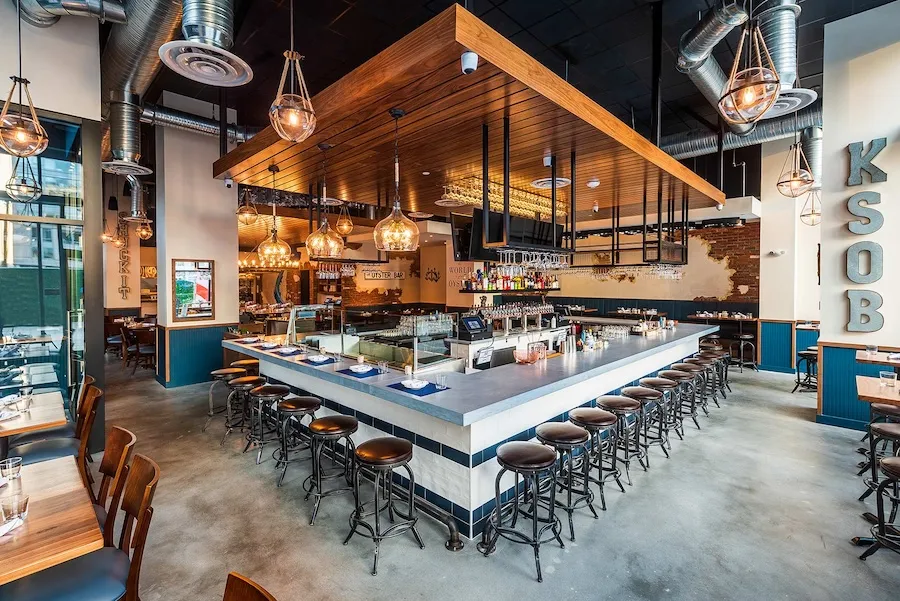
As you explore DC’s Upper Northwest neighborhoods, you’ll discover tree-lined streets and family homes as the city’s urban vibe turns suburban. Cleveland Park, Friendship Heights, Glover Park, Van Ness, Tenleytown, Chevy Chase and more can all be found in Upper Northwest, and attractions like Hillwood Estate, Museum and Gardens and the Washington National Cathedral dot the landscape. And of course, there are plenty of enticing dining options in the area. Hillwood, the former home of Post Cereal heiress Marjorie Merriweather Post, houses a lush collection of Russian Imperial art and boasts expansive, gorgeous gardens. The Merriweather Café serves up a lunch menu inspired by the museum’s current exhibition, with outdoor, tented and picnic seating.
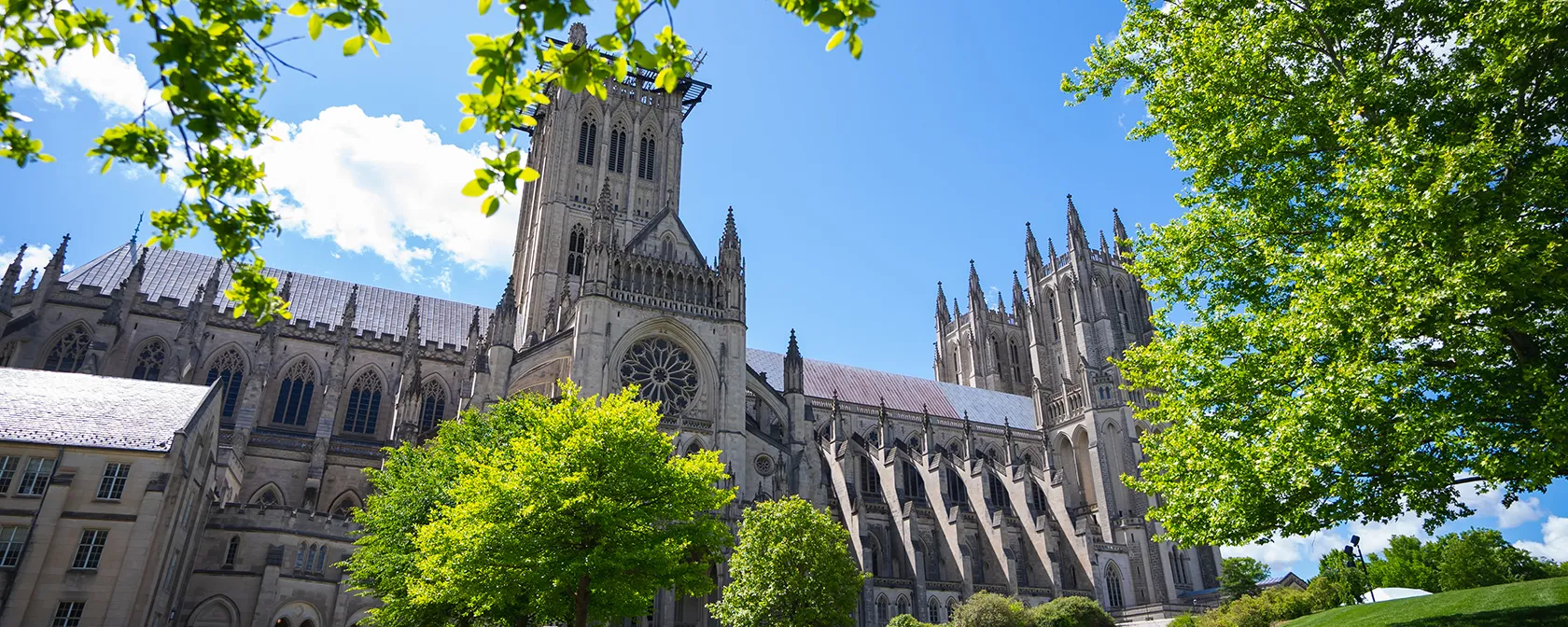
Visiting the Washington National Cathedral
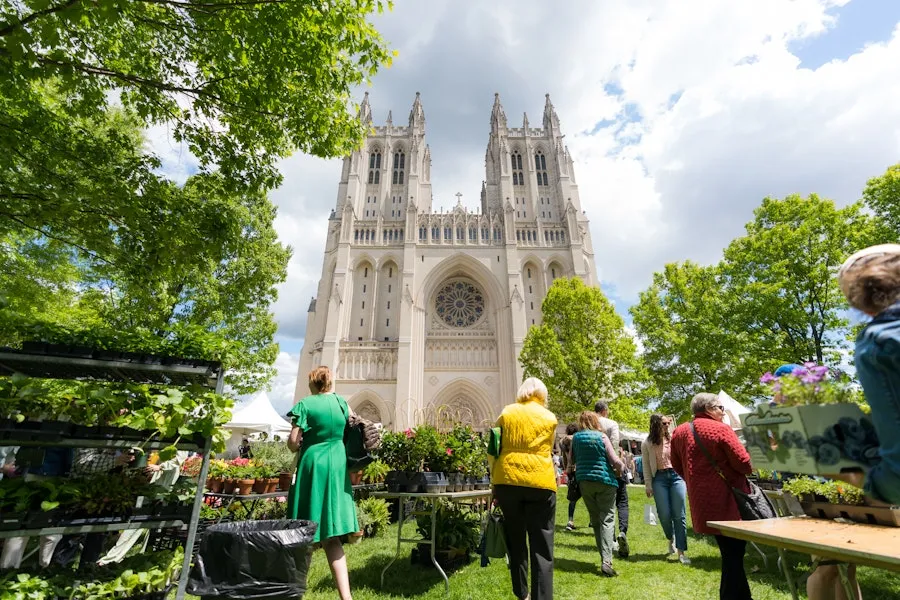
Stained-glass windows, Gothic spires and flying buttresses make the Washington National Cathedral look ages old, but the grand church was actually constructed during the 20th century. Though overseen by the Episcopal Church, the house of worship welcomes people of all faiths to its impressive site on the highest point in DC. History and architecture Stonemasons and builders erected the cathedral beginning in 1907, completing it 83 years later in 1990. Carved from Indiana limestone, the structure boasts a 30-story-tall central tower, an interior nine-bay nave and 215 stained glass windows, including one embedded with a moon rock. Inside, you’ll find a crypt level where Helen Keller and President Woodrow Wilson are buried. On the nave level, you’ll discover an intricately carved wooden choir area and numerous serene chapels. On the exterior, you can search out the 112 gargoyles (decorative rain spouts) and grotesques (carved stone creatures) with the help of a map (available at the entrance) or via guided tours conducted during summer months. Be on the lookout for the grotesque of Darth Vader and the hippie gargoyle. The grounds You’ll find 59 acres of grounds designed by Frederick Law Olmsted Jr. around the National Cathedral. Enclosed by stone walls, the medieval-style Bishop’s Garden includes herb plantings, roses and a 13th-century Norman arch. Stone paths wind through Olmstead Woods, one of the only old-growth forests in DC. There’s also a cafe serving coffee, desserts, brunch and lunch located on the grounds in the 1904 Old Baptistry building. Guided tours and a self-guided tour brochure can help you explore the green spaces. Seeing the Cathedral Church services and musical performances are the only way to experience the cathedral for free. Sunday services are open to all, and Monday through Thursday at 5:30 p.m., evening concerts fill the nave with singing. Outside of spiritual visits, admission to the cathedral is required: $12 for adults, $8 for children ages 5 to 17 and free for kids 4 and under. The cathedral offers daily guided walking highlights tours with admission at 10:15 a.m. Monday through Saturday, and 1 p.m. on Sunday, although check the tour schedule for the latest updates. Numerous ticketed specialty tours, including seasonal gargoyle hunts, artisanship-themed walks and tower climbs, are available to be booked in advance. You can also sightsee with Big Bus Tours, and its hop-on, hop-off tickets let you exit the bus to explore inside the cathedral once you're there. After the National Cathedral, make a day of it exploring the Upper Northwest neighborhood.