
All Articles

QA Test Automated cron Article sync 1
As you return to traveling this year, Washington, DC should be at the very top of your list. The nation’s capital offers more than 100 free things to do, but it should come as no surprise that museums are some of the most popular attractions. We’ve gone into deep detail on four of the city’s most popular museums (including one dedicated to living animals), none of which charge admission. Find the latest updates on visiting museums, including Smithsonian's plans to have all of its museums open by the end of August 2021, mask mandates for all indoor museums and the latest ticketing requirements. Book your next vacation to the nation’s capital and visit these only-in-the-District museums, free of charge. In the heart of the nation’s capital lives a portal to wildlife from around the world. Smithsonian’s National Zoo offers a firsthand, family-friendly experience through a 163-acre urban park in the Woodley Park neighborhood teeming with roughly 2,700 animals that represent more than 390 species. The zoo is also connected to the Smithsonian Conservation Biology Institute (a non-public facility located in Front Royal, Va.), a global effort to conserve species and train future conservationists. This focus on preserving endangered animals extends to the zoo, as one-fifth of its exhibited species fall into this category. In the heart of the nation’s capital lives a portal to wildlife from around the world. Smithsonian’s National Zoo offers a firsthand, family-friendly experience through a 163-acre urban park in the Woodley Park neighborhood teeming with roughly 2,700 animals that represent more than 390 species. The zoo is also connected to the Smithsonian Conservation Biology Institute (a non-public facility located in Front Royal, Va.), a global effort to conserve species and train future conservationists. This focus on preserving endangered animals extends to the zoo, as one-fifth of its exhibited species fall into this category. In the heart of the nation’s capital lives a portal to wildlife from around the world. Smithsonian’s National Zoo offers a firsthand, family-friendly experience through a 163-acre urban park in the Woodley Park neighborhood teeming with roughly 2,700 animals that represent more than 390 species. The zoo is also connected to the Smithsonian Conservation Biology Institute (a non-public facility located in Front Royal, Va.), a global effort to conserve species and train future conservationists. This focus on preserving endangered animals extends to the zoo, as one-fifth of its exhibited species fall into this category. In the heart of the nation’s capital lives a portal to wildlife from around the world. Smithsonian’s National Zoo offers a firsthand, family-friendly experience through a 163-acre urban park in the Woodley Park neighborhood teeming with roughly 2,700 animals that represent more than 390 species. The zoo is also connected to the Smithsonian Conservation Biology Institute (a non-public facility located in Front Royal, Va.), a global effort to conserve species and train future conservationists. This focus on preserving endangered animals extends to the zoo, as one-fifth of its exhibited species fall into this category. In the heart of the nation’s capital lives a portal to wildlife from around the world. Smithsonian’s National Zoo offers a firsthand, family-friendly experience through a 163-acre urban park in the Woodley Park neighborhood teeming with roughly 2,700 animals that represent more than 390 species. The zoo is also connected to the Smithsonian Conservation Biology Institute (a non-public facility located in Front Royal, Va.), a global effort to conserve species and train future conservationists. This focus on preserving endangered animals extends to the zoo, as one-fifth of its exhibited species fall into this category. In the heart of the nation’s capital lives a portal to wildlife from around the world. Smithsonian’s National Zoo offers a firsthand, family-friendly experience through a 163-acre urban park in the Woodley Park neighborhood teeming with roughly 2,700 animals that represent more than 390 species. The zoo is also connected to the Smithsonian Conservation Biology Institute (a non-public facility located in Front Royal, Va.), a global effort to conserve species and train future conservationists. This focus on preserving endangered animals extends to the zoo, as one-fifth of its exhibited species fall into this category. In the heart of the nation’s capital lives a portal to wildlife from around the world. Smithsonian’s National Zoo offers a firsthand, family-friendly experience through a 163-acre urban park in the Woodley Park neighborhood teeming with roughly 2,700 animals that represent more than 390 species. The zoo is also connected to the Smithsonian Conservation Biology Institute (a non-public facility located in Front Royal, Va.), a global effort to conserve species and train future conservationists. This focus on preserving endangered animals extends to the zoo, as one-fifth of its exhibited species fall into this category. In the heart of the nation’s capital lives a portal to wildlife from around the world. Smithsonian’s National Zoo offers a firsthand, family-friendly experience through a 163-acre urban park in the Woodley Park neighborhood teeming with roughly 2,700 animals that represent more than 390 species. The zoo is also connected to the Smithsonian Conservation Biology Institute (a non-public facility located in Front Royal, Va.), a global effort to conserve species and train future conservationists. This focus on preserving endangered animals extends to the zoo, as one-fifth of its exhibited species fall into this category. In the heart of the nation’s capital lives a portal to wildlife from around the world. Smithsonian’s National Zoo offers a firsthand, family-friendly experience through a 163-acre urban park in the Woodley Park neighborhood teeming with roughly 2,700 animals that represent more than 390 species. The zoo is also connected to the Smithsonian Conservation Biology Institute (a non-public facility located in Front Royal, Va.), a global effort to conserve species and train future conservationists. This focus on preserving endangered animals extends to the zoo, as one-fifth of its exhibited species fall into this category. In the heart of the nation’s capital lives a portal to wildlife from around the world. Smithsonian’s National Zoo offers a firsthand, family-friendly experience through a 163-acre urban park in the Woodley Park neighborhood teeming with roughly 2,700 animals that represent more than 390 species. The zoo is also connected to the Smithsonian Conservation Biology Institute (a non-public facility located in Front Royal, Va.), a global effort to conserve species and train future conservationists. This focus on preserving endangered animals extends to the zoo, as one-fifth of its exhibited species fall into this category. In the heart of the nation’s capital lives a portal to wildlife from around the world. Smithsonian’s National Zoo offers a firsthand, family-friendly experience through a 163-acre urban park in the Woodley Park neighborhood teeming with roughly 2,700 animals that represent more than 390 species. The zoo is also connected to the Smithsonian Conservation Biology Institute (a non-public facility located in Front Royal, Va.), a global effort to conserve species and train future conservationists. This focus on preserving endangered animals extends to the zoo, as one-fifth of its exhibited species fall into this category. In the heart of the nation’s capital lives a portal to wildlife from around the world. Smithsonian’s National Zoo offers a firsthand, family-friendly experience through a 163-acre urban park in the Woodley Park neighborhood teeming with roughly 2,700 animals that represent more than 390 species. The zoo is also connected to the Smithsonian Conservation Biology Institute (a non-public facility located in Front Royal, Va.), a global effort to conserve species and train future conservationists. This focus on preserving endangered animals extends to the zoo, as one-fifth of its exhibited species fall into this category. In the heart of the nation’s capital lives a portal to wildlife from around the world. Smithsonian’s National Zoo offers a firsthand, family-friendly experience through a 163-acre urban park in the Woodley Park neighborhood teeming with roughly 2,700 animals that represent more than 390 species. The zoo is also connected to the Smithsonian Conservation Biology Institute (a non-public facility located in Front Royal, Va.), a global effort to conserve species and train future conservationists. This focus on preserving endangered animals extends to the zoo, as one-fifth of its exhibited species fall into this category. In the heart of the nation’s capital lives a portal to wildlife from around the world. Smithsonian’s National Zoo offers a firsthand, family-friendly experience through a 163-acre urban park in the Woodley Park neighborhood teeming with roughly 2,700 animals that represent more than 390 species. The zoo is also connected to the Smithsonian Conservation Biology Institute (a non-public facility located in Front Royal, Va.), a global effort to conserve species and train future conservationists. This focus on preserving endangered animals extends to the zoo, as one-fifth of its exhibited species fall into this category. In the heart of the nation’s capital lives a portal to wildlife from around the world. Smithsonian’s National Zoo offers a firsthand, family-friendly experience through a 163-acre urban park in the Woodley Park neighborhood teeming with roughly 2,700 animals that represent more than 390 species. The zoo is also connected to the Smithsonian Conservation Biology Institute (a non-public facility located in Front Royal, Va.), a global effort to conserve species and train future conservationists. This focus on preserving endangered animals extends to the zoo, as one-fifth of its exhibited species fall into this category. In the heart of the nation’s capital lives a portal to wildlife from around the world. Smithsonian’s National Zoo offers a firsthand, family-friendly experience through a 163-acre urban park in the Woodley Park neighborhood teeming with roughly 2,700 animals that represent more than 390 species. The zoo is also connected to the Smithsonian Conservation Biology Institute (a non-public facility located in Front Royal, Va.), a global effort to conserve species and train future conservationists. This focus on preserving endangered animals extends to the zoo, as one-fifth of its exhibited species fall into this category. In the heart of the nation’s capital lives a portal to wildlife from around the world. Smithsonian’s National Zoo offers a firsthand, family-friendly experience through a 163-acre urban park in the Woodley Park neighborhood teeming with roughly 2,700 animals that represent more than 390 species. The zoo is also connected to the Smithsonian Conservation Biology Institute (a non-public facility located in Front Royal, Va.), a global effort to conserve species and train future conservationists. This focus on preserving endangered animals extends to the zoo, as one-fifth of its exhibited species fall into this category. In the heart of the nation’s capital lives a portal to wildlife from around the world. Smithsonian’s National Zoo offers a firsthand, family-friendly experience through a 163-acre urban park in the Woodley Park neighborhood teeming with roughly 2,700 animals that represent more than 390 species. The zoo is also connected to the Smithsonian Conservation Biology Institute (a non-public facility located in Front Royal, Va.), a global effort to conserve species and train future conservationists. This focus on preserving endangered animals extends to the zoo, as one-fifth of its exhibited species fall into this category. In the heart of the nation’s capital lives a portal to wildlife from around the world. Smithsonian’s National Zoo offers a firsthand, family-friendly experience through a 163-acre urban park in the Woodley Park neighborhood teeming with roughly 2,700 animals that represent more than 390 species. The zoo is also connected to the Smithsonian Conservation Biology Institute (a non-public facility located in Front Royal, Va.), a global effort to conserve species and train future conservationists. This focus on preserving endangered animals extends to the zoo, as one-fifth of its exhibited species fall into this category. In the heart of the nation’s capital lives a portal to wildlife from around the world. Smithsonian’s National Zoo offers a firsthand, family-friendly experience through a 163-acre urban park in the Woodley Park neighborhood teeming with roughly 2,700 animals that represent more than 390 species. The zoo is also connected to the Smithsonian Conservation Biology Institute (a non-public facility located in Front Royal, Va.), a global effort to conserve species and train future conservationists. This focus on preserving endangered animals extends to the zoo, as one-fifth of its exhibited species fall into this category. In the heart of the nation’s capital lives a portal to wildlife from around the world. Smithsonian’s National Zoo offers a firsthand, family-friendly experience through a 163-acre urban park in the Woodley Park neighborhood teeming with roughly 2,700 animals that represent more than 390 species. The zoo is also connected to the Smithsonian Conservation Biology Institute (a non-public facility located in Front Royal, Va.), a global effort to conserve species and train future conservationists. This focus on preserving endangered animals extends to the zoo, as one-fifth of its exhibited species fall into this category. In the heart of the nation’s capital lives a portal to wildlife from around the world. Smithsonian’s National Zoo offers a firsthand, family-friendly experience through a 163-acre urban park in the Woodley Park neighborhood teeming with roughly 2,700 animals that represent more than 390 species. The zoo is also connected to the Smithsonian Conservation Biology Institute (a non-public facility located in Front Royal, Va.), a global effort to conserve species and train future conservationists. This focus on preserving endangered animals extends to the zoo, as one-fifth of its exhibited species fall into this category. In the heart of the nation’s capital lives a portal to wildlife from around the world. Smithsonian’s National Zoo offers a firsthand, family-friendly experience through a 163-acre urban park in the Woodley Park neighborhood teeming with roughly 2,700 animals that represent more than 390 species. The zoo is also connected to the Smithsonian Conservation Biology Institute (a non-public facility located in Front Royal, Va.), a global effort to conserve species and train future conservationists. This focus on preserving endangered animals extends to the zoo, as one-fifth of its exhibited species fall into this category.
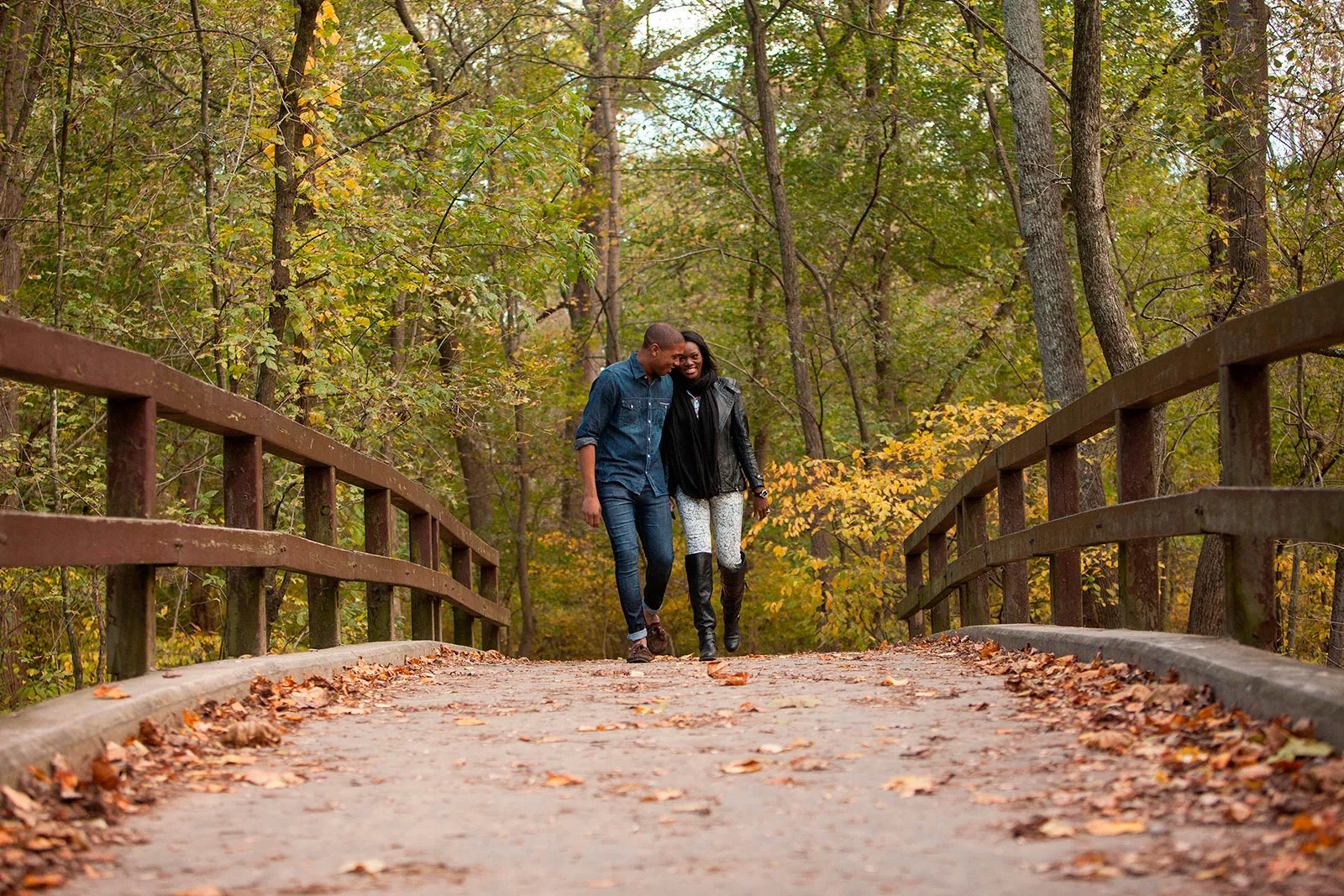
Revel in Nature at Rock Creek Park
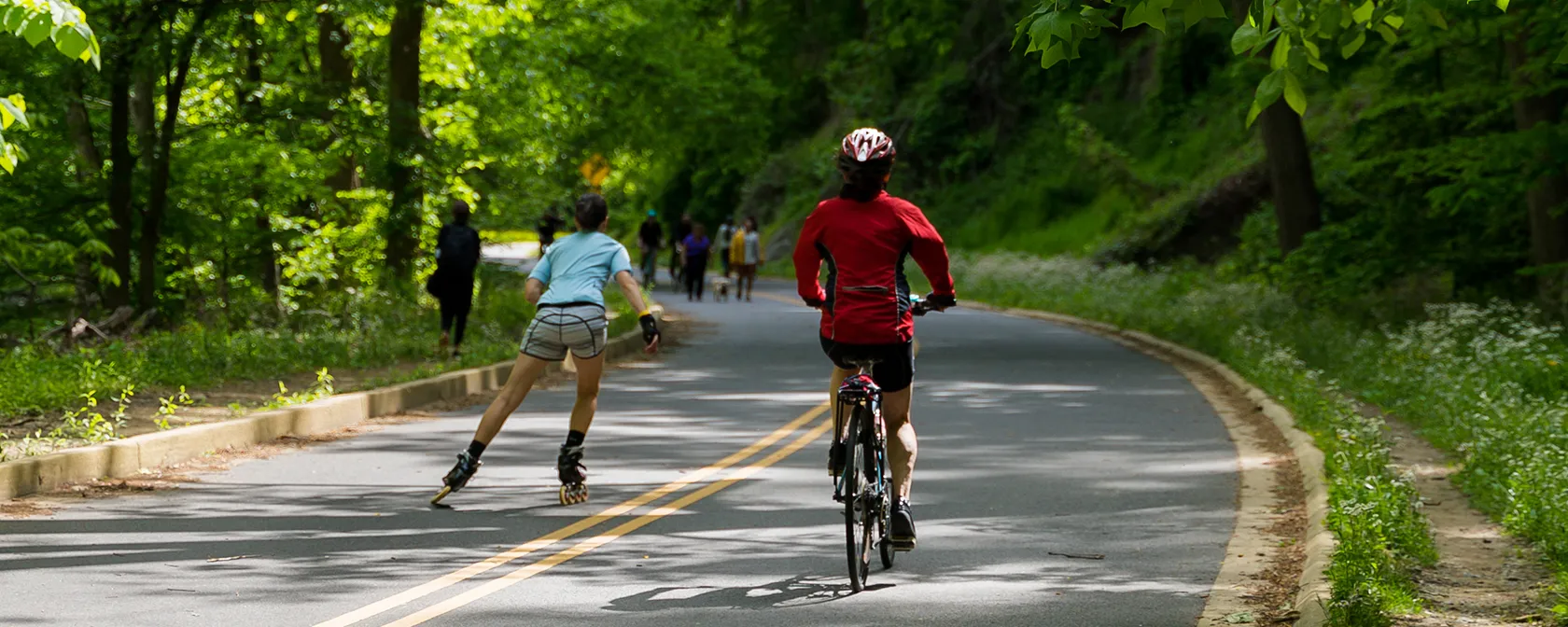
All About Rock Creek Park Washington, DC’s Rock Creek Park – which is made up of 1,754 acres of National Park Service land from northwest DC into Maryland – is a popular retreat for the city’s outdoor enthusiasts. With lush greenery, miles of trails and picnic areas, a nature center, golf course, horse stables, amphitheater and even a planetarium, Rock Creek Park is packed with locals and visitors alike in the warmer months. Founded in 1890, the park is one of America’s oldest and largest city retreats and remains a bustling outdoor destination for Washingtonians. Even presidents over the years have considered it a welcome respite from the political climate of Washington. For example, Theodore Roosevelt liked to bird watch in the park and Ronald Reagan would often ride horses at the park’s stables. Fun Things to Do Rock Creek Park is open year-round and is particularly popular in the warmer months. On weekends, you’ll find many visitors and locals taking advantage of the 32 miles of hiking trails, as well as the paved running and biking trails that are closed to traffic. For those that love the night sky, Rock Creek Park is the only national park with an on-site planetarium. National Park Service Rangers conduct free programs twice a day on Saturdays and Sundays. Rangers also lead outdoor night sky programs with telescopes from April through November. Free tickets may be picked up for these programs one hour in advance at the Nature Center. The Rock Creek Tennis Center has more than 24 outdoor courts. Tennis players can reserve a one hour court time for $12-$20. An 18-hole public golf course is also on the grounds of Rock Creek Park. Tee times can be reserved for $25. Getting to Rock Creek Park With 1,700 acres of parkland, there are multiple points of entry and parking at Rock Creek Park. If you’re new to the site, the Nature Center (5200 Glover Road NW) is a good place to start. This serves as the park’s visitor center and stocks brochures and trail maps, and it’s where park ranger-led programs meet up. The Nature Center is open 9 a.m.- 5 p.m., Wednesday-Sunday. As one of the leading green cities, DC has endless opportunities to enjoy the great outdoors.
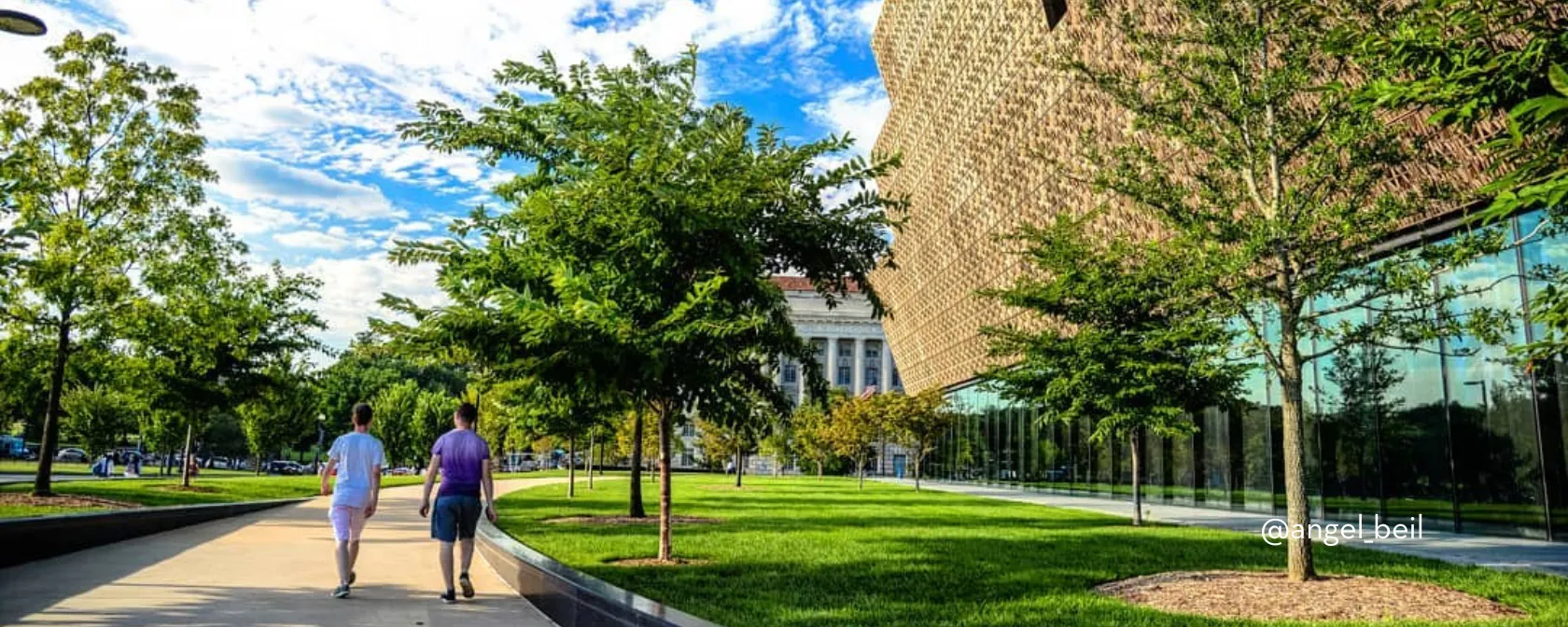
Your Guide to Taking a Wellness-Inspired Trip to Washington, DC
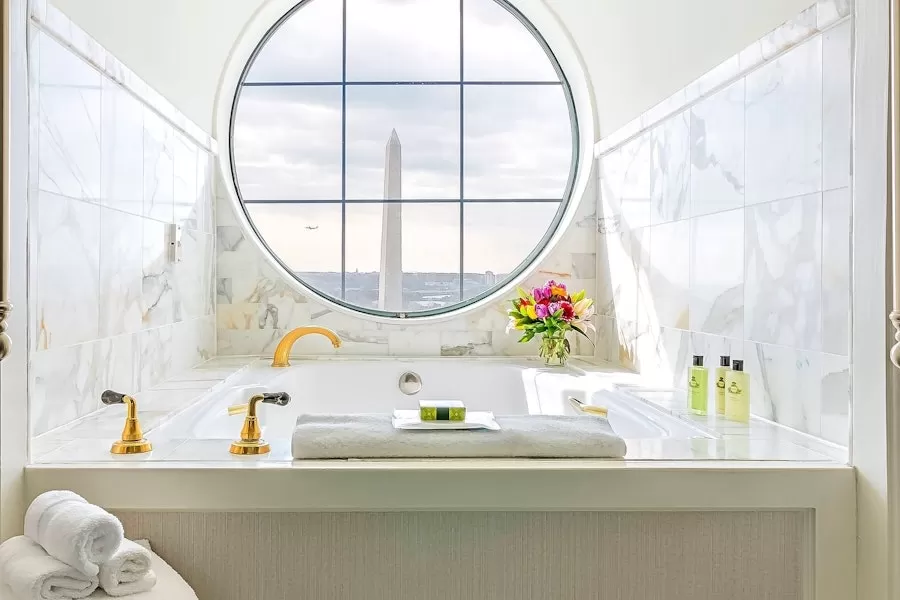
Lush green retreats and open spaces Picture yourself in the midst of a bustling city surrounded by 40 downtown hotels, all strategically placed near the heart of DC's urban greenery. The focal points are none other than the sprawling National Mall and the expansive Rock Creek Park – a natural wonder twice the size of New York City's Central Park. The National Mall, affectionately known as "America's Front Yard," boasts fountains, parks and lush gardens that beckon strolls, picnics and moments of serenity. Imagine jogging along verdant two-mile pathways stretching from the iconic U.S. Capitol to the revered Lincoln Memorial – an experience that combines fitness with awe-inspiring history. This leisurely run is not just a workout, but a bucket-list experience for any traveler looking to infuse their trip with a sense of accomplishment. Arts and culture as a path to mindfulness Lose yourself in the arts to achieve a sense of mindfulness while in the nation’s capital. The city’s extensive collection of free Smithsonian museums (which includes the National Museum of the American Indian pictured above) allows you to immerse yourself in knowledge and cultures from around the world and throughout history. Experience the wonder of contemporary music, jazz and chamber orchestra concerts at the Library of Congress or enjoy free musical performances at the National Gallery of Art and the Kennedy Center's Millennium Stage. Public parks and gardens Embracing its status as one of the most walkable cities in the United States, Washington, DC is a sanctuary filled with public parks and gardens. It's no surprise that the city was rated as having the nation's best park system according to the Trust for Public Land's 2022 ParkScore® index. Whether it's a meditative stroll through the National Gallery of Art's Sculpture Garden or practicing yoga amidst the foliage at Transit Pier in the Wharf, DC's green spaces offer a refreshing escape. Hotels that champion wellness In an embrace of a new era of wellness, DC hotels are revolutionizing the hospitality experience. From enhancing fitness facilities with natural light and outdoor workout areas to offering special amenities like hydration stations and morning group classes, the Marriott Marquis, The Morrow Hotel, The Darcy, Hyatt Regency Capitol Hill and Westin Georgetown Washington, DC are just a few of the locales redefining healthy stays. That latter hotel partnered with Hyperice to introduce Hypervolt recovery stations for guests, while the Ritz-Carlton, Georgetown features 12 wellness rooms complete with air purifiers, Tempur-Pedic mattresses and Vitamin C showers. Eaton Hotel goes beyond with crystal greetings and Himalayan salt lamps, providing wellness services like yoga, reiki and sound baths. The Hay-Adams offers a Music Salon for intimate live performances and an Author Series for literary discourse. Through programs like Healthy Stays, hotels ensure guest safety, reflecting a commitment to holistic well-being. Dive into culinary delights DC's gastronomic landscape has evolved to cater to health-conscious palates. From the delectable offerings of Chaia Taco, featuring fresh vegetables sourced from local farms, to Clyde's, a pioneer in supporting local producers, you'll find a plethora of options that delight your taste buds while nourishing your body. Elizabeth's Gone Raw, which operates exclusively on weekends as a 100% raw vegan restaurant, is housed in a restored 19th century townhouse and was conceptualized in response to founder Elizabeth's cancer diagnosis. The restaurant presents a distinctive seven-course tasting menu orchestrated by chef Francisco Hernandez and sommelier Dora Lobo. Don't miss out on Oyster Oyster, where vegetables take center stage and redefine how you perceive plant-based cuisine. Additionally, Founding Farmers demonstrates its commitment to sustainability by sourcing ingredients directly from American family farmers, offering a guilt-free dining experience. Indulge in zero-proof elixirs For those opting for non-alcoholic options, DC's beverage scene has expanded to cater to your preferences. Savor creative mocktails at Fiola, explore the unique offerings at Moon Rabbit (pictured above) or enjoy happy hours with zero-proof drinks at various speakeasies and bars around the city. Binge Bar promises to be a game-changer, offering an array of alcohol-free choices, complemented by Filipino-inspired small plates and entertainment. Zen spaces and serene havens The architecture of Washington, DC showcases diversity well beyond its historic monuments and memorials. Seek tranquility at the Library of Congress's Reading Room, an exquisite interior that invites you to immerse yourself in reading. The Vietnam Memorial and the serene Franciscan Monastery gardens offer spaces for quiet reflection. If you're drawn to the healing power of plants, explore the Bonsai Museum and China Valley at the U.S. National Arboretum or the soothing water features at the National Portrait Gallery. For a true blend of art and tranquility, visit the Bishop's Garden at the Washington National Cathedral or take a journey through history at Hillwood Estate, Museum and Gardens. Ah, spa Hotels in Washington DC offer spa amenities from traditional treatments to taking the waters. Some hotels will include a day pass to the spa lounge and pool when you book a treatment, whether you are a guest of the hotel or not. The city's full-service spas include: The Waldorf Astoria, distinguished by its Himalayan Salt Therapy Room and The Sanctuary relaxation area; Rosewood Hotel in Georgetown, which provides a menu of spa services; Salamander, Washington DC offers eight private treatment rooms, lavish lounges and an impressive array of pools and facilities; Four Seasons Washington DC features a lap pool and cherry blossom-themed facials; The Watergate includes a modern spa with services like the Vitamin DC facial; and The Pendry, known for its intimate setting, private treatment rooms, eucalyptus steam rooms and the inclusion of access to the outdoor heated terrace pool and fitness center for longer treatments. Elevate your spirits with breathtaking views Washington, DC's unique skyline, characterized by blue hues punctuated by the Washington Monument, provides a picturesque backdrop for relaxation. Enjoy serene views from the observation deck of the Old Post Office or the tower of the Washington National Cathedral. For a unique experience, sip and savor the beauty of the city from Moonraker, the Pendry Hotel's signature rooftop hideaway. Discover waterfront escapes DC's proximity to water offers a plethora of opportunities for relaxation and rejuvenation. Whether you're kayaking on the Potomac or Anacostia or enjoying the serenity of reflecting pools and cascading waters at various venues, the soothing effect of water is never far away. Even the National Zoo's Bird House invites you to immerse yourself in the art of birdwatching, a hobby known for its stress-reducing benefits.