All Articles
The Kennedy Center’s Robert van Leer on Foggy Bottom
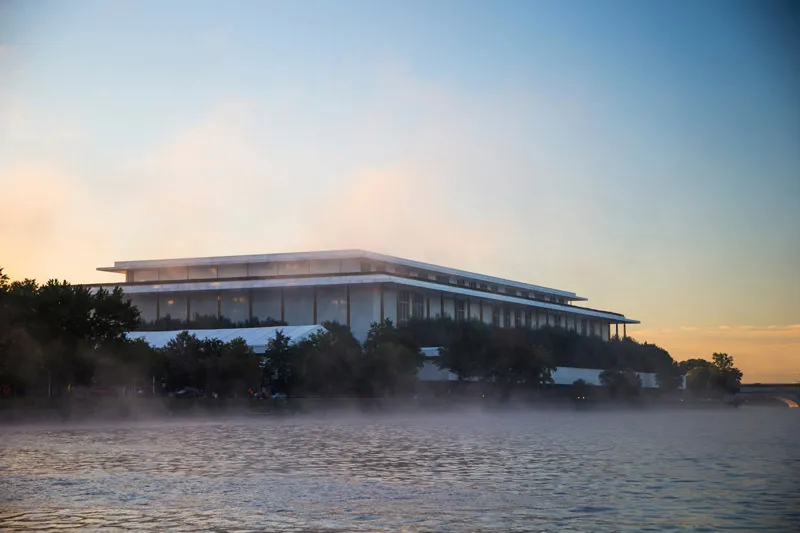
Robert van Leer, the Kennedy Center’s Senior Vice President of Artistic Planning, helps decide which plays, operas, dance troupes and jazz combos play at the performing arts center on the banks of the Potomac River. He’s only been in town since 2015, but since van Leer lives next door in Georgetown, he’s already immersed in the culinary, cultural and natural appeal of Foggy Bottom. What do you think is surprising about Foggy Bottom? It’s got all these tiny pocket parks. Plus it’s close to everything, so if you stay here, you it’s central and easy to get to the Smithsonian museums, the monuments. Where do you like to eat in the neighborhood? Marcel’s is a great stalwart. And since most of my meals are eaten around some business, I spend a lot of time at the Blue Duck Tavern. Their apple pie crumble is world renowned! And up in the West End, there’s this great Indian restaurant, Rasika West End. My husband and I are obsessed with it. I usually get the tandoori chicken tikka there. What’s a great place for an after-show drink? There are lots of places up by the Foggy Bottom Metro station. Circa is a great little spot in a hotel. Foggy Bottom is also very naturally beautiful, since it’s on the river. What’s the best way to see that part of the neighborhood? I walk along the Potomac River between my home in Georgetown and the Kennedy Center, and it’s just gorgeous. The trail has a really nice river’s edge feel. If someone has never been to Kennedy Center, what’s the best way to take it in? First and foremost, come to a performance. There’s such a wide variety of things to see from the symphony to jazz in our jazz club. And we have daily tours that explore the center, too. Kennedy Center really is a living memorial, and there’s a lot to see. Do you have a favorite spot in the center? Well, the terraces on the roof and on the main level give incredible vantage points. On the roof, you get the best views of DC – the Washington Monument, the river. And on the first-level terrace, you can read John F. Kennedy’s words inscribed on the walls. It’s very powerful with the river behind you and the terrace fountains flowing. To me it sums up the Kennedy Center experience.


The Need-to-Know Guide to the John F. Kennedy Center for the Performing Arts
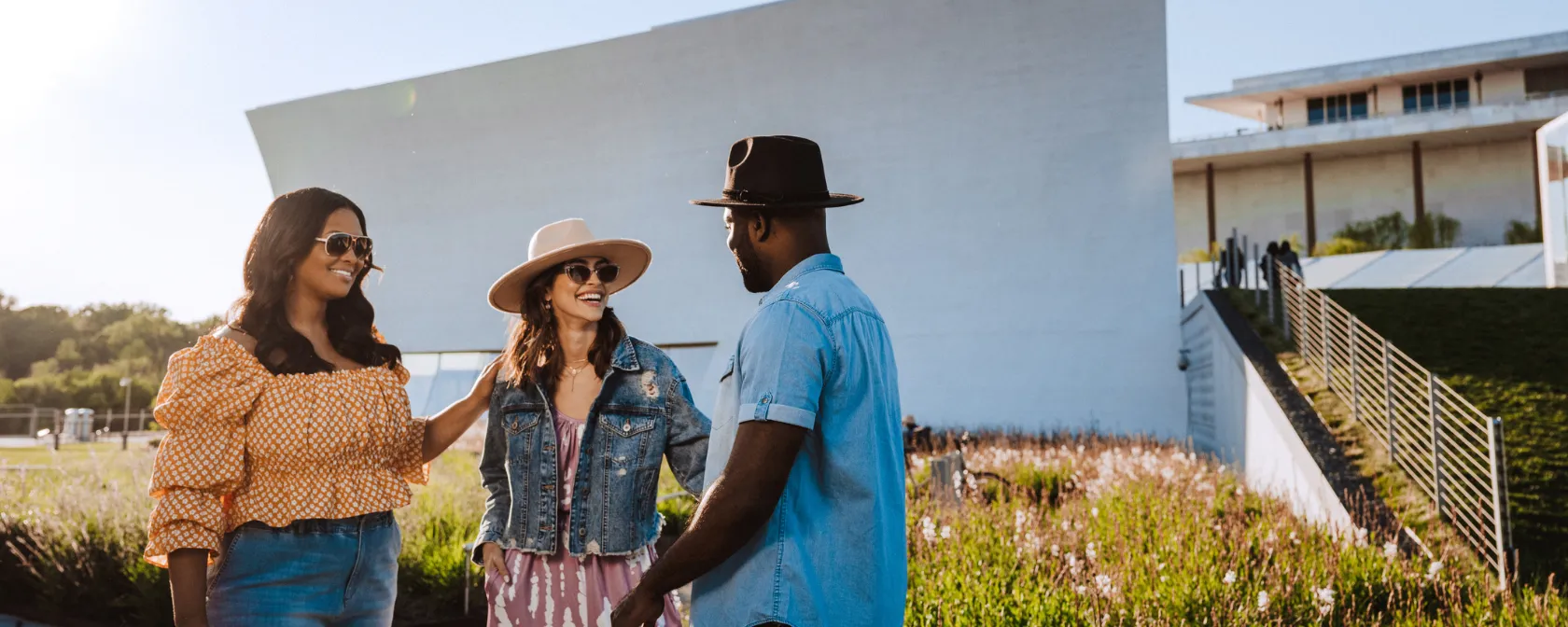
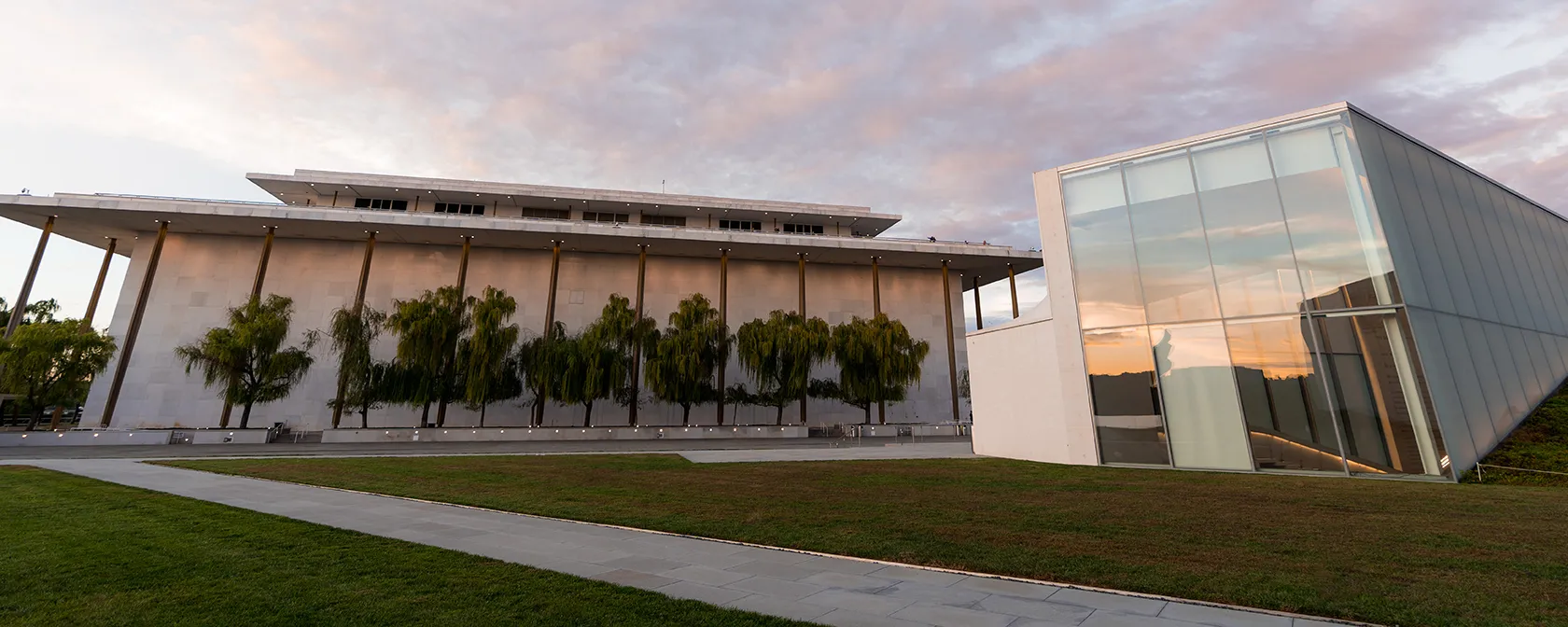
The History of the Kennedy Center President John F. Kennedy famously loved and promoted the arts, inviting authors and musicians to the White House and laying the groundwork for the National Endowment for the Arts. The John F. Kennedy Center for the Performing Arts, the performing arts powerhouse and living memorial in Foggy Bottom that bears his name, pays glorious tribute to his passion for all things creative. President Lyndon B. Johnson laid its cornerstone shortly after Kennedy was assassinated in 1964 and the center opened in 1971. Performances at the Kennedy Center The best way to experience Ken Cen (as the locals call it) is, of course, to see a show. This busiest of all U.S. performing arts centers hosts more than 2,000 performances a year, drawing two million people annually. The cheapest seats are at Millennium Stage in the Grand Foyer, where free concerts, dance performances and other shows take place at 6 p.m. Wednesdays through Saturdays. The Kennedy Center serves as the official home for the National Symphony Orchestra and the Washington National Opera. It also plays host to a range of ticketed events including Broadway productions, dance performances, comedy shows and a range of concerts, which come from internationally known groups. The Spaces, Stages and Expansion at the Kennedy Center The jumbo white marble edifice boasts dazzling, outsized interior and exterior spaces including the central, 630-foot-long, 63-foot-high Grand Foyer with its crystal chandeliers and distinctive red carpet plus a riverside terrace with fountains, spectacular views of Georgetown and walls inscribed with Kennedy’s words. The center shelters seven theaters, including the Concert Hall, known for its impressive acoustics and symphonic performances, and the Opera House, with its luxe red decor and massive, 50-foot-wide, starburst-like crystal chandelier, a gift from Sweden. Artwork given by other countries can be found both in and outside the center, including a statue of Don Quixote (a gift from Spain) and Henri Matisse tapestries in the Opera House lobby (a gift from France). You can see nearly all of these treasures on free guided tours, which are offere daily. The REACH, the first major expansion in Kennedy Center history, was designed to bridge the gap between audience and art. The project from renowned architect Steven Holl is set along the scenic Potomac River and has transformed the Ken Cen campus from a traditional performing arts center into a living theater where guests can engage directly with art. Dining and Shopping at the Kennedy Center You can also eat and drink at the Kennedy Center, a particularly good idea before a show. Venues include the informal KC Café and the fancier Roof Terrace Restaurant and Bar, for spins on classic American fare with terrific river vistas. The Roof Terrace Restaurant also offers a popular Sunday buffet brunch. Also on site: two gift shops loaded with art- and Kennedy-themed souvenirs.