
All Articles
Visiting the National 9/11 Pentagon Memorial
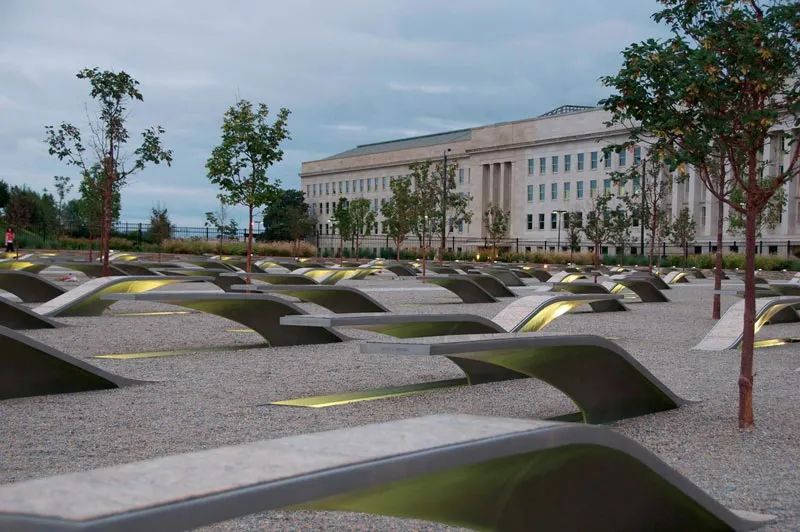
Where and what is the National 9/11 Pentagon Memorial? The National 9/11 Pentagon Memorial is a national memorial dedicated to the tragic events that occurred on Sept. 11, 2001. All 184 lives lost in the attack on the Pentagon are represented by “Memorial Unit” benches. Surrounding the benches are 85 Crape Myrtles (trees that will grow up to 30 feet tall) and the Age Wall, which grows one inch in height per year relative to the ages of the victims. The memorial is located just outside the Pentagon, which has limited parking, meaning the best way to reach the site is to take the Metrorail to the Pentagon or Pentagon City stops on the Blue and Yellow lines and walk from there. The memorial is free and is usually open to the public 24 hours a day, 365 days a year. The public restrooms by the entrance are open from 7 a.m. – 10 p.m. What will I see at the National 9/11 Pentagon Memorial? The Pentagon Memorial has an emotive power that few other memorials have, due to both the recency of the tragedy it pays homage to and its comprehensive listing of victims. When first approaching the expansive Memorial Gateway, visitors will spot a black granite stone stating the date and time of the tragic plane crash: Sept. 11, 2001 at 9:47 a.m. Words describe its purpose: “We claim this ground in remembrance of the events of September 11, 2001, to honor the 184 people whose lives were lost, their families, and all who sacrifice that we may live in freedom. We will never forget.” Each of the aforementioned Memorial Units (or benches) has a victim’s age and location at the time of the attack inscribed on it. The benches are arranged along an age line, according to the year each victim was born. They are positioned to differentiate those who were on board American Airlines Flight 77 and those who were in the Pentagon, and each contains a pool of water that reflects light in the evenings. The units honoring victims on board Flight 77 face the direction of the plane’s approach to the Pentagon, while those reading the names of Pentagon victims face the plane’s point of impact on the Pentagon’s south facade. To learn more about the National 9/11 Pentagon Memorial, visit the memorial's website.
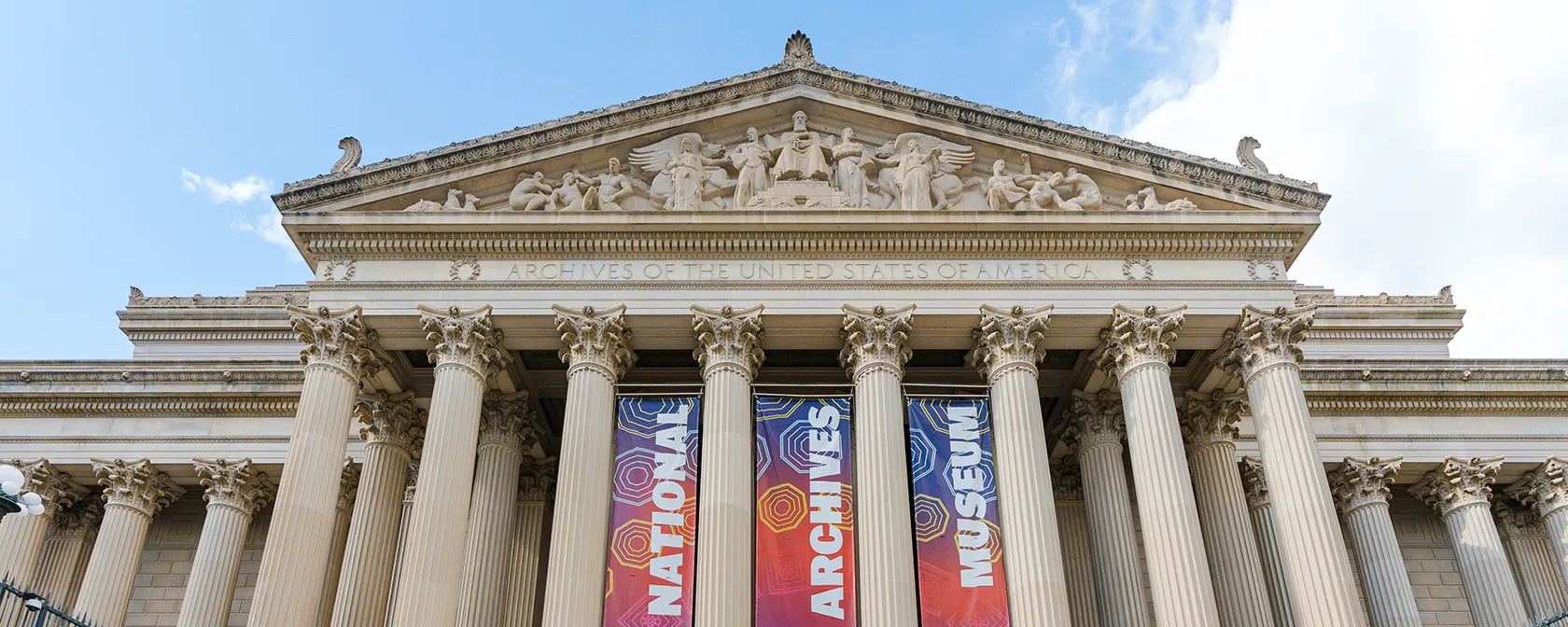
Visiting the National Archives Building & Museum in Washington, DC
What and where is the National Archives Building & Museum? The National Archives & Records Administration Building and Museum is located on Constitution Avenue NW, between 7th and 9th Streets, just north of the National Mall. The building houses both a museum and the National Archives and Records Administration, which is responsible for federal records deemed to be of historical importance. The National Archives Building is home to more than three billion records in total, including the three most important documents in American history: the Declaration of Independence, the U.S. Constitution and the Bill of Rights. These can be viewed in the building’s Rotunda for the Charters of Freedom. The museum is open every day of the year except Thanksgiving Day and Christmas Day. Its hours are 10 a.m. – 5:30 p.m., seven days a week. Admission is always free. The easiest way to reach the National Archives is via Metrorail or the DC Circulator. The closest Metro stop is Archives – Navy Memorial – Penn Quarter on the Green and Yellow lines. The DC Circulator’s National Mall route will take you near the building, making it easy to continue your exploration of the National Mall afterwards. The facility is handicap accessible. What’s inside the National Archives? The National Archives features distinct areas that all serve a different purpose in illuminating American history through vital documents. The aforementioned Rotunda for the Charters of Freedom enjoys the most attention, and for good reason. The semicircular room contains the Declaration of Independence, the U.S. Constitution and the Bill of Rights. The exhibition surrounding the charters highlights the composition and continuing significance of each document. The David M. Rubenstein Gallery is home to Records of Rights, which features numerous Archives documents and a 17-foot touch screen to summarize American debate around essential issues such as citizenship, voting rights, equal opportunity, free speech and more. The highlight of the gallery is one of four surviving originals of the 1297 Magna Carta. The Public Vaults take you deeper into the Archives’ records. At any given time, more than 1,000 documents are on display, indicating the incredible breadth of American democracy. Each vault is themed based on words from the Preamble to the U.S. Constitution, which is only fitting. The exhibit has also added an interactive element to take you even closer to the country’s history. Beyond its myriad exhibits and historical documents, the National Archives Museum also features the William G. McGowan Theater, a 290-seat venue that often hosts documentary films and forum discussions. You can also educate and entertain the next generation in the Boeing Learning Center, which offers hands-on activities relating to Archive materials. Last but not least, the National Archives Store is a great spot to pick up American memorabilia and souvenirs to take home with you.
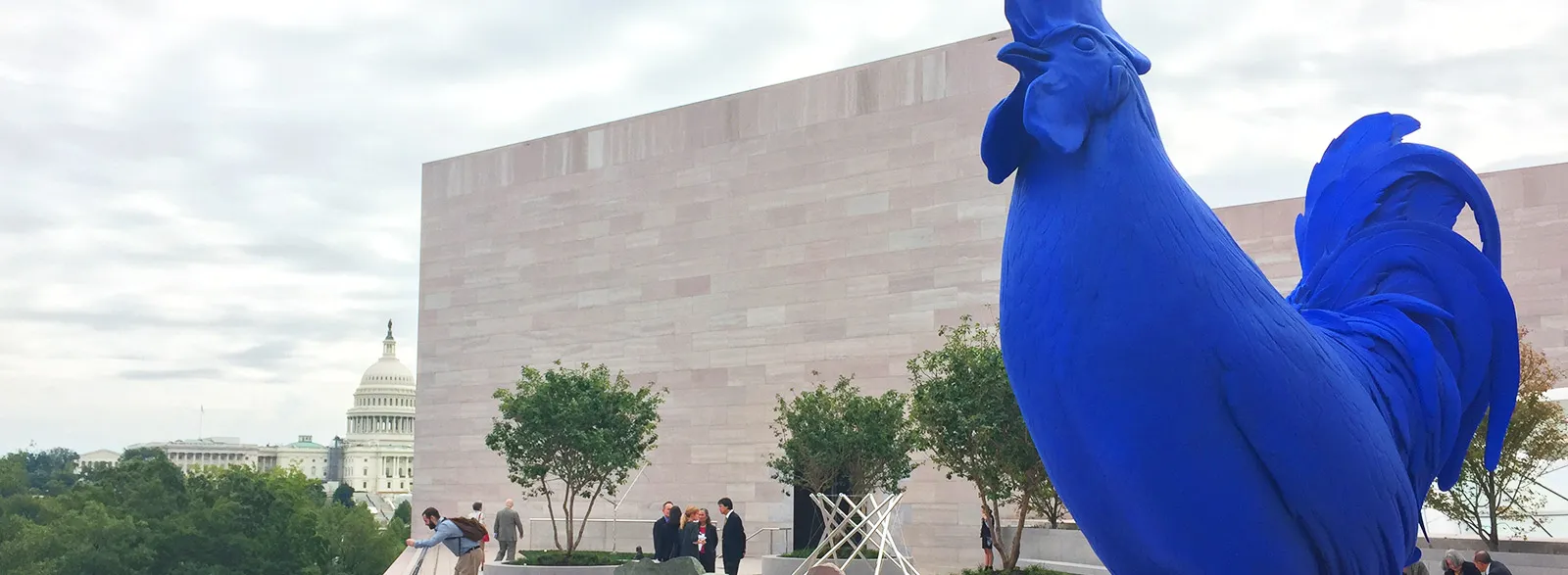
Visiting the National Gallery of Art in Washington, DC
What and where is the National Gallery of Art? The National Gallery of Art and its gorgeous Sculpture Garden (which features an ice rink in the winter time) are located on Constitution Avenue NW between 3rd and 9th Streets NW. Through its East and West Buildings, the museum preserves, collects and exhibits works of art from numerous countries and historical eras. Its collection features roughly 141,000 paintings, drawings, photographs, sculptures and forms of new media that stretch all the way back to the Middle Ages. When is the National Gallery of Art open? The museum is open every day of the year except Dec. 25 and Jan. 1. Its hours are 10 a.m. – 5 p.m. daily. Admission is always free. How to get to the National Gallery of Art? The easiest way to reach the National Gallery of Art is via Metrorail or the DC Circulator. The closest Metro stop is Archives – Navy Memorial – Penn Quarter on the Green and Yellow Lines. The DC Circulator’s National Mall route will take you near the Gallery’s buildings and Sculpture Garden – making it easy to continue your exploration of the National Mall afterward. The facility is handicap-accessible. What’s inside the National Gallery of Art? The National Gallery of Art regularly features temporary exhibits that highlight distinctive artists in a range of mediums. From Renaissance masters to modern-day marvels, you will be able to take in creations that advance and challenge form and structure. Be sure to check out the museum’s current exhibits and installations as you plan your visit. After a three-year renovation, the Gallery’s East Building has added two sky-lit tower galleries, two staircases connecting all levels of the museum, a rooftop terrace with a dazzling blue rooster sculpture and more than 500 works of art, including pieces by Alexander Calder, Barbara Kruger, Jasper Johns, Pablo Picasso and Mark Rothko. The I.M. Pei-designed wing sleekly contrasts the Beaux Arts and Classical architecture throughout DC, making it a must-visit for those looking to have their mind blown by art. Connecting the West and East Buildings is Leo Villareal’s incredible Multiverse installation. More than 41,000 LED nodes light up the 200-foot space, creating abstract configurations that literally light your way as you head from one building to the other via an underground concourse. An exploration of the West Building is as revelatory and moving of a museum experience as exists in the U.S. Thousands of essential works, organized by period and national origin, are arranged in spectacular and comprehensive galleries across two floors of exhibition space. The main floor features European paintings and sculptures that date as far back as the 13th century, as well as seminal American art. On the ground floor, you can gaze at pieces by essential masters such as Manet, Renoir and Cézanne, as well as decorative art, prints and drawings. The museum’s expansive gift shop, also located on the ground floor, is well worth a visit. The Gallery’s Sculpture Garden should also be a part of your visit. The 6.1-acre space, adjacent to the West Building, features beautiful trees, walking and seating areas and 17 sculptures taken from the Gallery’s collection. Among them: Robert Indiana’s famous AMOR, a play on the artist’s LOVE sculpture. The Garden also sports a fountain that serves as an ice rink from November – March, as well as The Pavilion Café, which offers year-round service and indoor seating. The National Gallery of Art also hosts events throughout the year, including concerts, guided tours, gallery talks and much more. Check the museum’s calendar before you go.
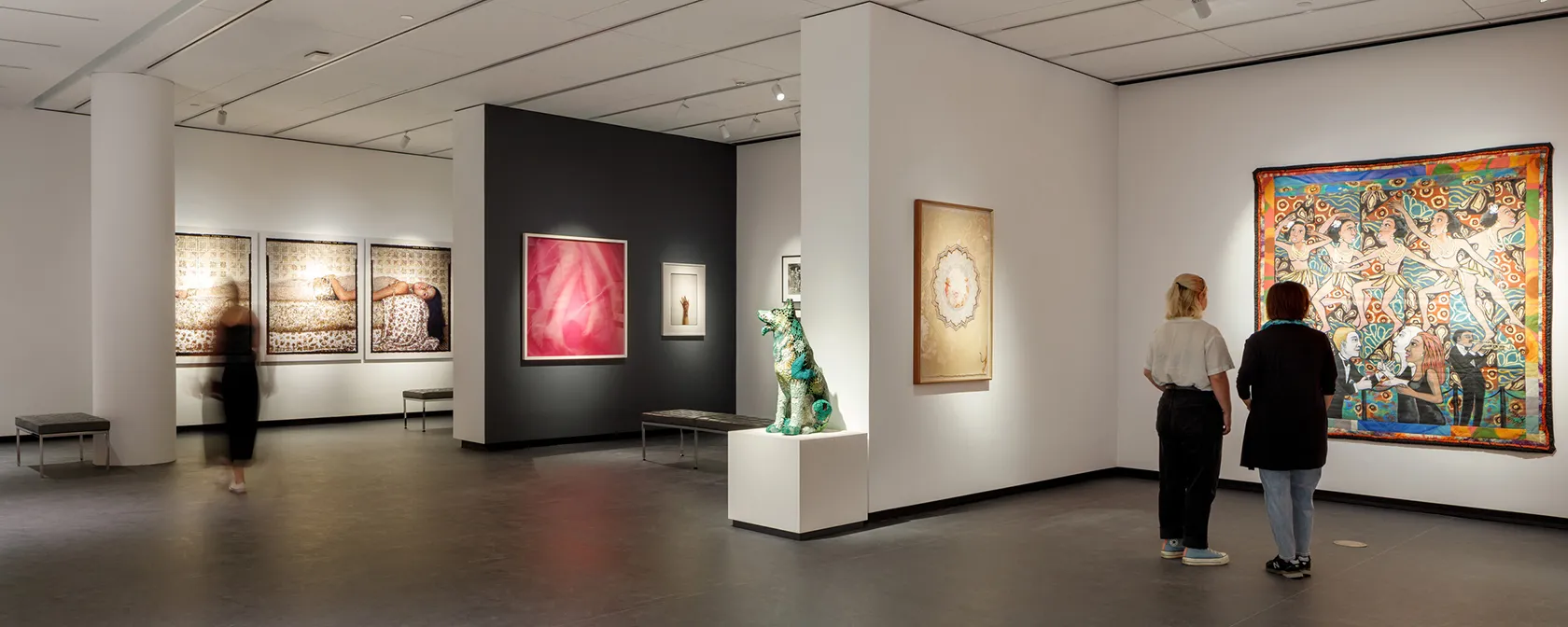
Visiting the National Museum of Women in the Arts in Washington, DC
What and where is the National Museum of Women in the Arts? The National Museum of Women in the Arts (NMWA) is located at 1250 New York Avenue NW in DC's Downtown neighbohood. Founded in 1981 and opened in 1987, NMWA is the only major museum on the planet solely dedicated to celebrating the diverse achievements of women artists. The museum’s collection includes more than 6,000 works dating from the 16th century to the present. The museum is open every day of the year except for Thanksgiving, Christmas Day and New Year’s Day. Hours are Tuesday – Sunday, 10 a.m. – 5 p.m. Patrons under the age of 21 enter for free. Admission for adults is $16, while visitors ages 70 and over and DC residents pay $13. Become a member with NMWA and you can enter for free. The easiest way to get there is via Metrorail or Metrobus. The closest Metro stop is the Metro Center station on the Red, Blue, Orange and Silver lines. Numerous Metrobus routes, including the 80, G8, S2, S4, X2, 68 and 42 will take you to the corner of H and 13th Streets, a short walk from the museum. The facility is handicap-accessible. What’s inside the National Museum of Women in the Arts? A recent renovation has only added and enhanced the wonderful offerings at this only-in-DC museum. Enlarged gallery spaces make for more art, both in quantity and variety. A studio workshop has been added, where visitors can learn and create their own art. There's also a beautiful new performance hall and a brand new exhibit entitled The Sky's the Limit, which features hanging sculptures on the second floor thanks to a newly reinforced ceiling. In total, 40% of the 6,000 works now on display at the museum are making their debut. The powerful contributions that women have made to the art world can be surveyed inside NMWA. The collection spans hundreds of years, encompassing numerous eras and seminal artists. NMWA has organized the collections by theme, letting visitors observe how certain ideas and modes of art have been in dialogue with each other across centuries. Your journey will feature still-life paintings from the 1600s and cutting-edge photography from the 2000s. You’ll be able to observe the stunning detail of a portrait by Élisabeth Vigée Le Brun, the intimacy of a print made by Mary Cassatt, the abstract beauty of a sculpture by Judy Chicago and Frida Kahlo's Self-Portrait Dedicated to Leon Trotsky, with the social, cultural and political revolutions that women forged to make their voices heard serving as vital context throughout. Additional highlights include They Call Me Redbone but I’d Rather Be Strawberry Shortcake by Amy Sherald, the artist responsible for the new Michelle Obama portrait at the National Portrait Gallery, whose distinct style is evident in both pieces. There’s Sonya Clark’s transcendent Afro Abe II, a U.S. five-dollar bill featuring the 16th president outfitted with the hairstyle found in the title. Locals will love a view of Rainy Night, Downtown by Georgia Mills Jessup, an interpretation of a DC street with gorgeous contrasts and shapes. Of course, NMWA frequently offers exciting exhibits that hone in on a particular artist or theme, including its Women to Watch series. Visit the museum’s website to see what’s currently on display and what’s upcoming. To see what’s going on during your visit, check out the NMWA events calendar, plus you can experience programs and exhibitions online through NMWA at home. One recurring event to keep in mind: Free Community Day, which occurs on the first and third Sundays of each month through November and allows free admission to the museum all day with a timed ticket. The museum's reopened Mezzanine Café, which is operated by Little Food Studio (a local, woman-owned establishment), offers a selection of sandwiches, salads, snacks and pastries along with refreshing hot and cold beverages including juices, coffee, tea and sodas. Browse NMWA’s awesome online gift shop, which offers books, accessories, home goods and more.
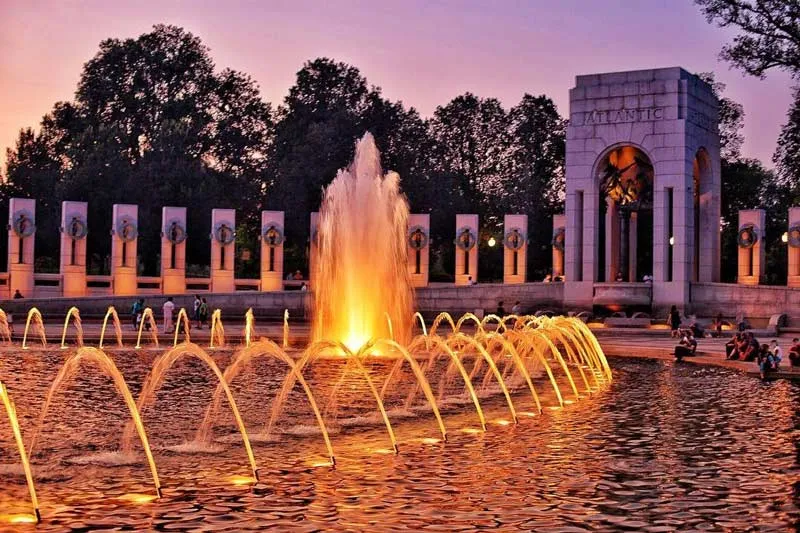
Visiting the National World War II Memorial in Washington, DC
What is the National World War II Memorial and where is it? The National World War II Memorial honors the 16 million people who served as part of the U.S. Armed Forces during World War II, including more than 400,000 who gave the ultimate sacrifice for their country. The memorial sits along the central vista of the National Mall, at the east end of the Lincoln Memorial Reflecting Pool. The World War II Memorial is free and open to the public 24 hours a day. Park rangers are on duty to answer questions from 9:30 a.m. to 10 p.m. daily, and interpretive programs are provided throughout the day and upon request. The most convenient way to reach the memorial, often referred to as the WWII Memorial, is by Metrobus or Metro. There are two Metro stations close by: Smithsonian and Federal Triangle, both located on the Orange, Blue and Silver lines. As for the bus,take either the 32, 34 or 36 Metrobus routes. What will I see at the National World War II Memorial? Symbols of America’s triumph in the Second World War are artfully displayed all over the World War II Memorial, which has a splendid fountain at its center. 56 granite columns symbolize unity among the 48 states, seven federal territories and the District of Columbia. The columns form a semi-circle around the memorial’s plaza, with two 43-foot tall arches on opposite sides. The northern arch represents victory in the Atlantic, while the southern arch symbolizes victory in the Pacific. When you enter the memorial’s semi-circle from the east, look for two walls on each side of you. Each contains scenes from the war beautifully rendered in bronze relief. On the left (towards the Pacific arch), the scenes progress through the experience of war, from physical exams all the way to homecoming. The right side pays tribute to the Atlantic, as the last scene depicts American and Russian armies shaking hands as the two sides met in Germany at the conclusion of the war. One of the World War II Memorial’s most striking features is the Freedom Wall. 4,048 gold stars pay tribute to American lives lost at war (each star represents 100 Americans), while dozens of battle names and military campaign destinations are also on display. In front of the wall, a stone fittingly reads, “Here we mark the price of freedom.” Be sure to look for the memorial’s two tough-to-find inscriptions of “Kilroy was here,” another powerful American symbol from World War II. The saying represents the presence of U.S. soldiers, and was scribbled (with an accompanying doodle) at numerous locations during the war. Honor a veteran On any given visit, you may encounter former servicemen at the memorial. In fact, the Honor Flight Network is a non-profit dedicated to bringing vets, often elderly, to DC to visit the memorials which honor their service to the nation. These visits are often filled with emotions and help provide closure for veterans by reinforcing the importance of their service and sacrifice.
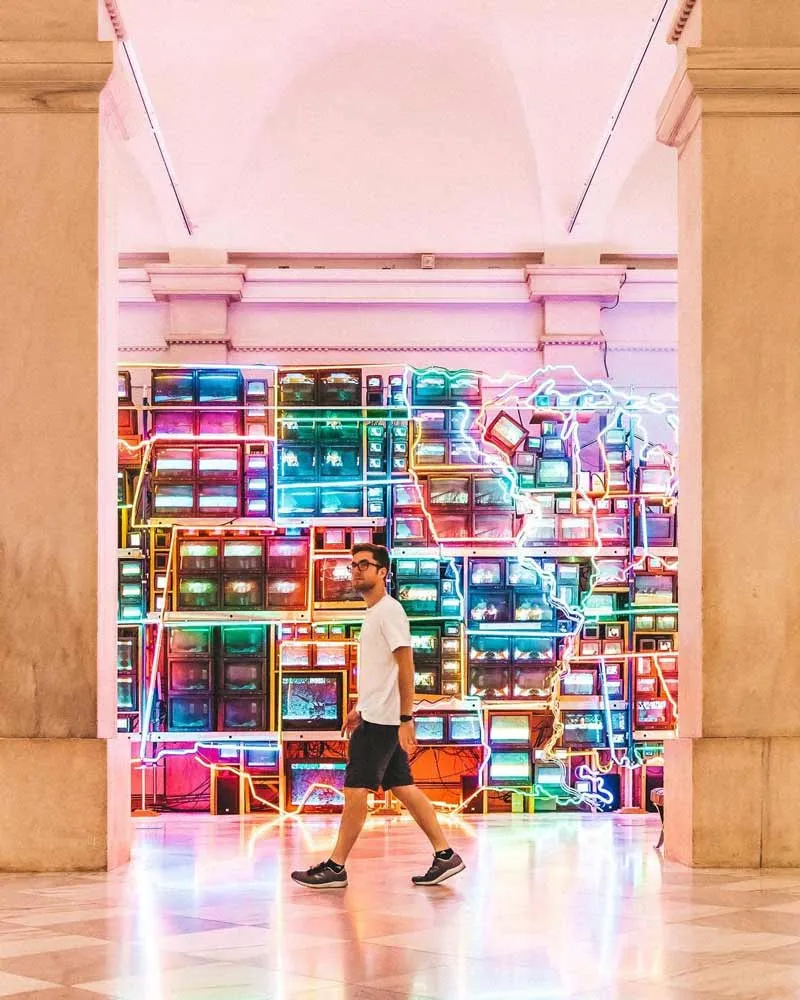
Visiting the Smithsonian American Art Museum and Renwick Gallery in Washington, DC
Wander through three centuries of American art The Smithsonian American Art Museum in Washington, DC is one of the largest and most expansive collections of American art in the world. The museum’s two locations, the main building in Penn Quarter and the Renwick Gallery located next to the White House, represent thousands of artists spanning hundreds of years. Journey through America’s artistic development by viewing 17th- and 18th-century paintings from from the colonies of New Spain and New England, then make your way through the 19th century art collection, which highlights the Western migration, impressionism and the Gilded Age. A visit to this museum is as encompassing a museum experience as one can find. What’s inside the Smithsonian American Art Museum? At the Smithsonian American Art Museum you will encounter America’s most revered artists of each time period, as forms, styles and genres were developed and perfected – as well as the National Portrait Gallery, which shares the same building. The 20th century saw progress in the realms of abstraction and realism, as visitors can see through the museum’s large collection of New Deal art and murals. The museum also hosts a vast contemporary art collection, so your trek through American art will bring you all the way to the present day. If you are looking for a more culturally oriented perspective, collections do stem beyond eras: the museum features exhibits specifically dedicated to African American and Latino artists, as well as folk art. The Renwick Gallery is the museum’s free-to-enter home for contemporary craft and decorative art, displaying the finest in American craft and decorative art in its beautiful, state-of-the-art building just steps from the White House. The Renwick is known for its groundbreaking interactive exhibits, so make sure to check out what's happening there before you go. Museum locations and hours The American Art Museum is located on 8th and F streets NW, while the Renwick Gallery can be found at Pennsylvania Avenue and 17th Street NW. Admission is always free, the museums are open Wednesday-Sunday and regular hours are 11:30 a.m. – 7 p.m at the American Art Museum and 10 a.m. – 5:30 p.m. at the Renwick. Both facilities are handicap accessible. Take a break in the Kogod Courtyard If your march through the annals of American art history has you feeling both amazed and a bit tired, enjoy the Kogod Courtyard, set in the Smithsonian American Art Museum. Here you can relax and gear your mind back toward the present via free Wi-Fi. The Courtyard Café is currently closed and outside food and drink is prohibited, with the exception of closed water bottles.