All Articles
Washington, DC Attraction & Tour Passes
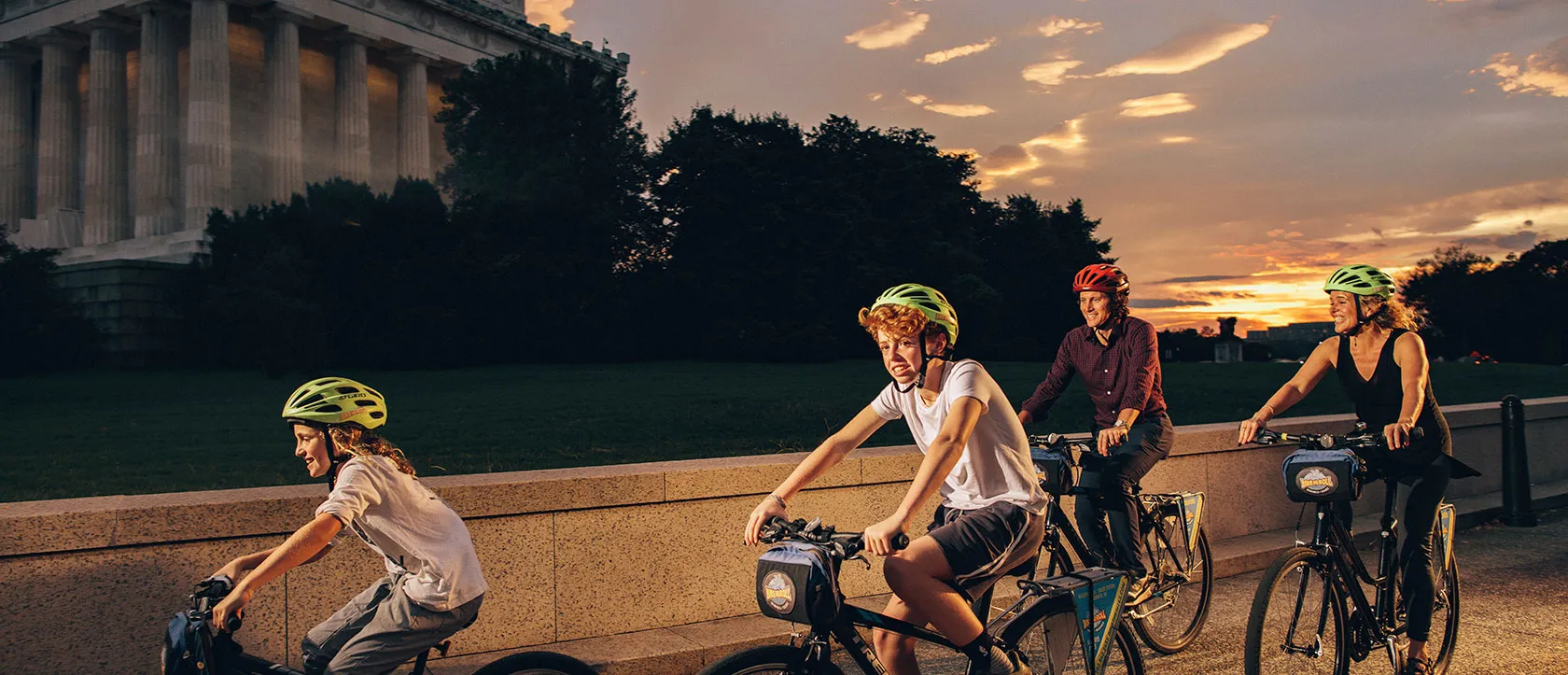
Choose from Washington, DC’s best city and attraction passes and save big with discounted tickets. Find sightseeing tours, museum passes and so much more with the Washington DC Sightseeing Pass. Learn more about each sightseeing pass and choose the option that’s right for you. The Washington DC Sightseeing Pass The Sightseeing Pass DC helps visitors to the capital save money on admission fees and offers hassle-free entry into the city’s most popular attractions. Each pass includes a 24-hour Big Bus ticket and a choice of one, two or four attractions. Attractions include Madame Tussauds, the National Geographic Museum, a variety of bike tours, walking tours and cruises, a meal at Buca di Beppo and more. Passes are valid for 30 days to offer flexibility for visitors to enjoy the city at their pace. Prices from: $33 Child, $54 Adults Savings: Depends on which attractions you choose, up to 60% Get the Washington DC Sightseeing Pass Whiskey Rebellion Trail: DC's Ivy City One-Day Passport When it comes to spirit-making, the Ivy City neighborhood is DC’s distilling hub. Check out DC’s Ivy City One-Day Passport for a quartet of tastings, tours and cocktails, which you can comfortably pack into a day. For $39, you’ll get a tasting flight from Cotton and Reed, a cocktail from New Columbia Distillers, a tour and tasting at One Eight Distilling and a free cocktail from Republic Restoratives. Prices: $39 Get the Ivy City Passport Whiskey Rebellion Trail: Taste of DC Three-Day Passport The Taste of DC Three-Day Passport gives you a taste of history in addition to locally made spirits. Get access to George Washington’s Mount Vernon, where you learn about Washington’s rise from the president to one of the largest rye whiskey producers in the late 1790s. When it comes time to sampling, you’ll get access to everything in Ivy City from above, as well as a flight from Don Ciccio & Figli. Prices: $69 GET THE TASTE OF DC PASS
Washington, DC Fun Facts for Kids
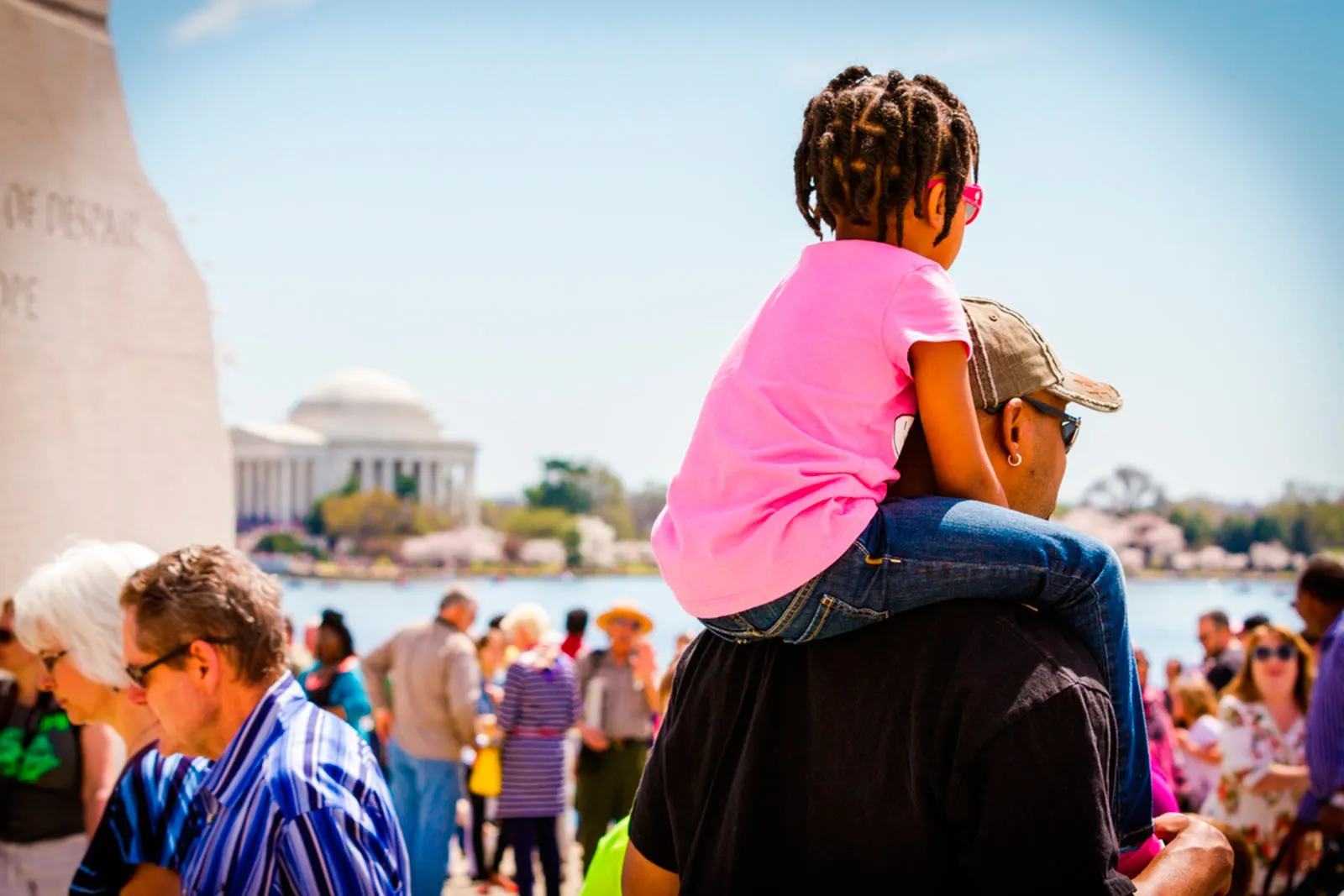
Presidential Pastimes George Washington never lived in DC. The White House was completed a year after he died and the second U.S. President, John Adams, was the first to live there. The statue of Andrew Jackson in Lafayette Square (directly across from the White House) was partially made from British cannons that were taken in the War of 1812. It was also the first equestrian statue made in the U.S. The White House has a total of 35 bathrooms. George Washington was supposed to be buried at the U.S. Capitol but his will stated that he wanted to be buried at his home, Mount Vernon, just outside of DC in Virginia. You can pay your respects today when you tour his home and estate. The original phone number for the White House in 1878 was simply the number 1. A phone wasn’t installed on the President’s desk in the Oval Office until 1929. The only president buried in DC is Woodrow Wilson, who is entombed at the Washington National Cathedral. When Abraham Lincoln stayed at the Soldiers’ Home during summers, he would often commute the four miles to and from the White House on horseback. You can learn more about his day-to-day life at President Lincoln’s Cottage. Awesome First Animals Cats and dogs haven’t been the only presidential pets to roam the White House grounds. Theodore Roosevelt allowed his six children to bring their pets to the White House in 1901. As well as many dogs they had a small bear, a lizard, guinea pigs, a pig, a badger, a blue macaw, a garter snake, a one-legged rooster, a hyena, a barn owl, a rabbit, a pony and Baron Spreckle the hen. Calvin Coolidge also brought a zoo-worthy lot of animals. Not only did he have many dog breeds including terriers, a sheepdog, collies and chows, he also had cats, racoons, a donkey, a bobcat, birds, a bear, an antelope, a wallaby, a pygmy hippo and some lion cubs. Not all animals at the White House have been pets. During World War I Woodrow Wilson bought a flock of sheep to graze on the White House lawn. Not only did it save the manpower needed for mowing the lawn, they sold the wool to raise money for the Red Cross. Monuments, Memorials and Museums The DC War Memorial , which honors local residents of Washington, DC, is the only memorial dedicated to World War I on the National Mall. There’s a bathtub in the basement of the U.S. Capitol! Four marble tubs were installed in 1859 when most senators lived in boarding houses on Capitol Hill that had no running water so they washed at work. One of these baths can still be seen today. When the Washington Monument opened in 1884 it was the tallest structure in the world, until the Eiffel Tower in Paris took the title in 1889. The Library of Congress is the largest library in the world with more than 162 million objects in its collection. This number is constantly growing with approximately 12,000 items added to the collections daily. You can look at the original Declaration of Independence, U.S. Constitution and Bill of Rights at the National Archives. The Statue of Freedom is the bronze statue on the top of the U.S. Capitol dome. It looks small from afar, but it’s more than 19 feet tall and weighs nearly 15,000 pounds. The National Mall is a work in progress. Martin Luther King, Jr. Memorial is one of the newest memorials, having opened in 2011 and the American Veterans Disabled for Life Memorial was unveiled in 2014. Instead of chiseling the "F" in "future," the letter "E" was mistakenly carved into Lincoln's second inaugural address on the north wall of the Lincoln Memorial. It has been touched up, but if you look closely you can still see the typo. Sports Stats DC’s first baseball team began play in 1901 as the Washington Senators but they were also commonly known at the Washington Nationals until the team moved away in 1971. There was no professional baseball in DC until 2005 when a team was moved to the city and adopted the name the Washington Nationals. The seventh inning stretch was started when President William Howard Taft visited a game in Washington, DC and decided to stretch his legs in the seventh inning. Everybody assumed the president was getting up to leave so fans throughout the ballpark stood up as well out of respect, thus beginning the tradition of the seventh inning stretch. The Washington Wizards were originally the Chicago Packers when the franchise was founded in 1961. The Washington Redskins were founded in 1932, but did not move to DC until 1937. They were originally known as the Boston Braves, playing at Fenway Park from 1933-36. Stephen Strasburg holds the record for most strikeouts in a game by any Nationals pitcher since the franchise moved to DC, whiffing 14 Pittsburgh Pirates in his professional debut on June 8, 2010. Facts and Figures The Maine Avenue Fish Market has been operating nonstop since 1805, making it the oldest continuously functioning fish market in the country. The cherry blossom trees that line the Tidal Basin and have beautiful pink blooms every spring were a gift from the mayor of Tokyo in 1912. The Friendship Archway over H St. and 7th St. in Chinatown was built in 1986 to celebrate the friendship between Washington and sister city, Beijing, China. Georgetown is the oldest part of the city, dating back to 1751 — 40 years before Washington, DC was founded. DC averages 39 inches of rainfall a year — more than Seattle! Washington, DC is a very international city, home to more than 175 embassies and international cultural centers. Fifteen percent of DC residents speak a language other than English. Family Fun There are about 1,800 animals from 300 different species at the Smithsonian National Zoo. You can watch real money being printed when you do a tour of the Bureau of Engraving & Printing. You can come face to face with all 44 Presidents or pose with your favorite rock star or actress at Madame Tussauds Washington, DC. The International Spy Museum is the only public museum in America that is all about spies. Learn first-hand how to go undercover as a super spy. You can cruise across the Potomac River and see some of DC's famous monuments and memorials at night when sailing with Entertainment Cruises. The Smithsonian Institution Museums boast a collection that includes nearly 138 million objects, works of art and specimens!
Washington, DC Safety Information
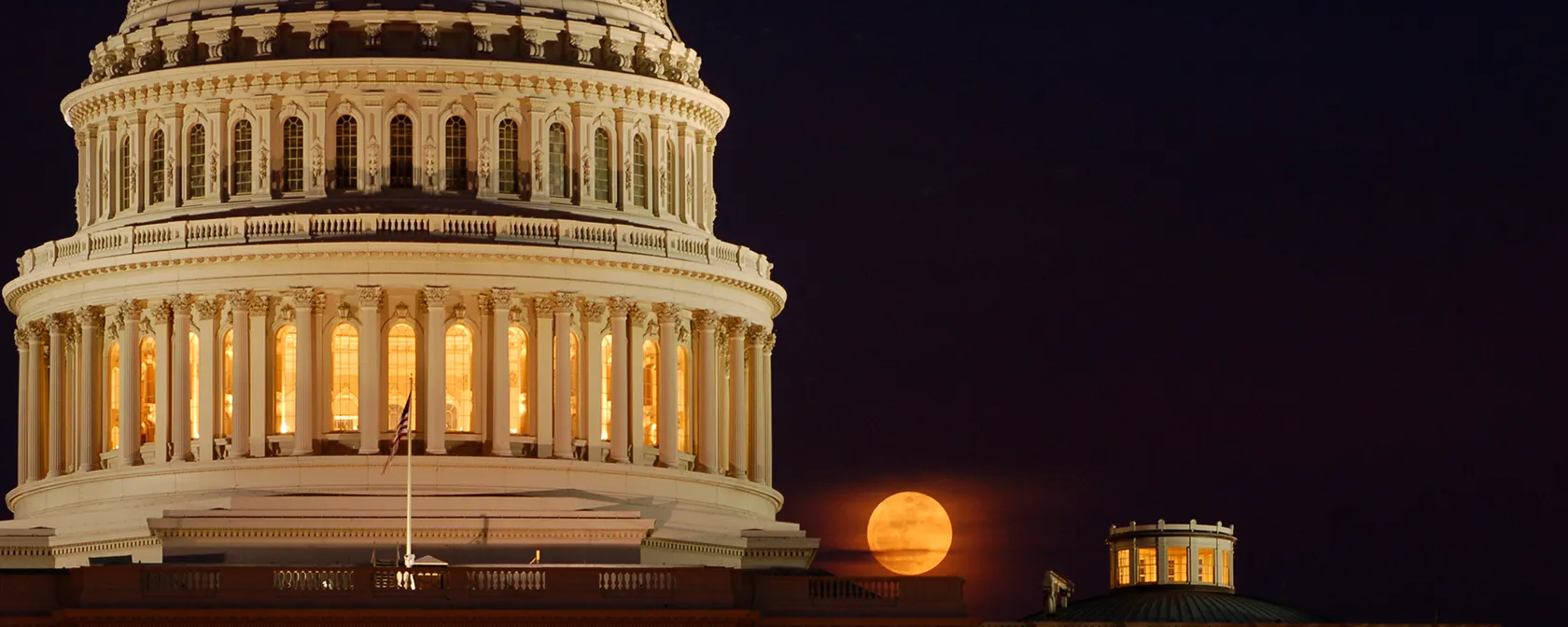
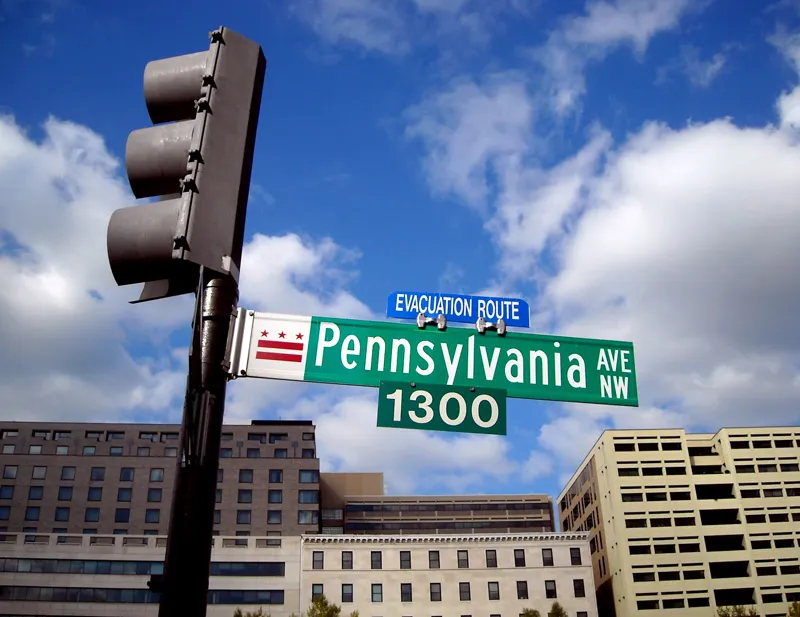
Please find the most up-to-date information on travel and safety in Washington, DC during the coronavirus pandemic. The safety of our visitors is our top priority. Destination DC works closely with the Mayor of the District of Columbia, the Metropolitan Police Department and other local and federal government agencies to understand and communicate safety messages on behalf of the tourism community. There are many safety protocols in place, both seen and unseen. DC safely welcomes millions of visitors each year to the nation’s capital. Here is some helpful information as well as links and important phone numbers. DC’s Homeland Security and Emergency Management Agency (HSEMA) leads the planning and coordination of homeland security and emergency management efforts to ensure that the District of Columbia is prepared. HSEMA is a resource for: Information about emergency evacuations. There are 19 evacuation routes out of the city. Look for marked signs or find a route based on your location. AlertDC, the District’s emergency notification system. Visitors and residents can sign up to receive alerts via e-mail or text message. Tune in to Cable Channels 13, 16, or local news to also receive updates. Washington Metropolitan Area Transit Authority (WMATA) and Metro Transit Police Department (MTPD) oversee safety of DC’s public transit system. MTPD police officers have jurisdiction throughout DC, Maryland and Virginia and officers provide a variety of law enforcement and public safety services on the Metrorail and Metrobus systems in the region. Visitors are encouraged to report suspicious activity by calling 202-962-2121 or texting MyMTPD (696873). Mayor Muriel E. Bowser is committed to addressing safety concerns. Some of her initiatives include: Devoting $214 million to gun violence prevention Investing $3 million in community grants focused on violence prevention Installation of more than 1,200 security cameras Deploying more than 1,200 body-worn cameras to officers Training and recruitment of law enforcement agents Follow these general safety guidelines from the Metropolitan Police Department: Be alert and aware of your surroundings. Remove headphones and put cell phones away. Don’t travel alone late at night. If you see something, say something. You can text information to MPD at 50411 or call 9-1-1 in an emergency. Do not accept packages from strangers. Do not leave luggage unattended. Plan evacuation routes in case of an emergency. Traveling safely to Washington, DC: Amtrak, along with the Amtrak Police Department, has a range of behind-the-scenes and front-line security measures in place to ensure passenger rail security. The Metropolitan Washington Airports Authority’s Public Safety Office oversees safety operations for Ronald Reagan National Airport and Dulles International Airport. BWI Airport’s security Information Learn more about TSA Precheck Medical care: There are numerous hospitals in Washington, DC should you need to seek immediate medical attention. This includes George Washington University Hospital, multiple MedStar hospital locations, Howard University Hospital, Children's National Medical Center and Sibley Memorial Hospital. For in-home medical treatment, Doctors To You provides house calls to individuals seeking medical care wherever you are in the Washington, DC, Maryland and Virginia area. Additional Washington, DC resources: Emergency Preparation Videos Police Fire Services, (202) 462-1762 Department of Health 311 – non-emergency DC services U.S. Capitol Police: (202) 224-5151 U.S. Park Police (202) 619-7910 Local news: The Washington Post WTOP 99.1 FM NBC Washington ABC7 WUSA 9 FOX 5