
All Articles
Your Guide to the Walter E. Washington Convention Center
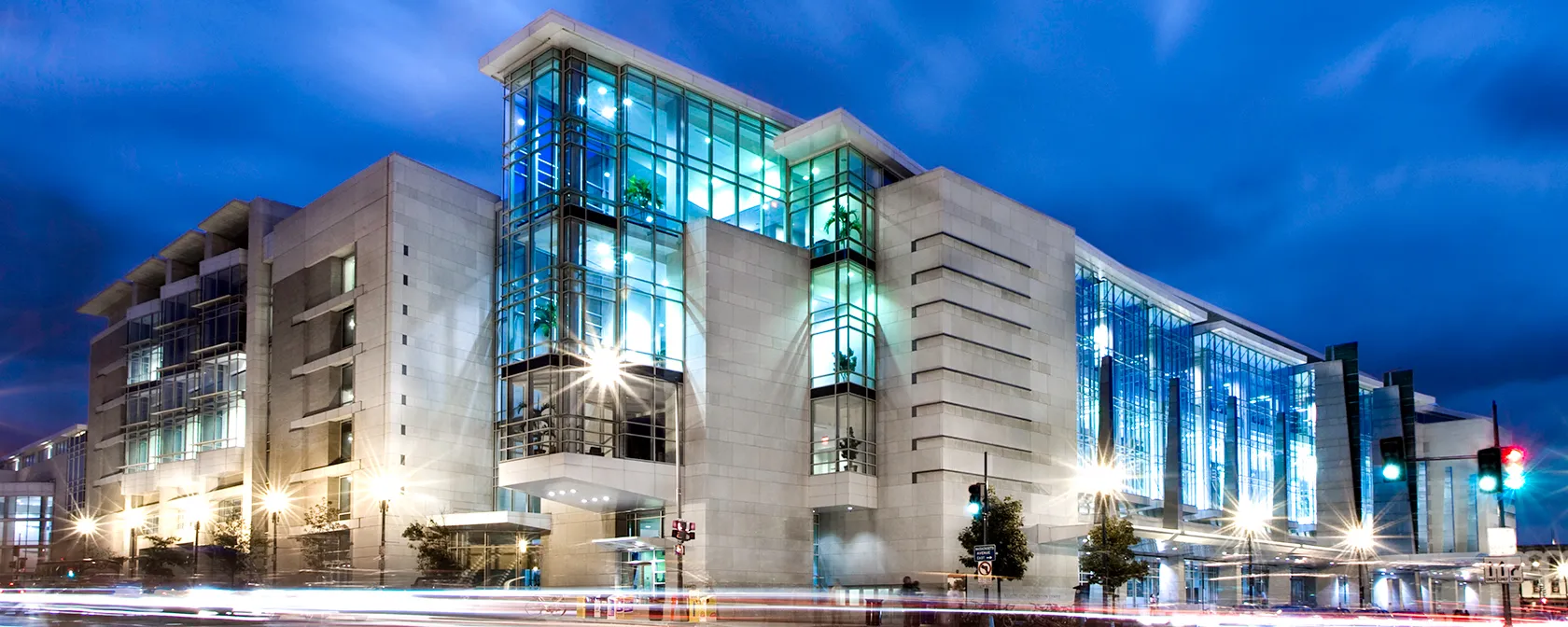
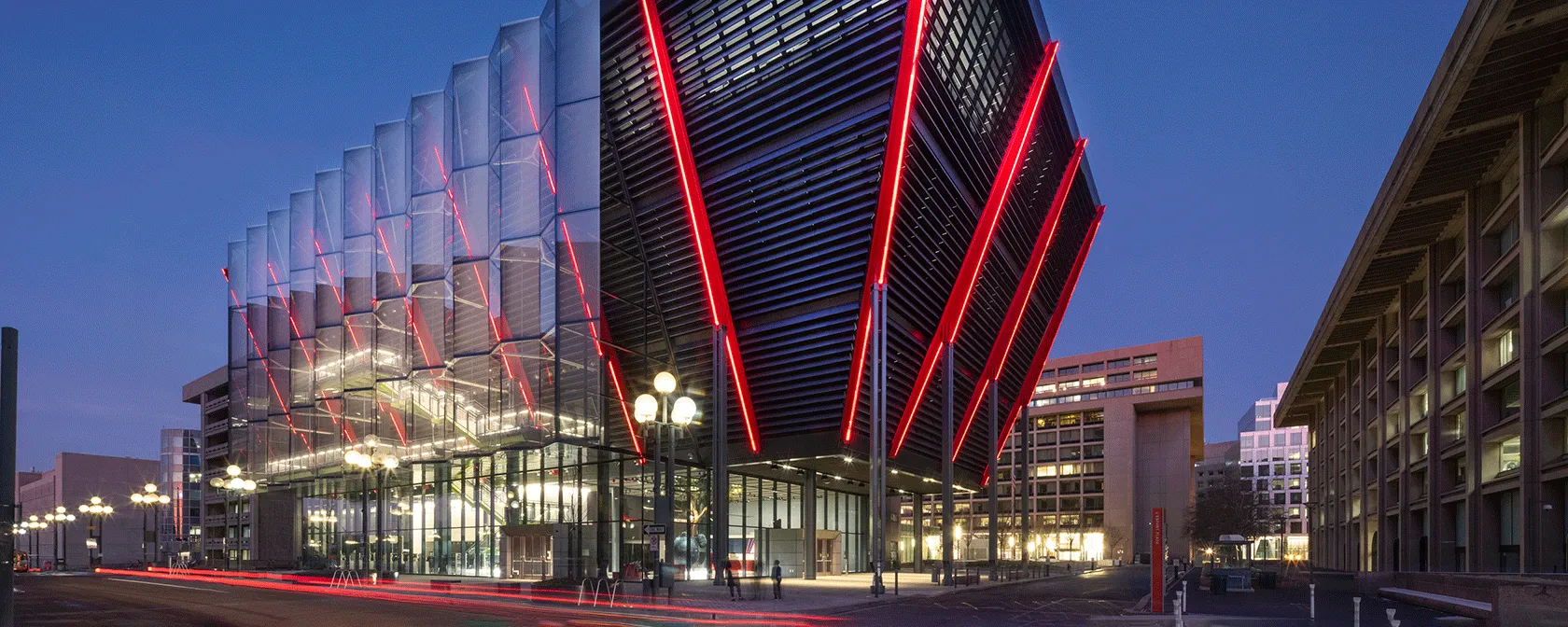
The Walter E. Washington Convention Center is the first convention center in the world to earn the WELL Health-Safety Rating (2022), the first in the Northeast United States to achieve the GBAC STAR accreditation, and one of only four convention centers in the U.S. to be awarded LEED Platinum certification. With a prime location in the heart of downtown, the world-class Walter E. Washington Convention Center is as functional as it is artistically impressive. The 2.3-million-sq.-foot space hosts meetings, conventions and events of every kind, from medical industry annual meetings to comic book-inspired expos and board retreats. See the space now with this virtual tour. Here’s why the Walter E. Washington Convention Center is meetings central in Washington, DC: Intimately Spacious You can mold all 703,000 sq. feet of exhibition space inside the convention center into whatever shape you need. Within its two levels and five exhibit halls is a 473,000-sq.-foot exhibit hall that can be subdivided into three rooms, 198,000 sq. feet of flexible meeting space, a 52,000-sq.-foot ballroom and 77 breakout rooms. The venue is versatile enough to accommodate events of all sizes. Art & Design Impressive. Striking. Modern. These are the words to describe the building, which has been recognized by the prestigious American Institute of Architects. The ultra-modern structure features a soaring staircase, towering glass walls and smooth granite floors. Its $6 million public art collection combines sculpture, paintings and photography. With more than 130 pieces by 93 different artists, it is the largest public collection of art in DC outside of a museum. The collection showcases living artists from the local community with approximately 50 percent from Washington, DC. Among the highlights: works by Sam Gilliam of the Washington Color School, a group of DC-area artists who developed a form of abstract art in the 1950s and 1960s. Sustainability The Walter E. Washington Convention Center has recently achieved LEED Platinum certification, a prestigious recognition of its commitment to environmental sustainability. It is now one of only four convention centers in the United States to hold this elite status, further cementing its leadership in green building practices. The building boasts a long list of energy-reducing features, from LED upgrades to all lighting systems to solar film-insulated windows and computerized HVAC systems as well as smart building designs and sustainability programs, including color-coded recycling protocol, water efficiency, and green product purchasing. Partnering with Aramark Environmental Service, the center is working towards the proper sorting of its recycling to ensure everything is processed correctly. “Behind the scenes, we have five massive docks all prepared to receive large volumes of sorted trash recycling,” Hootan Kaboli, senior vice president, Office of Executive for Events DC says. The Center further reduces its organic waste through a robust composting program. In partnership with PepsiCo, the center has also installed a “Dream Machines” set that encourages attendees to recycle their bottles and cans. All paper products provided by the center are ECOLOGO certified and made from 100 percent recycled fiber. Additionally, the center works with the local government to recycle over 50 palettes a month, many going to a furniture maker who transforms them into functional seating and platforms. Surplus food from events is redirected to the DC Central Kitchen and Capital Area Food Bank. Award-Winning Digital Signage The Walter E. Washington Convention Center is the largest digital signage network of its kind in any conference facility in the United States with over 200 digital signage displays located throughout the space. The convention center has significantly expanded its digital signage program adding 12 new LED video walls, a two-story curved video wall at the Concourse Rotunda, video walls above the exhibit halls and digital flags in front of the salons. Virtual reality, another new technology feature, uses 360-degree and 3D imagery allowing you to preview your experience inside the venue before booking. Complimentary WiFi access allows attendees to engage with real-time information. Ongoing Capital Improvements The past two years have kicked off a series of fresh renovations for the convention center. Upgrades include an interior redesign by architecture firm McKissack & McKissack, new furniture arrangements, unique lighting fixtures, Wi-Fi and USB ports, and an exterior streetscape renovation with new retail and greater live plants to bring nature indoors. A landscaped rooftop terrace remains in the plans. A new “Downtown Dining District” opened as part of a $16 million food and beverage investment. The former food court renovation included opening the more than 17,000-sq.-foot space up with direct entry from the Grand Lobby and views to the exhibit halls below. The space now seats 400 people and provides flexibility for various retail and catering functions, including a tasting room, restaurant, bar and induction kitchen. The Grand Lobby refresh initiative is geared towards optimizing the public spaces in the convention center by making them more flexible, user-friendly and tech-forward. Just outside, development in the historic Shaw neighborhood continues to bring new restaurants, breweries and retail to the convention and entertainment district. Local Cuisine & Retail For your event, Aramark is a premier catering option. The award-winning company serves more than 115 million guests annually, using fresh and local ingredients to fuel regional favorites and innovative international cuisine. Choose from popular catering packages to put together creative, custom-themed menus to perfectly complement your event. There are plenty of great places to eat and drink near the Walter E. Washington Convention Center. Guests seeking to taste the local flavor can drop by the convention center’s “Uptown Food District” where Ben’s Chili Bowl serves half-smokes, chili fries and more. Ben’s U Street flagship has been around since the late 1950s and is a hallmark in the District. Retail additions in the past year include Shop Made in DC, featuring packaged foods, clothing, arts and other gift items from over 50 DC makers. The exterior space surrounding the convention center also offers a wide range of retail and dining options, including new fine dining at Petite Cerise or sipping at Top Chef alum Spike Mendelsohn and cocktail connoisseur David Strauss' Morris American Bar, one of the city's most happy, brightly lit drinking establishments. For locally sourced snacks and on-the-go items, guests should check out Pearl’s Bagel, Union Kitchen Grocery, or they can grab a table at the Unconventional Diner, a high-end diner concept specializing in modern comfort food. Convention-goers can get their CrossFit fix at the Urban Athletic Club, which includes 3,000 sq. feet of training space, one-on-one training sessions and open gym hours. Guests in need of haircuts have it made at Cuttin-Up Barber Shop, which accepts walk-ins. The center is Metro accessible (Green/Yellow lines) with a dedicated Mt. Vernon-7th St-Convention Center stop and immediately walkable to Shaw's booming dining scene, downtown museums and nightlife, and the National Mall. Convention Center Floor Plans View floor plans overview in a higher resolution. Events DC owns and operates the Walter E. Washington Convention Center. To learn more, visit eventsdc.com.
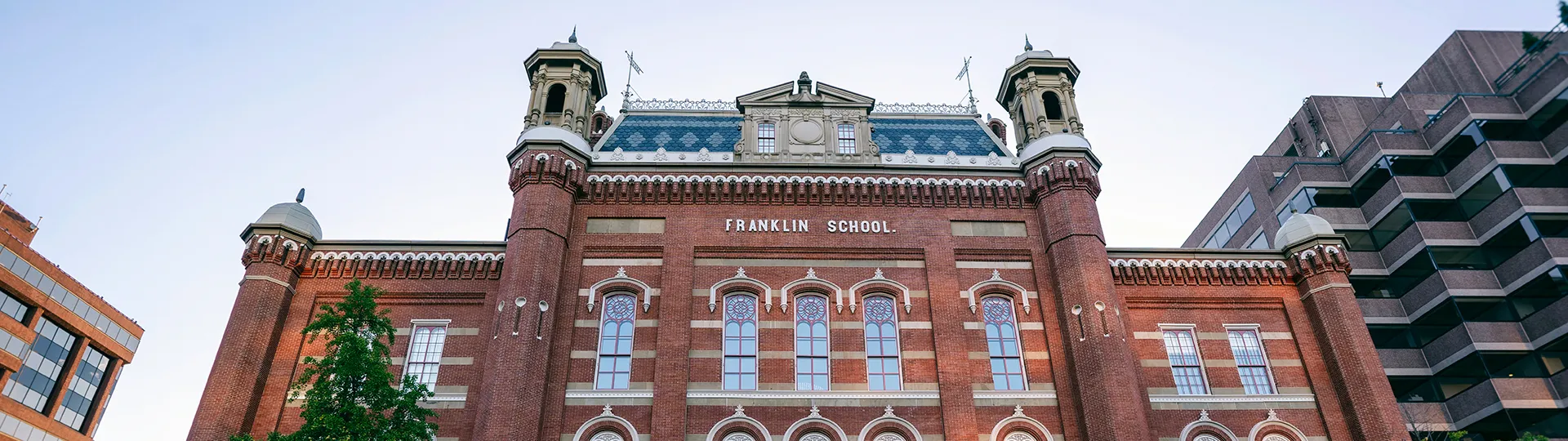
Your Guide to Visiting Planet Word Museum
What is Planet Word? This museum, located at 925 13th Street NW, aims to bring language to life through engaging, interactive exhibits. Housed inside the historic Franklin School, Planet Word is the world’s first voice-activated museum, with immersive displays that dazzle visitors of all ages. Inside, you will discover the true power of words and how they bring joy, foster empathy and connect people from all over the world. How do I visit? General admission to Planet Word is free, with a suggested $15 donation to support the museum’s mission-driven programs, exhibits, and educational outreach. Its hours are 10 a.m. to 5 p.m. on Monday and Wednesday through Friday, 10 a.m. to 6 p.m. on Saturday and Sunday, and CLOSED on Tuesday. Visit Planet Word’s website to plan your visit and reserve a pass. What can I expect to see at Planet Word? Planet Word immediately stands out in DC’s lineup of museums through its awe-inspiring interactive capabilities. As a visitor, you bring the building to life through your engagement with the written word and spoken language, making for a museum experience unlike any other in the District. You’re greeted by the Speaking Willow, which conjures murmurs in hundreds of languages as you pass through its branches. This immersive metal sculpture is the first permanent installation in DC by trailblazing artist Rafael Lozano-Hemmer. View this post on Instagram A post shared by ᴀɴᴅʀᴇᴡ ✈ ʏᴠᴏɴɴᴇ | ᴛʀᴀᴠᴇʟ (@pinnsip) The upper floor consists of three exhibits, including First Words, which showcases the process of how we learn our first language. The Spoken World will amaze you with the diversity of languages around the globe through speakers and signers of 31 different languages. The 22-foot-tall wall of words is Where Do Words Come From? dives into the story of the English language and the origin of many of its most commonly used words. Planet Word’s middle floor is perhaps its most adventurous. You can test out your public speaking skills, use words to transform the color in the room around you, browse a magical library filled with literary secrets, sing an iconic song karaoke-style and step into a humor gallery to determine the funniest member of your crew. On the lower floor, you can step into a recording booth to share a story of how words have changed your life and hear stories from others via the Words Matter exhibit. I’m Sold! showcases how advertisers use language to entice, and you can craft an ad yourself. View this post on Instagram A post shared by Steven Montoya (@montoyaste) One final note: although the museum is free to enter, please consider a donation to help Planet Word spread the power, beauty and fun of language.
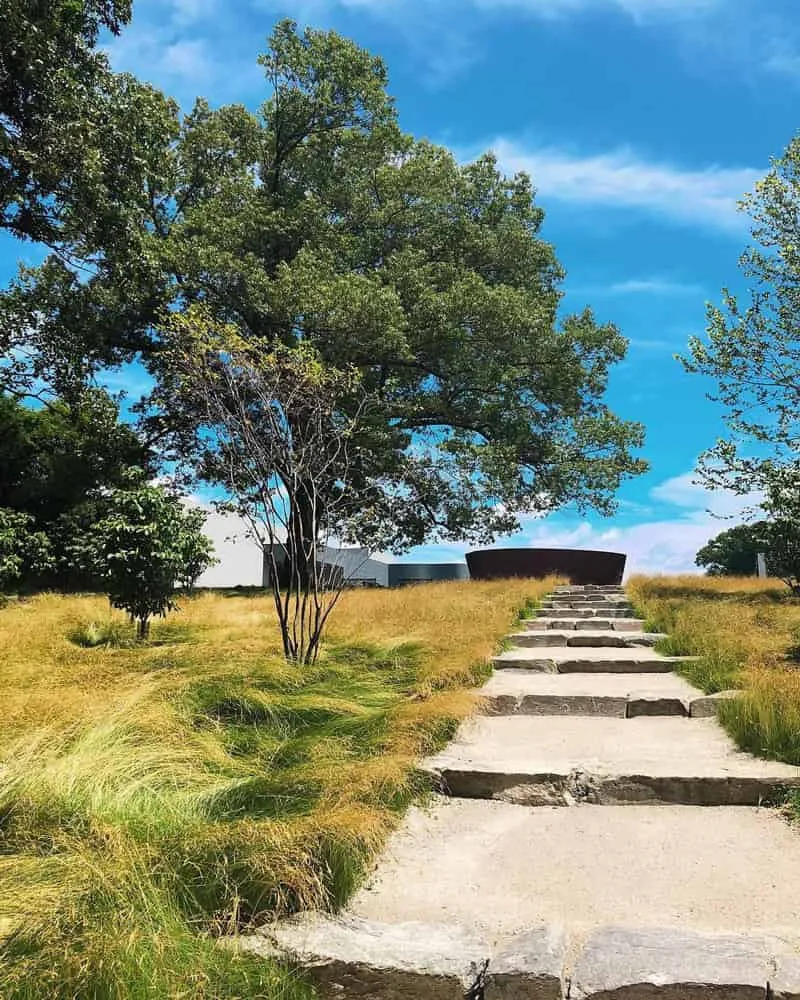
Your Guide to Visiting the Glenstone Museum
What you should know before going to Glenstone Glenstone is located at 12100 Glen Road in Potomac, Md., roughly 40 minutes from downtown DC by car. Parking is readily available. The museum is open Thursday through Sunday from 10 a.m. to 5 p.m. Glenstone asks that its guests reserve a visit in advance online. Visits can be scheduled on the half hour from 10 a.m. to 3 p.m. Tickets are released on the first of every month for the next three months (for example, December tickets will be available on Oct. 1). If you arrive without a reservation, Glenstone will work to accommodate you, but reservations are highly recommended. Admission to the museum is always free. Due to the fragility of the works on view, all visitors to Glenstone must be 12 or older and all minors (ages 12-17) must be accompanied by an adult at all times. While photography is not allowed inside the museum, guests can take photos of the outdoor artworks for their Instagram and for personal use. Glenstone does not allow the use auxiliary lighting, selfie sticks, drones, tripods or commercial photography of any kind. Glenstone presents a holistic experience of art, architecture and landscape, a central part of the mission of its founders, Emily and Mitch Rales. The museum features two gallery buildings, numerous outdoor sculptures and more than 230 acres of landscape in total. Make sure to wear comfortable walking shoes, as a visit to Glenstone is a journey in and of itself. The museum also wants to provide you with a relaxing environment fit for contemplation of its thought-provoking pieces of art, hence the scheduled visits. If you’re looking to be truly immersed in both mind and body during a museum-going experience, Glenstone is the perfect fit. What you will find at Glenstone Glenstone initially opened in 2006 as one gallery building featuring 9,000 square feet of exhibition space overlooking a three-acre pond, with an accompanying assortment of sculptures outdoors. However, on Oct. 4, 2018, the museum unveiled its extensive additions to the public, the culmination of a 15-year process. Glenstone now features a series of indoor and outdoor spaces that showcase post-World War II artworks that will challenge visitors to think deeply while also providing a global perspective on seminal art from the past 70 years. The collection is considered one of the best in the United States. Your experience at Glenstone begins with the Arrival Hall, a new building in which you can get a sense of the museum’s minimalist design aesthetic and peruse a gift shop filled with books that highlight and illuminate modern and abstract art. The Pavilions are your next stop, but not before a brisk 7-minute walk on a peaceful trail. Along the way, you’ll see Jeff Koons’ The Split Rocker perched on a hill, perhaps the museum’s signature piece. This intersection of art with nature is an essential component of Glenstone. Note that Glenstone Guides, dressed entirely in gray, will appear throughout your voyage. The Guides are there to inform, but also to listen to your interpretations of the art that you’re seeing. They’re a replacement for explanatory and lifeless diatribes you often see on walls at other museums. Glenstone is all about allowing you to slow down and interact with the art on your own terms. As the Pavilions emerge into your view, you’ll be struck by the 204,000-square-foot building embedded into the middle of a vast field. Like something out of a Stanley Kubrick film, the Pavilions stand out as a futuristic, bright white beacon on the grounds, with stacked blocks of concrete and inset glass allowing for natural light to stream through. Although the Pavilions houses breathtaking art, the building is an artistic and architectural marvel itself. Inside, you’ll find 50,000 square feet of exhibition space, including 13 individual spaces for art. Some will feature rotating exhibitions, while others are custom-built for the work of a particular artist, which stresses the fact that Glenstone always aims to sustain an artist’s vision when displaying his or her work. At the center of the Pavilions is an 18,000-square-foot water court, adorned by seasonally changing plant life – yet another example of art and nature intersecting. The Pavilion’s exhibition spaces contain wonders, whether you’re observing the 65 works inside the Room 2 Installation (which includes pieces by Jackson Pollock, Mark Rothko, Alexander Calder, Andy Warhol and Barbara Kruger, among many others) or a single piece showcased on its own, like Michael Heizer’s Collapse or Robert Gober’s stunning rumination on nature, Untitled (1992). The collection is not limited to paintings and sculptures, either: Pipilotti Rist’s Ever Is Over All video is an astonishing and captivating highlight. There’s much more in store beyond the Pavilions. Next, let outdoor paths and trails guide you through the additional acreage at Glenstone. Along the way, you’ll see streams, meadows and forests in addition to mind-bending works such as Andy Goldsworthy’s Clay Houses (Boulder-Room-Holes), which can be found on the Woodland Trail, Tony Smith’s Smug and Richard Serra’s Sylvester, located next to the original Glenstone Gallery. During your extensive Glenstone excursion, hunger and thirst may strike. No worries: the museum has also added a new cafe, set into the forest and the perfect place to stop during your exploration of the property. When observed in total, a trip to Glenstone is not simply a trip to an art museum. The expansiveness of the property and its architecture and artwork, all graced by the tranquility of nature, makes one feel that they’ve journeyed to another world altogether. Your sense of time can vanish as you are consumed by a mixture of artistic, architectural and natural beauty that you won’t find anywhere else in the Washington, DC area.
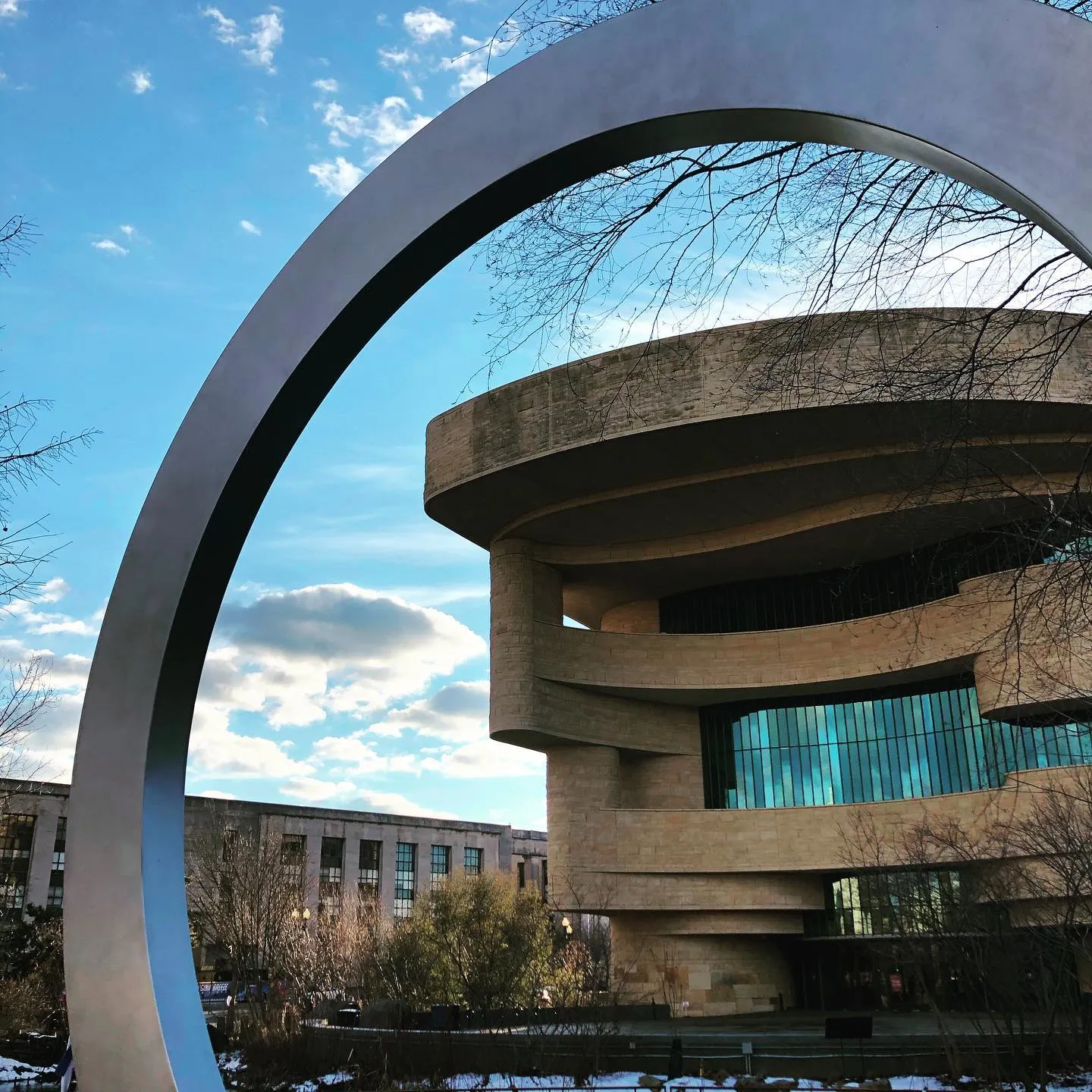
Your Guide to Visiting the National Native American Veterans Memorial
What is the National Native American Veterans Memorial and where is it? The National Native American Veterans Memorial is a fitting and outstanding addition to the grounds of the Smithsonian National Museum of the American Indian, located at 4th Street & Independence Avenue SW. The intimate space was designed by architect Harvey Pratt and opened on Veterans Day, 2020. The memorial is specifically tailored to inspire remembrance, reflection and healing as visitors contemplate the immense sacrifice of Native soldiers. Today, more than 31,000 Native Americans, Native Hawaiians and Alaska Natives serve on active duty. More than 140,000 veterans identify as Native. And for the first time, the bravery and selflessness of these individuals can be honored on a national scale, within sight of the U.S. Capitol. The memorial is free to visit and open 24 hours a day, 7 days a week. What will I see at the National Native American Veterans Memorial? The memorial offers a multi-sensory experience for visitors. The design is simple yet powerful and has many intricate features, the most prominent being the captivating stainless steel circle at its center. The memorial’s design thoughtfully includes benches for visitors to sit and reflect, the presence and sound of water for sacred ceremonies, and four lances for veterans, their families, tribe leaders and others to tie cloths for prayers and healing. When you visit, be sure to listen to the continuous music playing throughout, which includes thirteen Native American veteran songs from the Ojibwe, Menominee, Blackfeet, Ho-Chunk, Kiowa, and Lakota Nations from the Smithsonian Folkways recording American Warriors: Songs for Indian Veterans. View this post on Instagram A post shared by Washington DC (@visitwashingtondc)
Your Guide to Washington Nationals Baseball
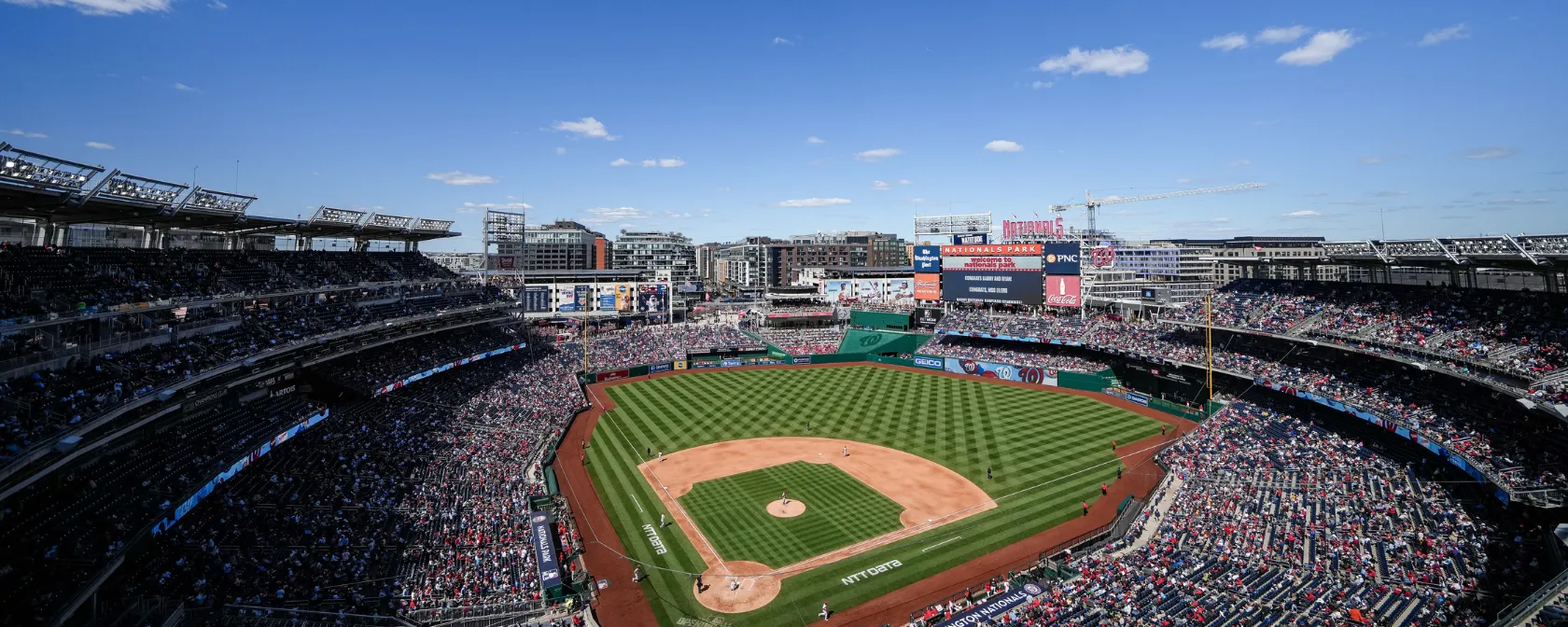
The 2019 World Series Champion Washington Nationals are in action every spring and summer with an exciting schedule, plenty of home runs and, of course, Racing Presidents. Before we dive in, a special discount: Make sure to use the code VISITDC for up to 20% off single-game tickets. The History of the Washington Nationals After a 33-year absence, Major League Baseball in Washington was revived with the arrival of the Nationals in 2005. The Nats played their first three seasons at RFK Stadium before moving into Nationals Park, a state-of-the-art facility in the bustling Capitol Riverfront neighborhood, in 2008. Upon assuming the job in 2009, general manager and president of baseball operations Mike Rizzo didn’t set out to win a few games; he set out to build a winning culture that brought competitive baseball to DC’s Navy Yard neighborhood every spring, summer and fall, year in and year out. From 2012-19, the Nats won four division titles, made five Postseason appearances and went on a scintillating run to a 2019 World Series championship, the first in franchise history and the first World Series title for DC since 1924. Catch a game and cheer on the up-and-coming stars looking to ignite the next World Series run in the nation's capital. The Nationals Experience Nationals Park is located on the bustling Capitol Riverfront, one of the District's fastest-growing areas. Easily accessible from the Navy Yard-Ballpark Metro stop on the Green Line, the neighborhood provides many dining options for before and after the game. The Yards Park and Canal Park are both outdoor destinations, and each is within walking distance of the Navy Yard stop. Nats Park is full of family-friendly promotions: Kids can run the bases on Sundays and get a special first-game certificate and pin. There are also tons of kid-friendly giveaways, including bobbleheads and kids' shoe charms, throughout the season. Kids 12 and under can also get a free meal during every home game this season. When it comes to food, the stadium is one-of-a-kind. Enjoy a legendary chili dog from Ben’s Chili Bowl, a Washington institution, or watch the game comfortably from the Budweiser Brew House, a full-service restaurant within the stadium. Elsewhere in Nationals Park, diners can enjoy everything from saucy Shake Shack burgers to some fun new concessions like Ssongs Korean Hotdogs and Los Cinco Tacos. Check out our full guide of where to eat and drink in the park. Don’t forget to catch the GEICO Presidents Race, which takes place during the fourth inning of every game, featuring oversized likenesses of “George” Washington, "Tom" Jefferson, “Abe” Lincoln and “Teddy” Roosevelt. They are joined by Screech the Eagle, waving the Nationals Curly W flag after victories in an epic display of Natitude. Make sure to gear up in your Nationals apparel, including championship-themed caps, jerseys and shirseys, at one of the Nationals Team Store locations. Note that backpacks and bags that exceed 16"x16"x8"are now prohibited inside Nationals Park. Make sure to read the full Nationals bag policy before heading to the game. Nationals Park is also the first major professional stadium to be LEED Silver Certified by the U.S. Green Building Council, using numerous sustainable elements to provide the most environmentally conscious experience. Make sure to check out more things to do in the Capitol Riverfront neighborhood, before or after the game.