All Articles




5 Reasons to Check Out 'The New Woman Behind the Camera'
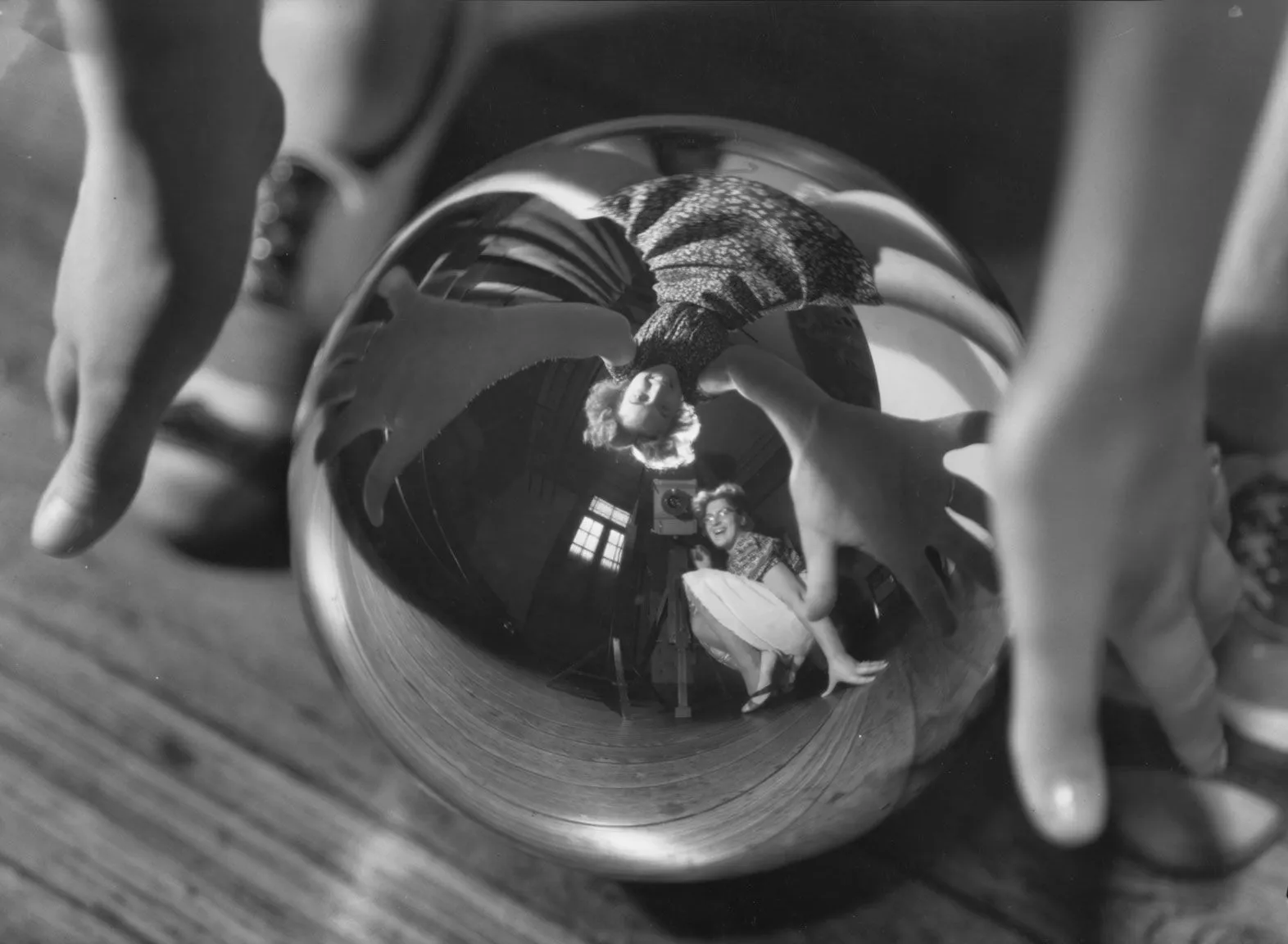
Through Jan. 30, 2022, head over to the National Gallery of Art’s (NGA) West Building for a daring trip into the wonders of the female gaze. From the 1920s to the 1950s, the “New Woman” was at the center of cultural discourse. Independent, confident and stylish, these women blazed trails all over the globe – including in the realm of photography. This is just one of many reasons you should check out The New Woman Behind the Camera, which is free to experience daily from 10 a.m. to 5:30 p.m. Admire the artistry of groundbreaking photographers such as Dorothea Lange, Claude Cahun, Margaret Bourke-White, Tsuneko Sasamoto and many others. We’re almost certain you’re familiar with the work of Dorothea Lange, one of the great visual chroniclers of America’s Great Depression. In addition to featuring some of Lange’s most important work, The New Woman Behind the Camera also gives a platform to some of the era’s finest photographers from around the world: notable images by Claude Cahun, Margaret Bourke-White, Tsuneko Sasamoto, Genevieve Naylor and Annemarie Heinrich are featured. See images that redefined an artistic form in the first half of the 20th century. As camera technology improved from the 1920s through the 1950s, so did the device’s potential. Throughout the exhibit, you will notice an array of techniques that were revolutionary in their day: photomontage, unconventional cropping, collage, layering, unique angles. Women photographers were not afraid to test the outer limits of their art form, whether they were chronicling everyday subjects, building photo spreads for fashion magazines or capturing portraits in distinctive styles. Many of the photographs in the exhibit peel back the curtain on important historical subjects. From Japanese internment camps in America during World War II to the urban decay of mid-century cities to war-torn expanses overseas, women photographers did not shy away from social documentary and in turn, their own form of political commentary. While serving as an incredible survey of photography by the New Woman, the exhibit doubles as a visual essay on the world’s happenings from the 1920s to 1950s. You will gain an understanding of the vital role played by the “New Woman” in developing modern photography. Mixed in with the spellbinding photography is in-depth information on the background and approaches of the women artists on display. Whether on assignment for LIFE Magazine or using the camera as a creative outlet, the New Woman brought female empowerment to photography and in turn, ushered in an evolution of personal and professional expression. Work from women around the world is showcased throughout the exhibit, providing fascinating perspectives on time, place, gender roles and the human body. Breathtaking images from Japan, India, Germany, the Soviet Union, South America and numerous other countries highlight how women photographers were experimenting and breaking new ground in photography internationally. Many of the shots in The New Woman Behind the Camera subvert expectations, whether through form, position of subjects, depictions of the body, color utilization, contrast of light and shadow or social commentary. While these photos are all from the past, many previewed the future of the practice, art in general and society at-large.