All Articles



How Do I Get Around Washington, DC?
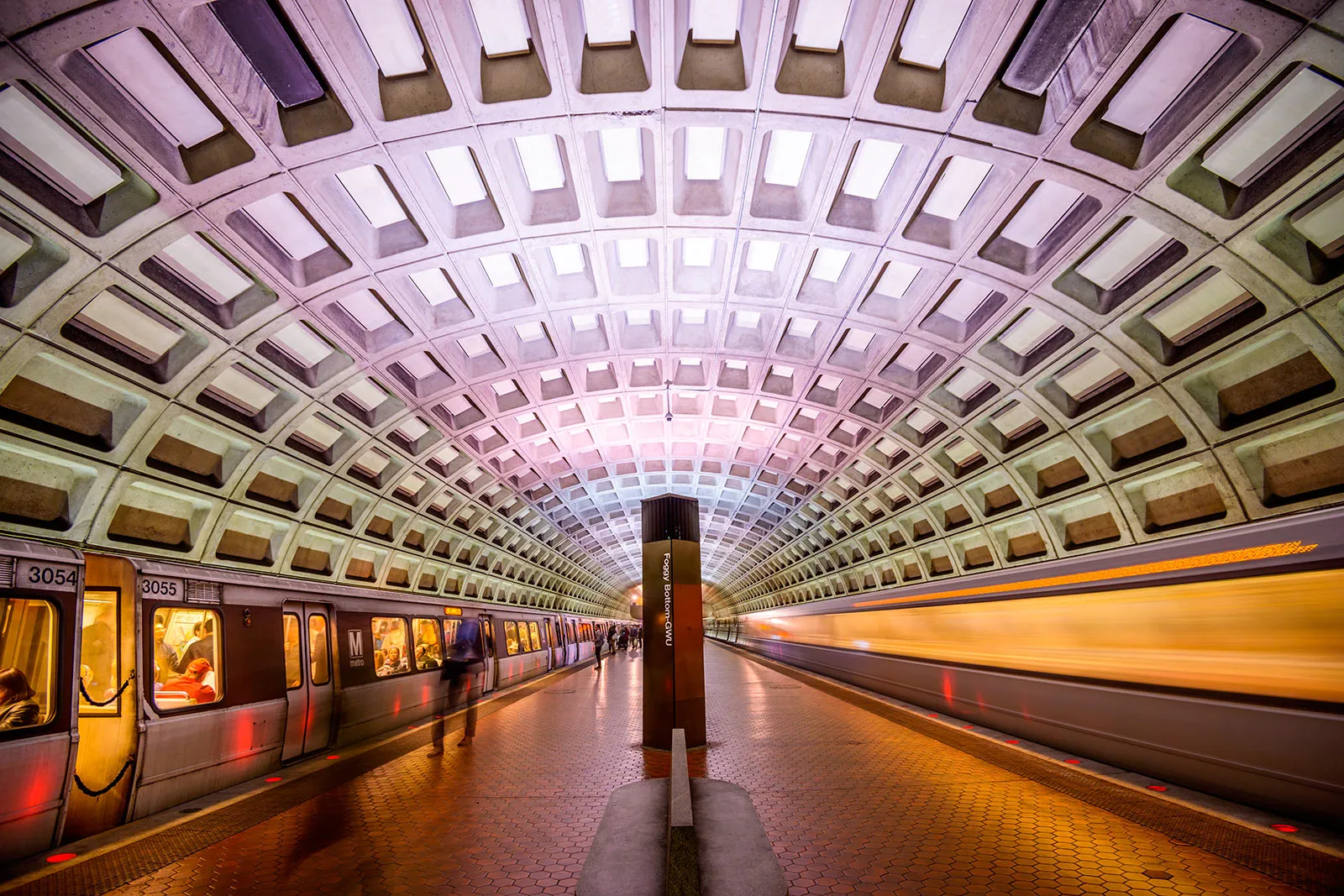
Metrorail & Metrobus Washington, DC has one of the safest, cleanest and most efficient transportation systems in the world. Metrorail and Metrobus are the most convenient ways to get around DC, with Metrobus providing connections for locations not serviced by Metrorail. The Walter E. Washington Convention Center even has a dedicated Metro station serviced by the Yellow and Green lines, and many hotels are conveniently located near Metro stations or bus routes. Metro operates from 5 a.m. to midnight on weekdays and from 7 a.m. to midnight on weekends. Metrobus runs hundreds of routes throughout the city and the greater Washington, DC area, with more than 1,400 buses using compressed natural gas or a hybrid electric drive system helping to keep DC eco-friendly. Riders can pay by purchasing a SmarTrip card, which allows users to load a designated amount on the card for repeated swiping. The cards can also be used as payment for Metrobus rides. Taxis, rental cars & parking Taxi service is plentiful and economical in DC. In fact, DC has one of the highest taxi-to-citizen ratios in the country, with more than 6,000 taxis servicing the city. Taxis use a metered system just like every other city in the country. All taxis also accept credit and debit cards as payment, as well as cash. You can also download the DC Taxi Rider app for your iPhone or Android, which allows you to choose from a regular, large, or wheelchair-accessible taxi, see a fare and time estimate before you hail the cab, and pay either through the app or in the vehicle. Of course, some visitors choose to drive their own vehicles. If you're driving in and around DC, ParkWhiz is a convenient way to compare prices at garages and lots around town so you can reserve your parking space before arriving. Uber is another great option for getting where you need to go all over DC. Simply sign up and download the app to your phone, and you can begin requesting a ride with the tap of a button. No cash is required, and tip is handled in the ride fare. Numerous car options are available, and you can even share a ride. Rental cars are yet another option. All the major rental companies have locations throughout DC, including Enterprise, and most have offices at the airports. Many DC-area hotels have parking facilities located within their structure. In addition to ParkWhiz, visitors can find convenient street or garage parking with SpotHero. DC Circulator The DC Circulator gets rave reviews from residents and visitors alike. The bus is free for all riders and travels along six specific routes designed for easy-on, easy-off access at points of interest throughout the District. Explore neighborhoods such as Adams Morgan, Dupont Circle, Georgetown, Woodley Park, U Street and Capitol Hill with the Circulator. The bus even offers a dedicated National Mall route for super easy access to DC’s majestic lineup of monuments and memorials. Schedules for every route are available, and buses run every 10 minutes. Walking & Biking Around DC One of the best ways to experience Washington, DC is on foot. The city’s wide sidewalks meander past the inspiring monuments and museums found on the National Mall, as well as the intimate museums, world-class theaters and splendid gardens in the city’s collection of neighborhoods. Those who prefer to explore on two wheels, Unlimited Biking offers rentals from two locations in DC, and has a wide variety of bikes to choose from, including kids' bikes and attachments. With each rental, helmets, locks and a map are included, and the friendly staff will help you plan your route to explore the city. Additionally, Capital Bikeshare has over 350 stations across DC, Virginia and Maryland. Its fleet includes more than 3,000 bicycles, and the system is easy: simply join (options range from a Day Key to a year-long membership) and access bicycles 24 hours a day. The first 30 minutes of each trip is free, with each additional half hour incurring a fee. Check out more suggestions on transportation in and around Washington, DC.
How Do I Get to the Cherry Blossom Trees in Washington, DC?
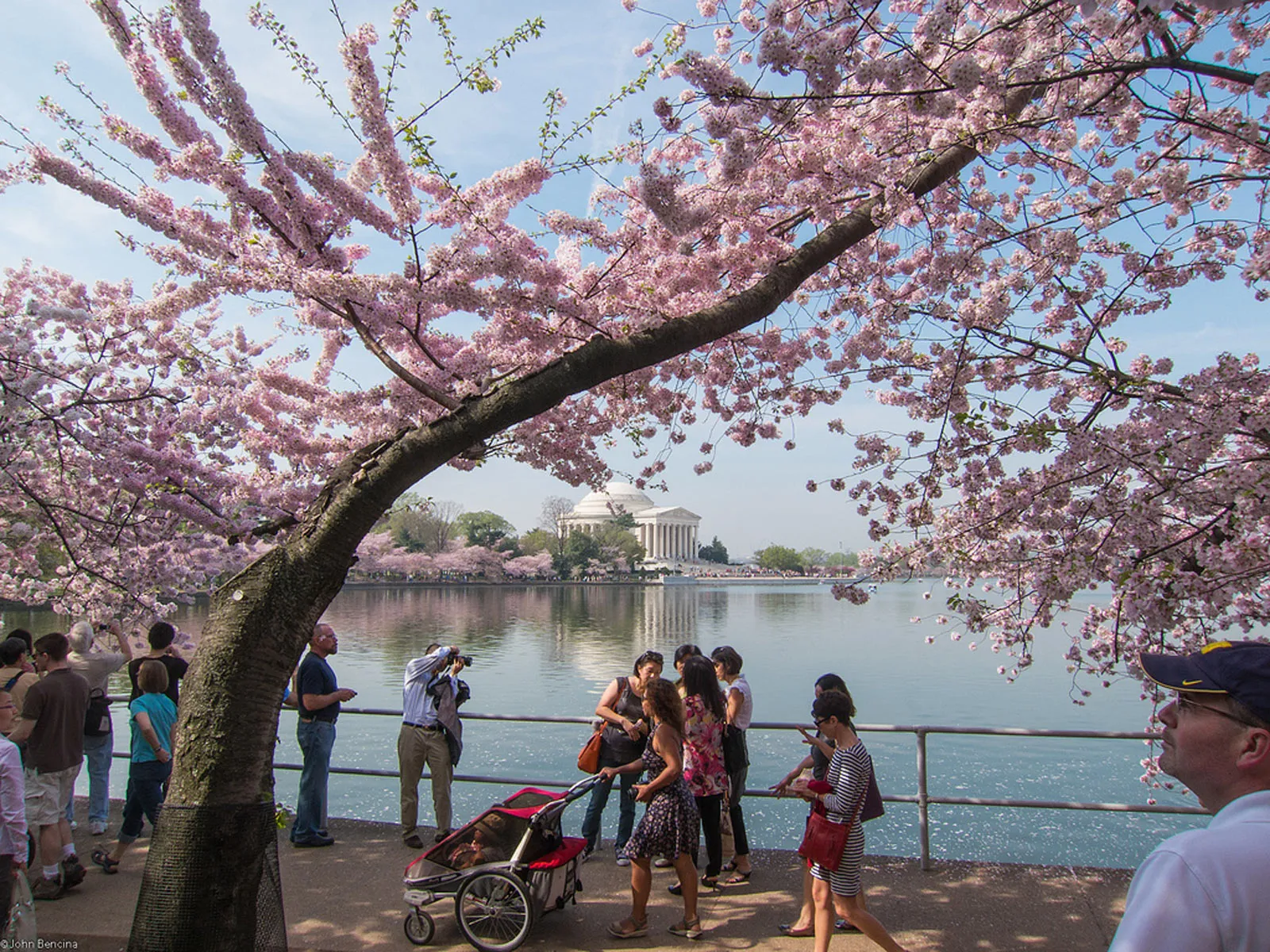
DC’s Metrorail, Metrobus and DC Circulator are the most convenient options for reaching the city’s blossom sites during the National Cherry Blossom Festival. Taking a bike ride to the blossoms and coasting alongside the beautiful trees is another route that locals and visitors love. For new visitors to DC: driving is not the preferred method of transportation in and around the city, as parking spaces are hard to come by in the District. Also not that peak bloom, which is defined as when 70% of the Yoshino cherry trees at the Tidal Basin have fully opened, occurred on March 17 last year and blossoms may be visible for up to a week or more in ideal conditions. How do I get to the Tidal Basin cherry blossoms? METRO: Use the Blue, Orange or Silver lines and exit at the Smithsonian Metro stop. From there, it’s a 10-15 minute walk to the Tidal Basin Welcome Area, located at 1501 Maine Avenue SW. BUS: The DC Circulator's National Mall route makes stops directly on the Tidal Basin at the Jefferson and Martin Luther King, Jr. memorials, as well as in front of the Holocaust Memorial Museum. The 32 or 36 Metrobus routes will drop you at the National Mall, near the Washington Monument. A 10-minute walk south will bring you to the welcome area. Be sure to stop by Metro Center, L’Enfant Station or Navy Yard to purchase a commemorative cherry blossom SmarTrip card. BICYCLE: If using your own bike, there is parking available near the Jefferson Memorial, roughly six minutes of walking time from the Tidal Basin. There is a Capital Bikeshare docking station near the Jefferson Memorial, as well as one at Jefferson Drive and 14th Street NW, both a short ride from the blossoms. How do I get to the cherry blossom trees on the National Mall? METRO: Numerous Metro stations are within walking distance of the Mall, but again, Smithsonian is your best bet. Federal Triangle (Orange, Blue, Silver) and Archives (Green, Yellow) are also nearby. BUS: The 32 or 36 Metrobus routes drop passengers off at the National Mall, near the Washington Monument. The DC Circulator operates routes around the National Mall, which will make moving around the sites even easier. BICYCLE: Since the trek from the Washington Monument to the Lincoln Memorial and West Potomac Park is time consuming on foot, biking around the National Mall could make for a better option. The area is adorned with a wide path to accommodate both pedestrians and bicyclists. Cruise and see the sites on your own two wheels or rent one from a Capital Bikeshare station nearby. Bike parking is readily available near the Jefferson Memorial (6-minute ride from Lincoln). Guided tours are available from Bike and Roll DC. How do I get to East Potomac Park? METRO: Although it’s a bit of a hike (roughly 20 minutes), East Potomac Park can be accessed by foot from both the Smithsonian station via the East Basin Drive Bridge and L’Enfant Plaza (Blue, Orange, Silver, Green, Yellow lines) via a walking path from Benjamin Banneker Circle that runs next to the Francis Case Memorial Bridge. The park makes for a perfect picnic spot. BUS: The DC Circulator route through the National Mall includes a stop in the park, making it the best and most convenient option for reaching its offering of blossoms. BICYCLE: East Potomac Park is easily traversed via your own bicycle, or you can simply travel there on two wheels and park at the Jefferson Memorial before viewing the cherry trees on foot. Capital Bikeshare also boasts two stations nearby: one at Hains Point, and the other at the Jefferson Memorial. What are some less-crowded blossom spots, and what’s the best way to get to them? U.S. National Arboretum: The 446-acre arboretum boasts more than 30 sites to see flowering blossoms. The best way to reach the Arboretum grounds is via taxi, Uber or automobile with lots of free parking to be had. Stanton Park: Just removed from the tourist-centric parts of DC, Stanton Park in Capitol Hill boasts a gorgeous lineup of cherry trees. The park is just a 10-minute walk from Union Station (Red Line), making Metrorail a very convenient option for transportation. Anacostia Park: Nestled next to the Anacostia River, this 1,200-acre multi-use park also has blooming cherry blossom trees for your enjoyment. You can enter the park after a 10-minute walk from the Anacostia Metro station (Green Line).

How Do I Tour the U.S. Capitol and See Congress in Session?
The U.S. Capitol Building is one of the most recognizable buildings in the world and the center of American democracy. The world-famous domed building is home to the United States House of Representatives and Senate; where America’s congressmen and congresswomen conduct business, debate laws and pass bills on behalf of the American people. The U.S. Capitol and U.S. Capitol Visitor Center is also one of DC’s most popular monuments and museums and welcomes millions of visitors each year. How do I arrange a tour of the United States Capitol Building? Plan your visit in advance! A public tour of the U.S. Capitol is free and open to anyone who makes an advanced reservation, although there are some same-day tickets available by standing in line at the U.S. Capitol Visitors Center (note that lines will be long during spring and summer). We recommend reserving a reserving a tour date and time. All tours begin and end at the U.S. Capitol Visitor Center, open Monday-Saturday from 8:30 a.m. to 4:30 p.m. (except Thanksgiving, Christmas, New Year’s Day and Inauguration Day). Tours typically take about 90 minutes and are fully accessible for people with disabilities. What will I see on a Capitol tour? Guided tours begin with a 13-minute intro film, followed stops in the Capitol Rotunda, where guides point out the center point of the District of Columbia, as well as demonstrate the unique acoustical effect where a speaker several yards away can be heard more clearly than a speaker close to the listener. The Capitol Dome is encircled by murals, and the fresco on the eye of the ceiling is called The Apotheosis of Washington showing President Washington rising to the heavens in glory with Liberty and Victory/Fame beside him. Below, on the walls of the Rotunda, are large paintings depicting significant events in American history: The Signing of the Declaration of Independence, The Baptism of Pocohontas, The Embarkation of the Pilgrims, The Landing of Columbus and General George Washington Resigning His Commission. Other stops on the 45-minute walking tour include the Crypt, National Statuary Hall and connecting corridors of the U.S. Capitol, where you’ll see statues representing every state Can I see Congress in session? The guided tour doesn't include the Senate and House galleries. However, visitors can obtain free passes through their congressmen to view both chambers when Congress is in session. International visitors can ask about gallery passes at the House and Senate Appointment Desks on the upper level of the Capitol Visitor Center. When Congress is not in session, the galleries are open to the public Monday-Friday from 9 a.m. to 4:15 p.m. However, viewing hours are subject to change and are not always the same for the House and Senate galleries. You can check the schedules with your Congressional office when requesting gallery passes. Read more information about watching Congress in session and viewing the House and Senate galleries. What’s in the U.S. Capitol Visitor Center? You’ll find a cafeteria and gift shop in the Capitol Visitor Center. The gift shop carries merchandise inspired by the art and architecture of the U.S. Capitol. The restaurant is open Monday through Saturday from 8:30 a.m. to 11 a.m. for continental breakfast and lunch from 11 a.m. to 4 p.m. If you haven’t printed your tour reservation, bring along the number you were assigned. There are free listening devices in multiple languages for international visitors. How do I get to the U.S. Capitol Visitor Center? Because there is very little parking, it is best to travel via the Metro or the DC Circulator. There are three Metro stops within walking distance of the U.S. Capitol: Union Station (Red Line), Capitol South and Federal Center SW (Orange, Silver and Blue lines). The Capitol Visitor Center, which serves as the main public entrance, is located beneath the East Front plaza of the U.S. Capitol at First and East Capitol streets. Looking for more in the neighborhood? Take advantage of our guide to Capitol Hill.