
All Articles
National Job Shadow Day
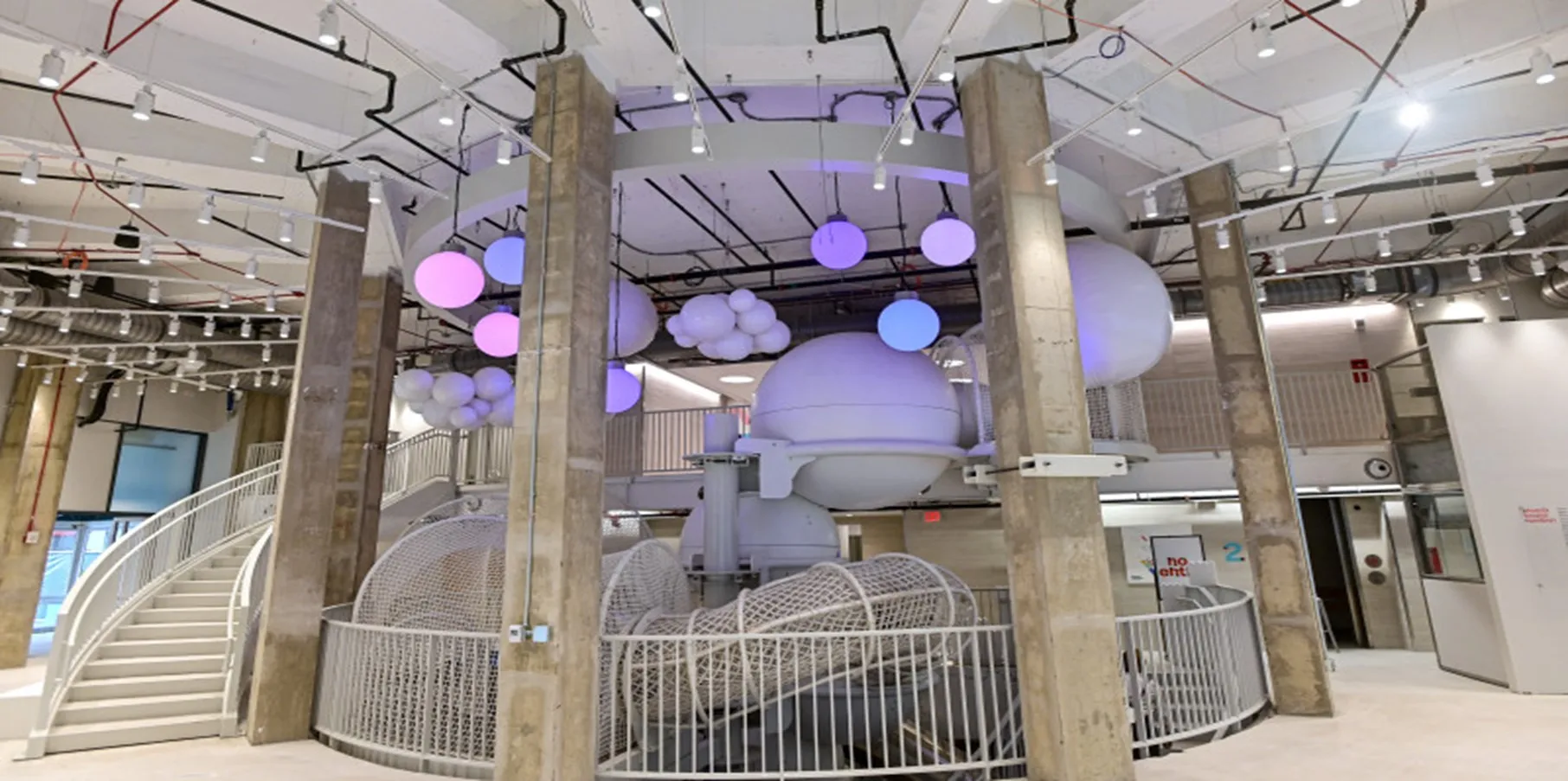
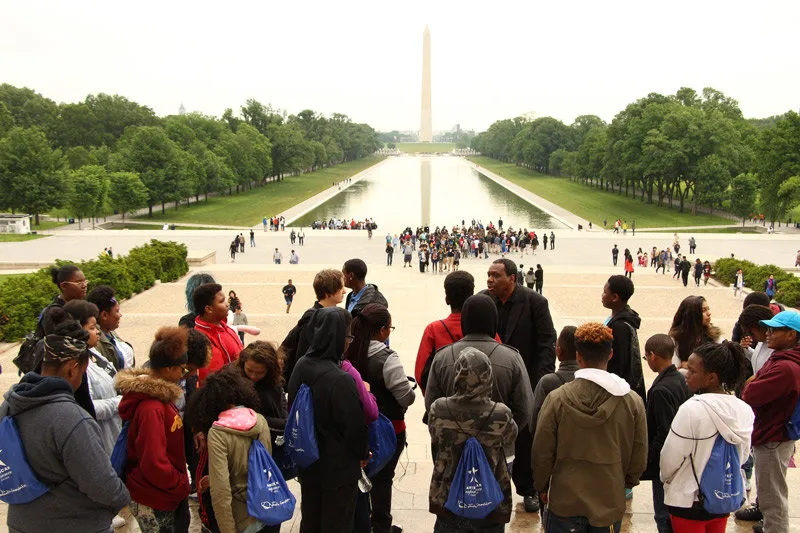
National Job Shadow Day is celebrated every February and serves to connect students with real working experiences in preparation for internships, college and careers. This year, AEF helped place 65 academy students at 35 hospitality and tourism businesses across the city for job shadow opportunities. One very special opportunity came from Michelin-starred chef Nick Stefanelli and his team at Masseria. They welcomed two students from Ballou High School’s Academy of Culinary Arts to work side by side with sous chef Ryan Smith. Zoe Poindexter-Moore and Tymeyah Hall are both juniors at Ballou and made one of the restaurant’s famed pasta dishes by hand. It was all worth it when they sat down to enjoy it. Special thanks to Chef Stefanelli and Eric Di Nardo, Masseria’s Director of Operations, for making the experience possible. Kellye Lynn from WJLA ABC7 came along to share the story with her audience! Destination DC also served as a host on National Job Shadow Day. AEF and Destination DC welcomed six students from the academies at Ballou, Columbia Heights, and Wilson high schools. In addition to learning about working at a destination marketing organization, students experienced how DDC and AEF work with our partner businesses. David Mammina, Assistant Director of Human Resources for the Conrad Washington DC, took us on a tour of the ultra-luxury hotel. In addition to giving insight into working at such a property, he explained how every guest and employee is treated with respect. Then we went to ARTECHOUSE, where Susannah Stern, Assistant Manager of Visitor Experience, told the group how she turned her love of art and skills running a business into a career. If you’d like to experience ARTECHOUSE and Future Sketches by Zach Lieberman, you can save 10% by using the coupon code EXPERIENCE10.
Navigating Washington, DC with Metro
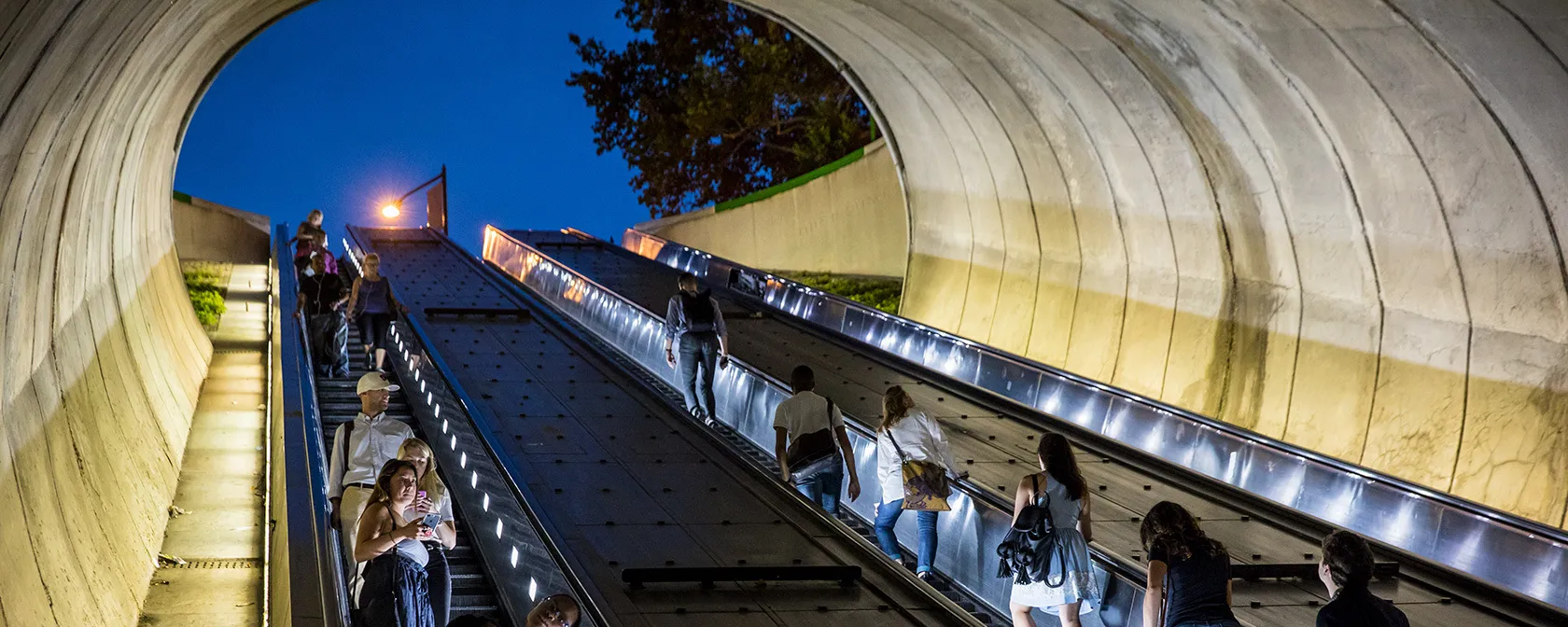
Washington, DC’s Metro is one of the busiest public transportation systems in the country. Its expansive network of tunnels and above ground tracks connect all four quadrants of DC with suburban Virginia and Maryland. The system is heavily used by local commuters and it’s a popular, convenient and affordable way for visitors to DC to get around the region, now so more than ever. Metro has opened its new Silver Line extension, which allows riders to connect to Dulles International Airport and explore Loudoun County. Visit Metro's website for more information about the extension. Find information about the Washington, DC Metro system: DC Metro Map How Metro Works & Metro Trip Planner Metro Fares Metro Hours Metro Etiquette Please download the touch-free SmarTrip app for iPhone and Android. DC Metro Map A Metrorail system map will help you navigate the nation's capital during your trip. Click the Washington, DC Metro map below to view a larger version. How does the Washington, DC Metro work? How do I plan my trip? The Metro consists of six color-coded lines: Red, Blue, Orange, Yellow, Green and Silver. The lines are connected to each other via transfer stations and many Metro stops are serviced by more than one color. Each train car has an exterior electronic sign that marks the color and the direction of the train. Direction is indicated by the final station of that line. Popular sightseeing Metro stops include the Smithsonian (Orange, Silver and Blue lines), Woodley Park-Zoo/Adams Morgan (Red line) and Gallery Place-Chinatown (Red, Green and Yellow lines). You can plan your trip and find the best route using Metro's Trip Planner. Worried about internet connectivity while traveling on Metro? Currently, most Metro stations have free Wi-Fi. How much are Metro fares and how do you use SmarTrip? Metro fares are calculated by how many stops you travel and vary during peak and off-peak hours. During peak hours, most fares range from $2.25 to $6 per trip. During off-peak hours, fares typically range from $1.85 to $3.85. Metro riders must pay via SmarTrip card or the SmarTrip app on iPhone and Apple Watch. SmarTrip cards are plastic, rechargeable fare cards that can be purchased by cash or credit at any Metro station or in advance on wmata.com. You can calculate your fare between two stops using Metro’s Trip Planner. The SmarTrip app can be used anywhere the SmarTrip card is accepted, including rail, buses and Metro-operated parking lots. Metro is the first rail system in the U.S. to offer a full-service, touch-free payment option at every single stop. See below for more information about how to use SmarTrip in your Apple Wallet. What are the Metro's hours and when does it close? DC Metro trains run Monday - Thursday, 5 a.m. until 12 a.m.; Friday, 5 a.m. until 1 a.m.; Saturday: 7 a.m. until 1 a.m.; Sunday: 7 a.m. until 12 a.m. Metro etiquette The Washington, DC Metro serves thousands of commuters and visitors each day. Because the train system is so heavily used by busy local commuters, there are a number of unspoken rules that visitors should be aware of. If possible, you may want to ride at off-peak hours when the train system is much less hectic. When riding the escalator, stand to your right, walk to your left. Standing in a twosome that blocks the left side is strongly (and often loudly) discouraged by your fellow Metro riders. When waiting to board a train, let riders exit the train first before trying to board. If the train is particularly crowded and you are standing in a doorway, step just outside the train doorway to allow your fellow riders room to exit. Another important note if the train is crowded: move to the middle of the car so others can board. You will have time to exit when you arrive at your stop. During peak hours, trains arrive often. Don’t try to board a train that is too full. The automatic doors are very sensitive and if they can’t close, the train operator may offload the entire train because a door stopped working. Each car usually has several seats for handicapped riders. Please don’t use these seats if there is a rider that needs to sit down. Be sure and have your SmarTrip card out and ready to swipe when you go through the gate. Riders move through quickly and holding up the line is discouraged. While the Metro can be a very busy place, most of your fellow riders are friendly and will point you in the right direction. There is also a station manager at each station. Don’t be afraid to ask if you have questions about navigating the Metro! Now that you have read up on the Metrorail experience, learn about other ways to navigate DC. Check out the best transportation options for getting around the District.
O que há para fazer
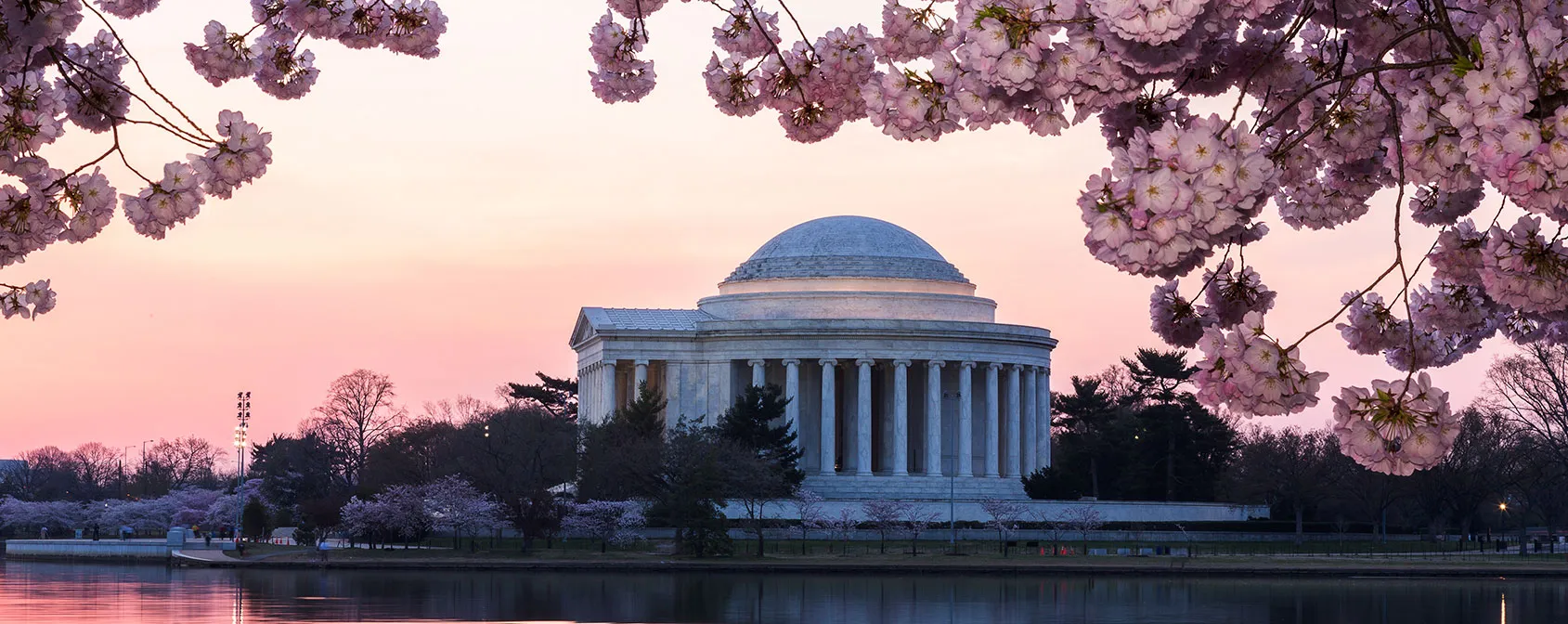
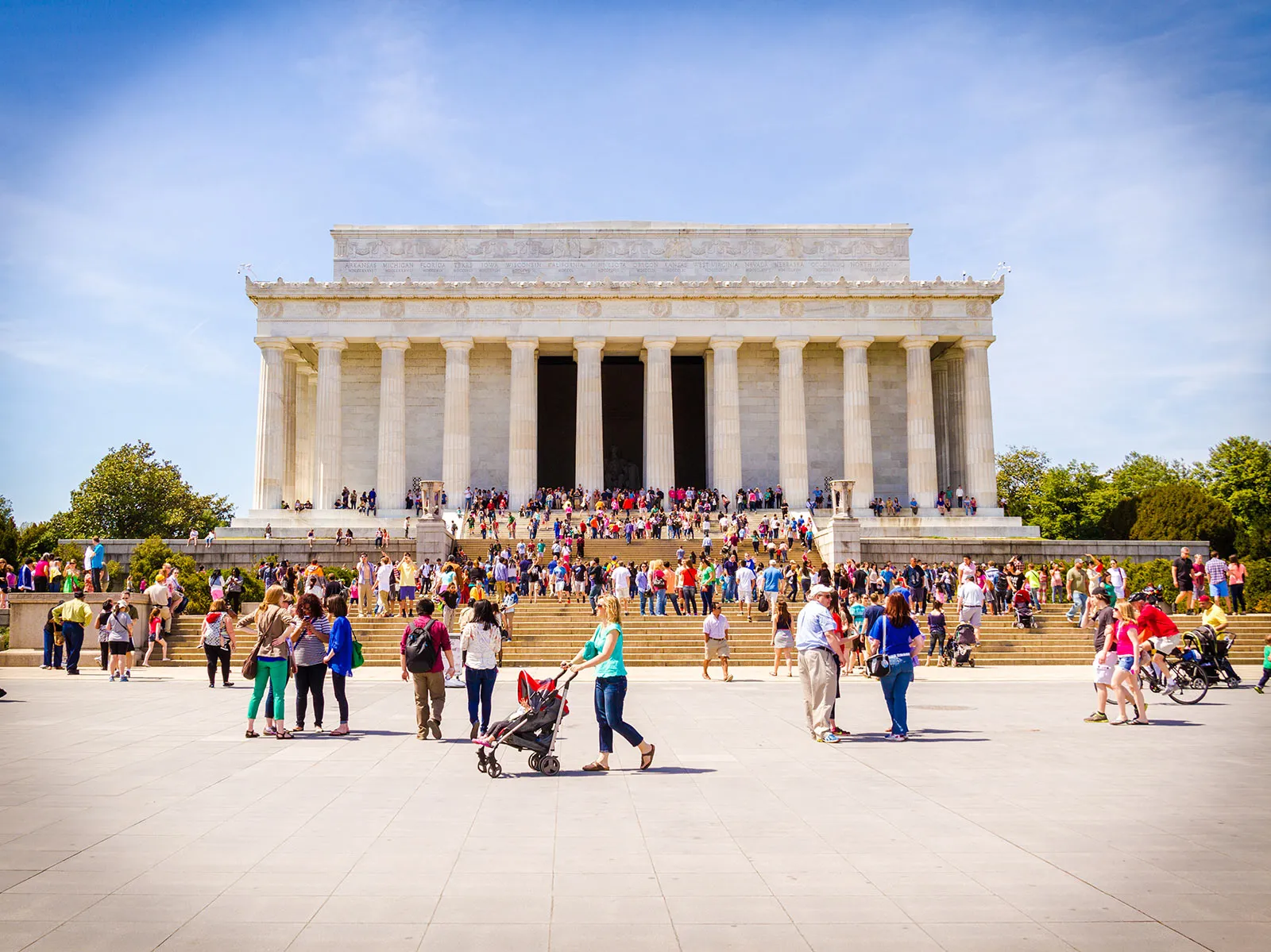
Encontre alguma coisa para fazer em cada canto e atrás de cada monumento. Passe as manhãs fazendo reflexões nos memoriais nacionais ou caminhando pelos salões do Smithsonian. Aproveite as tardes visitando pontos turísticos ou perambulando pelas lojas locais. E deixe-se envolver noite adentro em um jantar com vários pratos, uma cerveja bem gelada ou um drinque em um bar. Desfrute os prazeres que Washington, DC tem a oferecer, incluindo: Arte e cultura: além das sombras dos monumentos de Washington, DC está a fundação da cidade: arte e cultura. Entretenimento e vida noturna: a noite é sempre uma criança, e o entretenimento, sempre uma aventura. História e herança: rica em história e orgulhosa de sua herança, Washington, DC é o centro cultural dos Estados Unidos por um motivo. Monumentos e memoriais: o Memorial de Jefferson. O Memorial de Lincoln. O Monumento a Washington. Sejamos francos: você está aqui por causa dos monumentos e memoriais. Museus: a cidade inteira é uma obra de arte, mas as obras premiadas estão nos museus – que, em sua maioria, têm entrada gratuita. Recreação esportiva e ao ar livre: entre no jogo. Ou apenas relaxe e assista! Descubra o lado ativo de DC participando de um evento esportivo profissional ou andando pelas trilhas de bicicleta. Zoológicos, parques e natureza: explore Washington, DC ao ar livre. Do Zoológico Nacional, com entrada gratuita, aos vários parques existentes em toda a cidade, há muitas formas de passar o dia ao ar livre. Atrações: nem todas as atrações de DC são monumentos nacionais. De teatros históricos de artes cênicas a galerias de arte ultramodernas, sempre há mais atrações a explorar. Além disso, as melhores atrações de Washington, DC são gratuitas! Passeios e pontos turísticos: DC é repleta de história. Uma das melhores maneiras de descobri-la é fazendo um tour pela cidade. Compras: Washington, DC tem inúmeros bairros de compras, shoppings, lojas de presentes e galerias de arte esperando para serem explorados. Spas e salões: quando chega a hora de espairecer, a cidade oferece uma variedade de spas e salões, que incluem clubes esportivos e resorts luxuosos. Explore tudo o que há para fazer.
Official Visitors Guide & Request Form
Prefer to call in your order? Dial (800) 422-8644 or (202) 789-7000 To place a bulk order of Official Visitor Guides, click here. Please review the terms of Destination DC’s privacy policy. ' !function(o,t,e,a){o._aoForms=o._aoForms||[],o._aoForms.push(a);var n=function(){var o=t.createElement(e);o.src=("https:"==t.location.protocol?"https://":"http://")+"marketing.washington.org/acton/content/form_embed.js",o.async=!0;for(var a=t.getElementsByTagName(e)[0],n=a.parentNode,c=document.getElementsByTagName("script"),r=!1,s=0;s