
All Articles
Past, Present & Future: The Evolution of Washington DC's Southwest & The Wharf Neighborhood
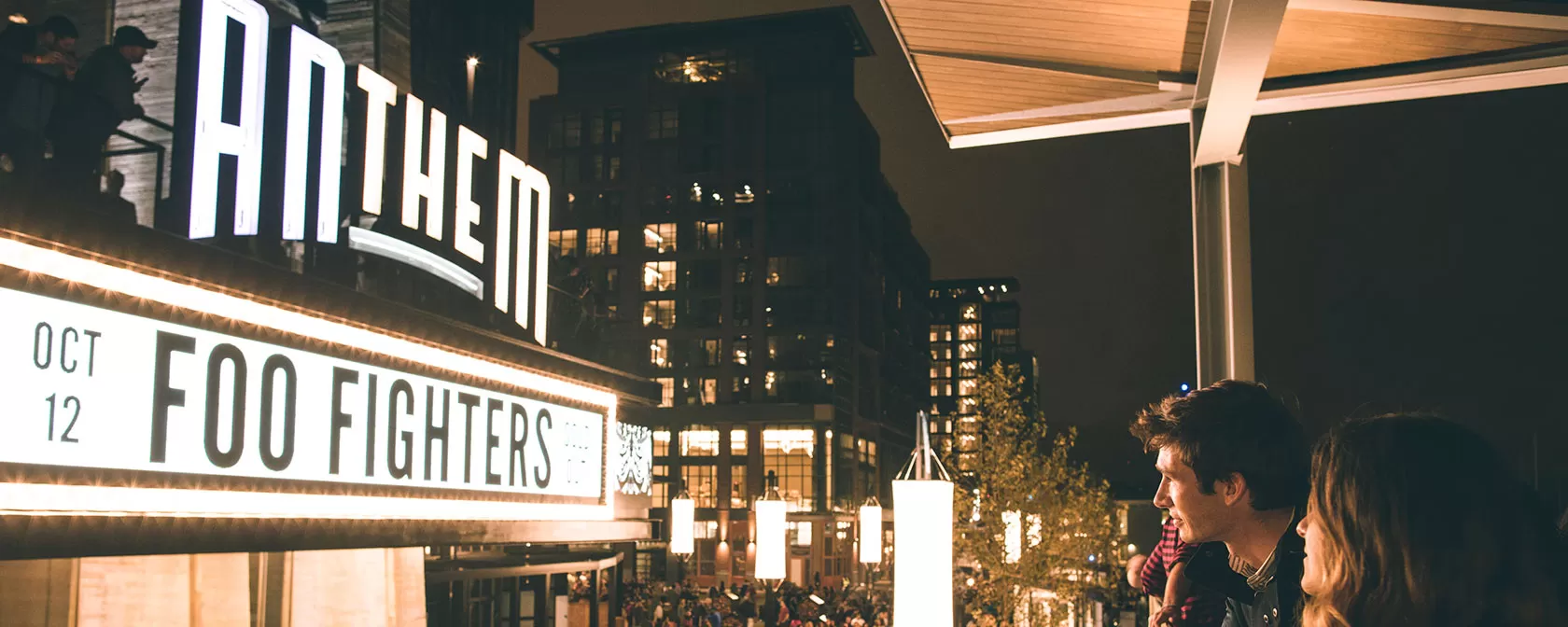
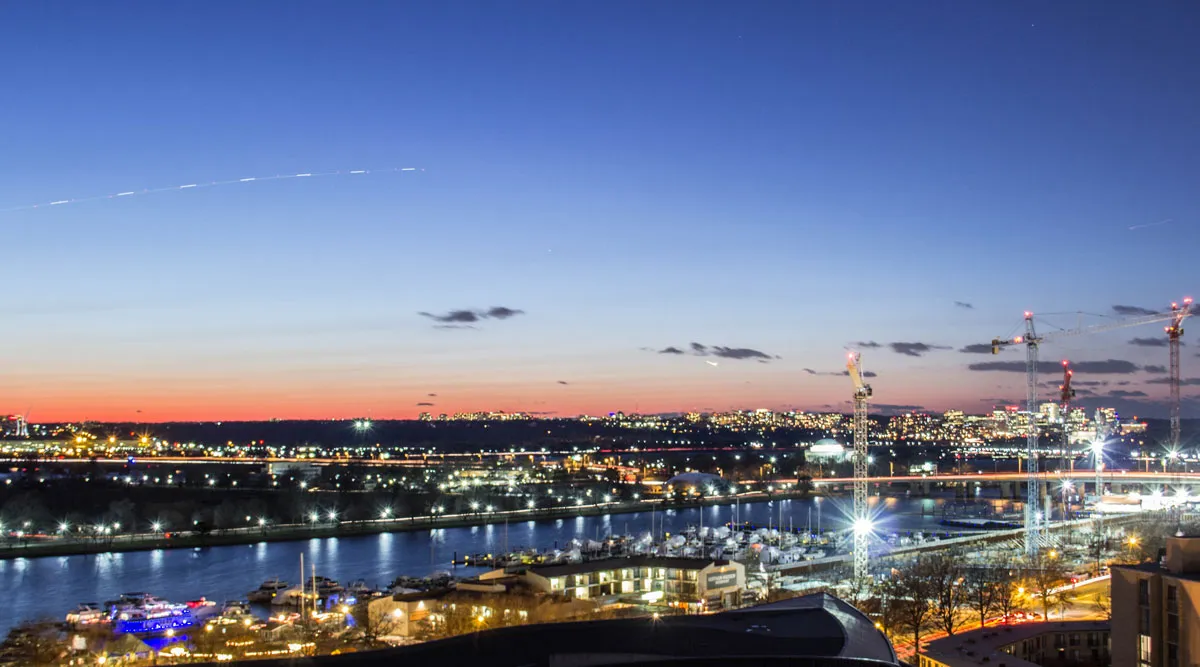
Located at the confluence of the Anacostia and Potomac Rivers, the land has been shaped and reshaped by visionaries who profited from Southwest & The Wharf’s abundant natural resources. Today, visitors have much to see and do in this unique neighborhood a few blocks from the National Mall. The Past Thousands of years ago, the earliest inhabitants of the area were Native Americans who fished, hunted and thrived on the land. The Native Americans in this region spoke the Algonquian language and were organized into chiefdoms. Native Americans remained in the area even as it was developed into the Federal City in the late 1700s. The city's first military installation, Fort Lesley McNair, an army base, was built in 1794 to defend the nation’s capital. The base remains today on 21 acres known as Greenleaf Point. From 1893 until 1902, Dr. Walter Reed studied yellow fever and other infectious diseases here. In the late 1700s, the neighborhood became a busy industrial shipyard with storage houses and outdoor markets. Fishermen sold catch directly off their boats, until 1801, when a market was established (now called the Municipal Fish Market). It remains the oldest continuously operating open-air fish market in the nation. The market’s lunch room building, where fishmongers and shoppers eat their freshly prepared seafood, was built in 1916, while the oyster shucking shed was constructed in the mid-1940s. This mostly working-class waterfront neighborhood grew slowly over the decades. By the mid-19th century, the area consisted of residential properties and federal buildings, including the U.S. Department of Agriculture and the Smithsonian museums. Scottish, Irish, German and Eastern European immigrants settled here, and the bustling waterfront community sheltered escaped slaves on the Underground Railroad. After the Civil War, free blacks moved in, along with Washington’s own U.S. Colored Troops. By the turn of the century, 4 ½ Street acted as a dividing line between African Americans living to the east, and immigrant communities to the west. They all came together to patronize the shops on 4 ½ Street SW. Two famous entertainers, Al Jolson and Marvin Gaye, lived here as children. Three houses of worship supported these communities – St. Dominic’s Catholic Church, Temple Beth Israel and Friendship Baptist Church. In the 1920s and ‘30s, the neighborhood's population had grown to 35,000 and began to suffer from overcrowding. The conditions inspired Federal and District officials to implement an “Urban Renewal” plan, and during the late 1950s, blocks of townhouses, freestanding homes and alley dwellings were razed, replacing them with more modern high rises. After that, government workers and well known politicos like Hubert Humphrey and Sandra Day O’Connor moved into the neighborhood. The Municipal Fish Market, Thomas Law House, Wheat Row, Friendship Church and St. Dominic’s Church were the only landmarks that survived the demolition. St. Dominic’s has provided spiritual comfort to many prominent Washingtonians, including President Lyndon Johnson, House Speaker Tip O’Neill, actress Helen Hayes and baseball player, Walter Johnson. The new residential buildings were hailed as an improvement, but they eliminated the street level commerce found in most thriving urban neighborhoods. In 1961, pioneers of the modern theater movement built a nonprofit theater in the neighborhood. Arena Stage—a theater-in-the-round style venue featured American plays and performances. Arena was designed by Harry Weese, the same architect who designed the DC Metro system. In 1972, the Titanic Memorial, a statue paid for by female survivors, was moved to the Washington Channel riverfront. The Present The Southwest & The Wharf is a community in transition. With the rapid changes taking place, expect to see more tourists and residents calling this area DC’s newest hot spot. That’s because of The Wharf, a $2 billion, transformative redevelopment stretching across 50 acres of water and 24 acres of land along the Potomac River. The first phase of The Wharf opened in October 2017. City Cruises by Hornblower offers sightseeing boat tours daily – both the Odyssey or Spirit of Washington – viewing the memorials and monuments from the perspective of the water. Cantina Marina is the District’s only dock bar with waterfront dining. East Potomac Park, one of DC’s many parks, hosts an 18-hole golf course, the East Potomac Aquatic Center and the East Potomac Tennis Center, making it a recreational haven in the urban landscape. Arena Stage’s stunning renovation has enhanced its place as the cultural anchor of the neighborhood. It remains a vibrant home for showcasing stories about the American experience, both past and present. The Mead Center at Arena Stage has three stages and a cafe within the complex. Another site of note is Benjamin Banneker Park Circle, near L’Enfant Plaza. The circle was built upon an overlook where the African American surveyor, also a self-taught astronomer and mathematician, made calculations to determine Washington, DC’s future boundaries. The historic Municipal Fish Market is still the center of waterfront commerce in the nation’s capital, as it has been since before the Civil War. Today, the market is surrounded by construction cranes, as it continues to welcome locals and visitors who wish to sample fresh seafood from the Mid-Atlantic waters, such as blue crabs, oysters and rockfish. Check out the market vendors for made-to-order crabcakes, oyster po’ boys and fish tacos. The Future The Wharf redevelopment will be unveiled in two phases. Phase I opened in October of 2017, transforming The Wharf into an exciting urban waterfront environment. There will be waterfront parks, promenades, piers and docks available for use by the public. Phase I includes three hotels – Canopy by Hilton, Hyatt House and the luxury InterContinental Hotel. The Anthem, a 6,000-person capacity concert hall and event meeting venue which will attract thousands of visitors monthly. The Wharf will also have ground-floor shops and restaurants. Most of the eateries will possess deep roots in DC’s growing restaurant scene. Expect to more than 20 restaurants, including Fabio Trabocchi’s Del Mar, Rappahannock Oyster Bar, Dolcezza, Taylor Gourmet and Hank’s Oyster Bar. Well known chefs like Mike Isabella plan to debut new concept restaurants here as well. The Fish Market will remain an integral partner in the community, especially as it offers new amenities and an enhanced environment for dining and shopping. The Wharf will encompass more than 10 acres of public parks and four new public piers, reconnecting residents to their waterfront with panoramic views. There will be a free kayak and paddleboard launch, sailing center, ferry to East Potomac Park and water taxi service to other regional waterfront areas, such as sightseeing cruises. The Wharf is designed to be pedestrian friendly, and include a dedicated bike path. When complete, the transformation of Southwest & The Wharf will showcase a sparkling blend of cultural, recreational, retail and dining experiences for both residents and visitors to enjoy. As The Wharf grows and changes, it’s worth investigating what’s happening in the neighborhood now. Stop at the Municipal Fish Market for local seafood, catch a show at Arena Stage before the sun sets over the Washington Channel. Check out these and more things to do right now in Southwest & The Wharf. Now that you have read up on Southwest & The Wharf, check out other DC neighborhoods.
Pixie Windsor of Miss Pixie’s On Her Favorite Finds in Logan Circle
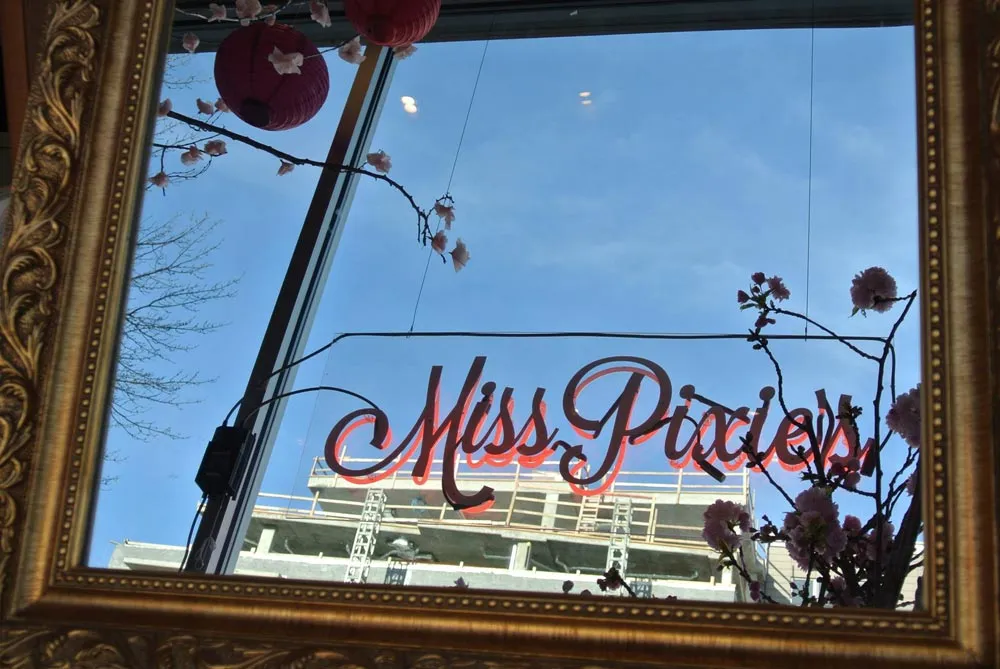
Pixie Windsor (just Miss Pixie to her many friends) has been selling mid-century lounge chairs, 1940s art deco tables and groovy artwork at Miss Pixie’s Furnishings & Whatnot on Logan Circle’s 14th Street since 2008, and dealing in stylish vintage wares in DC since the 1990s. So where does she like to hang in her work neighborhood? What draws people to your store? It’s about useful home furnishings — lamps, chairs, outdoor furniture. But it’s also about having fun. We love wacky colors — hot pink nightstands, lemon yellow lawn furniture. What do you like about being in Logan Circle? It’s very densely populated, so there’s tons and tons of foot traffic. People come to go out to dinner, to shop and it’s bustling all the time. I like that it’s constantly changing, and that new things are always popping up. Do you shop anywhere else in the ‘hood besides your own store? Even though I own a furniture store, I buy all my sofas at Mitchell Gold + Bob Williams. Their stuff has good lines, and the showroom is in a historic building. The neighborhood is loaded with restaurants. Which ones are your favorites? I love Café Saint-Ex and Bar Pilar. They’ve been here forever, and they really are the heart of the city. I like to sit outside on the patio at Saint-Ex and watch the people go by. And when I’m at the store, I love to run next door to Sette Osteria. They have great flatbreads. I always get the chicken with artichoke. And Rice [a sleek Thai food spot] is always dependable and delicious. Anywhere else you love to chow down? I love Pearl Dive — it’s great Southern food, and the staff is always nice. Their biscuits are great and I like their oysters. Plus it’s got great atmosphere. Where do you head when you want a drink? I love The Left Door, which is a secret little speakeasy. You literally just go through one door, and there’s a bar upstairs. It’s cute, out of the way and cozy. I also like Sotto. They have both good soul food and there’s often a tiny jazz quartet. It’s literally so dark you’ll have to bring a flashlight, though! Still hungry after reading about all the places to chow down in Logan Circle? Explore even more dining options in the District.
Planning Tips and Helpful Hints
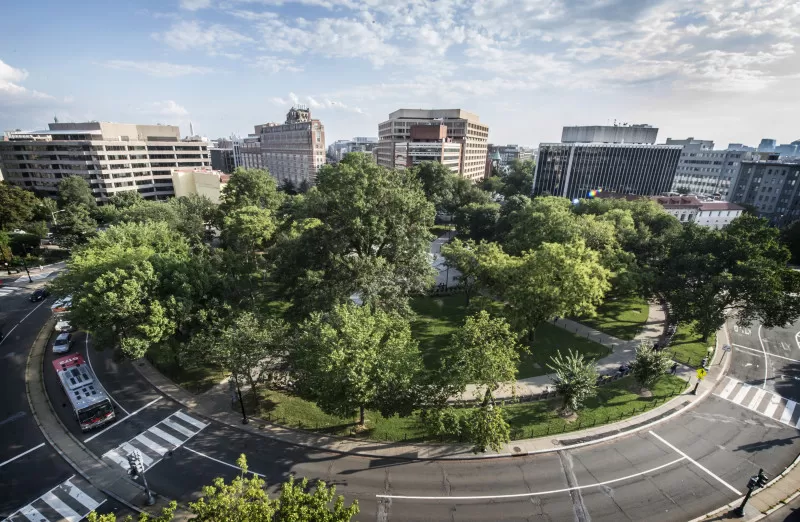
Touring the White House Contact your congressional representative (house.gov) or your senator (senate.gov) at least two months prior to your arrival to arrange a free, self-guided tour. Touring the Capitol Advance reservations are strongly suggested for U.S. Capitol tours, which tend to fill up quickly. Go to visitthecapitol.gov to book a free guided tour. If Congress is in session during your visit, you may be able to obtain gallery passes to the House or Senate chamber. You can also contact your congressional representative or senator directly. Many offices offer staff-led tours for groups of up to 15 people. Reserve in advance Tickets to some of the city’s most popular ticketed attractions like the Washington Monument, International Spy Museum, the Newseum, Bureau of Engraving and Printing and the U.S. Holocaust Memorial Museum can be arranged in advance. Log on to see what's going on Want to know what’s going on in the city during your visit? Check out our comprehensive Calendar of Events. You can also check dcconvention.com to learn when major meetings and conventions are happening in the city. Budget Tips Groups generally find the best hotel rates on weekends and in late summer and winter. If your dates are flexible, let us help you find a time that works best for your budget. And remember, most of DC’s most famous attractions are free. Tour at "off-peak" hours Check for special early openings or extended evening hours at select museums (often seasonal). DC’s beautiful monuments and memorials are open 24 hours. Visit them at dawn or at night when they are illuminated for a truly inspiring experience. Beautiful views The Washington Monument isn’t the only place to take your group for a picture perfect view of the city. Cross the Potomac River to the U.S. Marines Memorial at Iwo Jima for another breathtaking cityscape. Head to the Frederick Douglass House in Anacostia to see the city from a different angle. See the city from a new view From segways to “DC Ducks,” DC offers numerous group tours with a special spin. For foodies, check out DC Metro Food Tours. Culture vultures may want to explore Cultural Tourism DC’s Neighborhood Heritage Trail, while fans of espionage line up for the International Spy Museum’s Spy in the City Tours. Answers to common visitor inquiries can be found here. If you have additional questions, call 1-800-422-8644 or send an email to info@washington.org.