
All Articles

QA Test Automated cron Article sync 1
As you return to traveling this year, Washington, DC should be at the very top of your list. The nation’s capital offers more than 100 free things to do, but it should come as no surprise that museums are some of the most popular attractions. We’ve gone into deep detail on four of the city’s most popular museums (including one dedicated to living animals), none of which charge admission. Find the latest updates on visiting museums, including Smithsonian's plans to have all of its museums open by the end of August 2021, mask mandates for all indoor museums and the latest ticketing requirements. Book your next vacation to the nation’s capital and visit these only-in-the-District museums, free of charge. In the heart of the nation’s capital lives a portal to wildlife from around the world. Smithsonian’s National Zoo offers a firsthand, family-friendly experience through a 163-acre urban park in the Woodley Park neighborhood teeming with roughly 2,700 animals that represent more than 390 species. The zoo is also connected to the Smithsonian Conservation Biology Institute (a non-public facility located in Front Royal, Va.), a global effort to conserve species and train future conservationists. This focus on preserving endangered animals extends to the zoo, as one-fifth of its exhibited species fall into this category. In the heart of the nation’s capital lives a portal to wildlife from around the world. Smithsonian’s National Zoo offers a firsthand, family-friendly experience through a 163-acre urban park in the Woodley Park neighborhood teeming with roughly 2,700 animals that represent more than 390 species. The zoo is also connected to the Smithsonian Conservation Biology Institute (a non-public facility located in Front Royal, Va.), a global effort to conserve species and train future conservationists. This focus on preserving endangered animals extends to the zoo, as one-fifth of its exhibited species fall into this category. In the heart of the nation’s capital lives a portal to wildlife from around the world. Smithsonian’s National Zoo offers a firsthand, family-friendly experience through a 163-acre urban park in the Woodley Park neighborhood teeming with roughly 2,700 animals that represent more than 390 species. The zoo is also connected to the Smithsonian Conservation Biology Institute (a non-public facility located in Front Royal, Va.), a global effort to conserve species and train future conservationists. This focus on preserving endangered animals extends to the zoo, as one-fifth of its exhibited species fall into this category. In the heart of the nation’s capital lives a portal to wildlife from around the world. Smithsonian’s National Zoo offers a firsthand, family-friendly experience through a 163-acre urban park in the Woodley Park neighborhood teeming with roughly 2,700 animals that represent more than 390 species. The zoo is also connected to the Smithsonian Conservation Biology Institute (a non-public facility located in Front Royal, Va.), a global effort to conserve species and train future conservationists. This focus on preserving endangered animals extends to the zoo, as one-fifth of its exhibited species fall into this category. In the heart of the nation’s capital lives a portal to wildlife from around the world. Smithsonian’s National Zoo offers a firsthand, family-friendly experience through a 163-acre urban park in the Woodley Park neighborhood teeming with roughly 2,700 animals that represent more than 390 species. The zoo is also connected to the Smithsonian Conservation Biology Institute (a non-public facility located in Front Royal, Va.), a global effort to conserve species and train future conservationists. This focus on preserving endangered animals extends to the zoo, as one-fifth of its exhibited species fall into this category. In the heart of the nation’s capital lives a portal to wildlife from around the world. Smithsonian’s National Zoo offers a firsthand, family-friendly experience through a 163-acre urban park in the Woodley Park neighborhood teeming with roughly 2,700 animals that represent more than 390 species. The zoo is also connected to the Smithsonian Conservation Biology Institute (a non-public facility located in Front Royal, Va.), a global effort to conserve species and train future conservationists. This focus on preserving endangered animals extends to the zoo, as one-fifth of its exhibited species fall into this category. In the heart of the nation’s capital lives a portal to wildlife from around the world. Smithsonian’s National Zoo offers a firsthand, family-friendly experience through a 163-acre urban park in the Woodley Park neighborhood teeming with roughly 2,700 animals that represent more than 390 species. The zoo is also connected to the Smithsonian Conservation Biology Institute (a non-public facility located in Front Royal, Va.), a global effort to conserve species and train future conservationists. This focus on preserving endangered animals extends to the zoo, as one-fifth of its exhibited species fall into this category. In the heart of the nation’s capital lives a portal to wildlife from around the world. Smithsonian’s National Zoo offers a firsthand, family-friendly experience through a 163-acre urban park in the Woodley Park neighborhood teeming with roughly 2,700 animals that represent more than 390 species. The zoo is also connected to the Smithsonian Conservation Biology Institute (a non-public facility located in Front Royal, Va.), a global effort to conserve species and train future conservationists. This focus on preserving endangered animals extends to the zoo, as one-fifth of its exhibited species fall into this category. In the heart of the nation’s capital lives a portal to wildlife from around the world. Smithsonian’s National Zoo offers a firsthand, family-friendly experience through a 163-acre urban park in the Woodley Park neighborhood teeming with roughly 2,700 animals that represent more than 390 species. The zoo is also connected to the Smithsonian Conservation Biology Institute (a non-public facility located in Front Royal, Va.), a global effort to conserve species and train future conservationists. This focus on preserving endangered animals extends to the zoo, as one-fifth of its exhibited species fall into this category. In the heart of the nation’s capital lives a portal to wildlife from around the world. Smithsonian’s National Zoo offers a firsthand, family-friendly experience through a 163-acre urban park in the Woodley Park neighborhood teeming with roughly 2,700 animals that represent more than 390 species. The zoo is also connected to the Smithsonian Conservation Biology Institute (a non-public facility located in Front Royal, Va.), a global effort to conserve species and train future conservationists. This focus on preserving endangered animals extends to the zoo, as one-fifth of its exhibited species fall into this category. In the heart of the nation’s capital lives a portal to wildlife from around the world. Smithsonian’s National Zoo offers a firsthand, family-friendly experience through a 163-acre urban park in the Woodley Park neighborhood teeming with roughly 2,700 animals that represent more than 390 species. The zoo is also connected to the Smithsonian Conservation Biology Institute (a non-public facility located in Front Royal, Va.), a global effort to conserve species and train future conservationists. This focus on preserving endangered animals extends to the zoo, as one-fifth of its exhibited species fall into this category. In the heart of the nation’s capital lives a portal to wildlife from around the world. Smithsonian’s National Zoo offers a firsthand, family-friendly experience through a 163-acre urban park in the Woodley Park neighborhood teeming with roughly 2,700 animals that represent more than 390 species. The zoo is also connected to the Smithsonian Conservation Biology Institute (a non-public facility located in Front Royal, Va.), a global effort to conserve species and train future conservationists. This focus on preserving endangered animals extends to the zoo, as one-fifth of its exhibited species fall into this category. In the heart of the nation’s capital lives a portal to wildlife from around the world. Smithsonian’s National Zoo offers a firsthand, family-friendly experience through a 163-acre urban park in the Woodley Park neighborhood teeming with roughly 2,700 animals that represent more than 390 species. The zoo is also connected to the Smithsonian Conservation Biology Institute (a non-public facility located in Front Royal, Va.), a global effort to conserve species and train future conservationists. This focus on preserving endangered animals extends to the zoo, as one-fifth of its exhibited species fall into this category. In the heart of the nation’s capital lives a portal to wildlife from around the world. Smithsonian’s National Zoo offers a firsthand, family-friendly experience through a 163-acre urban park in the Woodley Park neighborhood teeming with roughly 2,700 animals that represent more than 390 species. The zoo is also connected to the Smithsonian Conservation Biology Institute (a non-public facility located in Front Royal, Va.), a global effort to conserve species and train future conservationists. This focus on preserving endangered animals extends to the zoo, as one-fifth of its exhibited species fall into this category. In the heart of the nation’s capital lives a portal to wildlife from around the world. Smithsonian’s National Zoo offers a firsthand, family-friendly experience through a 163-acre urban park in the Woodley Park neighborhood teeming with roughly 2,700 animals that represent more than 390 species. The zoo is also connected to the Smithsonian Conservation Biology Institute (a non-public facility located in Front Royal, Va.), a global effort to conserve species and train future conservationists. This focus on preserving endangered animals extends to the zoo, as one-fifth of its exhibited species fall into this category. In the heart of the nation’s capital lives a portal to wildlife from around the world. Smithsonian’s National Zoo offers a firsthand, family-friendly experience through a 163-acre urban park in the Woodley Park neighborhood teeming with roughly 2,700 animals that represent more than 390 species. The zoo is also connected to the Smithsonian Conservation Biology Institute (a non-public facility located in Front Royal, Va.), a global effort to conserve species and train future conservationists. This focus on preserving endangered animals extends to the zoo, as one-fifth of its exhibited species fall into this category. In the heart of the nation’s capital lives a portal to wildlife from around the world. Smithsonian’s National Zoo offers a firsthand, family-friendly experience through a 163-acre urban park in the Woodley Park neighborhood teeming with roughly 2,700 animals that represent more than 390 species. The zoo is also connected to the Smithsonian Conservation Biology Institute (a non-public facility located in Front Royal, Va.), a global effort to conserve species and train future conservationists. This focus on preserving endangered animals extends to the zoo, as one-fifth of its exhibited species fall into this category. In the heart of the nation’s capital lives a portal to wildlife from around the world. Smithsonian’s National Zoo offers a firsthand, family-friendly experience through a 163-acre urban park in the Woodley Park neighborhood teeming with roughly 2,700 animals that represent more than 390 species. The zoo is also connected to the Smithsonian Conservation Biology Institute (a non-public facility located in Front Royal, Va.), a global effort to conserve species and train future conservationists. This focus on preserving endangered animals extends to the zoo, as one-fifth of its exhibited species fall into this category. In the heart of the nation’s capital lives a portal to wildlife from around the world. Smithsonian’s National Zoo offers a firsthand, family-friendly experience through a 163-acre urban park in the Woodley Park neighborhood teeming with roughly 2,700 animals that represent more than 390 species. The zoo is also connected to the Smithsonian Conservation Biology Institute (a non-public facility located in Front Royal, Va.), a global effort to conserve species and train future conservationists. This focus on preserving endangered animals extends to the zoo, as one-fifth of its exhibited species fall into this category. In the heart of the nation’s capital lives a portal to wildlife from around the world. Smithsonian’s National Zoo offers a firsthand, family-friendly experience through a 163-acre urban park in the Woodley Park neighborhood teeming with roughly 2,700 animals that represent more than 390 species. The zoo is also connected to the Smithsonian Conservation Biology Institute (a non-public facility located in Front Royal, Va.), a global effort to conserve species and train future conservationists. This focus on preserving endangered animals extends to the zoo, as one-fifth of its exhibited species fall into this category. In the heart of the nation’s capital lives a portal to wildlife from around the world. Smithsonian’s National Zoo offers a firsthand, family-friendly experience through a 163-acre urban park in the Woodley Park neighborhood teeming with roughly 2,700 animals that represent more than 390 species. The zoo is also connected to the Smithsonian Conservation Biology Institute (a non-public facility located in Front Royal, Va.), a global effort to conserve species and train future conservationists. This focus on preserving endangered animals extends to the zoo, as one-fifth of its exhibited species fall into this category. In the heart of the nation’s capital lives a portal to wildlife from around the world. Smithsonian’s National Zoo offers a firsthand, family-friendly experience through a 163-acre urban park in the Woodley Park neighborhood teeming with roughly 2,700 animals that represent more than 390 species. The zoo is also connected to the Smithsonian Conservation Biology Institute (a non-public facility located in Front Royal, Va.), a global effort to conserve species and train future conservationists. This focus on preserving endangered animals extends to the zoo, as one-fifth of its exhibited species fall into this category. In the heart of the nation’s capital lives a portal to wildlife from around the world. Smithsonian’s National Zoo offers a firsthand, family-friendly experience through a 163-acre urban park in the Woodley Park neighborhood teeming with roughly 2,700 animals that represent more than 390 species. The zoo is also connected to the Smithsonian Conservation Biology Institute (a non-public facility located in Front Royal, Va.), a global effort to conserve species and train future conservationists. This focus on preserving endangered animals extends to the zoo, as one-fifth of its exhibited species fall into this category.
Qué hacer
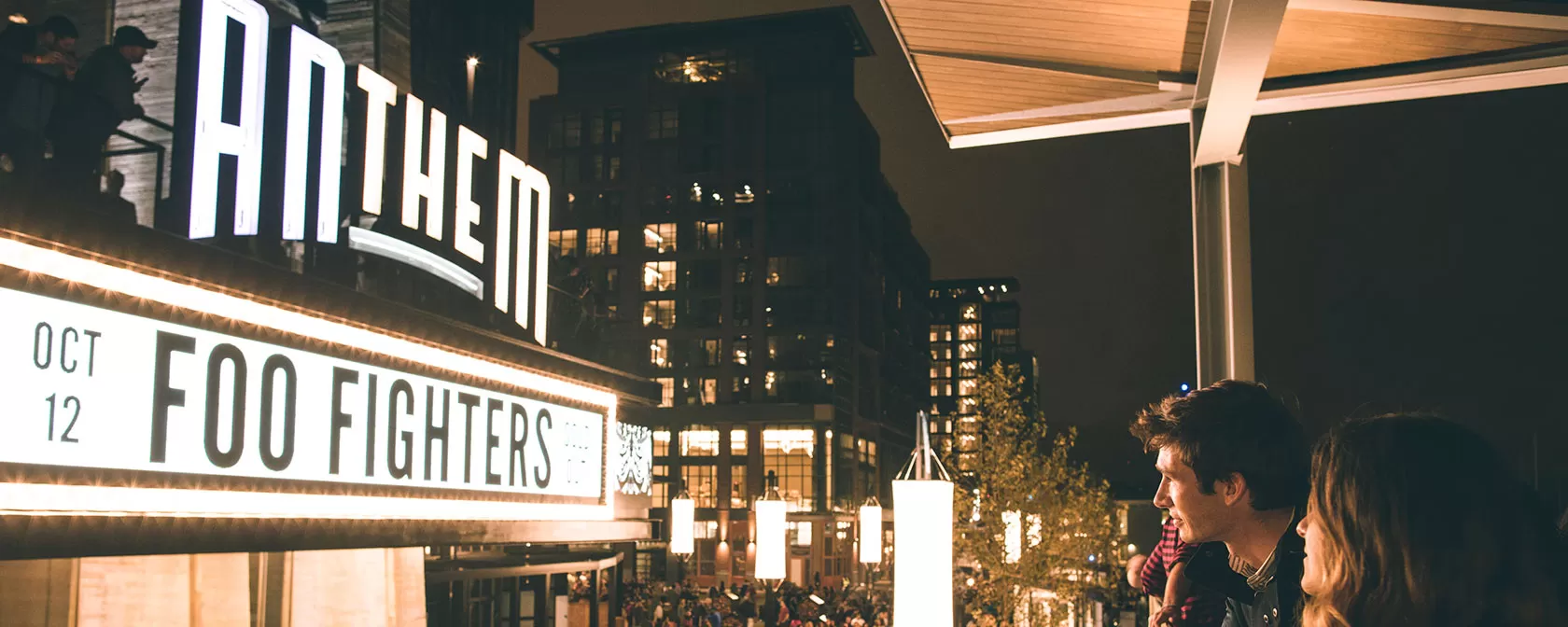
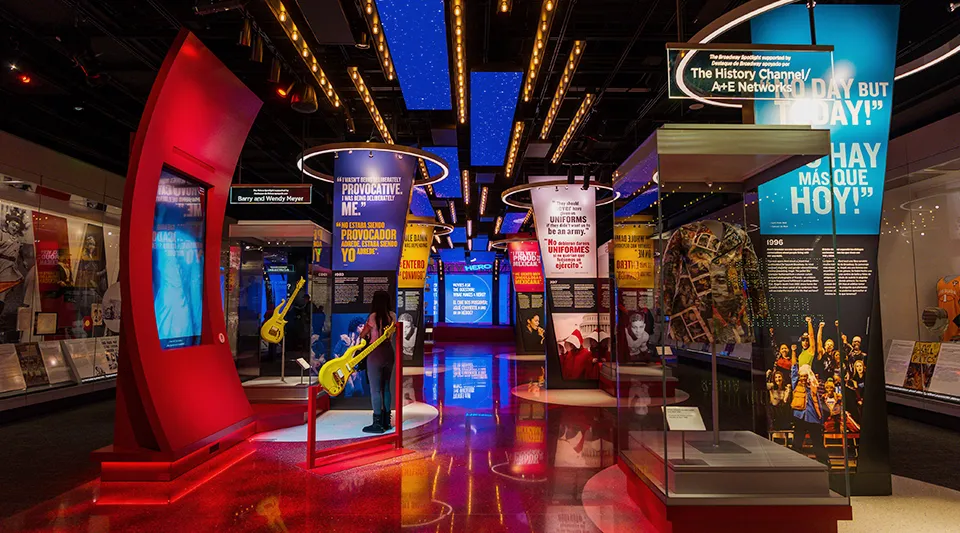
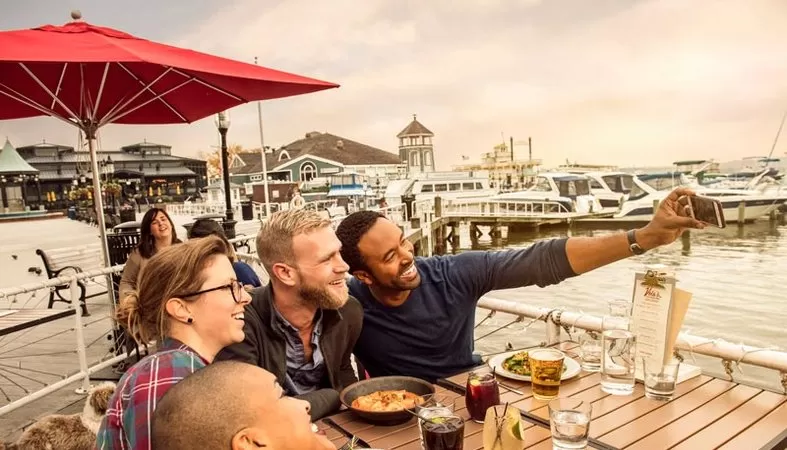
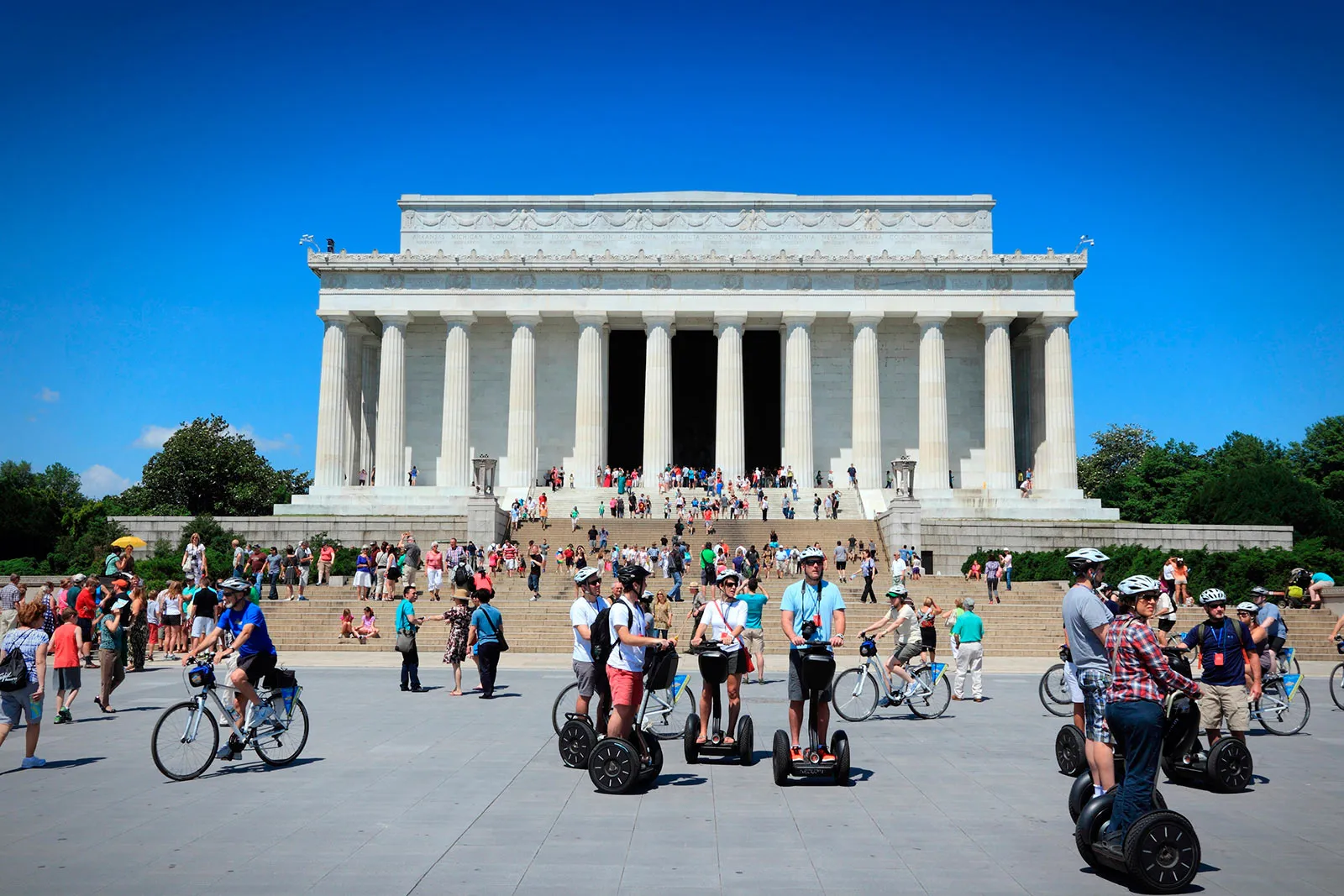
Encuentra algo que hacer a la vuelta de cada esquina y detrás de cada monumento. Pasa las mañanas reflexionando en los monumentos conmemorativos nacionales o paseando por los pabellones de los museos smithsonianos. Disfruta de las tardes realizando visitas turísticas o explorando los comercios locales. Y celebra la noche ante un menú de varios platos, una cerveza helada o una copa en un bar de cócteles. Deléitate con todo lo que Washington, DC tiene que ofrecer, lo que incluye: Arte y cultura. Tras la sombra de los monumentos de Washington se encuentran los cimientos de la ciudad: el arte y la cultura. Entretenimiento y vida nocturna. La noche siempre es joven, y el entretenimiento siempre es una aventura. Historia y patrimonio. Washington, DC es rica en historia y está orgullosa de su patrimonio; por algo es el centro cultural de los Estados Unidos. Estatuas y monumentos conmemorativos. El Monumento a Thomas Jefferson. El Monumento a Lincoln. El Monumento a Washington. Admitámoslo: has venido aquí por la atracción de los famosos monumentos y las obras escultóricas. Museos. Toda la ciudad es una obra de arte, aunque las obras más preciadas están en los museos (la mayoría de ellos de entrada gratuita). Deportes y actividades al aire libre. Participa en los deportes. O simplemente ¡relájate viéndolos! Descubre el lado activo de Washington, DC disfrutando de un evento deportivo profesional o sacándole partido al carril bici. Zoológicos, parques y naturaleza. Goza de la ciudad al aire libre. Hay muchos sitios para pasar el día al aire libre, desde el Zoológico Nacional de acceso gratuito a los numerosos parques distribuidos por la ciudad. Atracciones turísticas. No todas las atracciones de Washington son monumentos nacionales. Siempre hay más atracciones que explorar, desde los teatros históricos para las artes escénicas hasta las galerías de arte ultramodernas. Y, además, ¡algunas de las mejores son gratis! Visitas turísticas. Washington está llena de historia. Una de las mejores formas de descubrirla es realizando un recorrido por la ciudad. Compras. Washington, DC posee múltiples centros comerciales, tiendas de regalos y galerías de arte que están esperando que los explores. Spas y salones de belleza. Cuando llega el momento de desconectar, la ciudad ofrece una amplia variedad de spas y salones de belleza, además de centros deportivos y resorts de lujo. Explora nuestros barrios para averiguar qué zona de Washington es la quemás te gusta. Explora todo lo que se puede hacer.
Questions fréquentes: Comment visiter le Capitole et assister à une séance du Congrès?
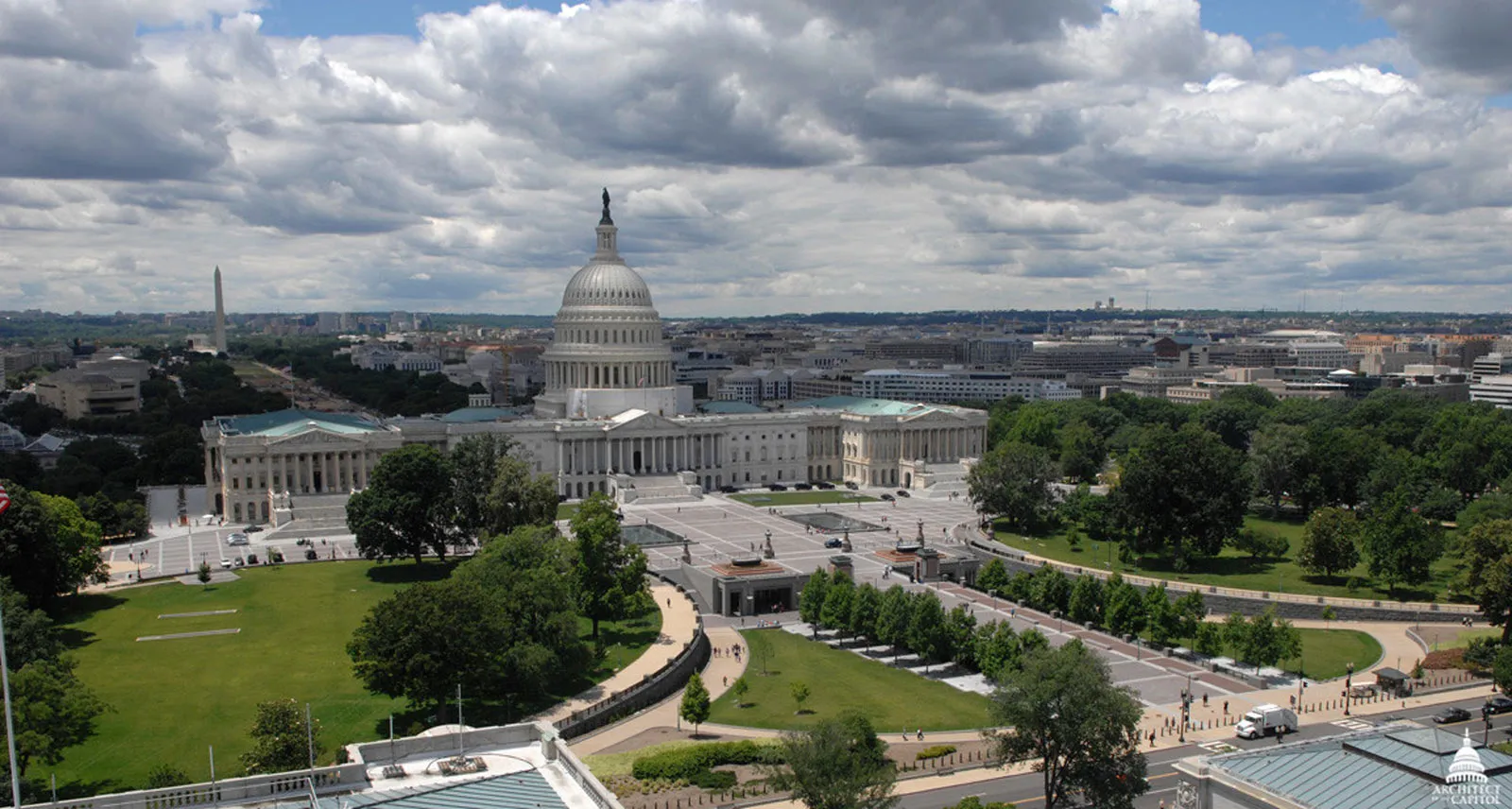
Le Capitole des États-Unis est l’un des bâtiments les plus reconnaissables au monde. Sa construction s’est effectuée parallèlement à la croissance de la nation. Le bâtiment emblématique du Capitole demeure un espace en évolution constante, où les visiteurs peuvent observer la démocratie en pleine action. Actuellement, certaines parties du bâtiment, dont le dôme, sont en cours de restauration. Comment participer à une visite guidée? Planifiez votre visite bien à l’avance. La visite publique du Capitole des États-Unis est gratuite et ouverte à toute personne réservant sa place à l’avance, bien qu’il soit possible d’obtenir des billets pour le jour même en faisant la queue au centre d’accueil des visiteurs du Capitole (attendez-vous à de longues queues au printemps et en été). La visite comprend une vidéo de présentation d’une durée de 13 minutes intitulée « Out of Many, One » (L’unité à partir de la pluralité). Après le film, une visite guidée du Capitole est proposée. Les visites ont lieu du lundi au samedi, de 8 h 30 à 16 h 30. La visite guidée proposée par le centre d’accueil des visiteurs de la Maison Blanche n’inclut ni les galeries, ni l’accès à une séance du Congrès. Les touristes du monde entier peuvent demander comment obtenir l’accès aux galeries au bureau des services aux visiteurs de la Chambre des représentants ou du Sénat à l’étage supérieur du centre d’accueil des visiteurs du Capitole. La Galerie de la Chambre des représentants est fermée pendant les fêtes et les jours fériés, mais les visiteurs en possession d’un pass peuvent y accéder de 9 h 00 à 16 h 15. La Galerie du Sénat est ouverte pendant les pauses prévues ; elle est fermée le week-end et les jours fériés, sauf lorsque le Sénat est en session. Dans la plupart des bureaux du Congrès, des coordinateurs et autres administrateurs sont chargés d’organiser les visites de la Maison Blanche, du siège du Département d'État et du Capitole des États-Unis. Il se peut que les galeries soient désertes au moment de votre visite, mais vous aurez peut-être la chance d’y voir des membres travaillant à un projet législatif. Conseil de connaisseur : Lorsque vous cherchez à vous rendre dans les galeries, ou pour tout renseignement, adressez-vous aux membres du personnel ou « staffers ». Vêtus d’une veste rouge, ils sont là pour venir en aide aux visiteurs. Comment se déroule la visite? L’entrée principale du Capitole des États-Unis se trouve sous East Front Plaza, à l’angle de First Street et d’East Capitol Street. Vous devrez passer par un poste de sécurité qui filtre les éléments interdits tels que la nourriture, les bombes aérosols et les armes en tout genre. Pour obtenir des informations plus détaillées, consultez le site Internet. La visite publique comprend un arrêt à la rotonde du Capitole, où les guides vous indiqueront le point central du district de Columbia et vous montreront l’effet acoustique unique qui s’opère lorsqu’un locuteur situé à plusieurs mètres peut être entendu plus clairement qu’un autre situé à côté de l’auditeur. Le dôme du Capitole est ceint de peintures murales ; la fresque ornant la coupole, intitulée L’Apothéose de Washington, représente le président Washington s’élevant vers les cieux de manière triomphale, escorté par la Liberté et la Victoire/Gloire. En dessous, sur les murs de la rotonde, de grands tableaux décrivent des événements importants de l’histoire américaine : La Signature de la Déclaration d’indépendance, Le Baptême de Pocahontas, L’Embarquement des Pèlerins, L’Arrivée de Christophe Colomb et Le général George Washington remettant sa démission. La visite qui se fait à pied, d’une durée de 45 minutes, comprend d’autres arrêts dont la crypte, le National Statuary Hall et certains couloirs d’accès du Capitole des États-Unis, dans lesquels vous verrez des statues représentant chaque État, désormais au nombre de 100. En plus de la visite standard, il existe des visites spéciales organisées autour d’un thème particulier, telles que la « Visite Brumidi » au cours de laquelle les visiteurs en apprendront davantage sur l’auteur des riches peintures ornant les murs et les plafonds du premier étage de l’aile du Sénat (et de la rotonde), ou l’exposé de 15 minutes intitulé « Des pétitions à la politique : la lutte des femmes pour les droits civiques ». Fait insolite: le Statuary Hall regroupe 38 statues, dont la plus grande est celle du roi Kamehameha de Hawaï, et, à l’heure actuelle, seulement neuf d’entre elles sont des statues de femmes. Que trouve-t-on au centre d’accueil des visiteurs du Capitole? Vous trouverez une cafétéria et une boutique de souvenirs au centre d’accueil des visiteurs. La boutique propose des articles s’inspirant de l’art et de l’architecture du Capitole. Le restaurant est ouvert du lundi au samedi de 8 h 30 à 11 h 00 pour le petit-déjeuner et de 11 h 00à 16 h 00 pour le déjeuner. Si vous n’avez pas imprimé votre bon de réservation pour la visite, apportez avec vous le numéro qui vous a été attribué. Des audioguides en plusieurs langues sont mis gratuitement à la disposition des visiteurs du monde entier. Pour plus de renseignements, consultez notre Guide pour les visiteurs du Capitole des États-Unis.