
Places To Eat
Cedric Maupillier Dishes on His French-American Mash Up in Shaw
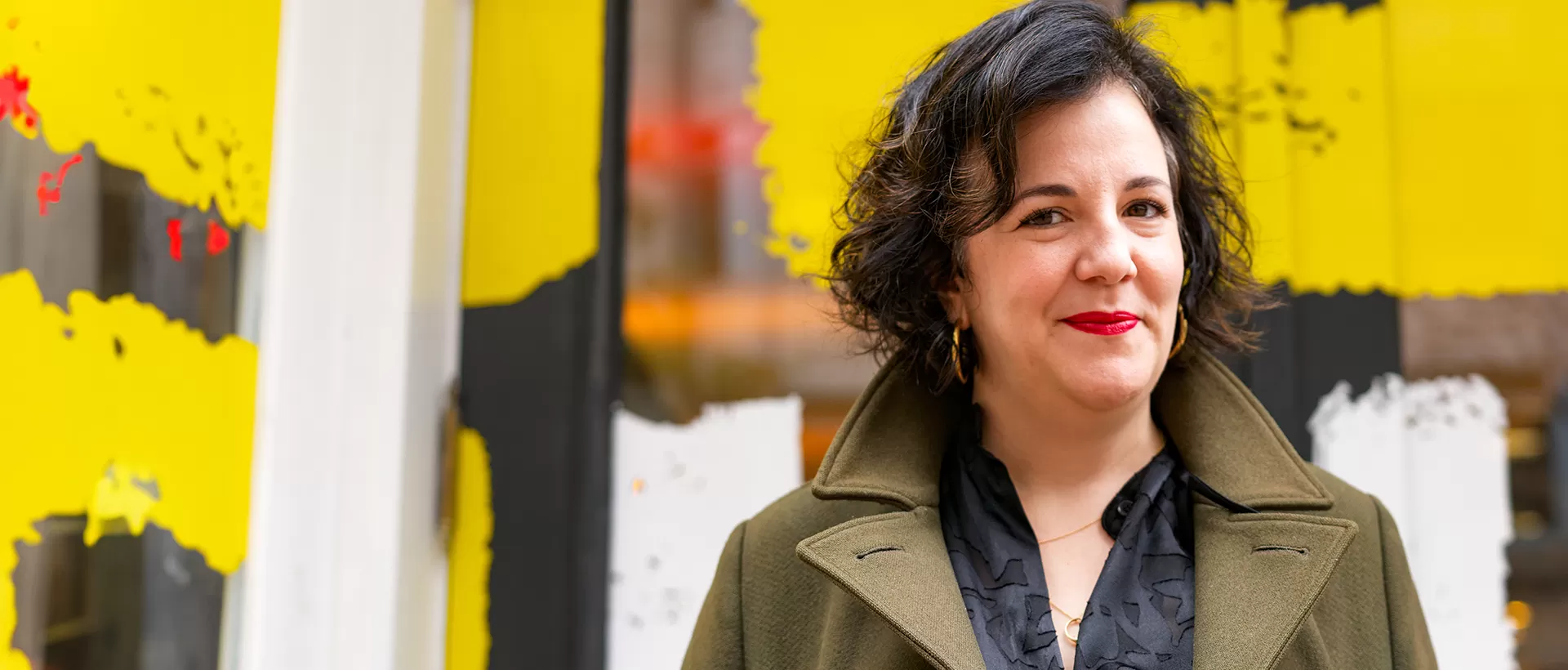
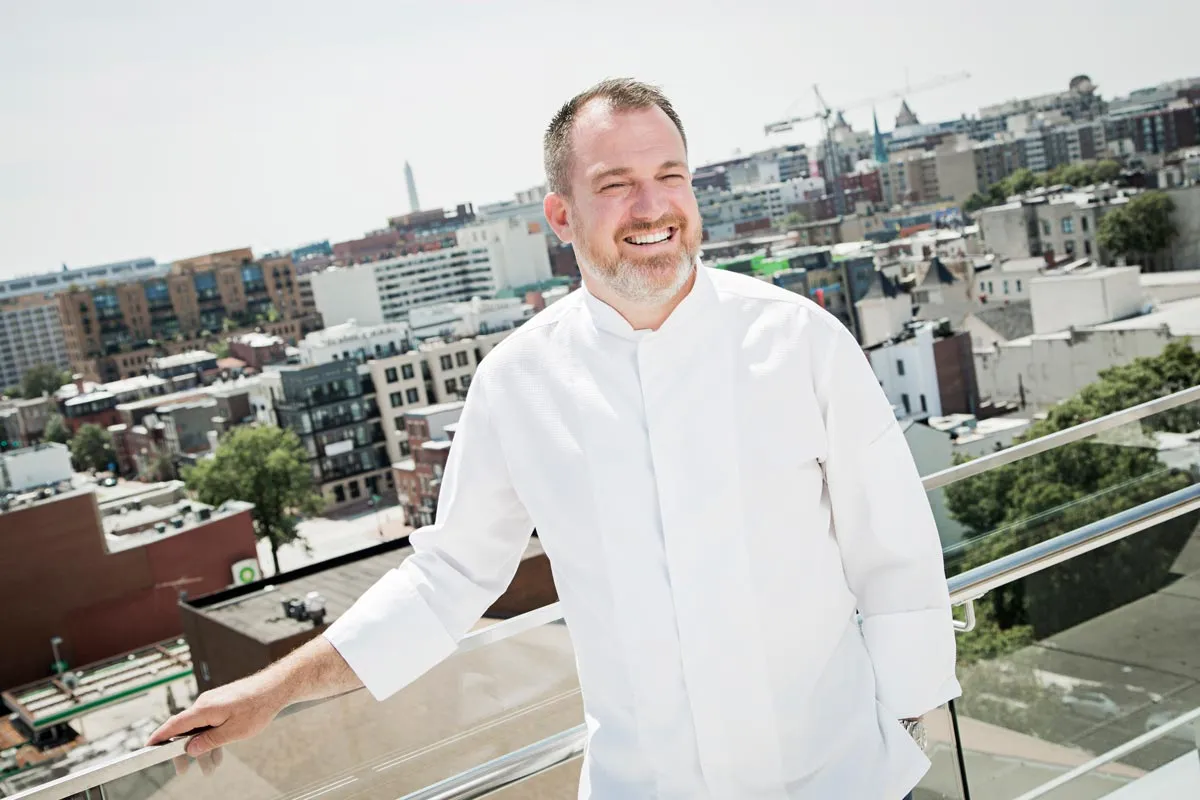
A charming accent reveals Cedric Maupillier’s roots in the South of France. But the ambitious chef (also the force behind Adams Morgan’s Mintwood Place) recently became an American citizen, and the menu at his Shaw bistro borrows liberally from the cuisine of both countries. What’s the secret to his popular Franco-American blend? Why call your restaurant Convivial? CM: The word spelled the same in French and English. And I was thinking of the dictionary definition of convivial – “relating to, occupied with or fond of feasting, drinking and good company.” How would you describe what’s on the plate here? CM: It’s a place that emphasizes the food of both my home country and my new country, the U.S. It’s democratized fine dining, but in a way that’s simplified and from the heart. These are classic recipes with a twist, and we don’t put too many fingers on the plate. We serve French bouillabaisse, but it’s made from Chesapeake blue catfish; our escargots are served in a pastry blanket [think spring rolls]. Convivial’s signature dish has turned out to be fried chicken coq au vin. What’s the scoop with that? CM: I decided to take the best chicken dishes from both France and the U.S. It’s inspired by Korean chicken too. In this country, people need a little bit of whimsy. It gets them talking and keeps them interested. What’s your favorite dish on the menu? CM: I like our potato latke with dried lamb. It’s got layers of textures and flavors, starting with a crunchy potato pancake topped with shaved celery root and finished with a salty lamb prosciutto. The bar is popular here, and well, convivial. What did you have in mind? CM: It’s not mixology craziness, but a place where we are reintroducing classics – good Manhattans, the Grasshoppers Grandma used to love. And with wine, we just serve French and American and try to have them at good price points. Nothing’s over $100 a bottle. What were you going for with the decor? CM: I wanted it to be modern with no artifice. So we used clean-lined wood, comfortable chairs and lots of sound-proofing. The only things that stand out are the light fixtures, which I think look like Christmas lights every day! What do you think about what’s happening in Shaw? CM: I didn’t know it was on fire when I was planning Convivial. It’s such a work in progress, but in a few years, it’s just exploded. There are so many restaurants opening up, and it’s exciting. I feel like I’ve won my bet! You also live in the neighborhood. Where do you go when you aren’t cooking here at Convivial? CM: I get coffee every morning at Compass Coffee. They roast the beans right in front of you. And I love to go have a beer at Dacha Beer Garden. When I feel a little fancy, I’ll go to the bar at Kinship and order a nice glass of wine and a couple of dishes. DC’s hot dining scene boasts many other restaurants, including other exciting eateries in Shaw and around the city.
Derek Brown on the Cocktail Scene in Washington, DC
When it comes to craft cocktails, there’s a whole lot shakin’ in the nation’s capital. All the rage at the moment are the growing number of speakeasies, bars and lounges devoted exclusively to serving expertly measured and mixed drinks. Add to that, many distinct distilleries have popped up in the last few years specializing in everything from limoncello and gin to DC’s first vodka and rum. All this boozy buzz is fitting for a city that spawned the rickey, first served at Shoomaker's Bar in 1883. The one person who can speak best to DC’s rich cocktail history and its meteoric rise is Derek Brown, the city’s foremost cocktail expert, historian and supertaster. Derek would be happy to regale you in his cocktail bars. Each venue offers its own unique drinking experience. The Columbia Room, a reincarnation of the original that shot Derek to spirit stardom, outshines all other cocktail bars for its attention to atmosphere (see: the Punch Garden and leather-filled Spirits Library). Brown's popular spot in Shaw's Blagden Alley took home the prize of Best American Cocktail Bar at the 2017 Spirited Awards. We asked Derek to share his thoughts on why DC’s cocktail scene is surging. Check out what he had to say. Make yourself a reservation at any of Derek’s cocktail bars. And explore more of DC's drinking scene.
Discover Eastern Market’s Sights, Smells & Sounds
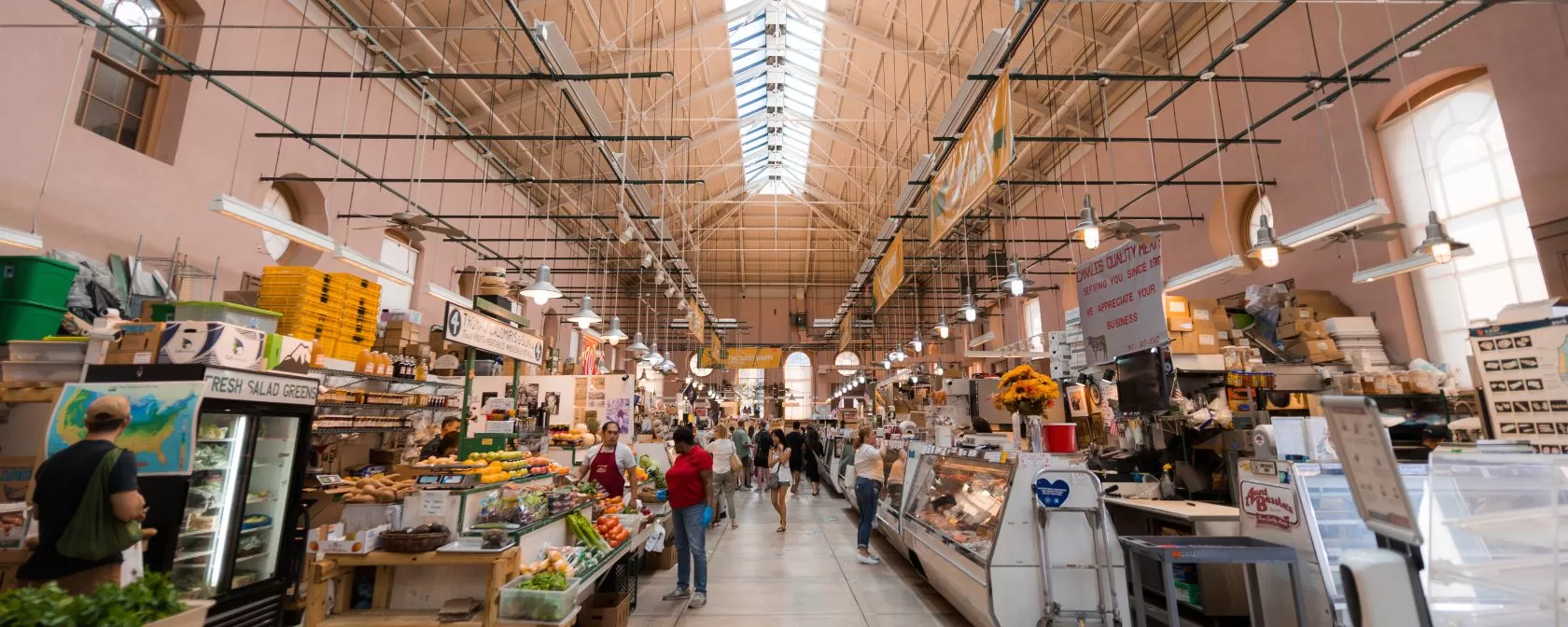
Nestled in the heart of historic Capitol Hill just north of Barracks Row, Eastern Market is a must-visit for arts and crafts aficionados and lovers of fresh, locally sourced food and drink. Designed to serve as the neighborhood town center, this popular community hub has attracted an eclectic group of shoppers and foodies since 1873. Good to know: the market is closed on Mondays and opens to street vendors on weekends. Step inside the South Hall Market and you’ll experience sensory overload. The large main hall is filled with merchants selling meats, poultry, seafood, baked goods, flowers and cheeses, and is often bustling with shoppers sampling their wares. Make sure to come early and beat the line for the Market Lunch’s legendary blueberry buckwheat pancakes. On the weekends, the streets and plazas surrounding Eastern Market teem with more vendors. Farmers from across the region set up open-air stands selling all sorts of local produce. Visitors can sample produce as they browse the rows and rows of brightly colored tomatoes, carrots, apples, peaches and whatever is in season. Walking through the market to the sound of live bands jamming to all types of music, weekend visitors will also discover a sea of tents filled with handmade arts and crafts from some of DC’s best local artists. From painters, sculptors and woodworkers to jewelers, potters and photographers, Eastern Market offers something for every taste. How do I get to Eastern Market? To get there, your best bet is to take the Metro’s Blue, Orange or Silver lines to the Eastern Market stop. The market is located at 225 7th Street SE, just one block from the Metro. Public parking is limited. Take note that the market is closed on Mondays, and is open 8 a.m. – 6 p.m. Tuesday through Saturday, and on Sundays from 8 a.m. – 5 p.m. Eastern Market sounds really cool. What else should I know about it? Eastern Market is one of the few historic public market buildings left in Washington, DC, and the only one that has retained its original public market function. The historic market was added to the National Register of Historic Places in 1971, and the South Hall Market underwent a major two-year renovation after it was badly damaged by fire in 2007. The first incarnation of Eastern Market was one of three public markets included in Pierre L’Enfant’s plan for the nation’s newly established capital, along with a Central and Western Market. The Eastern mainstay eventually fell into disrepair, and the current version was envisioned by renowned local architect Adolf Cluss, who also designed the Smithsonian Arts and Industries Building which you can see on the National Mall. Read on for more of the District's best farmers' markets, plus our guide to Union Market.
Everything You Need to Know About DC’s Signature Dish: The Half-Smoke
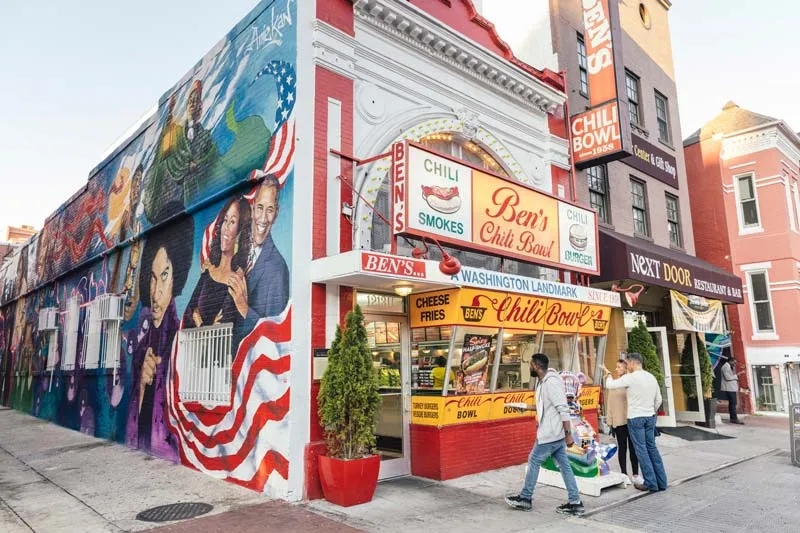
What is a half-smoke? Paris has croissants, Baltimore has crab cakes, and Washington, DC has something called a half-smoke. The town’s signature dish is a sausage, generally smoked before it’s grilled. They’re often a bit spicier and made of meat that’s more coarsely ground than a hot dog. Sources can’t agree on who invented it, or what the ‘half’ part means – the latter might be because many of the sausages are half beef, half pork, or because the sausage is traditionally slit down the middle before being grilled. They’re generally, but not always, dished out on a soft, white bun and topped with onions, cheese and chili. How do you eat it? This is finger food, baby, though a fork or spoon can help you scoop up runaway chili sauce. At downtown hot dog vendors, you’ll just be handed a smoke in some foil; fancier restaurants might dish it out on a plate. At Ben’s Chili Bowl, the iconic restaurant on U Street where Barack Obama famously chowed down on a half-smoke, you’ll grab a sandwich in a little paper plate and nab a seat at the long, diner-like bar. Oh, and score a lot of napkins – you’ll need them. Where can I eat it? Ben’s, a late-night grub destination since the Eisenhower era, features the most famous half-smoke in town, and there are multiple locations, including Nationals Park. Newer chefs and upmarket restaurants are also putting new spins on the iconic sausage. At Bloomingdale’s pint-sized takeout Meats & Foods, score to-go DC-made smokes topped with a range of chilies (veggie, meat), locally pickled peppers and cheese. DCity Smokehouse, known for its barbecue, features smoky brisket chili, mustard, onions, and cheddar and jack cheese atop its sausage. And, you can always hit up a hot dog cart on the National Mall or near K Street, too. For more local delicacies and restaurants that serve DC's signature dish, explore more restaurants and places to eat in Washington, DC.
Experience the Whiskey Rebellion Trail in Washington, DC
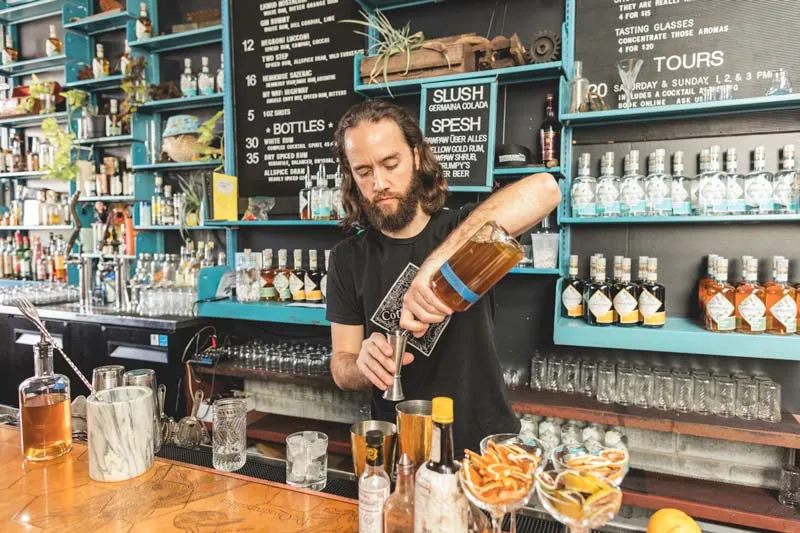
The Mid-Atlantic region serves as the birthplace of American whiskey and its story is as complex as the distilled rye the area has produced. Whether you want to delve into George Washington’s role in the Whiskey Rebellion or mix it up with the District’s crop of craft distillers, the Whiskey Rebellion Trail in DC blazes the way. Whiskey Rebellion Trail Passports in DC One day, one neighborhood passport When it comes to spirit-making, the Ivy City neighborhood is DC’s distilling hub. Check out DC’s Ivy City One-Day Passport for a quartet of tastings, tours and cocktails, which you can comfortably pack into a day. For $39, you’ll get a tasting flight from Cotton and Reed, a cocktail from New Columbia Distillers, a tour and tasting at One Eight Distilling and a free cocktail from Republic Restoratives. The weekender or three-day passport The Taste of DC Three-Day Passport gives you a taste of history in addition to locally made spirits. Get access to George Washington’s Mount Vernon, where you learn about Washington’s rise from president to one of the largest rye whiskey producers in the late 1790s. In addition, you can explore free-to-visit sites such as Peirce Mill, a former distillery and site maintained by the National Park Service, and the Smithsonian National Museum of American History, where you can see the same sword and scabbard George Washington wore in 1794 when he led 13,000 troops to Western Pennsylvania to quell the rebellion. When it comes time to sampling, you’ll get access to everything in Ivy City from above, as well as a flight from Don Ciccio & Figli. The local-friendly, three-month-long passport If you live in the DC area or are visiting for an extended period of time, the All Inclusive DC & Beyond: 90-Day Passport is your ticket to soaking up distilled spirits and history in DC and nearby Baltimore. For $99, you can tip your glass to the end of the Whiskey Rebellion and the beginning of a new adventure with access to Ivy City’s five distilleries, and five noteworthy distilleries in Baltimore. The pass also comes with free access to George Washington’s Mount Vernon. Discover more about the Mid-Atlantic region’s Whiskey Rebellion Trail, from Pittsburgh and Philadelphia to Washington, DC and Baltimore.